
What is an AVA (And why it matters)
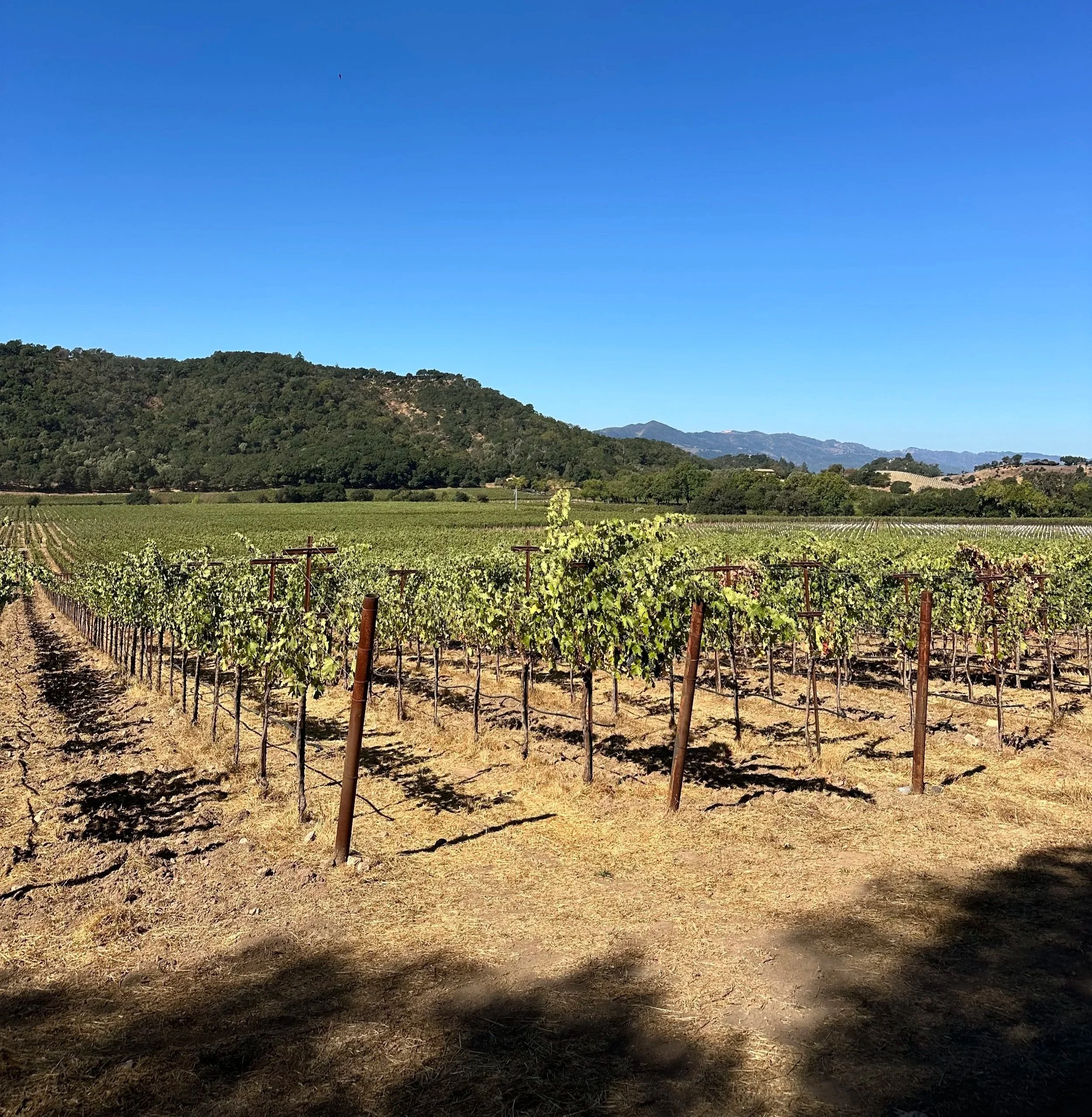
Vines at Stags’ Leap Winery within the Stags Leap District within Napa Valley AVA.
At some point, you have probably seen "AVA" on a wine label and either ignored it or assumed it did not really matter.
It stands for American Viticultural Area. In simple terms, it is a defined wine-growing region in the United States.
That sounds straightforward, but what matters is what it actually represents.
An AVA is built around geography. Climate, elevation, soil, and topography all play a role in defining it, and those factors shape how grapes grow and how the wine ultimately tastes. So when you see an AVA on a label, it is giving you context about where that wine comes from and the conditions behind it. At least 85 percent of the grapes in the bottle have to come from that listed region, and the system is regulated by the Alcohol and Tobacco Tax and Trade Bureau (TTB).
Unlike most European systems, an AVA does not dictate what grapes can be grown or how the wine is made. It is less about rules and more about identifying place. There are over 250 of them in the United States, ranging from sprawling regions covering multiple counties to small, hyper-specific designations carved out of a single hillside.
Quick Facts
American Viticultural Areas were formally established in 1980, making the system relatively young compared to European counterparts. A few things worth knowing:
At least 85 percent of the grapes must come from the listed AVA.
The TTB reviews and approves all petitions, which requires applicants to demonstrate that the proposed area has distinct geographic features that set it apart from surrounding regions. That process can take years.
There are currently over 250 approved AVAs in the United States, with more in various stages of review at any given time.
AVA vs. France's AOC: A Useful Comparison
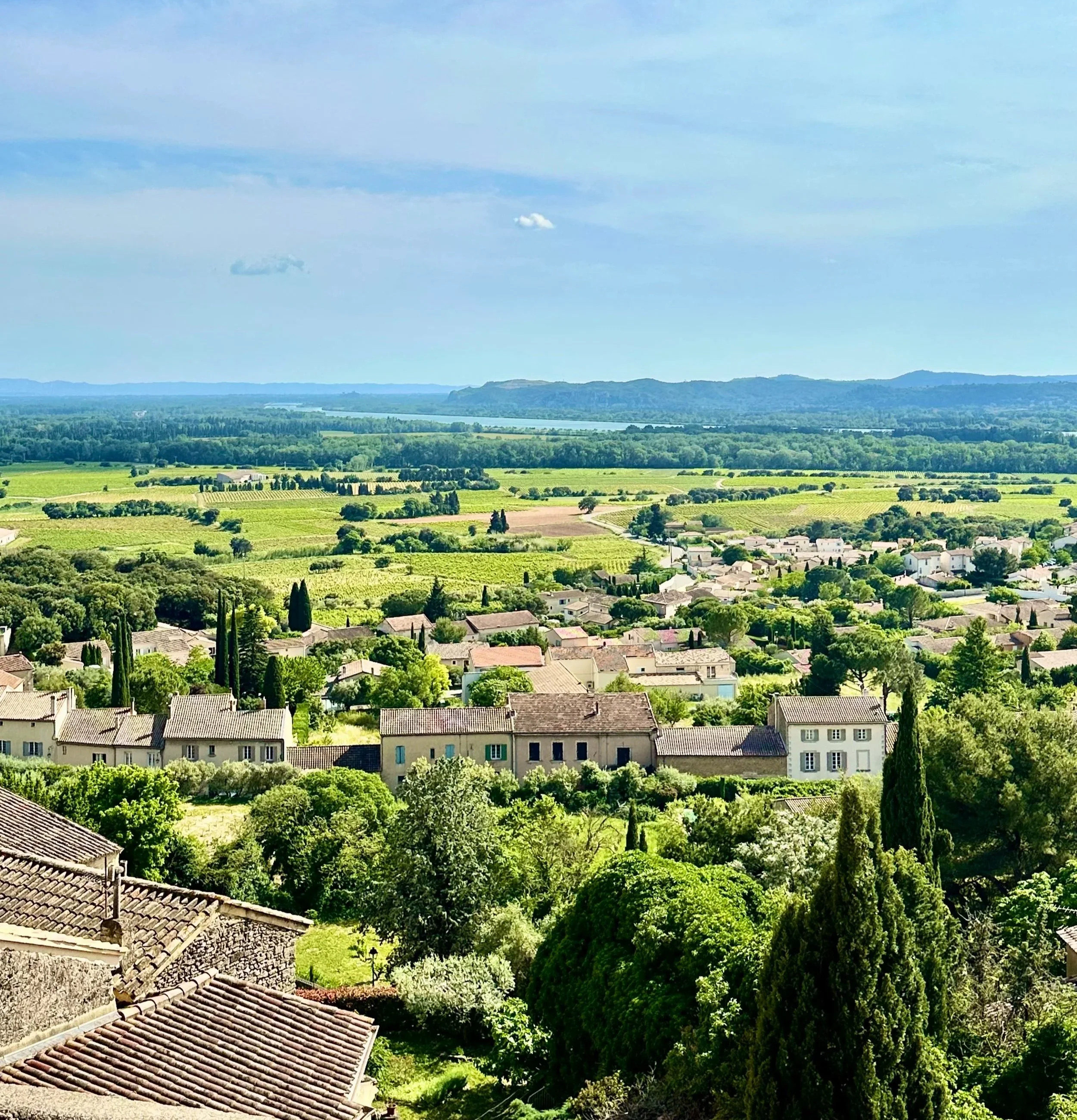
The Rhône river in the distance from Châteauneuf-du-Pape.
France has been formally defining wine regions since 1936 through its Appellation d'Origine Contrôlée system, now technically called AOP under EU law but still widely referred to as AOC.
The core difference is how much each system controls.
A French AOC does not just define where the grapes come from. It specifies which grape varieties are allowed, how the vines must be trained, maximum yields per hectare, minimum alcohol levels, and in some cases even winemaking techniques. Châteauneuf-du-Pape is a good example. To label a wine as Châteauneuf-du-Pape, a producer must follow a strict set of rules about grape varieties and plantings that have been refined over decades. The AOC is essentially a recipe as much as a place.
An AVA is purely geographic. It says where the grapes were grown and nothing else. A winemaker in Napa Valley can plant whatever variety they want, harvest whenever they choose, and make the wine however they like. The AVA just confirms the fruit came from there.
Neither approach is inherently better. The French model protects tradition and creates consistency within a region. The American model allows more freedom and experimentation, which suits a wine country that is still finding its identity in many places. Texas and New Mexico are good examples of why that flexibility matters. Imposing strict variety restrictions on regions still learning what grows best would be counterproductive.
Texas vs. California (Why AVAs Matter)
AVAs start to make more sense when you compare regions.
In California, places like Napa Valley or Paso Robles have relatively consistent growing conditions and long-established reputations. Over time, those AVAs have become shorthand for a certain style and level of quality.
Texas is a different story.
In the Texas Hill Country, the climate is hotter, more variable, and generally more challenging. Elevation, site selection, and grape choice matter in a different way, and there is more experimentation with varieties that can handle heat and drought. The same is true in Mesilla Valley in southern New Mexico, where high desert conditions force a completely different set of decisions from the vineyard up.
So while all three are AVAs, they function differently.
In California, an AVA often reinforces expectations. In Texas and New Mexico, it often signals a region that is still figuring out what it wants to be. That is not a knock. It is actually one of the more interesting things happening in American wine right now.
Regions to Watch
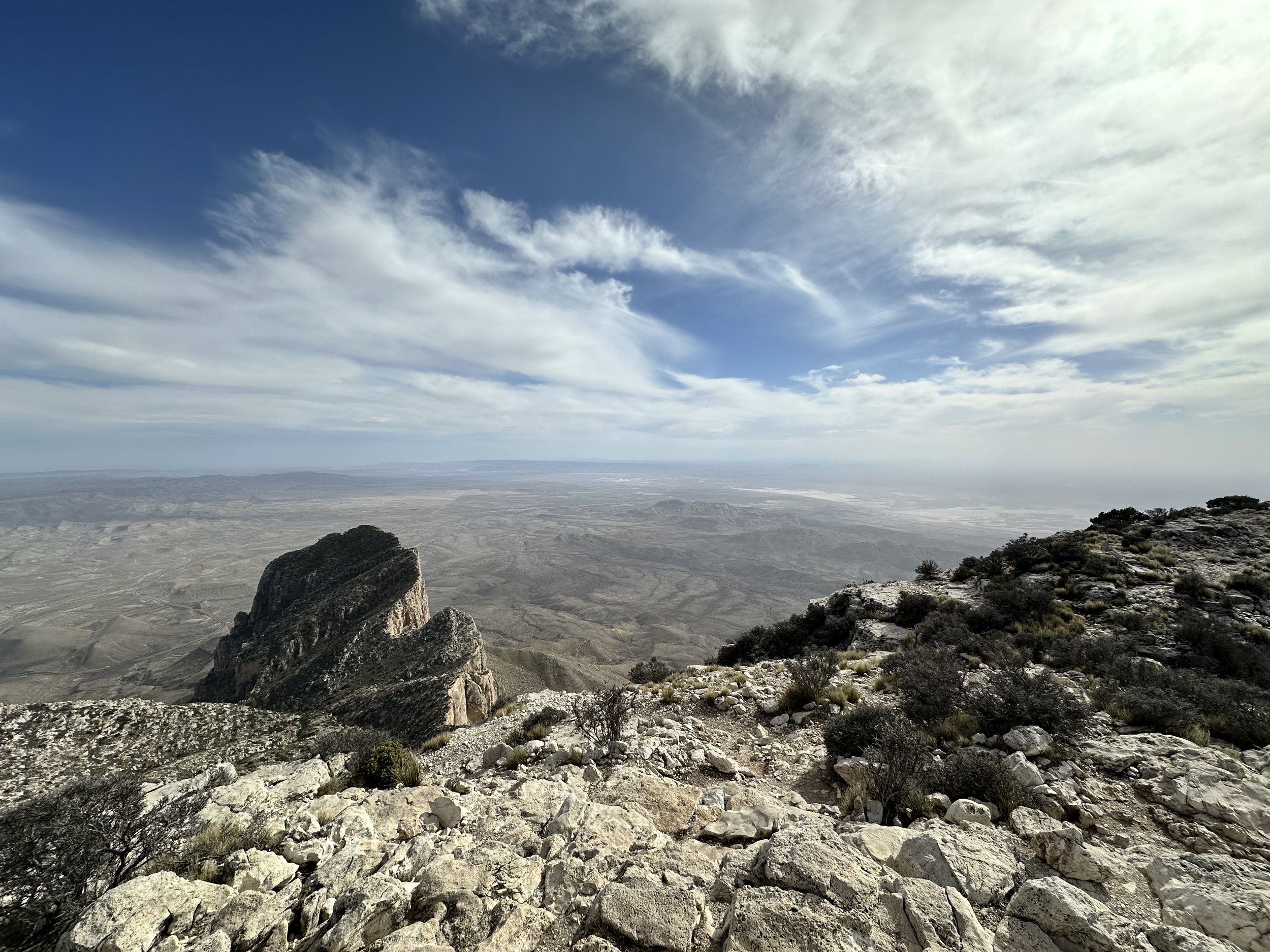
Looking South from Guadalupe Peak. Dell City and the Salt Basin Dunes on the horizon.
A few areas are currently working through the TTB petition process and are worth keeping an eye on.
Dell City, located in the Guadalupe Mountains area of far West Texas, has been quietly attracting serious attention. The elevation and climate there are distinct from anything else in the state, and producers in the area have been making a case that it deserves its own designation. Sand Hill is another region in the conversation, with petitioners arguing that its geographic characteristics set it apart from the broader Texas High Plains AVA it currently falls within.
These are the kinds of designations that tend to fly under the radar until they are approved, at which point the narrative around them shifts quickly. Both are worth watching if you are interested in where Texas wine is headed.
For me, the value of an AVA is simple. It gives context.
If I see "Willamette Valley," I expect something different than "Paso Robles." If I see "Texas Hill Country," I know I am dealing with a completely different set of conditions than Napa. Even if I do not know the producer, the AVA gives me a starting point.
It also helps when you are trying to make sense of a wine list. Instead of focusing only on grape names, you can start to recognize regions and build a mental map. Over time, that becomes more useful than memorizing individual wines.
That said, an AVA is not a guarantee of quality. It is just information. A good producer in a lesser-known AVA can make better wine than a mediocre producer in a famous one, but understanding the region still puts you in a better position.
If nothing else, think of an AVA as a shortcut. It is a way to connect the wine in your glass back to a place. And once you start paying attention to that, wine starts to make more sense.
References and Further Reading
TTB AVA Map and Database — The official source for AVA boundaries, petition history, and geographic descriptions. More detailed than you might expect and worth exploring if you want to go deeper on a specific region.
Wine Institute AVA Overview — A useful starting point for understanding how the petition process works and how AVAs are used in the broader industry context.
Texas Wine and Grape Growers Association — The best single resource for tracking what is happening in Texas wine, including regional developments and upcoming designations.
New Mexico Wine — Covers the state's wine industry including Mesilla Valley, with producer listings and regional background. A good companion if the Dell City and Sand Hill story interests you.
