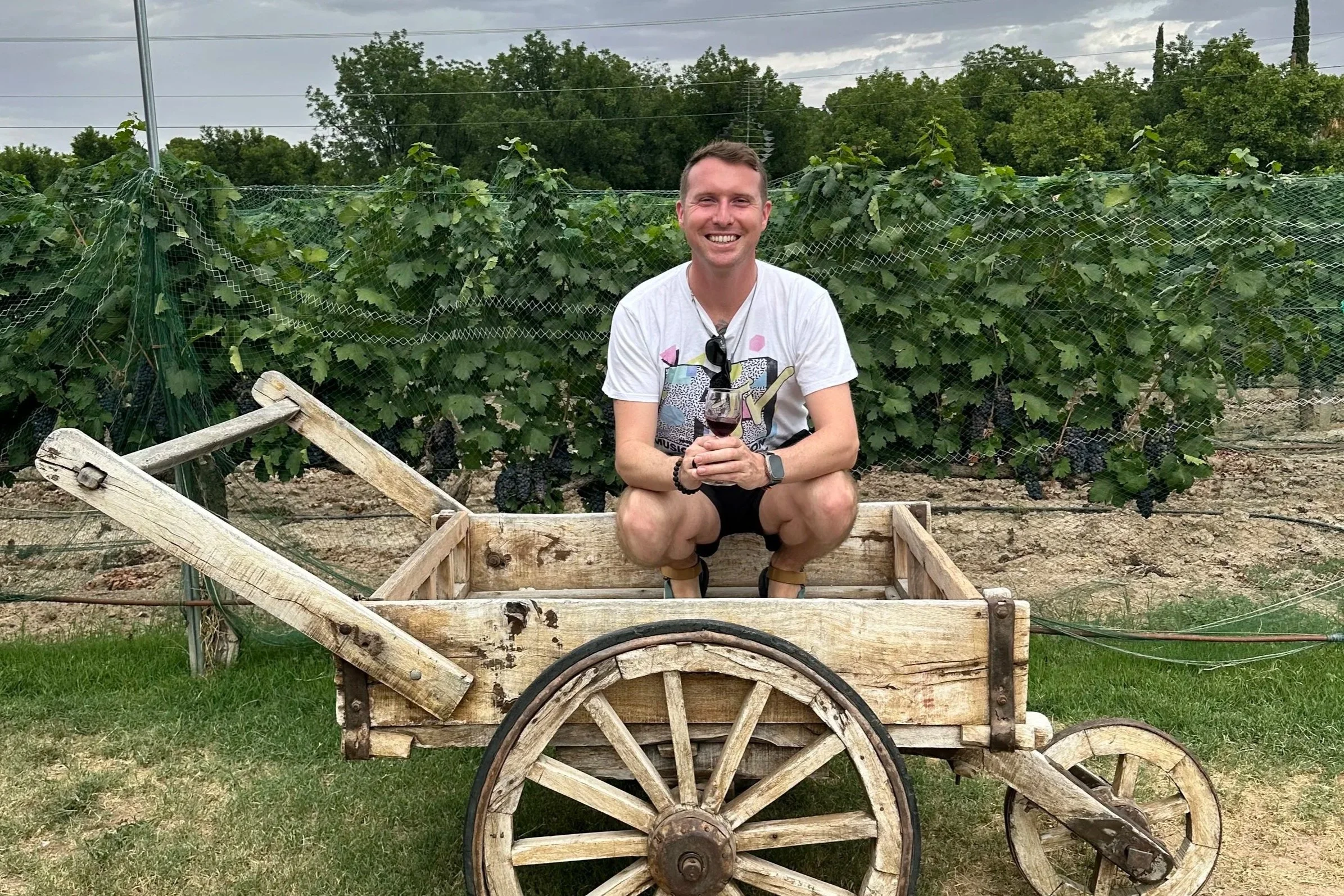
When Wine Started to Make Sense
There was a point where wine stopped feeling random.
Before that, I mostly approached it the same way I approached anything unfamiliar. I tried different things, paid attention to what I liked, and moved on. I could tell you if I enjoyed a wine, but I could not really explain why.
Part of the problem was inconsistency. A Riesling could be surprisingly sweet or completely dry, and I never really knew what I was going to get. It gave me a bit of trust issues with wine.
That started to change when I moved to El Paso.
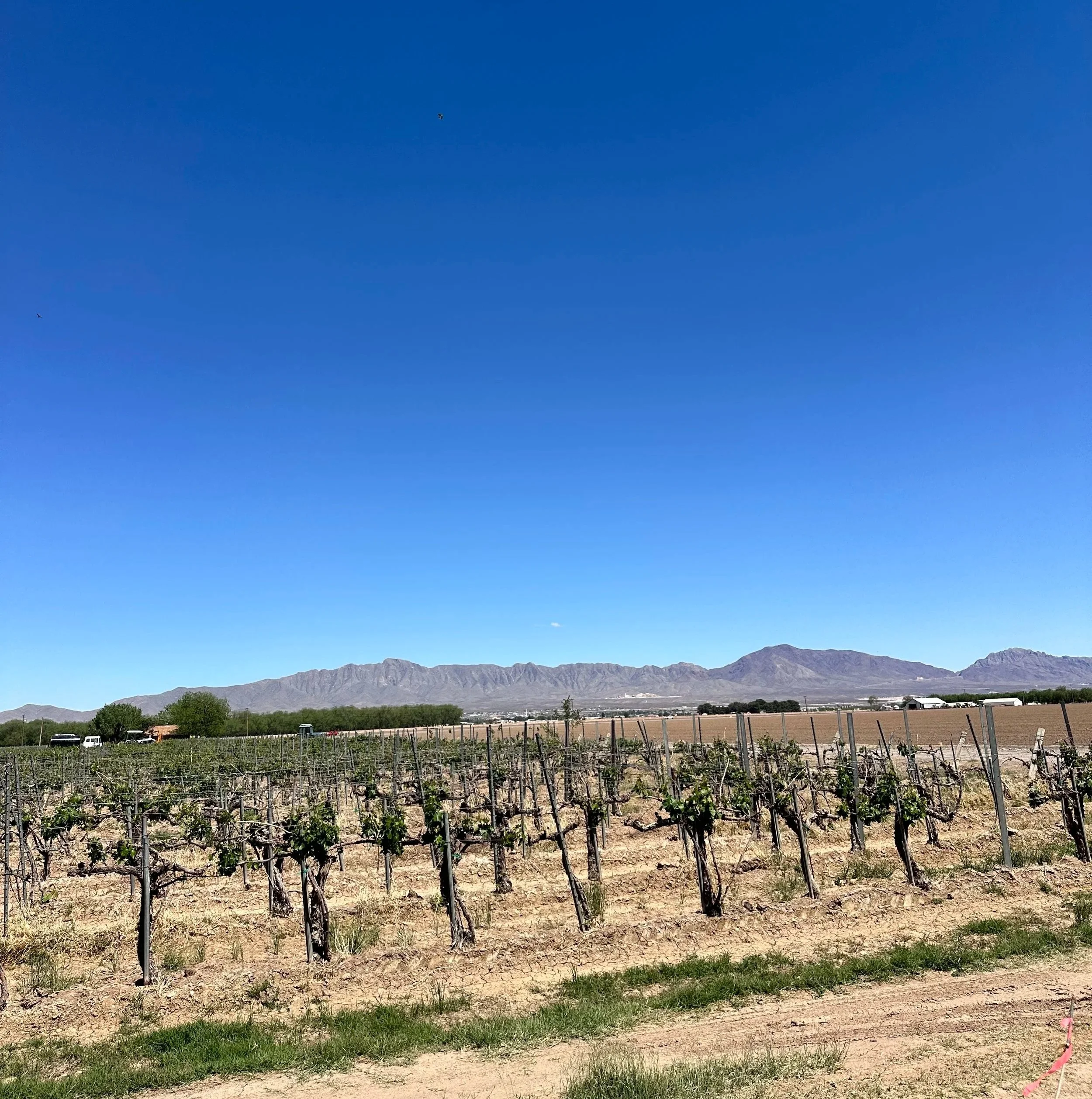
Vines & the Franklin Mountains
I had just arrived and was still getting settled into a city where I did not know anyone. Like I usually do, I started exploring. That led me out to Mesilla Valley in southern New Mexico, which sits in a high desert environment that feels very different from most of the places people associate with wine. I have written about that region in more depth separately, and it is worth a read if you want the full picture.
In a place like that, you cannot separate the wine from the environment. The heat, the elevation, the lack of water, all of it forces decisions. Grape selection is not theoretical. It is practical. Irrigation is not optional. It defines what is possible. Even local preferences start to make more sense when you consider the climate and the setting.
Wine stopped being about what it tasted like and started being about where it came from and why it ended up that way. Once that clicked, it became easier to follow. Not simpler, but more logical.
Looking back, that way of thinking had probably been building for a while.
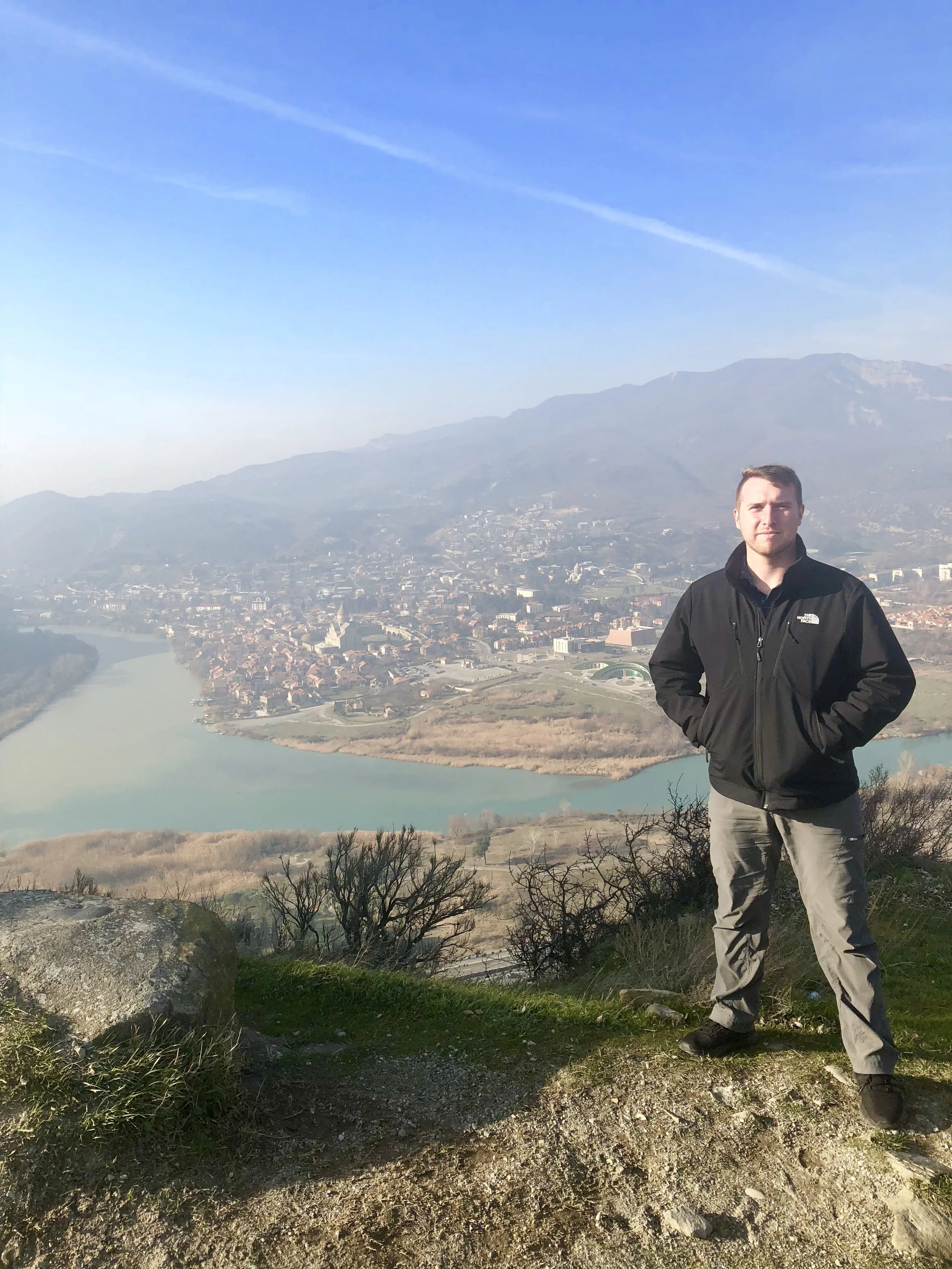
A long-ago trip to Georgia, the birthplace of the wine industry.
I have always been drawn to places that are a little off the path. Breweries in small towns across the Deep South, last-minute trips to places like Tbilisi, Georgia, where people have been making wine in clay vessels buried underground for eight thousand years. At the time, it felt more like curiosity than anything else. I was just looking for something local, something interesting.
It usually started the same way. Find a bar, talk to the bartender, ask what they would drink. Those conversations tend to go further than anything you can plan. They point you toward the places and people that actually define a region.
Mesilla Valley was where those pieces finally came together.
It was not about finding the best wine or the most impressive bottle. It was about understanding why something tasted the way it did in that place, at that time. The geography and the glass, connected. In a way, that is what Far and Low has always been about, even before I had a name for it.
Since then, that has been the framework I keep coming back to.
Pay attention to where it comes from. Pay attention to the conditions. The rest tends to follow.
That is when wine started to make sense.