
Birth Years and Barrel Rooms: A Guide to Port Wine in Porto
Porto will humble you before it welcomes you.
The hills arrive first. The city stacks itself up from the Douro River in a way that looks completely manageable from across the water and genuinely punishing once you are inside the city. The azulejo-tiled facades catch the afternoon light in a way that makes you stop mid-climb for a photo you already know will not be good enough. By the time you have worked out which direction is actually downhill or even the proper route, you have earned a drink!
Fortunately, Porto has a very specific answer for that.
Across the river in Vila Nova de Gaia, the port wine lodges line the hillside in a dense patchwork of terracotta rooftops. This is where port ages after production. These warehouses hold the inventory and the history of some of the oldest wine houses in the world. I visited eleven during my short stay and will share what I found.
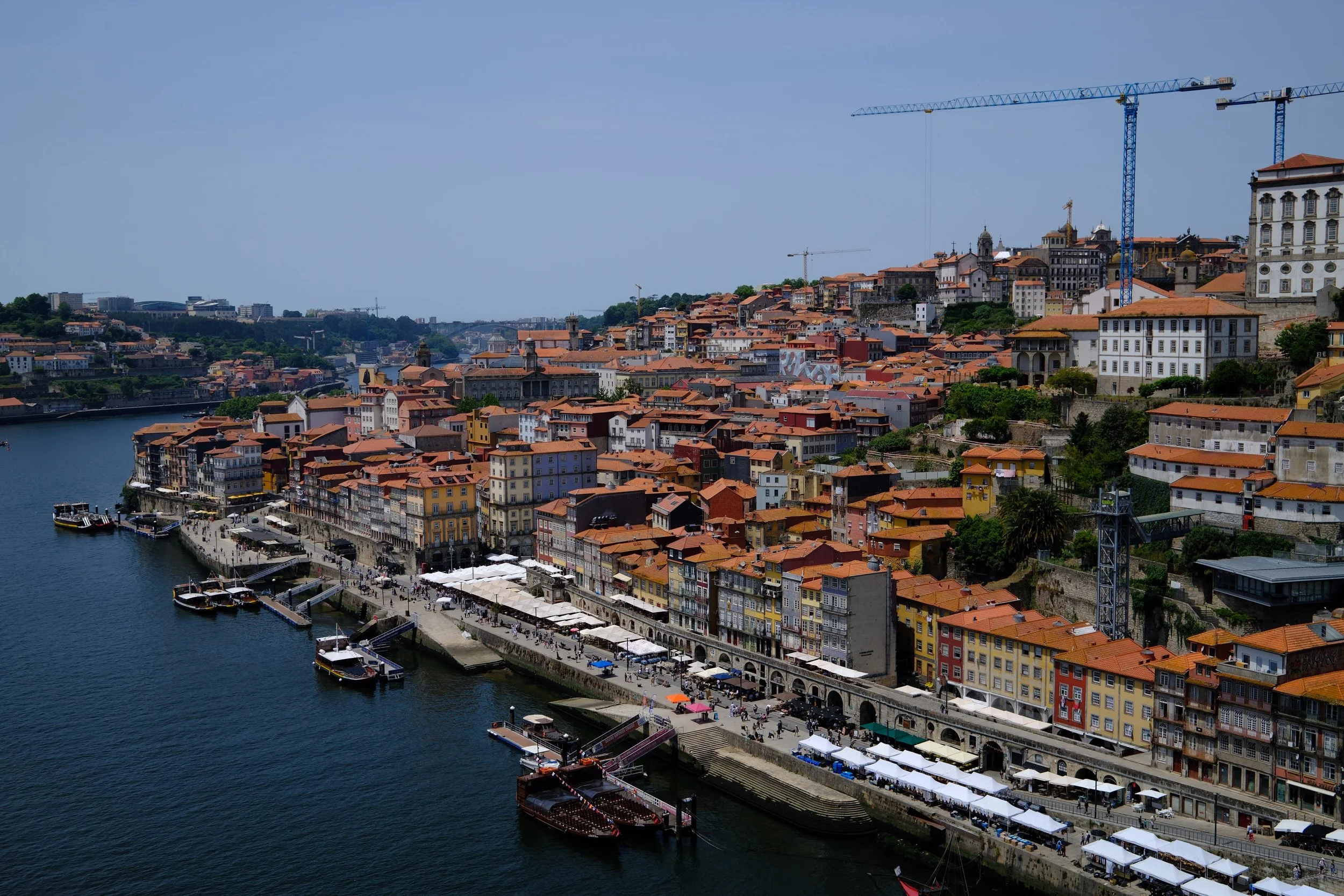
Photo of the Porto side.
What Port Actually Is
Before we get to the houses, a quick orientation for anyone who has ordered port exactly once or was offered it as an accompaniment to a cigar.
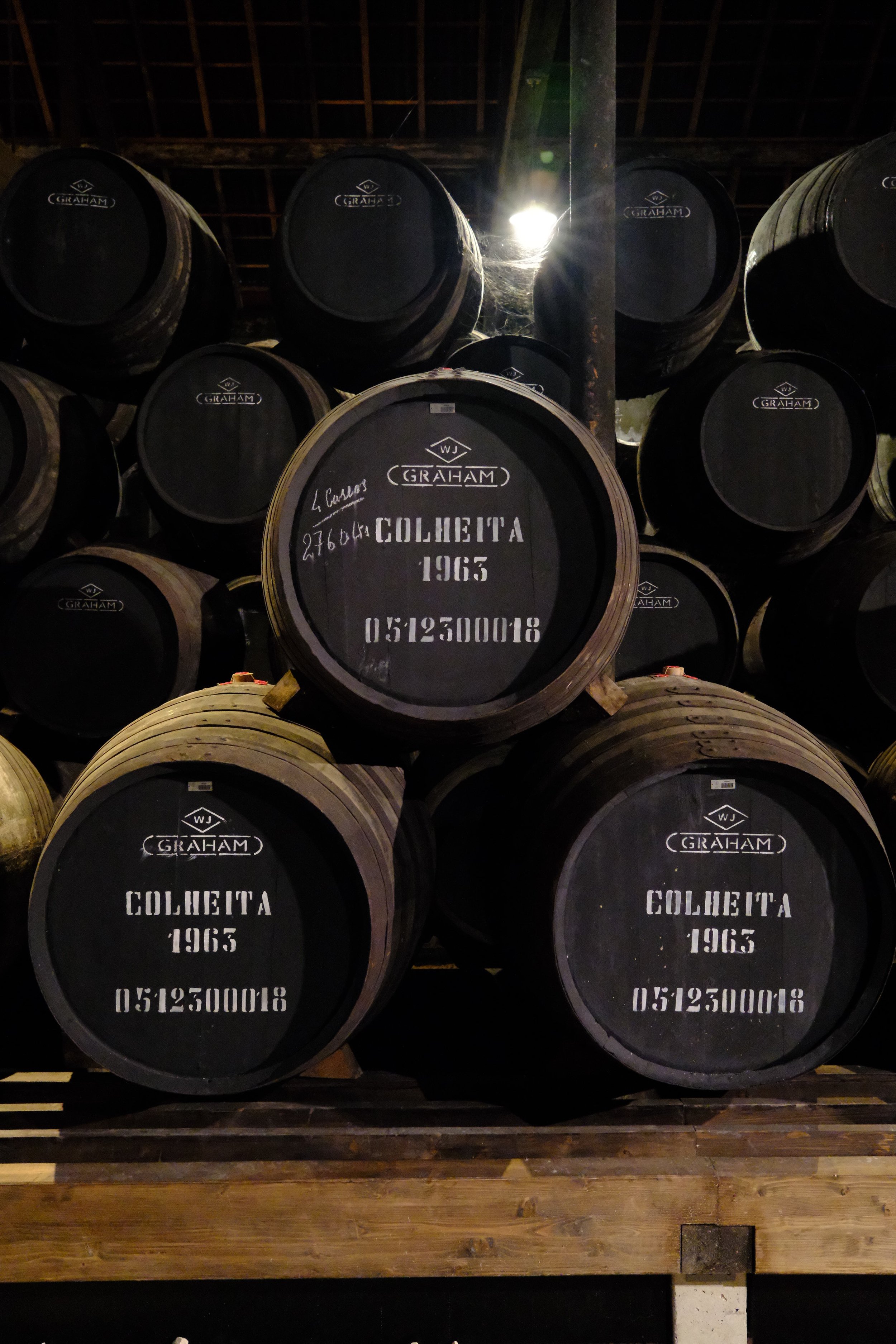
Port is a fortified wine from the Douro Valley in northern Portugal. Fortified means that a neutral grape spirit is added during fermentation (similar to a grappa or brandy), stopping the yeast before it can convert all the sugar. The result is a wine that is sweet, strong (typically 18 to 22 percent ABV), and built to age. The style range is wider than most people realize: ruby, tawny, white, rosé, vintage, Colheita (single estate), late bottle vintage (LBV). Each has its own method and even its own occasion.
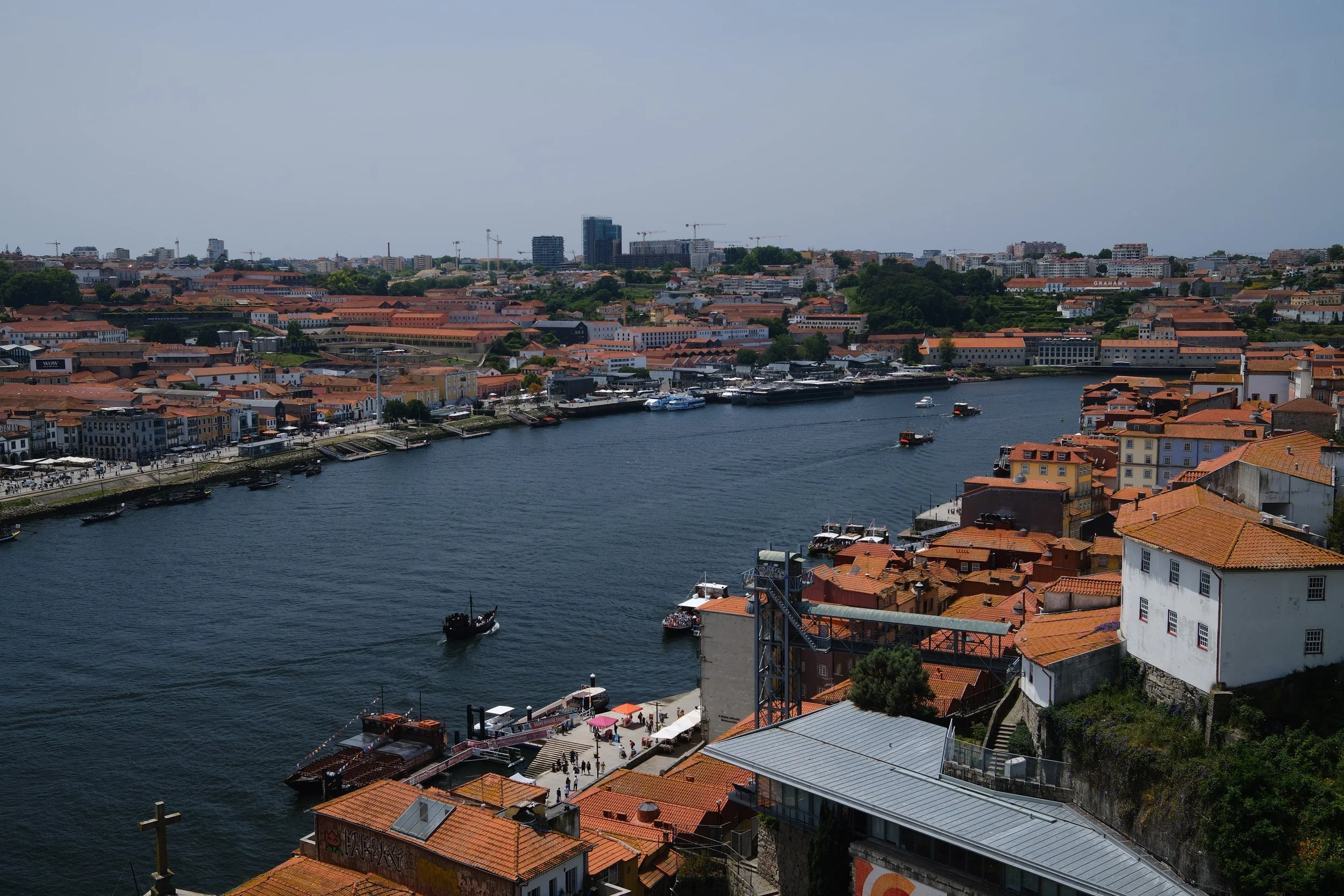
Photo of Gaia from the Porto side.
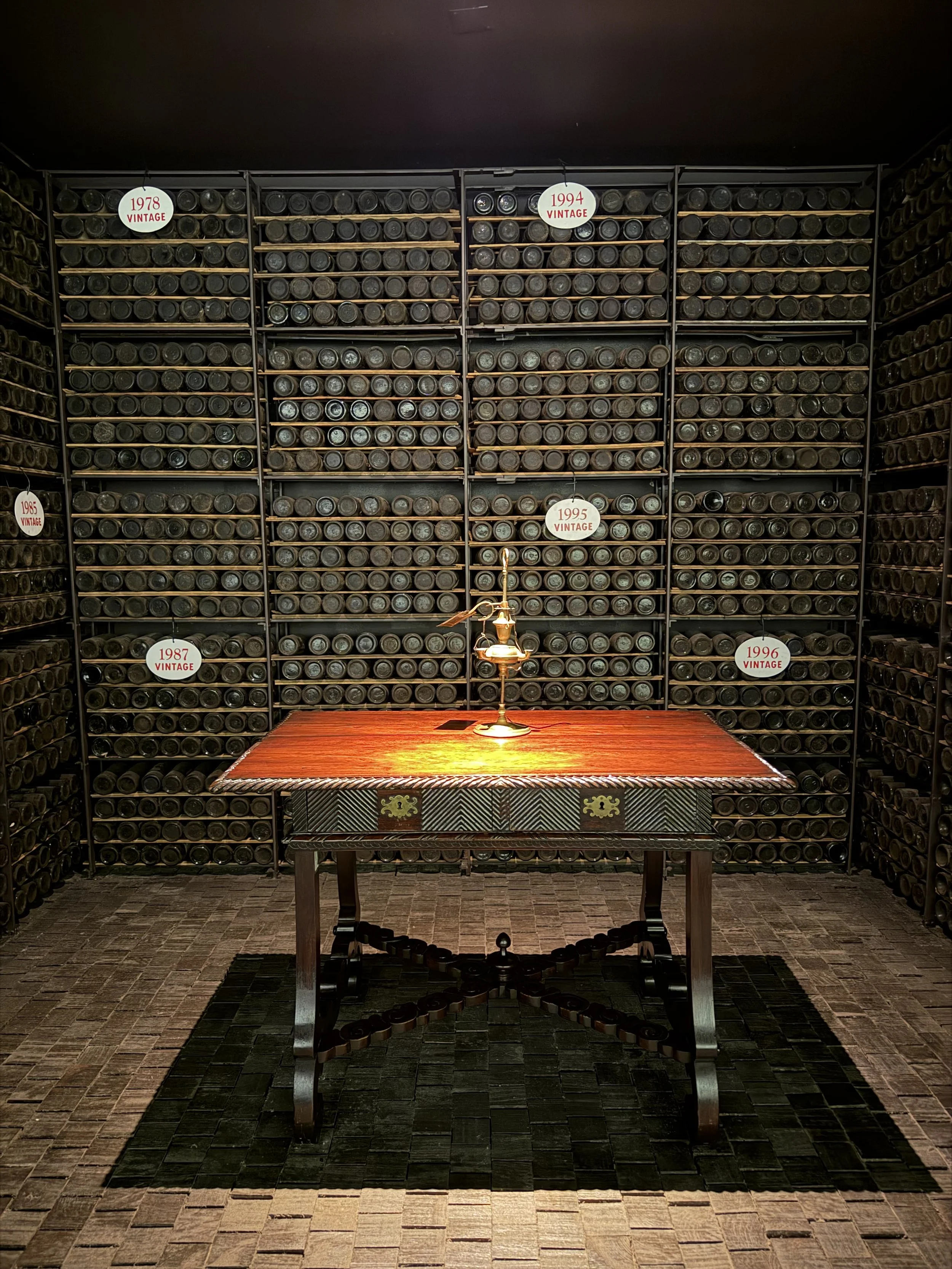
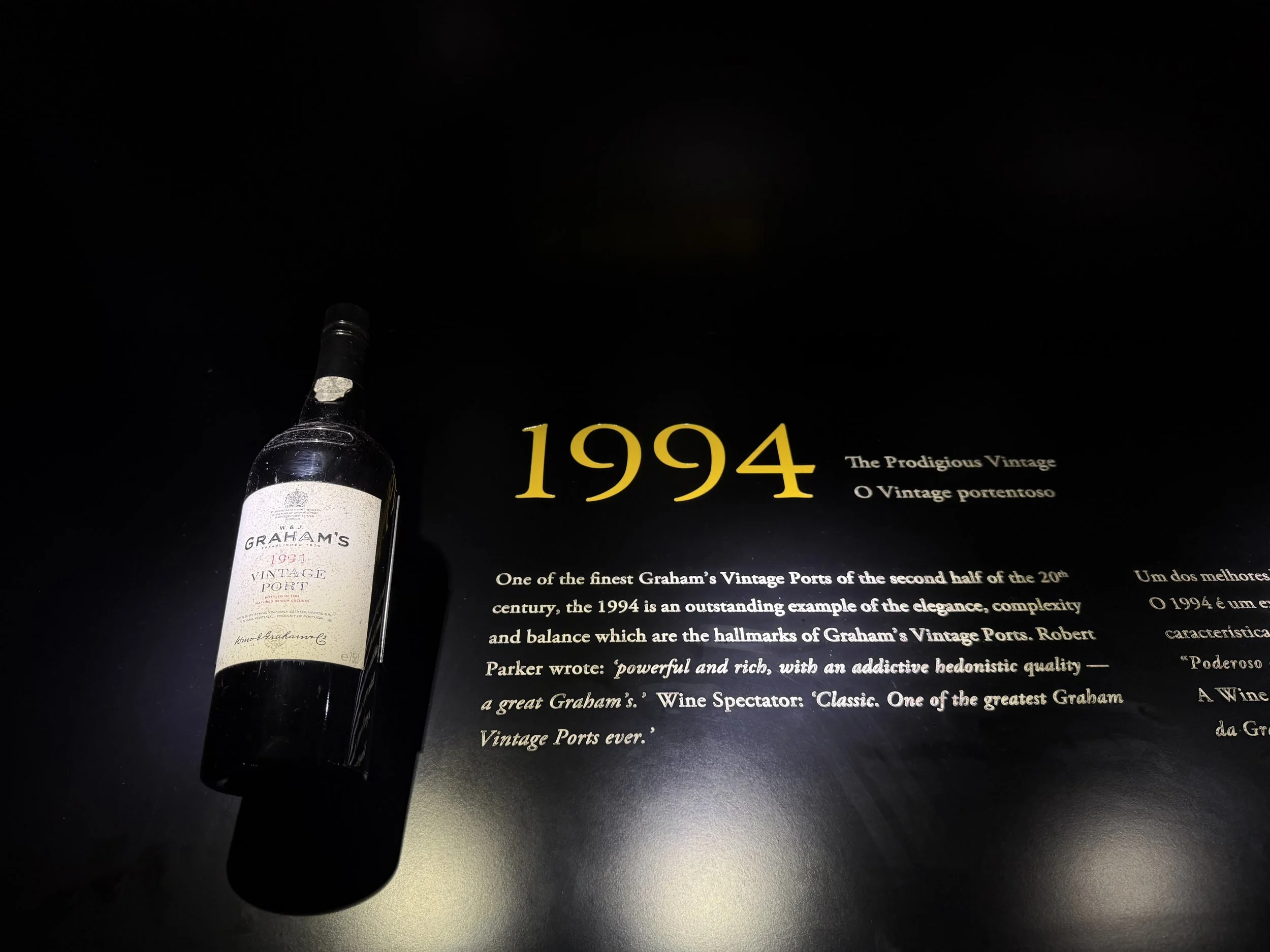
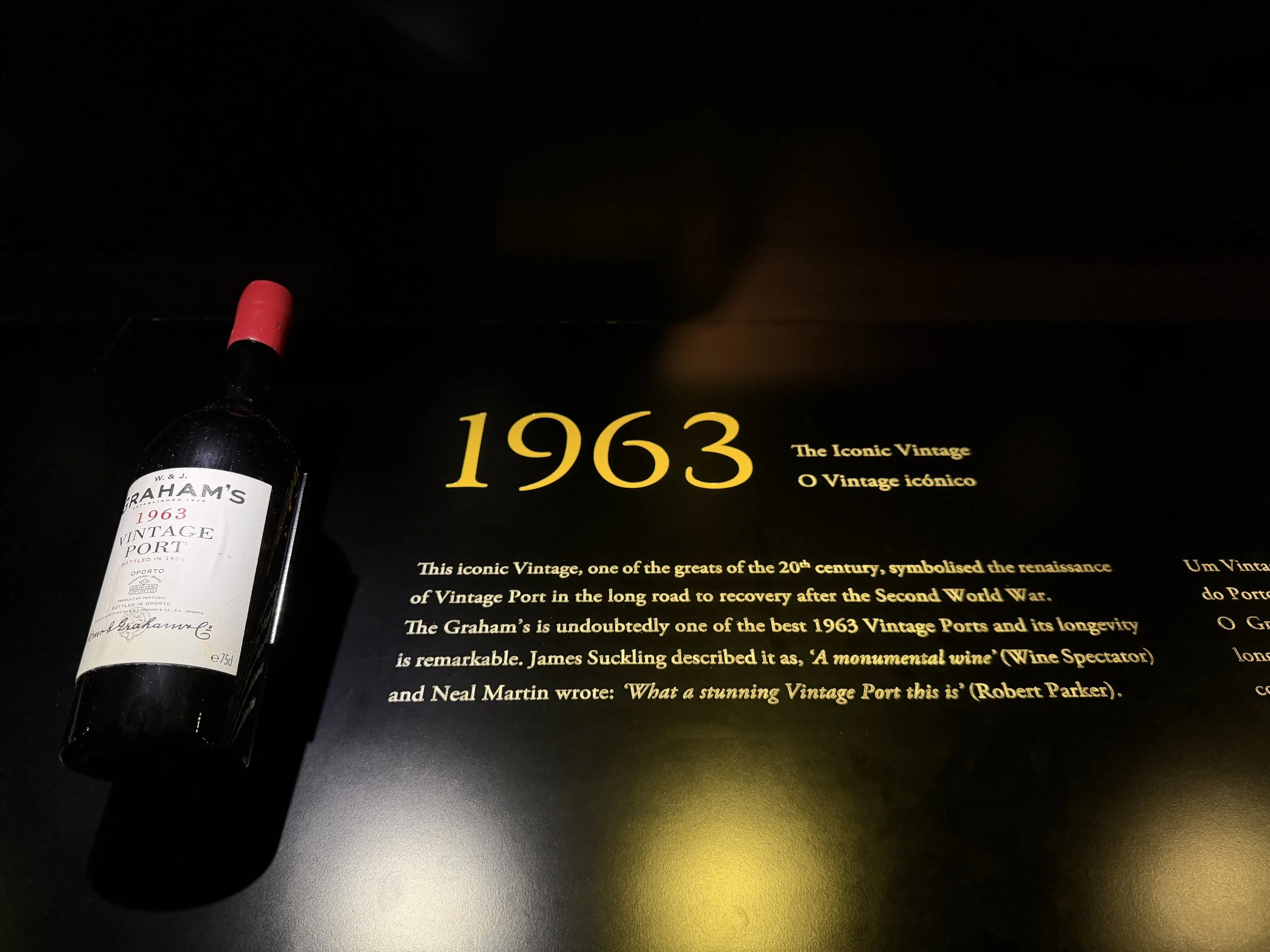
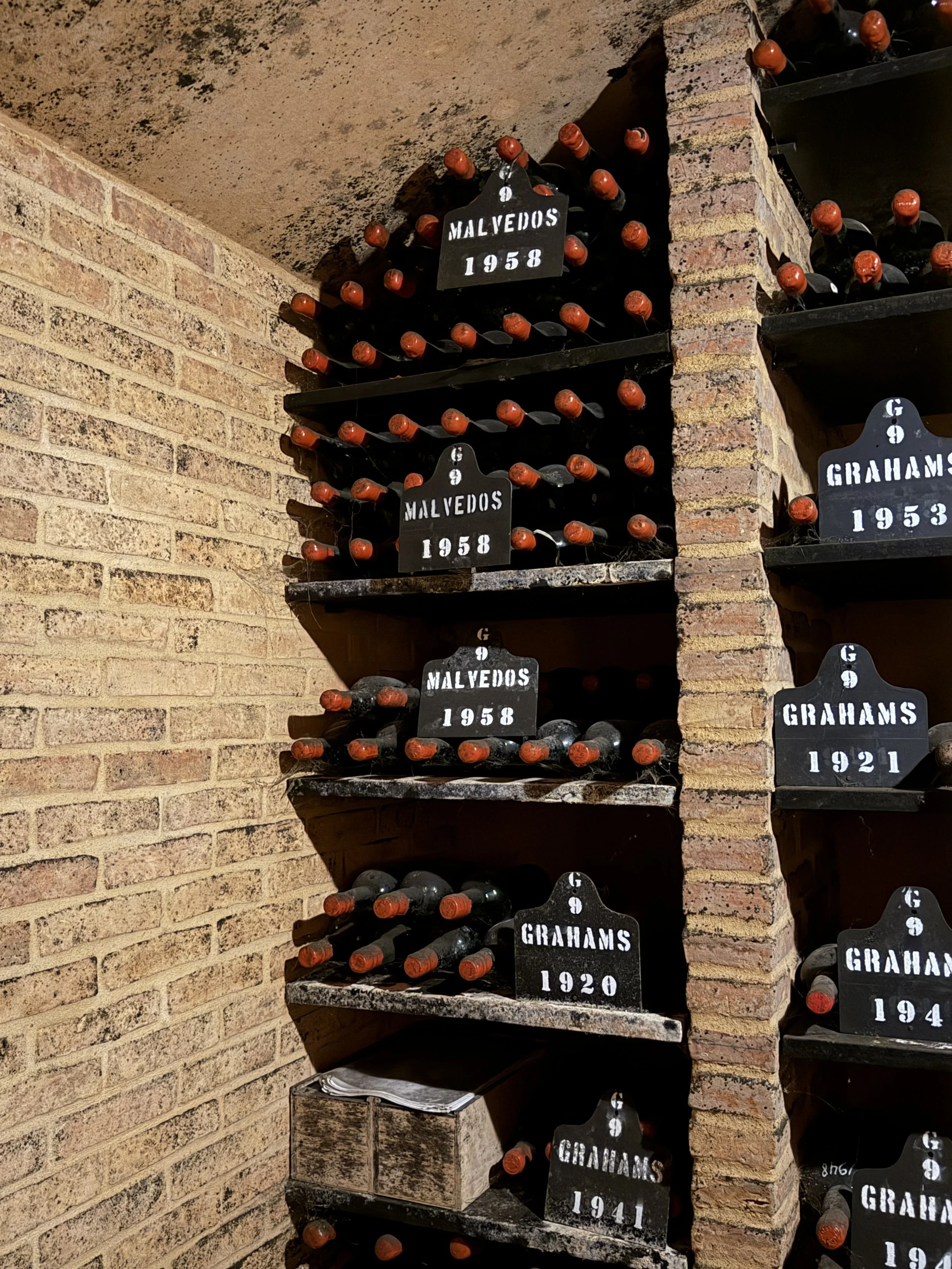
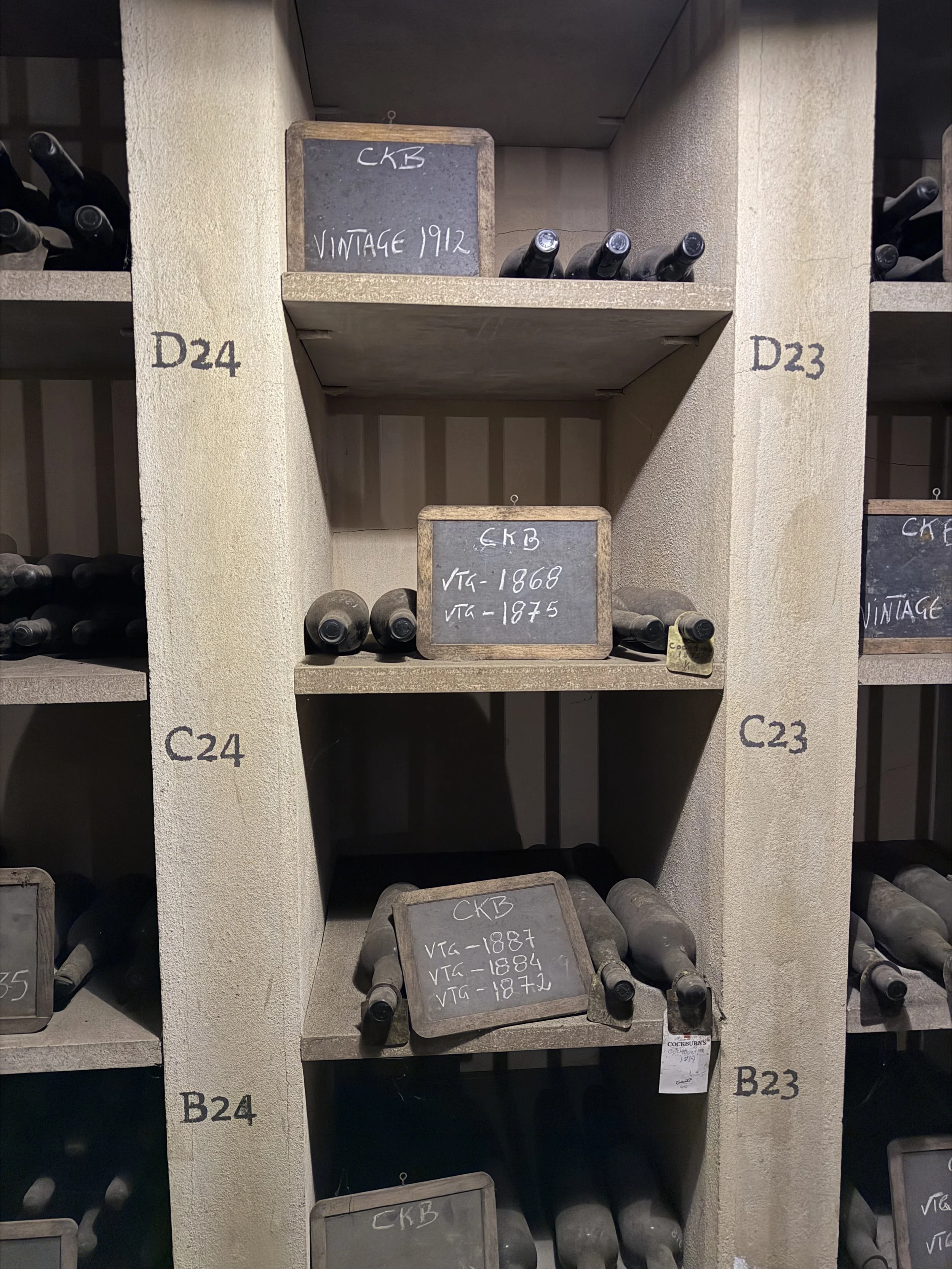
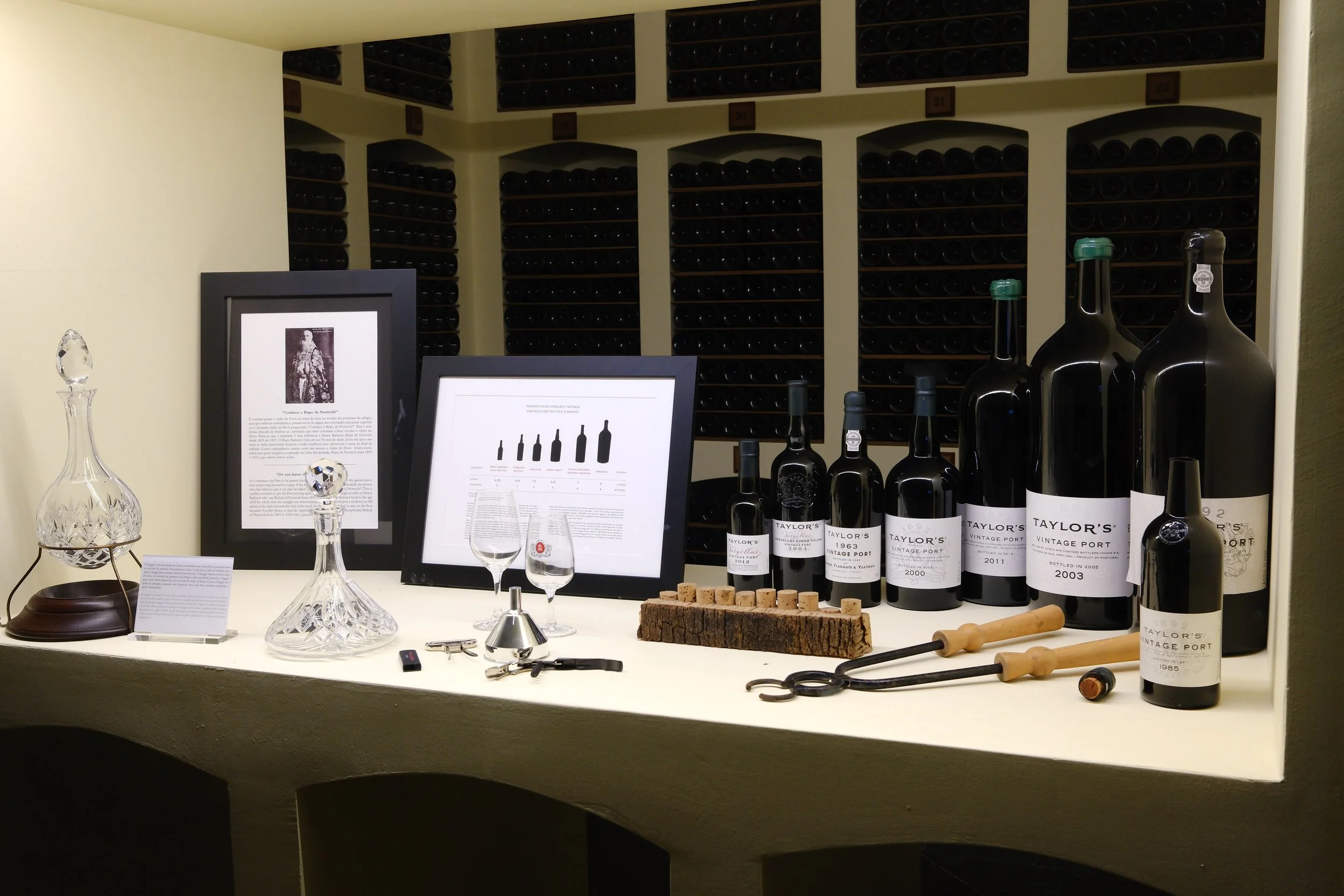
The one that stuck with me most is vintage port. It is challenging to find and cost prohibitive. Vintage is only declared in exceptional years, and the wines can age for decades in bottle. Every lodge I visited had a vintage cave, a temperature-controlled room where bottles from the best years sit quietly in the dark. Most of the guides I spoke with made the same point without coordinating it: if you were born in a declared vintage year, buying a bottle of your birth year port is not just a sentimental gesture. It is often a serious wine. I tasted a 1994 at Graham's during this trip and walked away trying to get a price on a 1963 for a colleague. I am still waiting on that quote…
The Douro Valley and Why It Matters
The Douro Valley is not just where port comes from. It is the oldest officially demarcated wine region in the world. In 1756, boundaries were set around the valley, and production rules were established. This predated the French appellation system by more than a century. The wine flowing out of those hills had already been moving to England for generations, underpinned by one of the oldest diplomatic alliances still active today. The Anglo-Portuguese Treaty of 13816 is still in force. Port wine has been doing the work of international relations for over 600 years
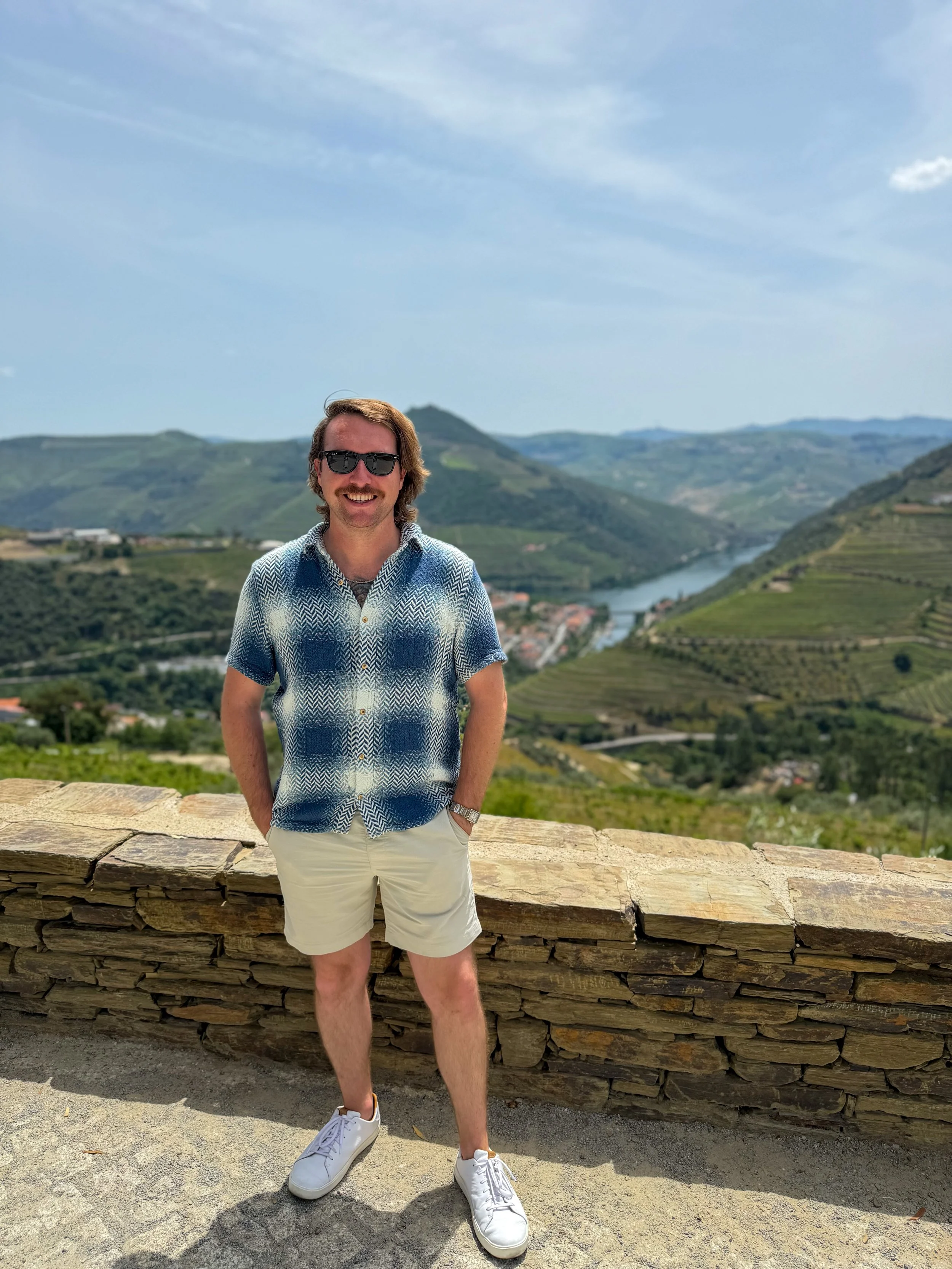
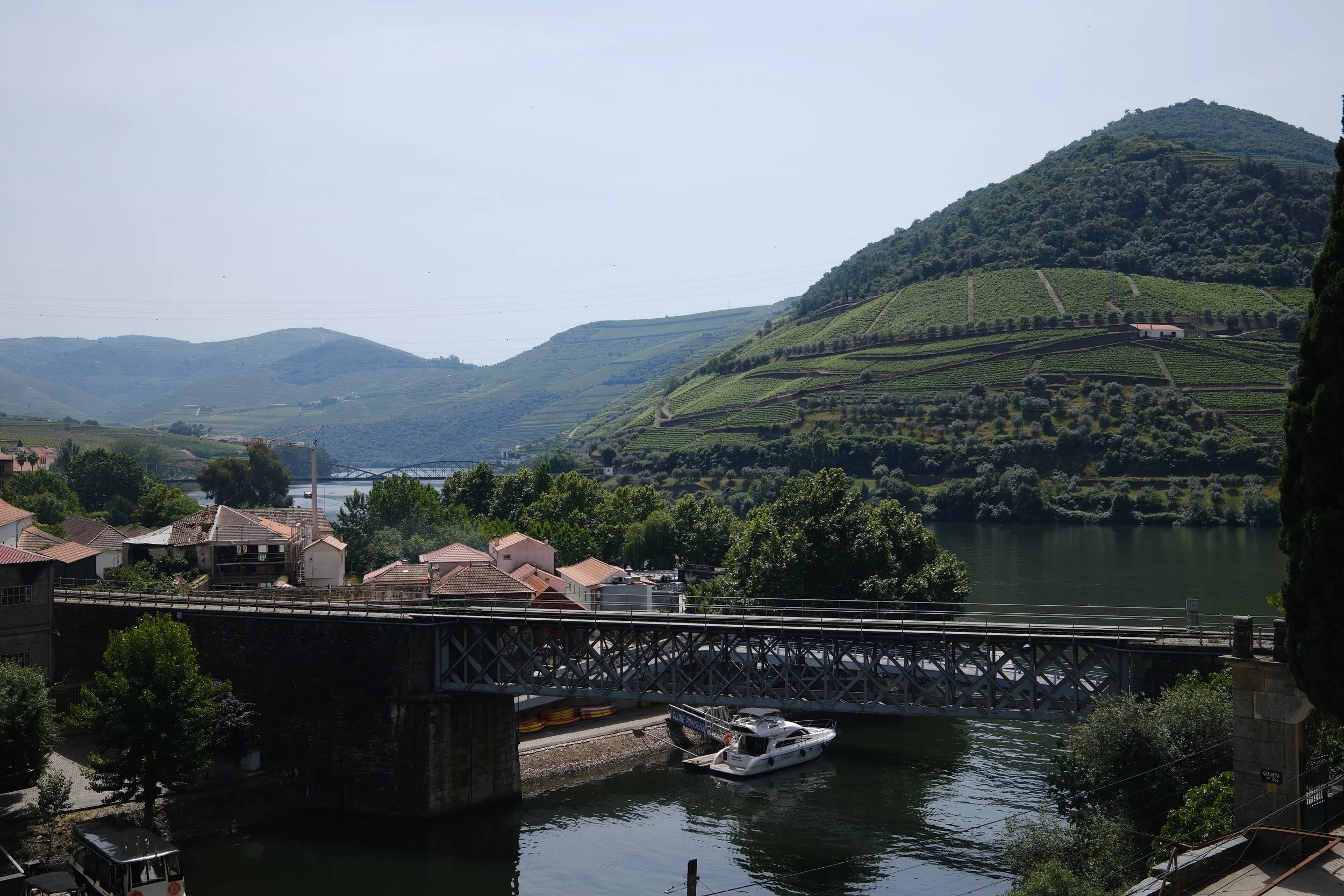
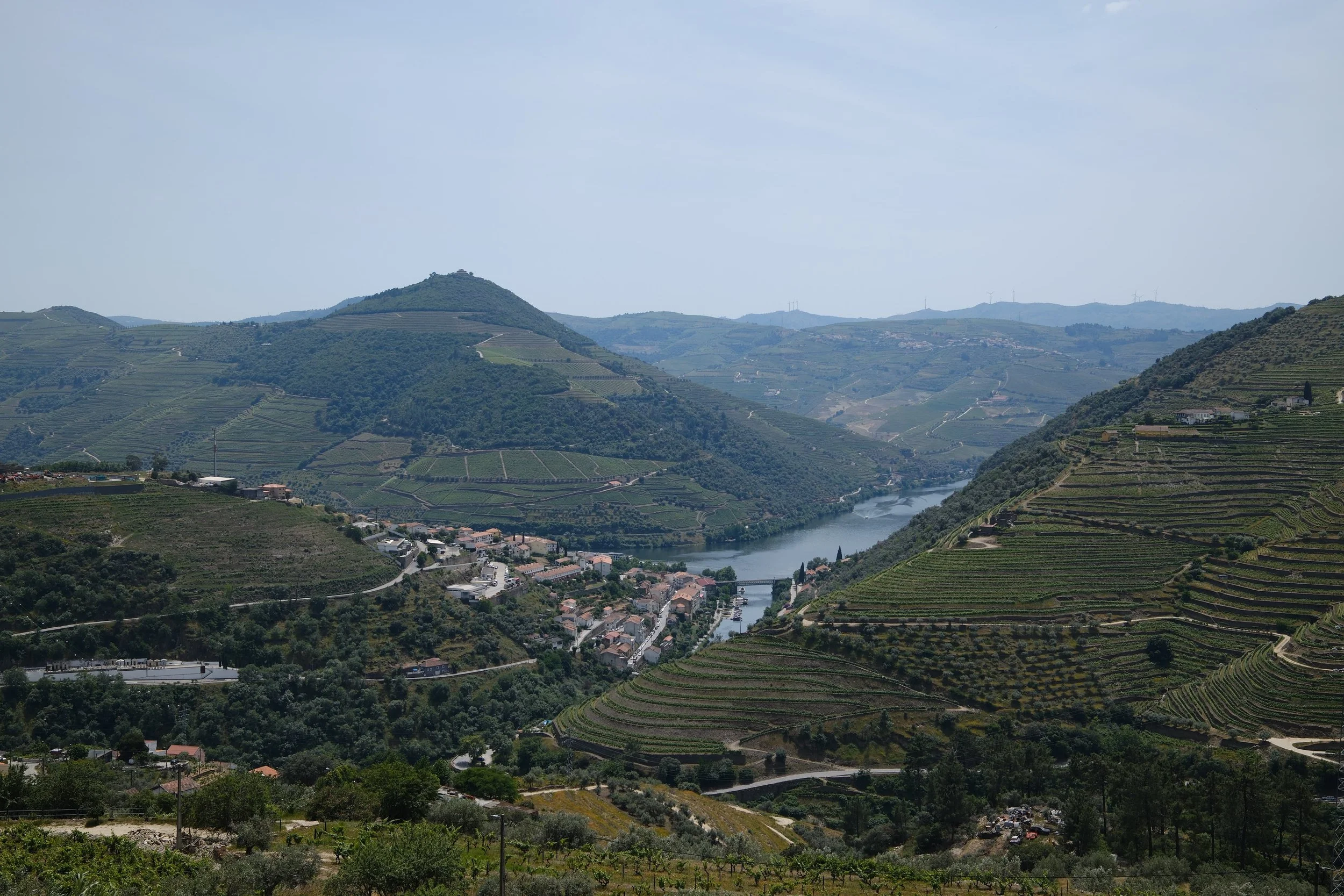
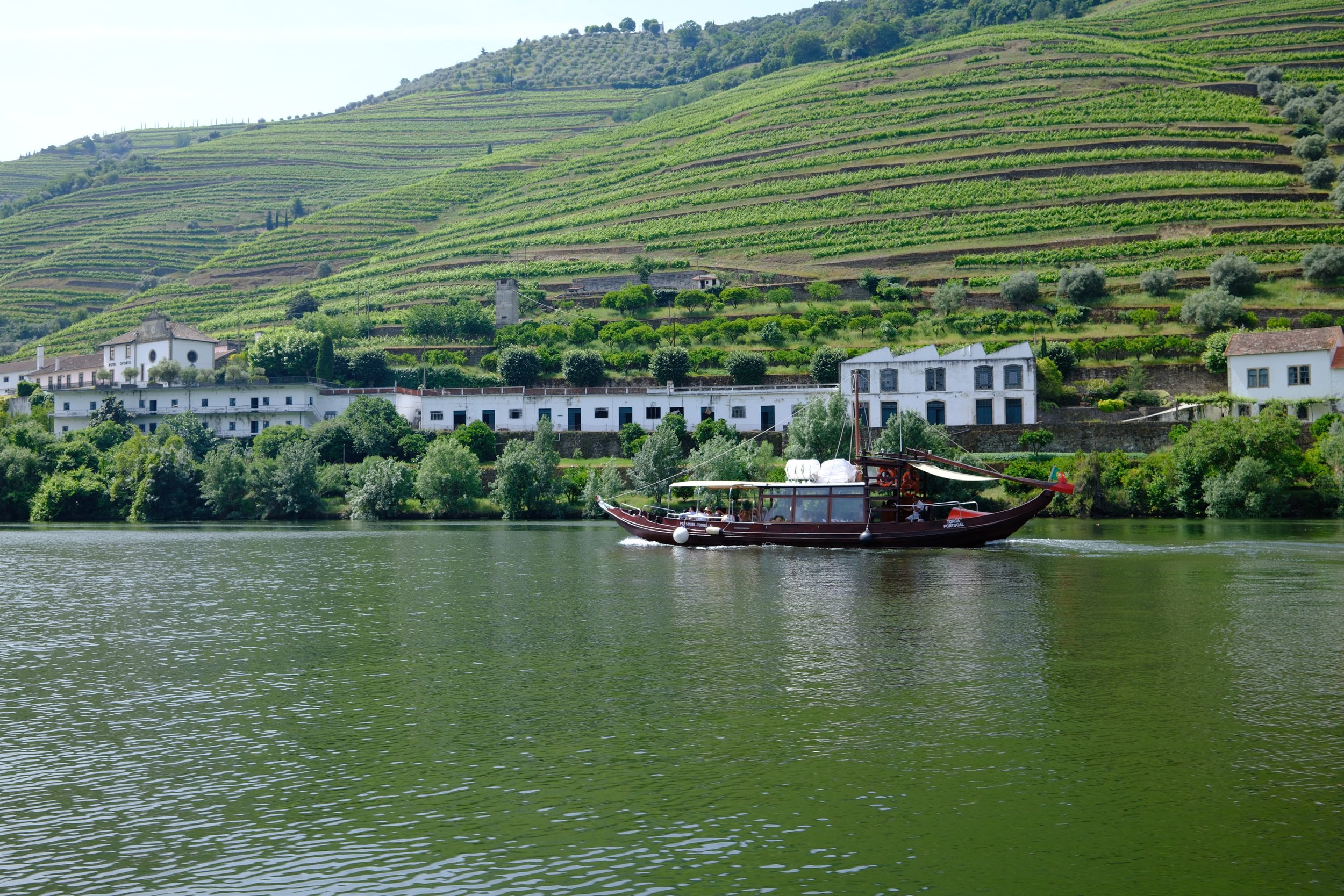
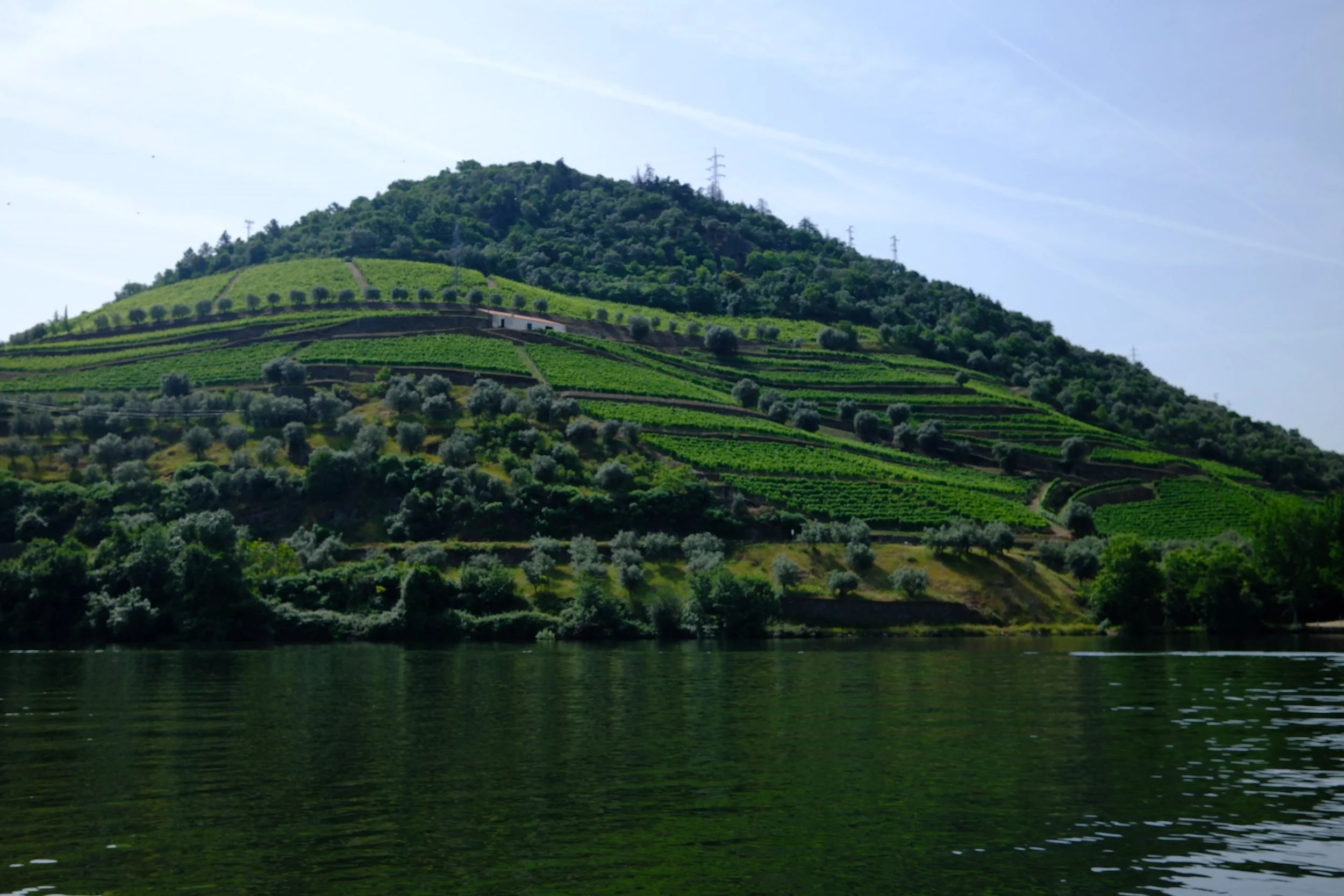
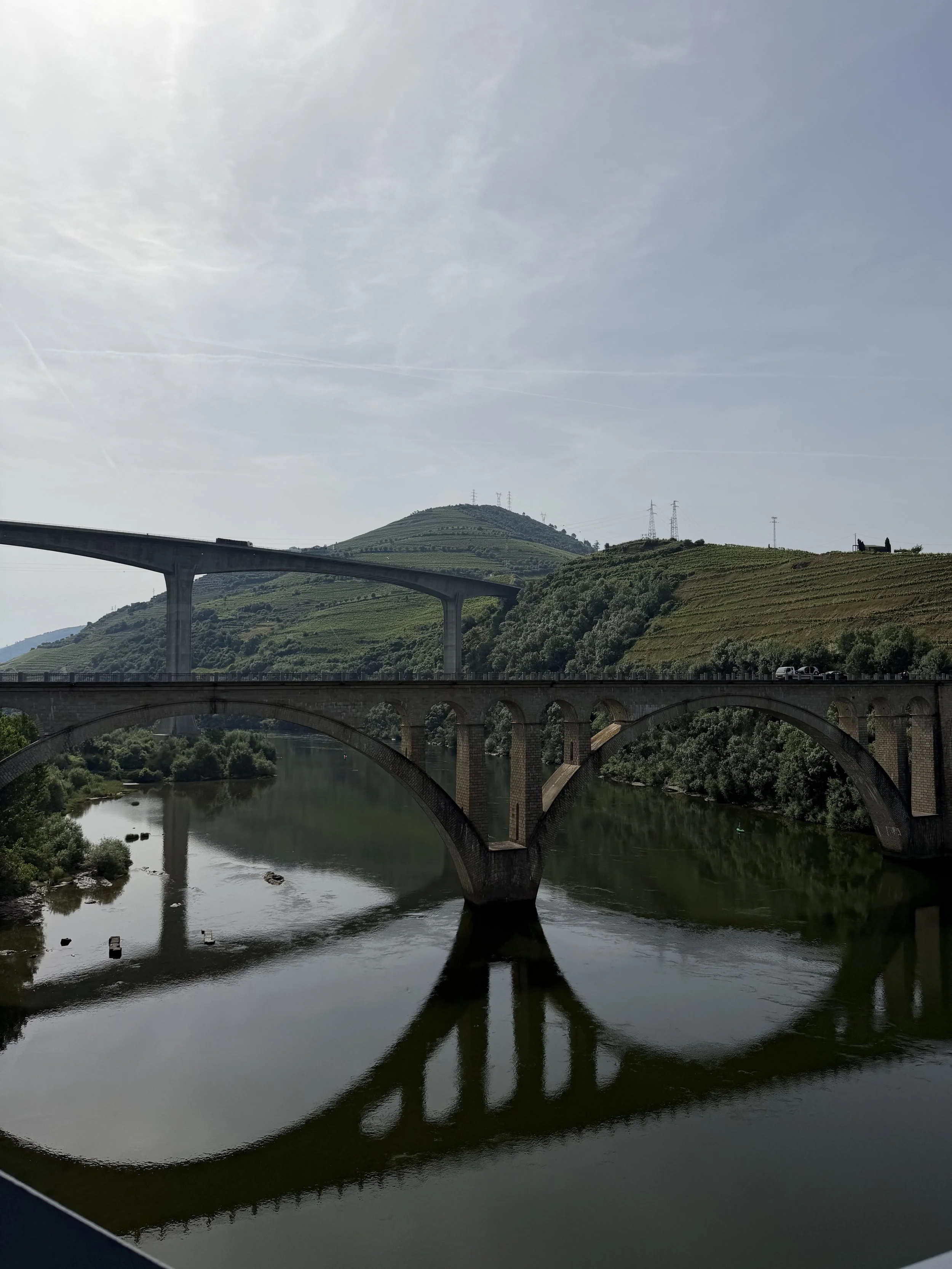
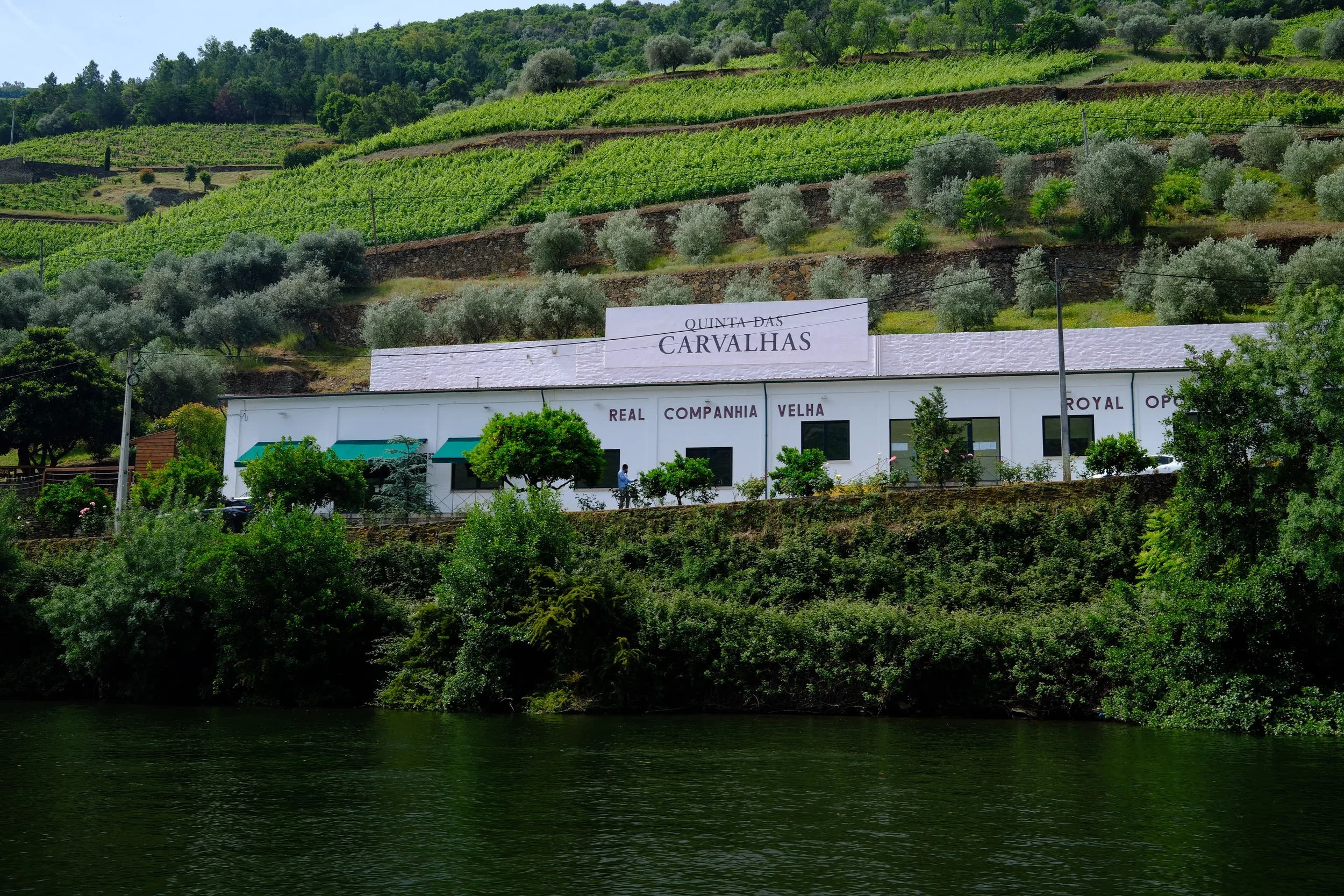
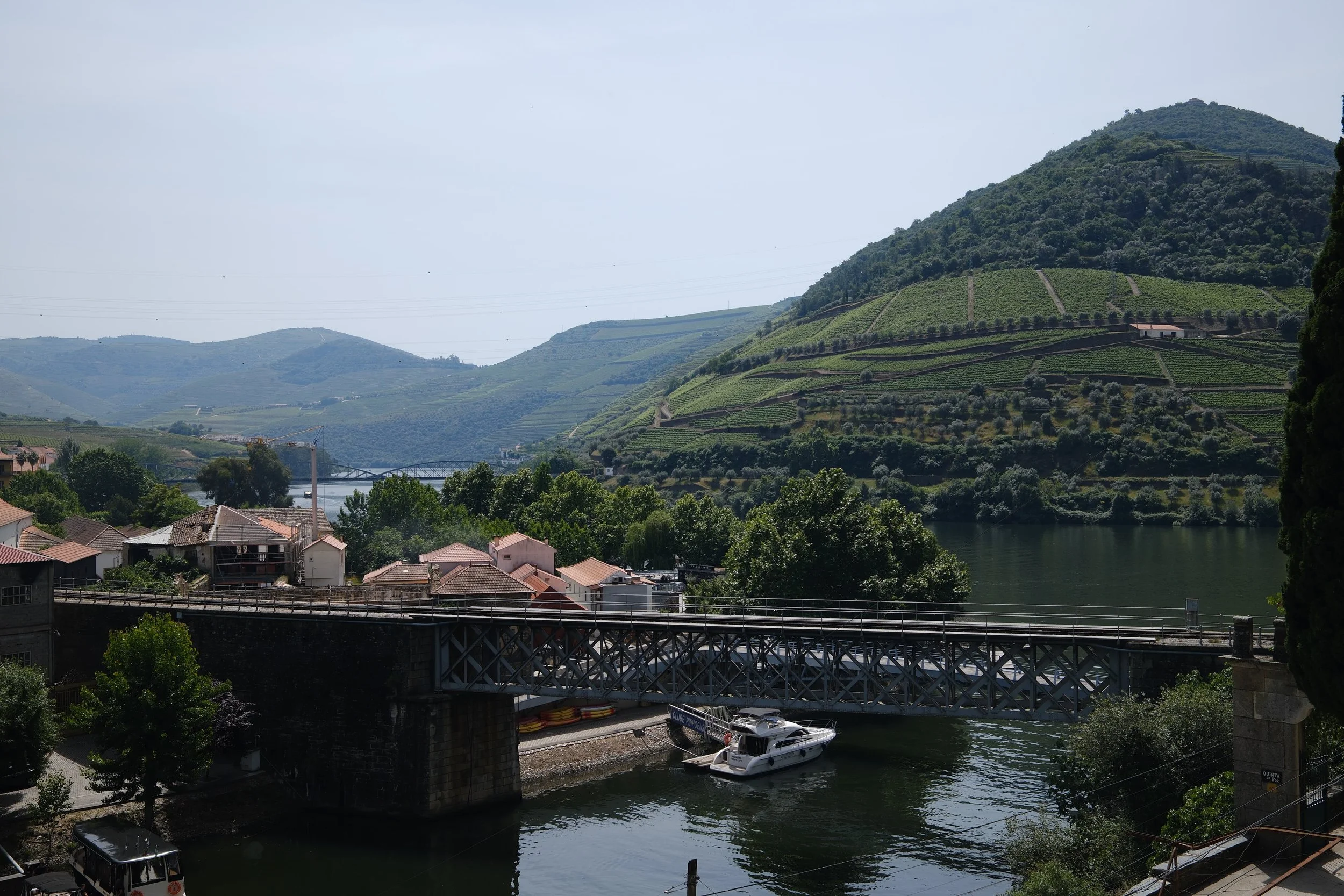
No visit to Porto is complete without at least one day in the valley. We drove out to Pinhão, a small town about 100 kilometers (60 freedom units) upriver that sits at the center of the Douro's most prized growing zones. The drive alone is worth the trip, but be careful if you’re susceptible to becoming car sick or afraid on heights. We took a short river cruise through the valley, which I would strongly recommend as a way to get the scale of the place in your body rather than just on a map.
We also visited Quinta do Foz while we were out there, which gets its own entry below.
The Lodge Guide
Eleven houses. Honest notes and highlights from each.
Sandeman
Best overall. Start here if you can only do one.
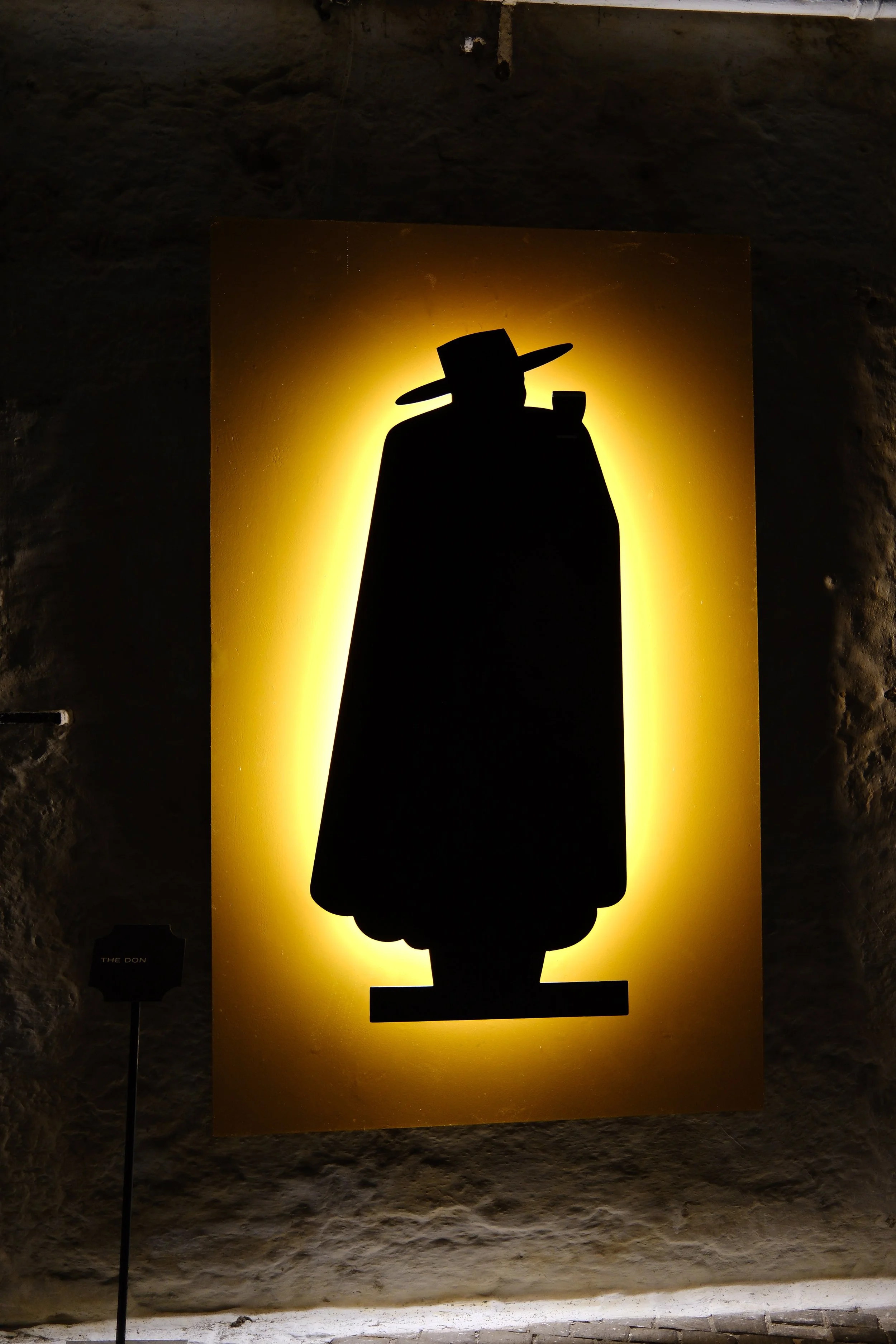
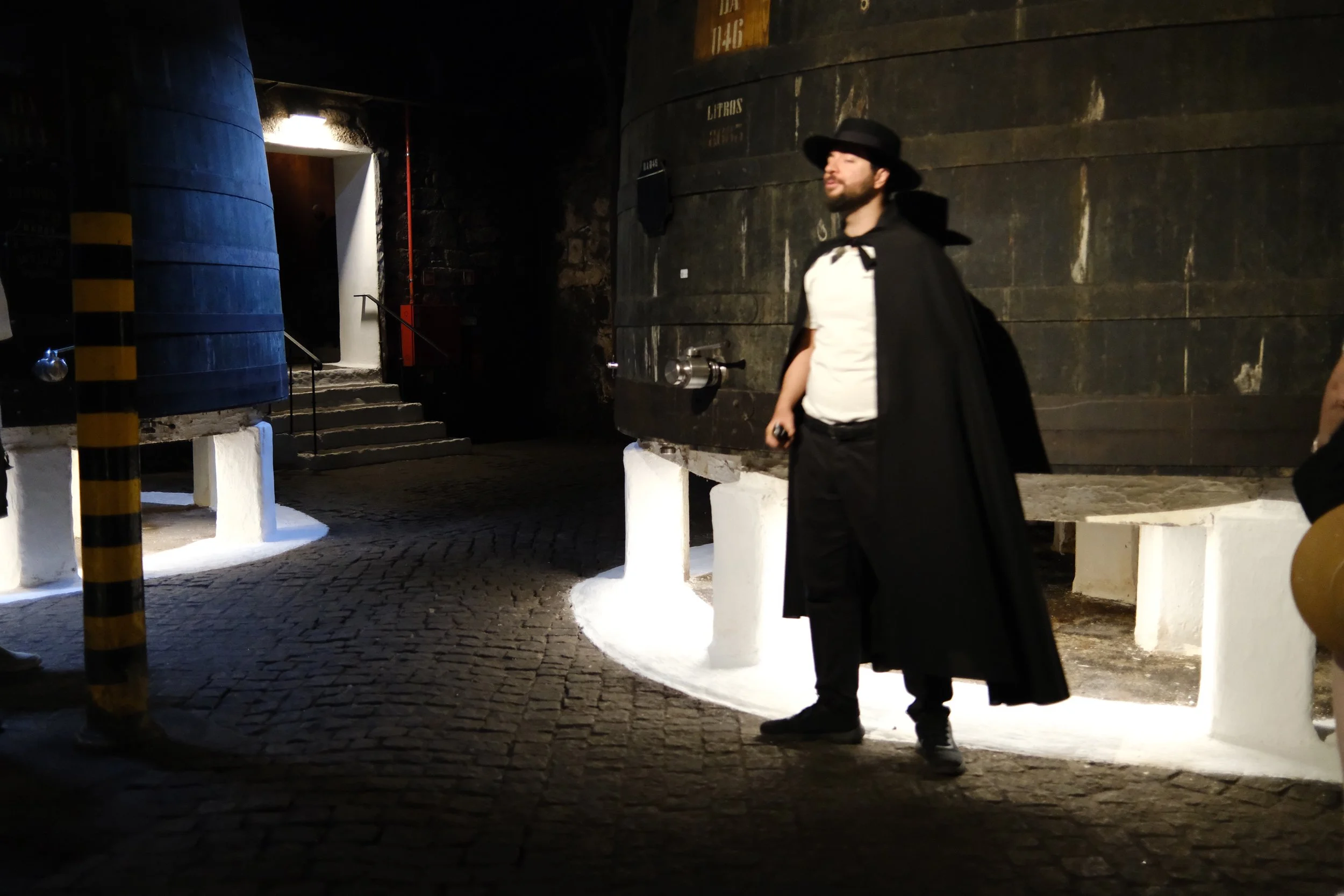
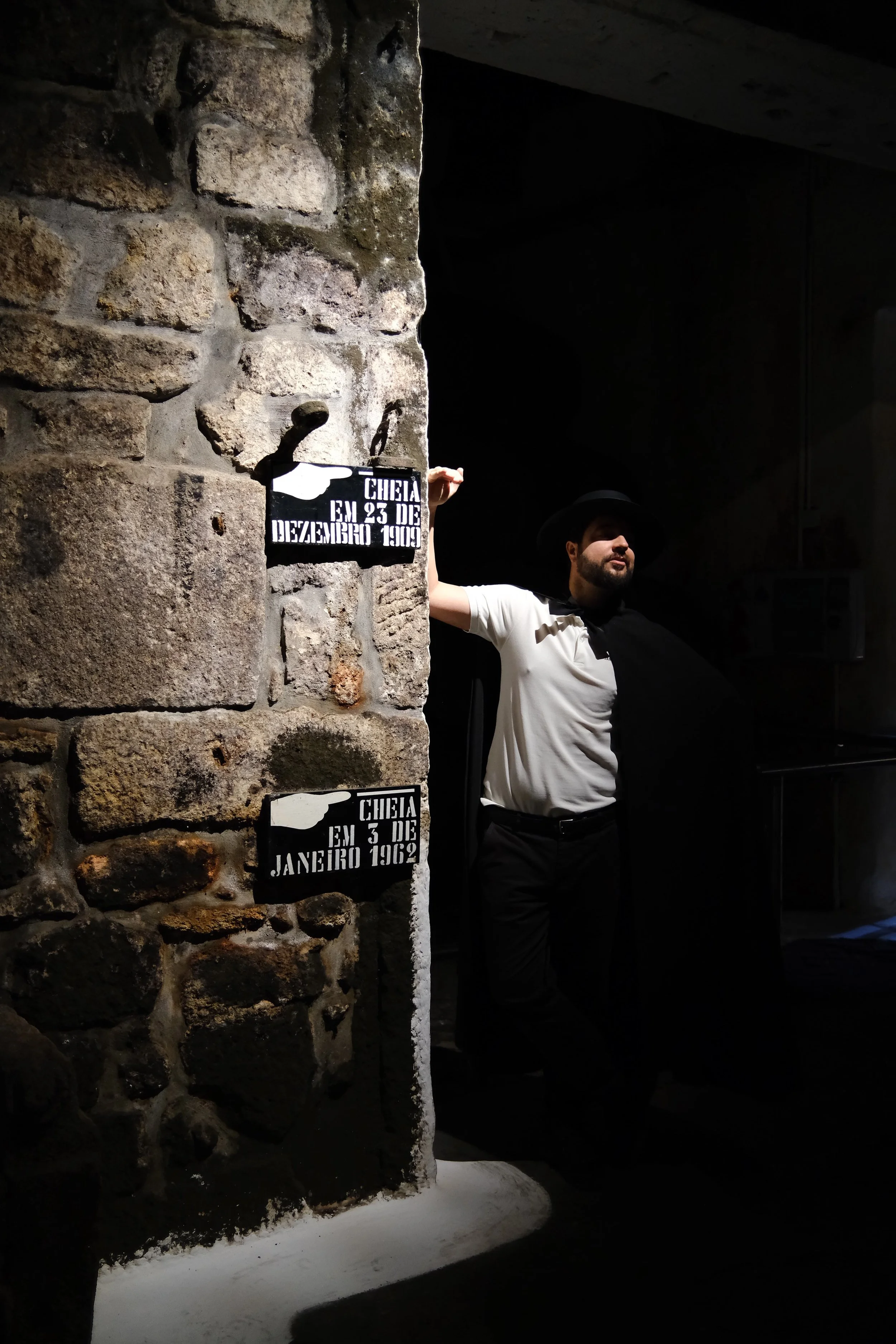
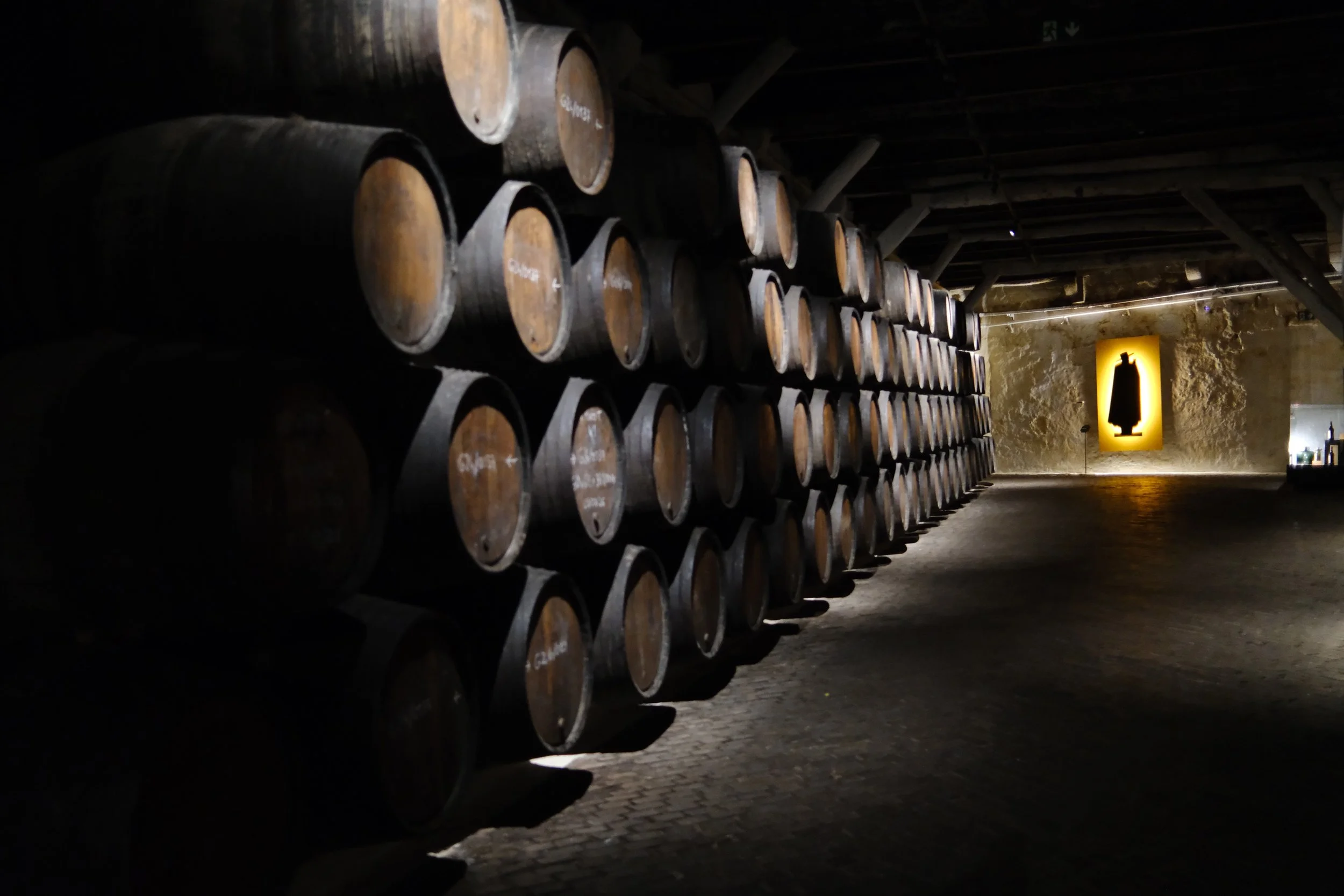
The tour guide arrived wearing a hat and a cape, and that tells you more about Sandeman than anything I could write. The house's iconic logo, a cloaked silhouette in a Portuguese student's cape and a Spanish caballero's hat, was the first branded image in the port wine industry.
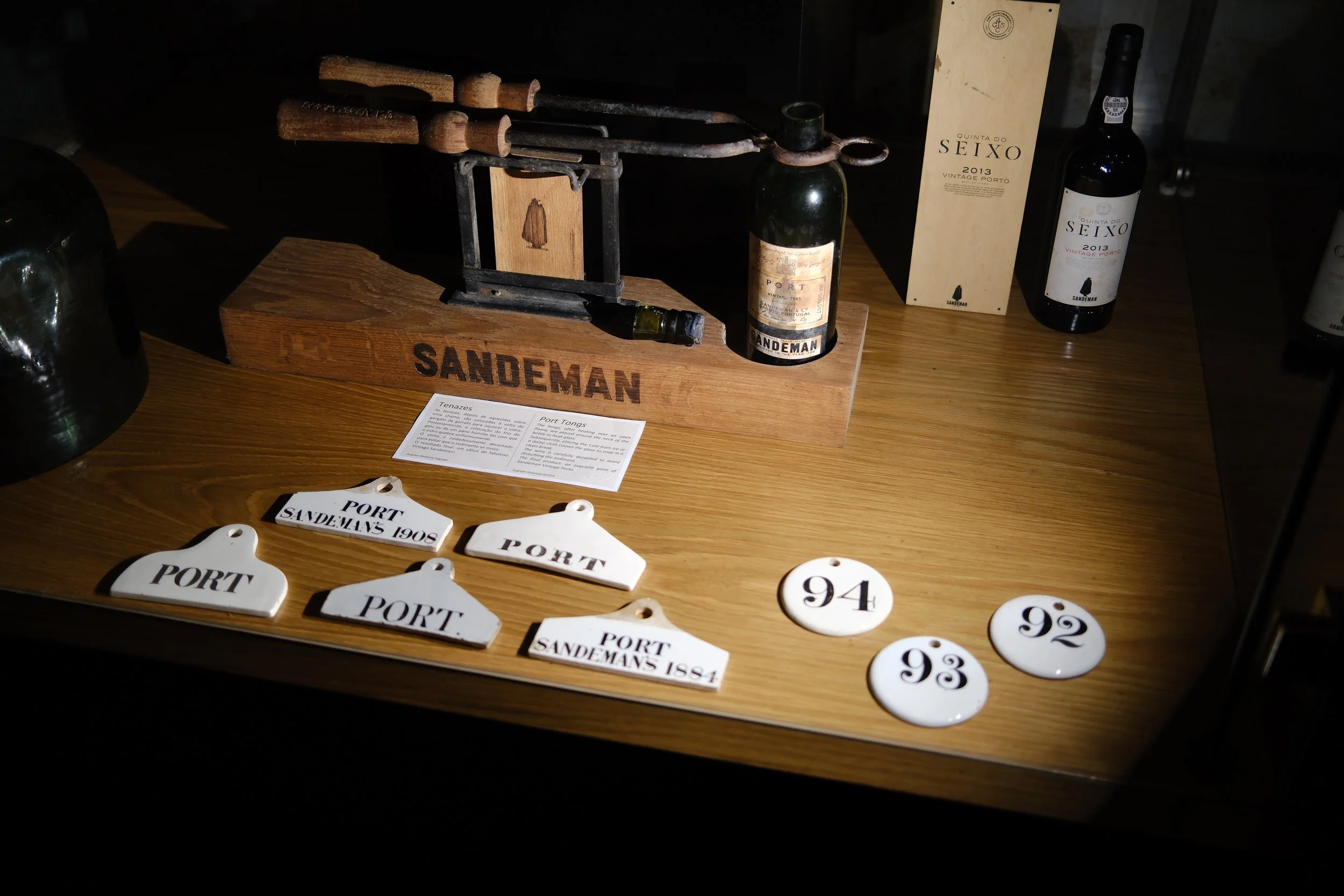
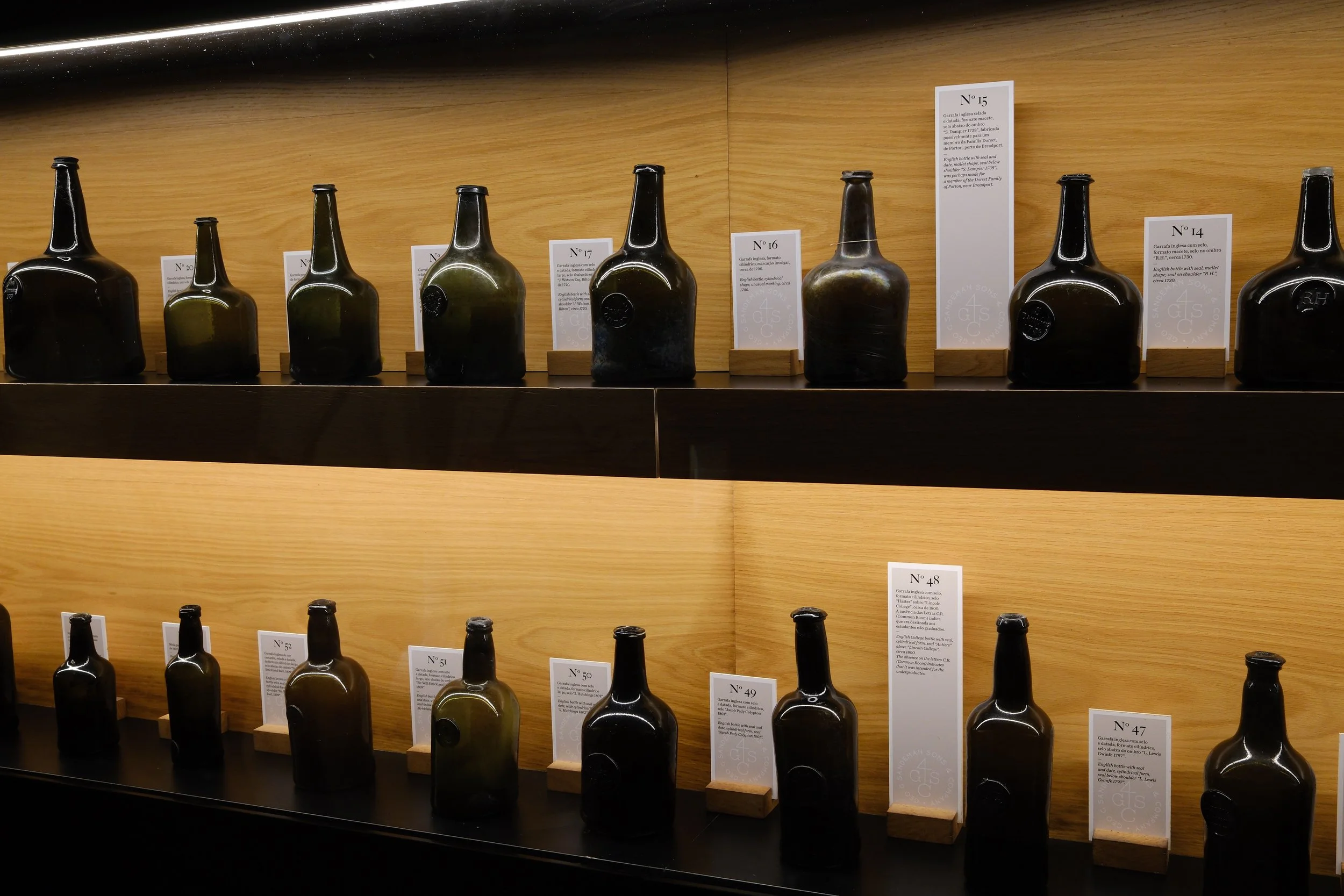
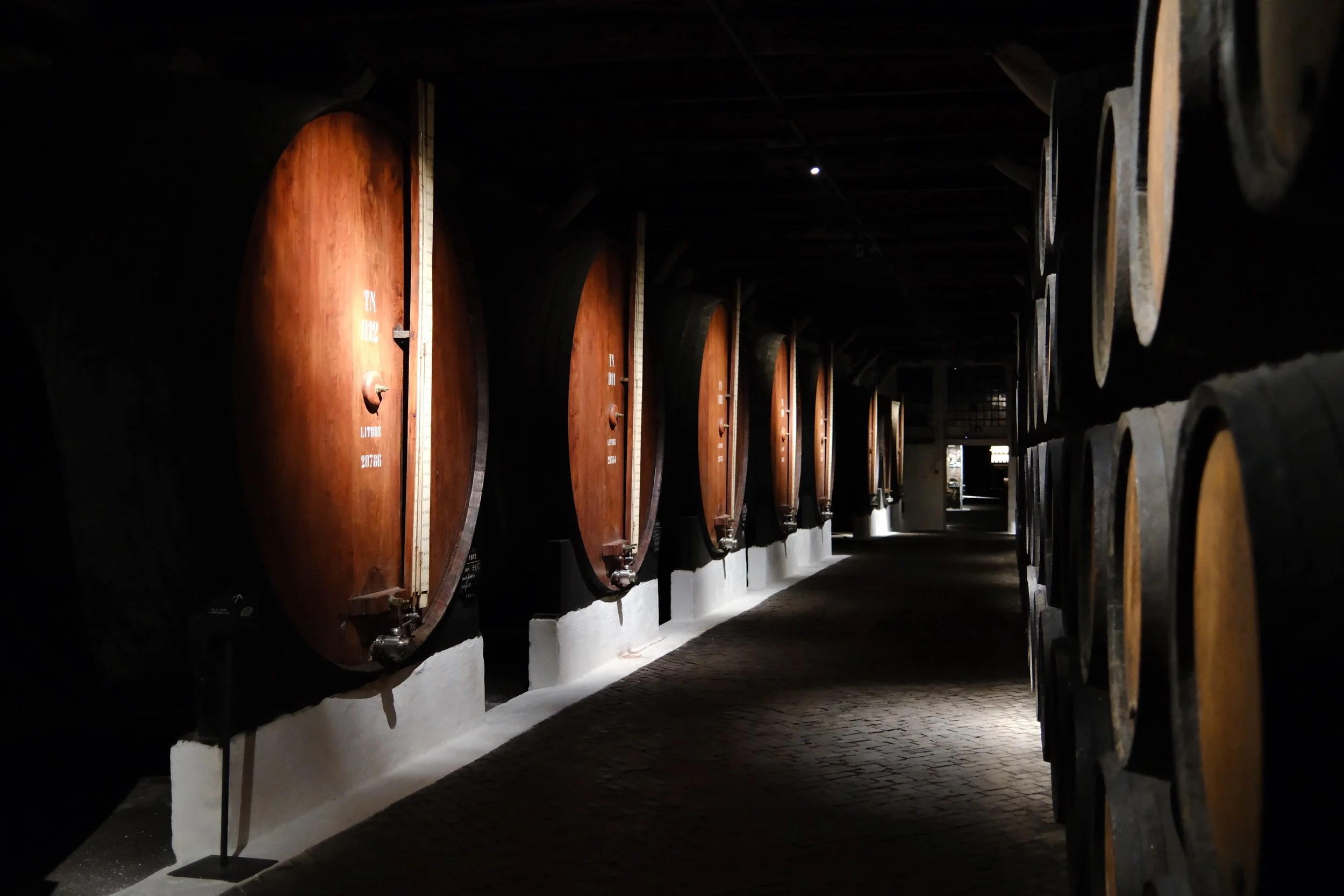
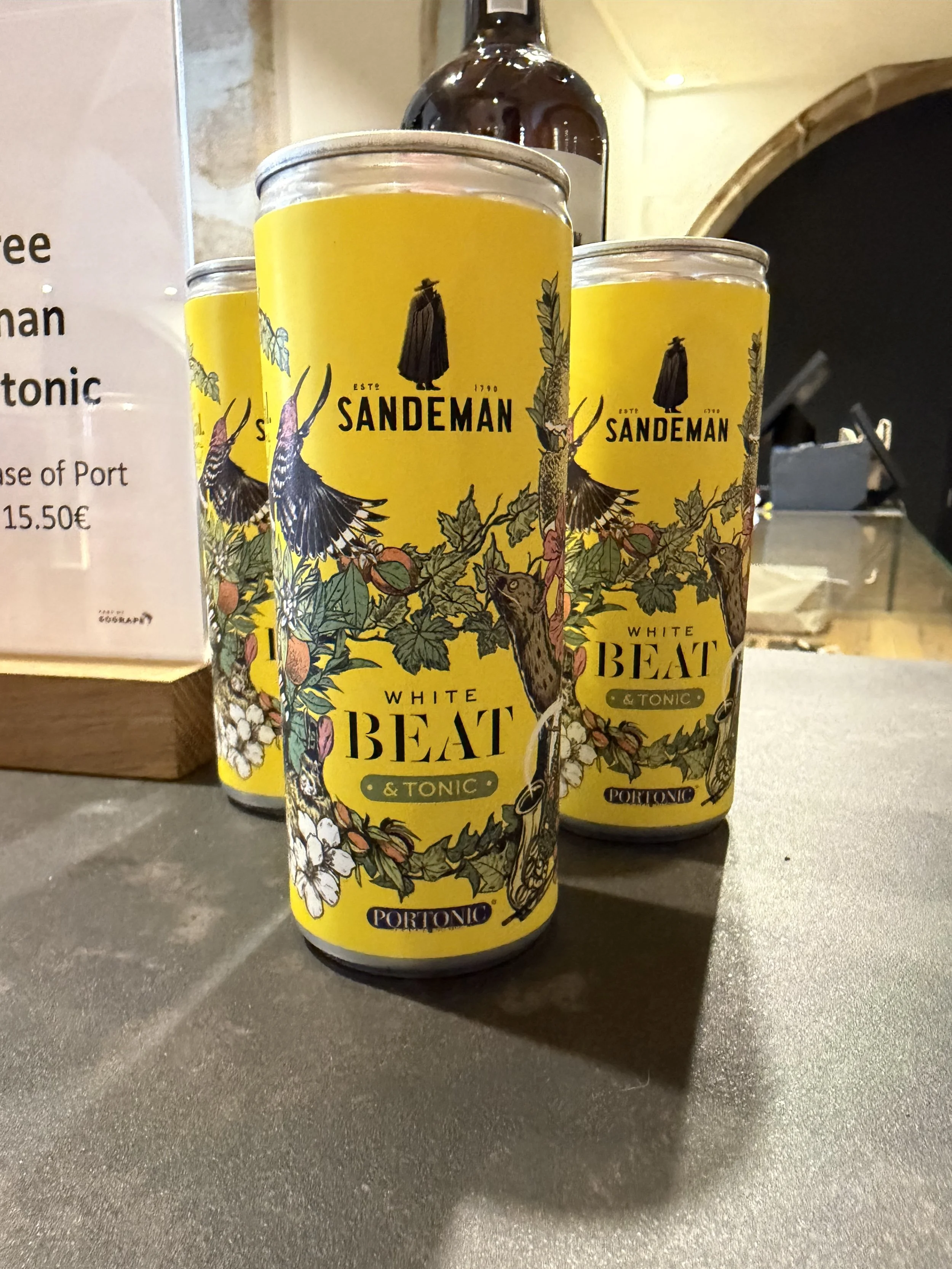
The tour hits the storehouse, the vintage cave, and a short film on Douro production that gives useful context for everything else you will see in Gaia. It is centrally located on the waterfront. The Colheita ports on the tasting menu, and even the shop, are affordably priced and worth working through. A terrace is open to anyone regardless of whether you booked a tour. They also make excellent sherry and, if you are curious, a canned port spritz. I will leave the judgment call on that one to you.
Ferreira
Best for local heritage. A strong second choice.
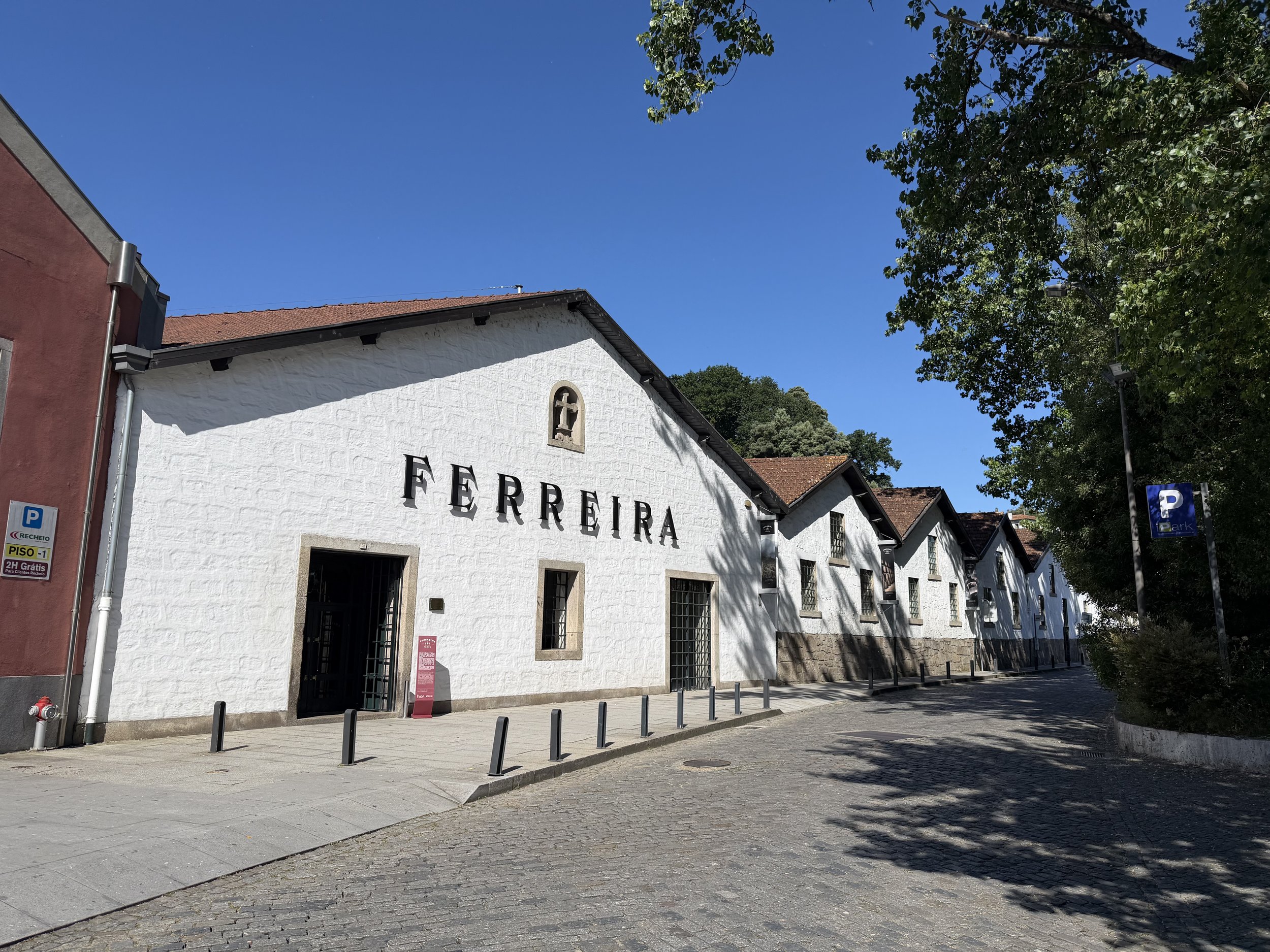
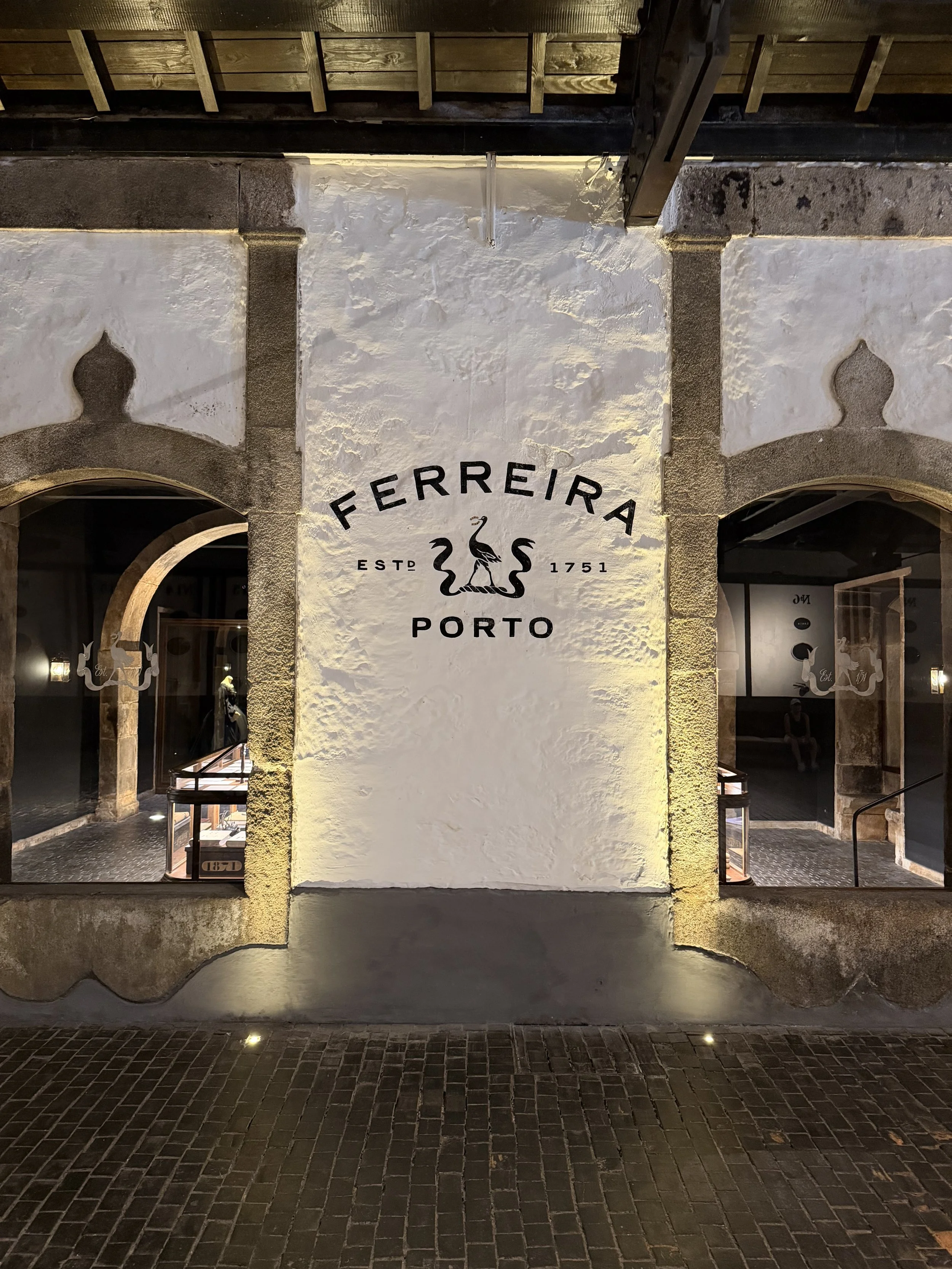
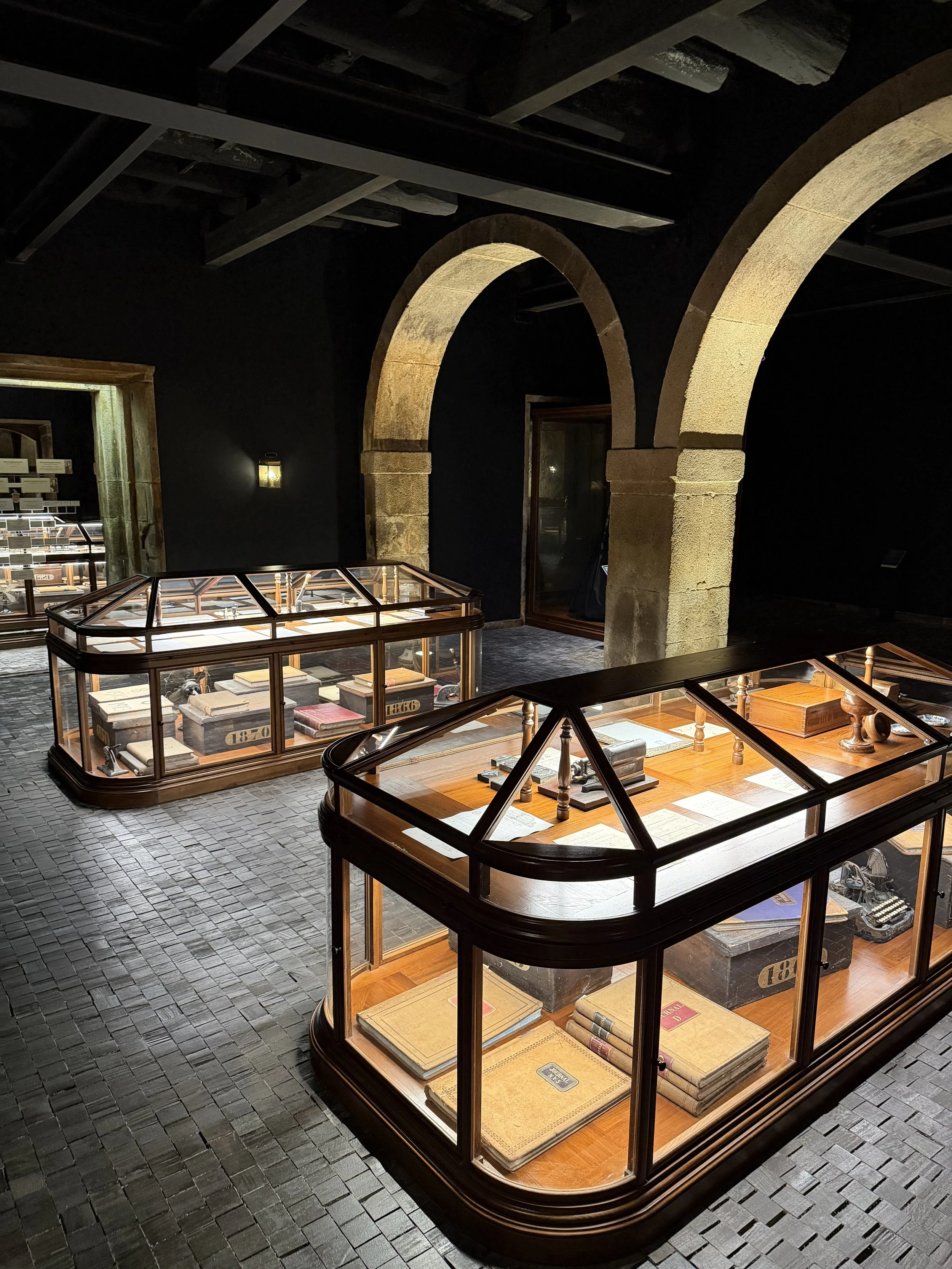
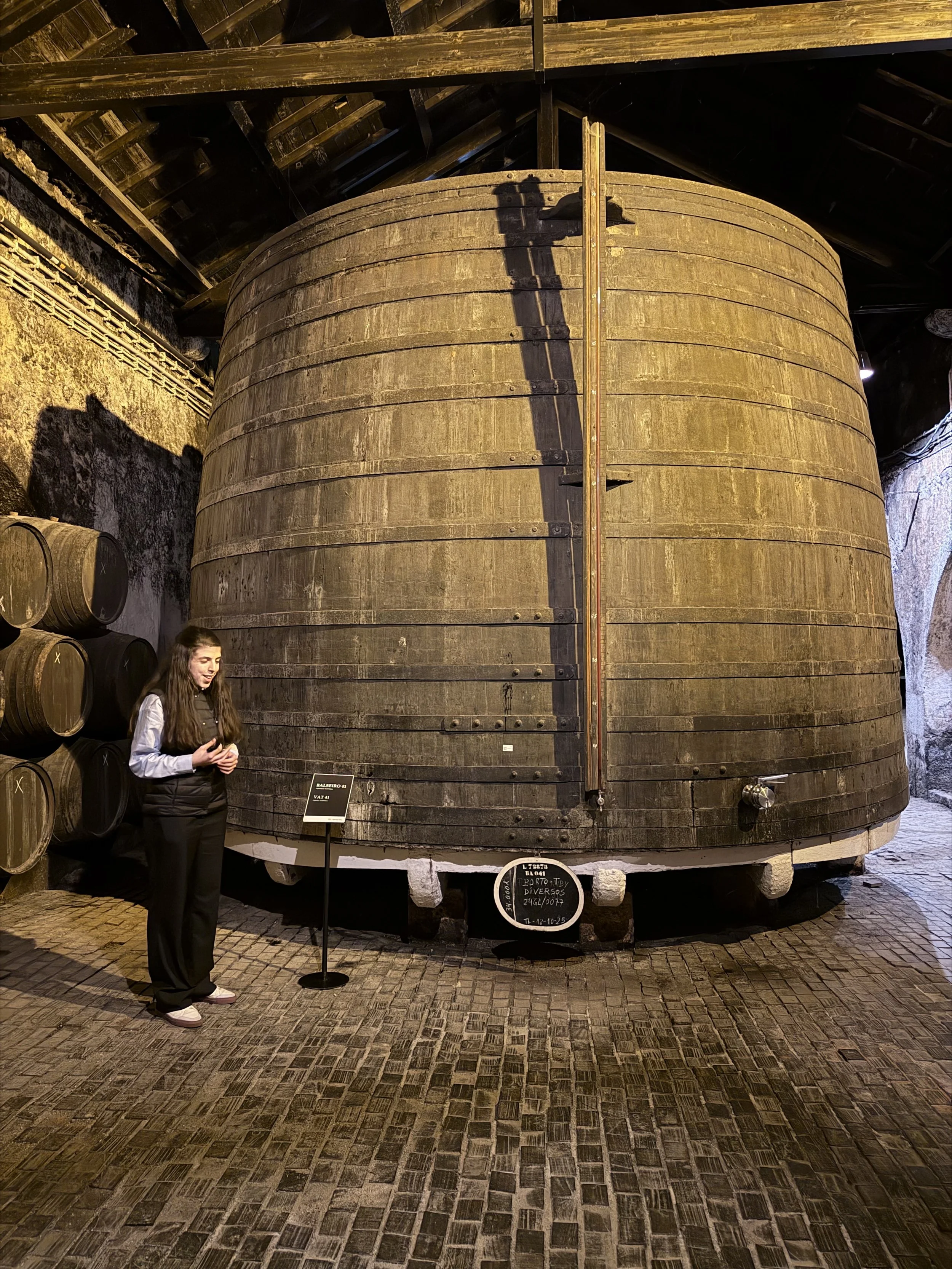
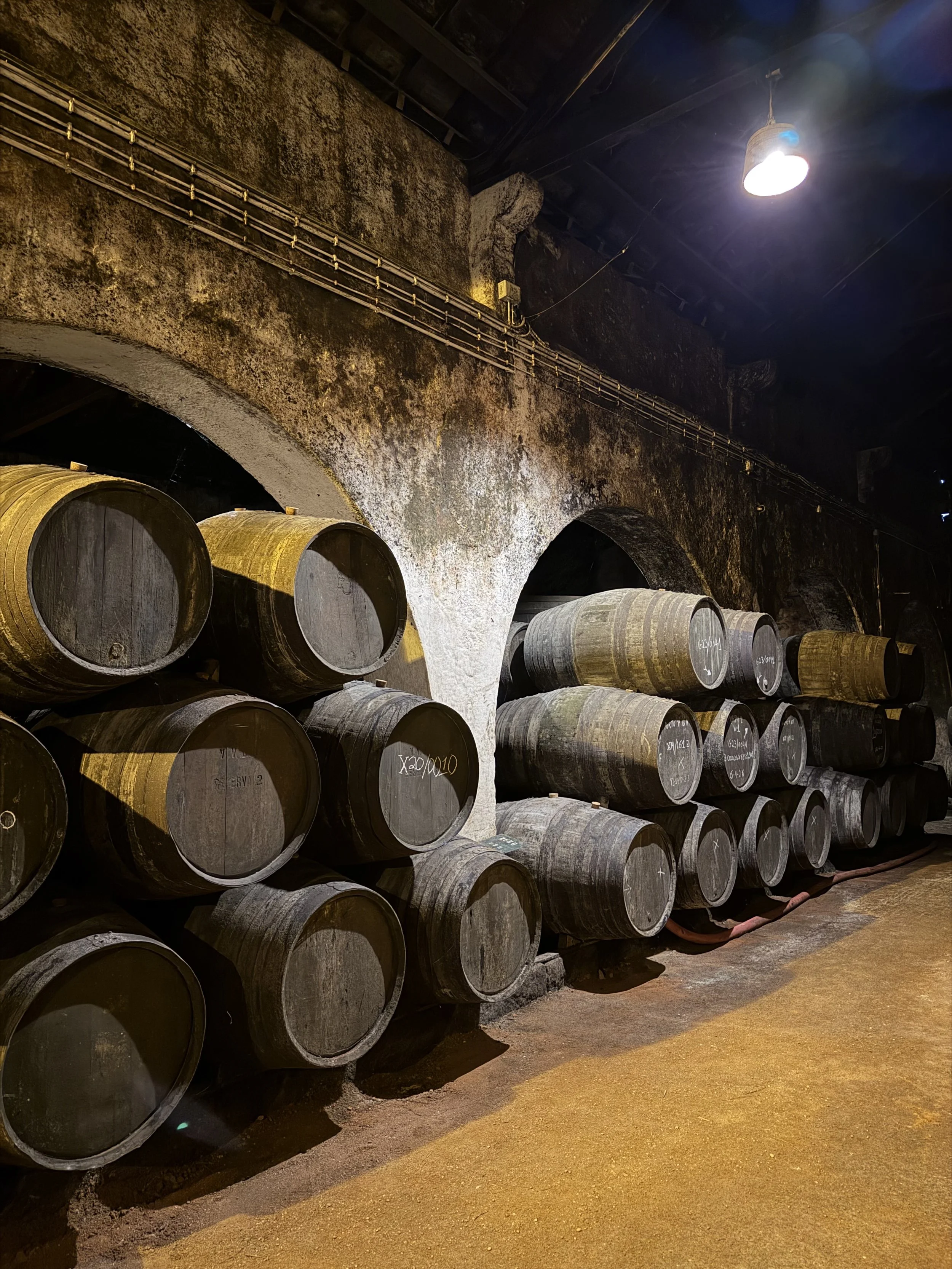
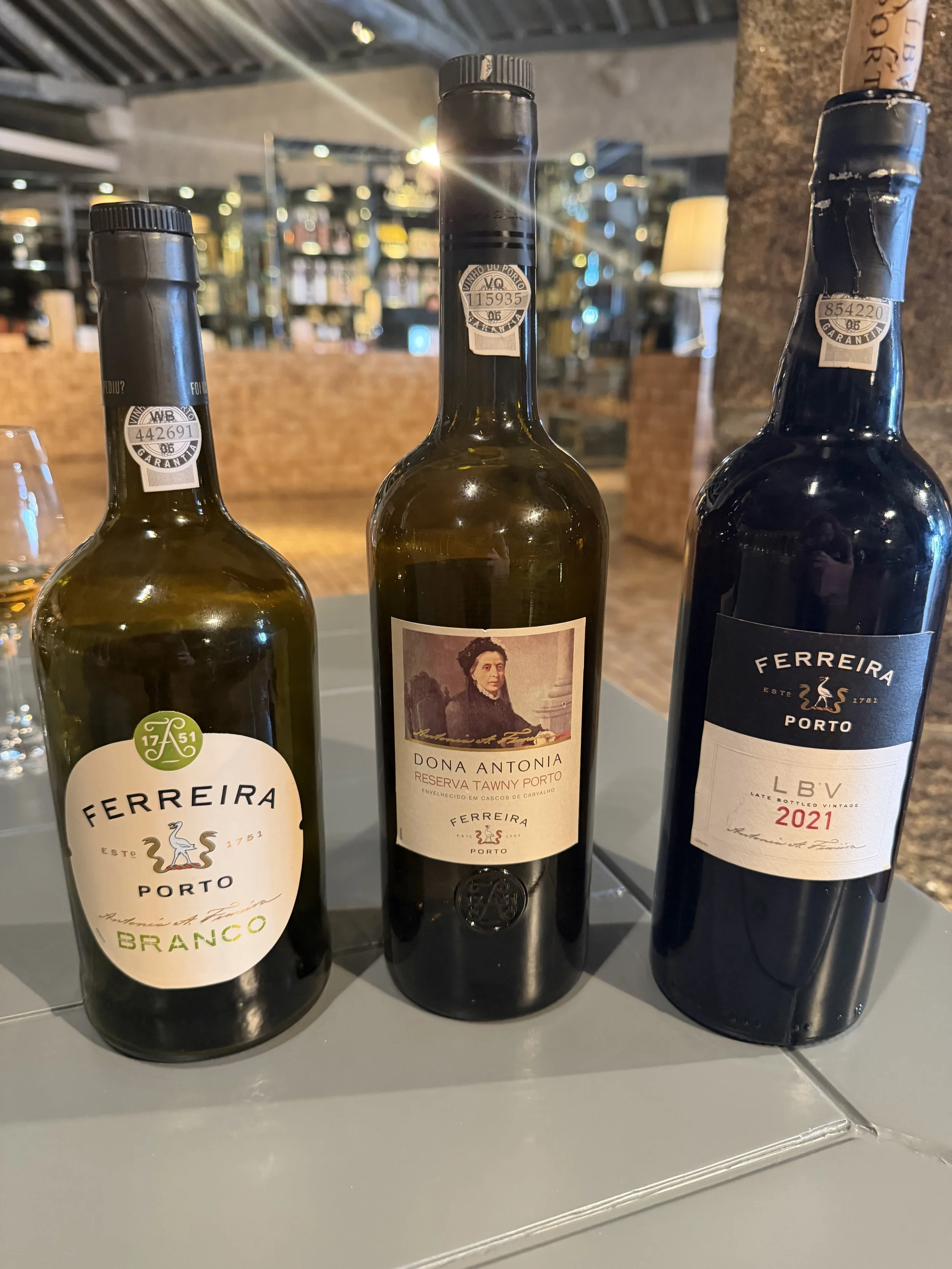
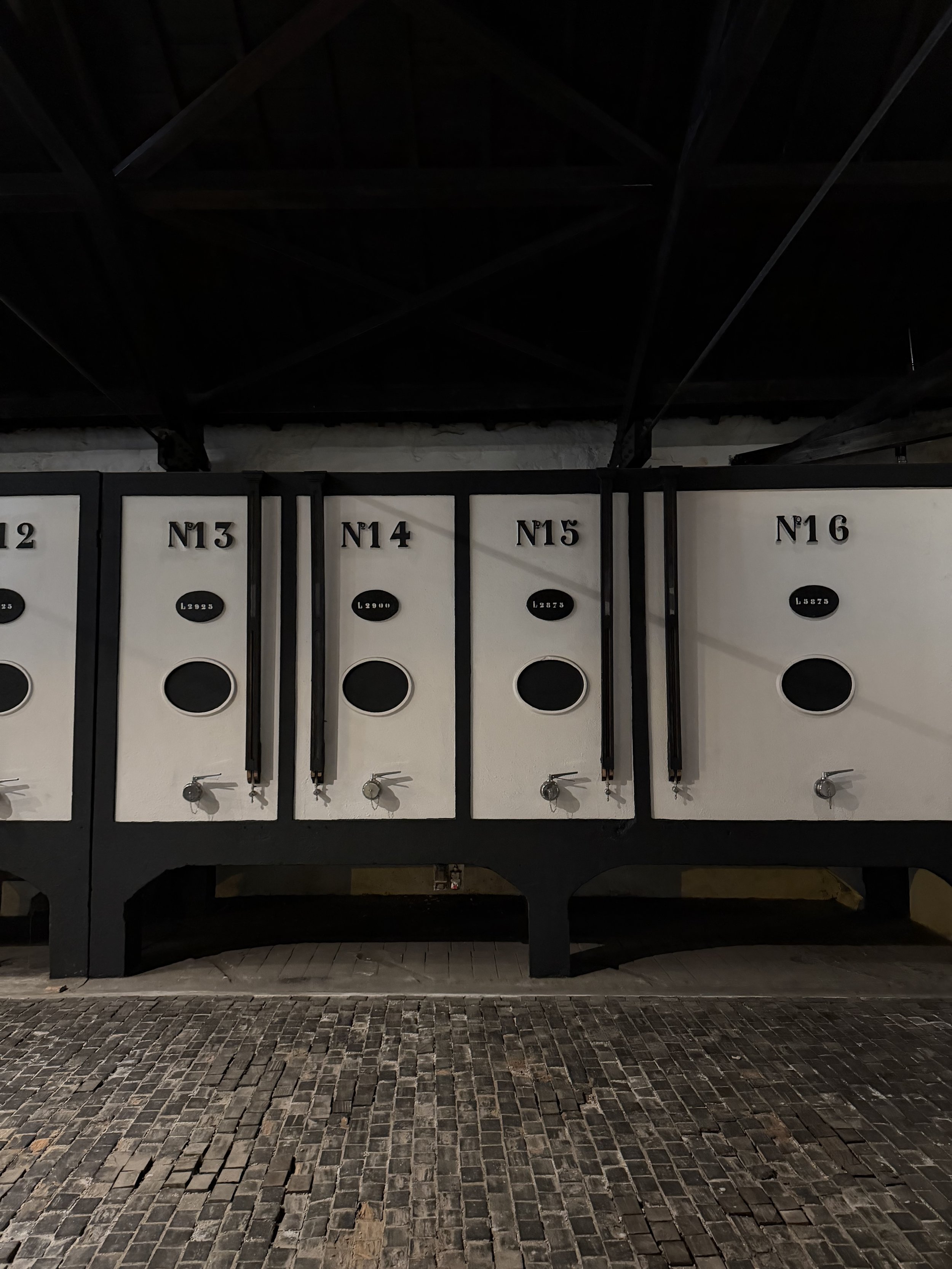
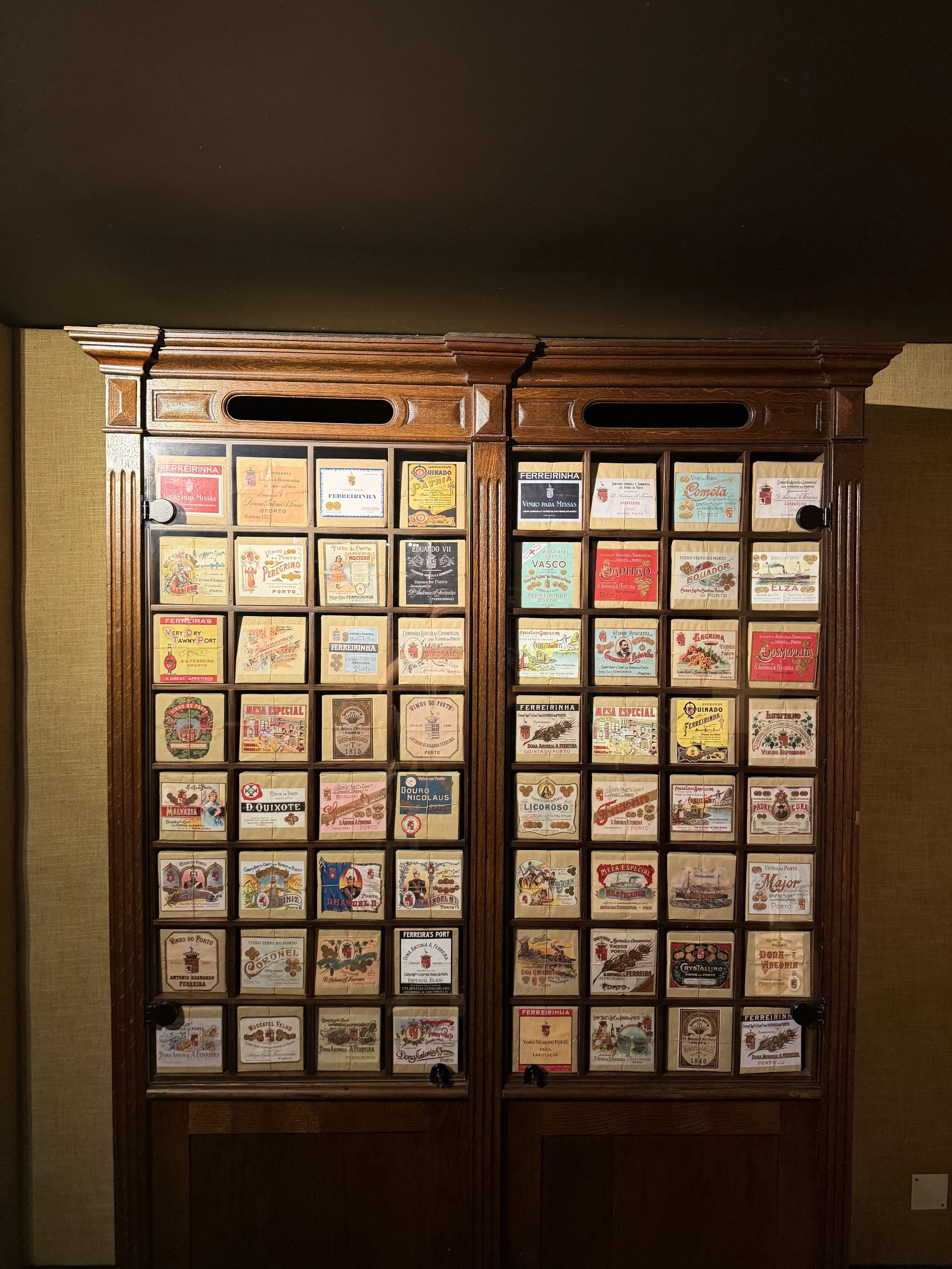
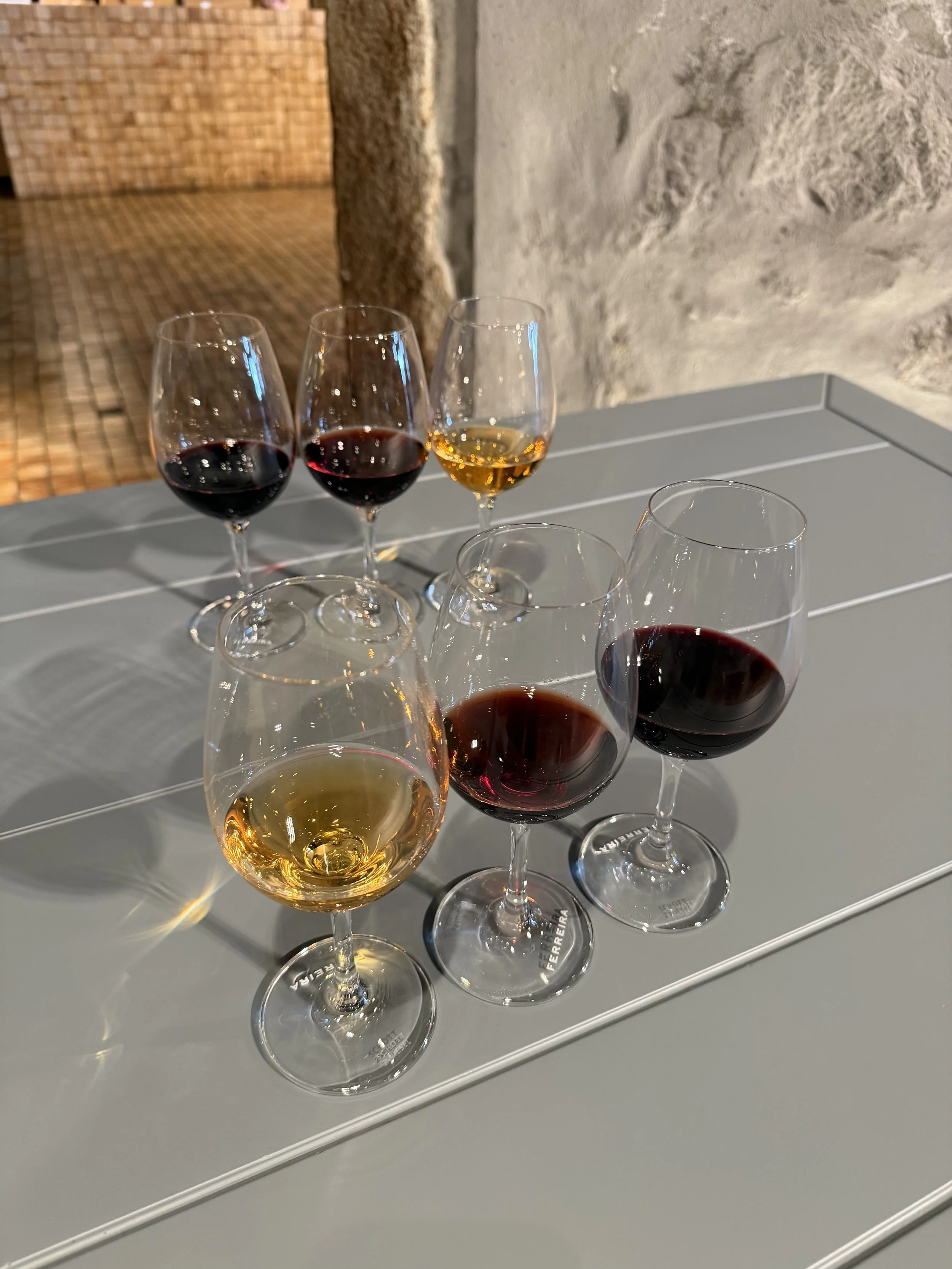
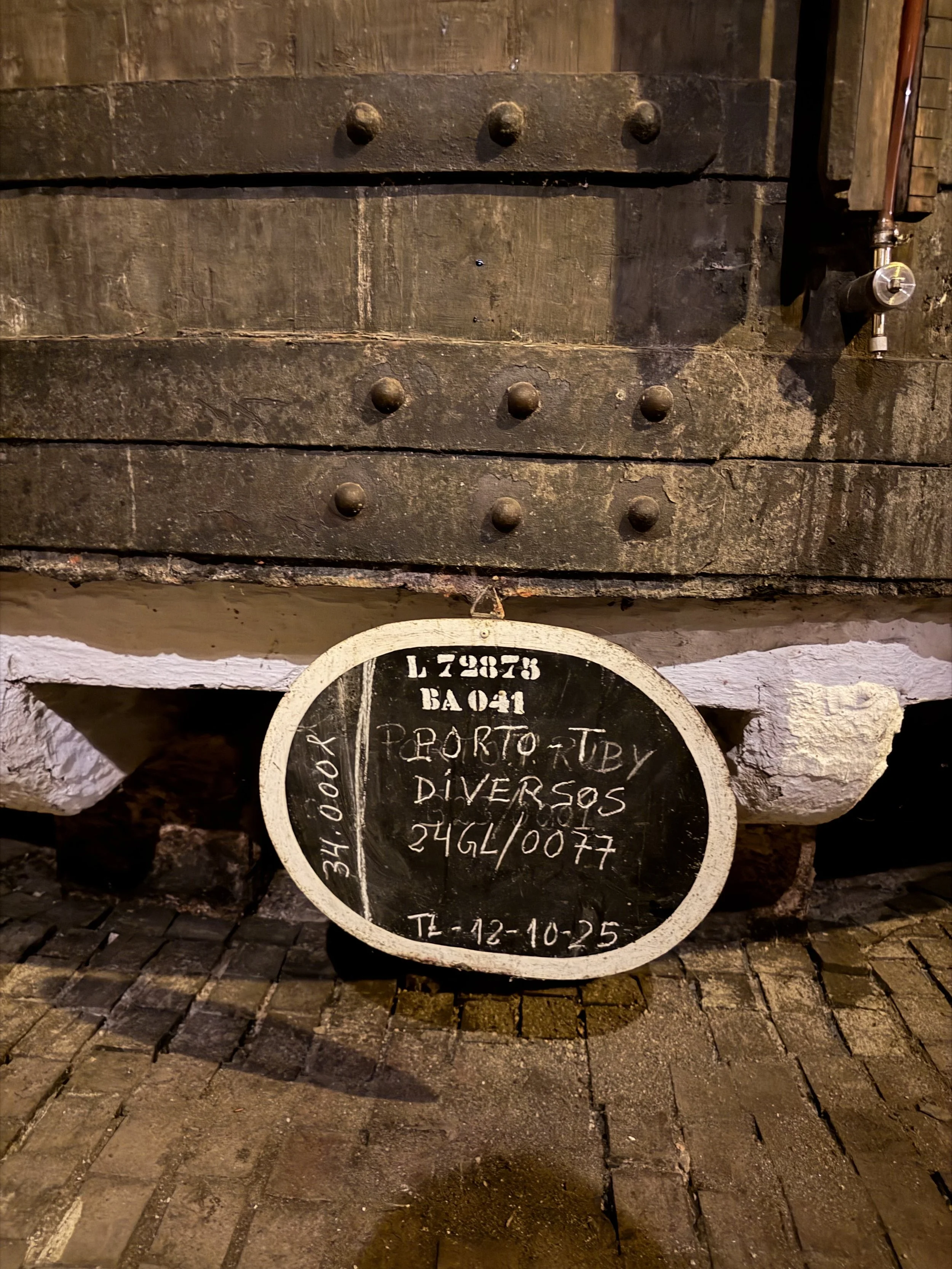
This was my personal favorite. Ferreira is the oldest major Portuguese-owned port house, and unlike some of the British-founded lodges that dominate this hill, its story is woven into the Portugal. The cave and warehouse network here is among the most expansive in all of Gaia. The historical logbooks and marketing memorabilia on display make it feel less like a tasting room and more like a living archive of the industry.
The company was led for decades by Dona Antónia Adelaide Ferreira, known simply as Ferreirinha, a 19th-century matriarch whose influence over the Douro Valley places her comfortably alongside Veuve Clicquot in the category of women who shaped a wine region.
Graham's
Best facilitated tasting. Worth the extra walk.
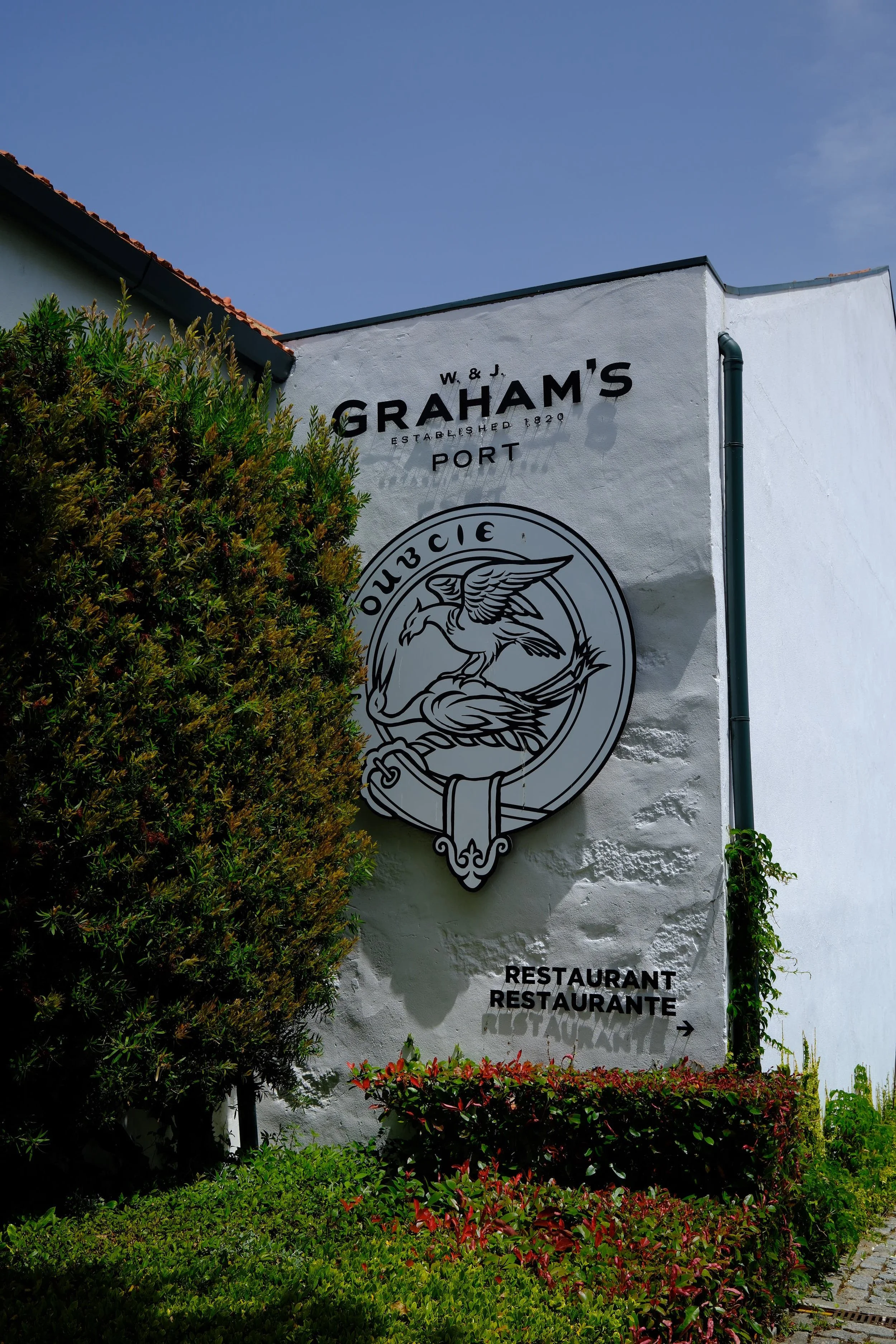
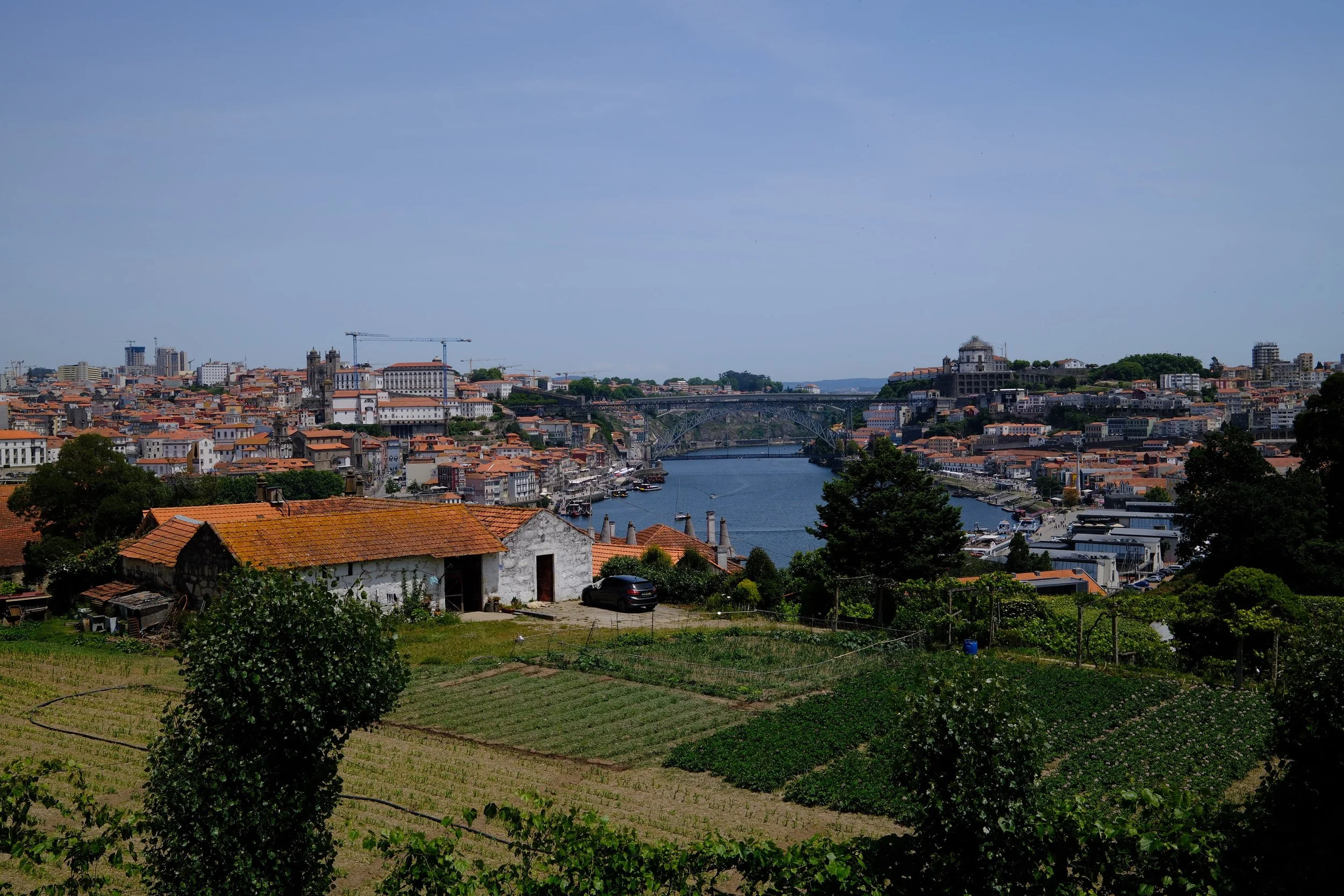
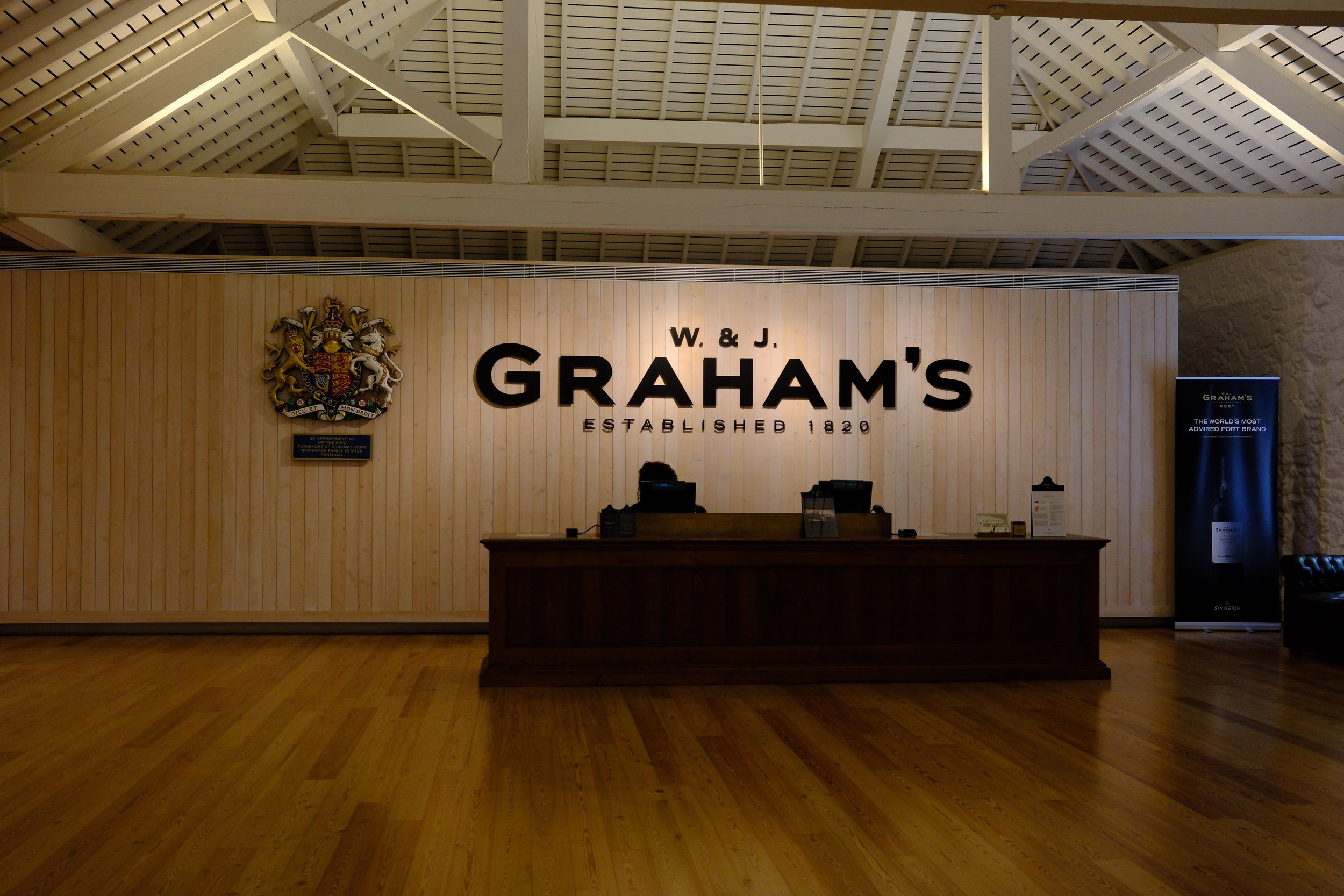
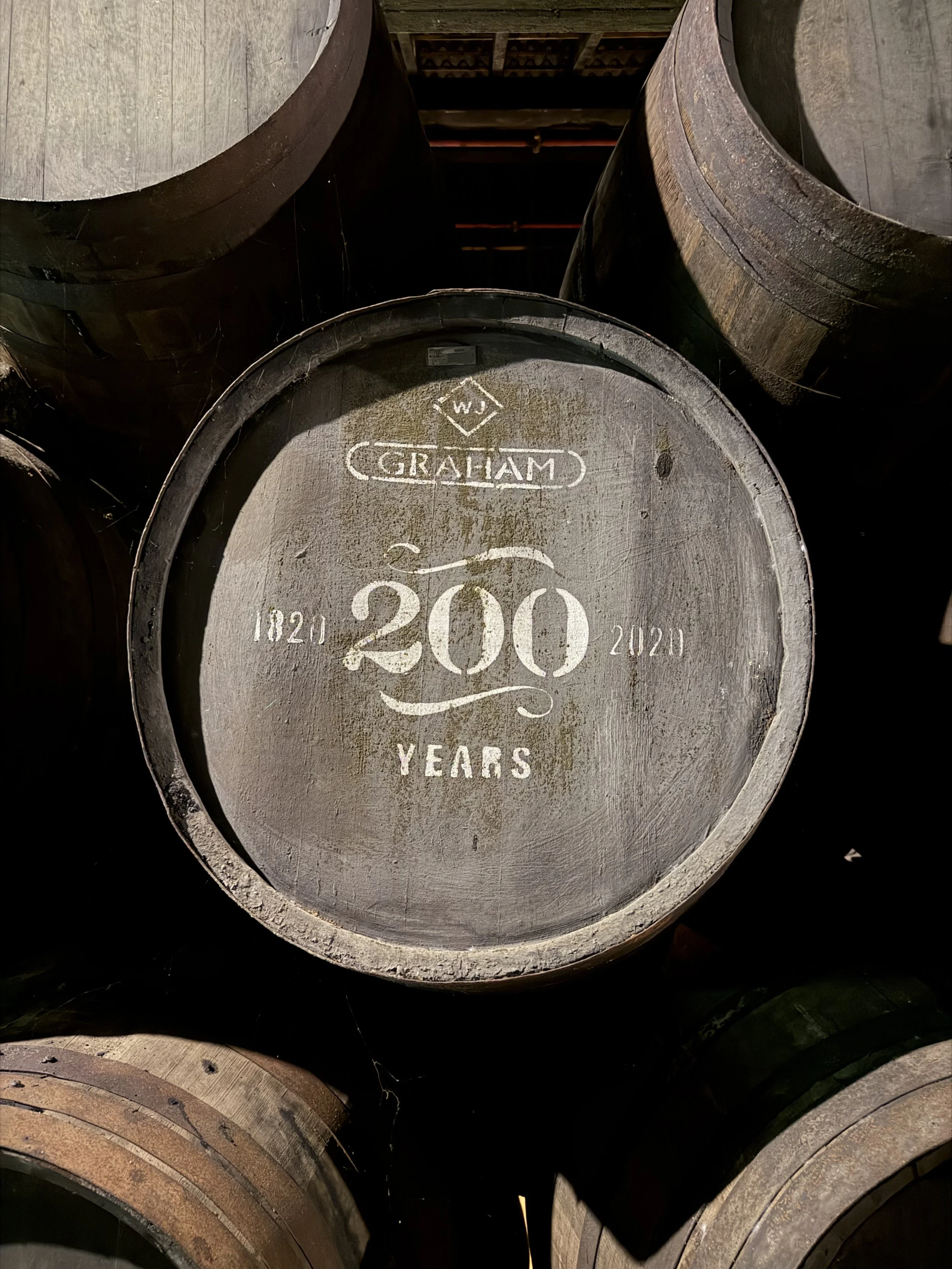
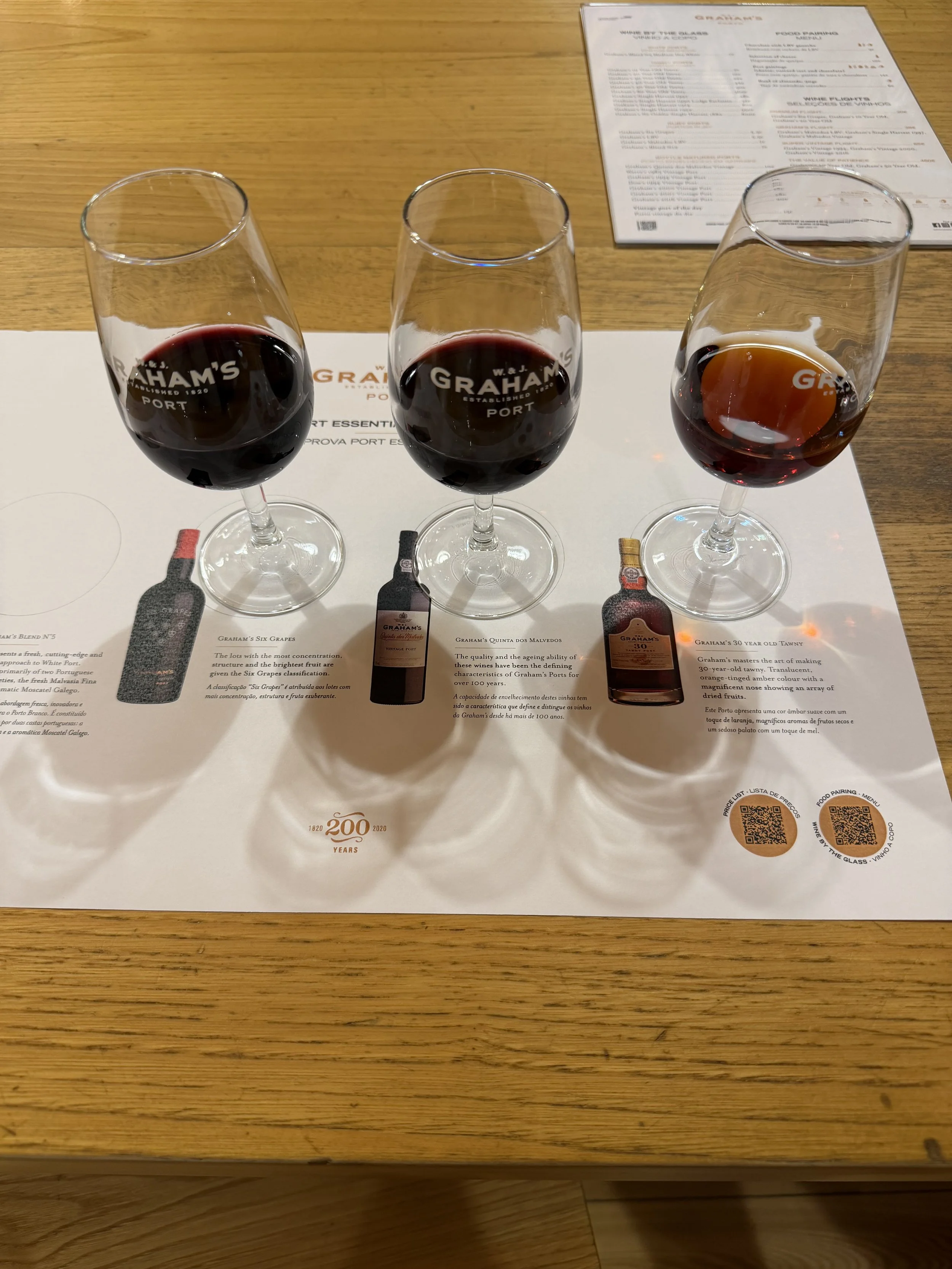
Graham's sits apart from the main lodge strip, which means a longer walk and significantly better views of Porto. The tasting experience here was the most thoughtfully structured of any house we visited. The guides are knowledgeable and the real draw is access to back-catalog vintage ports that most houses simply cannot offer. We tasted the 1994. I have a price inquiry out on the 1963.
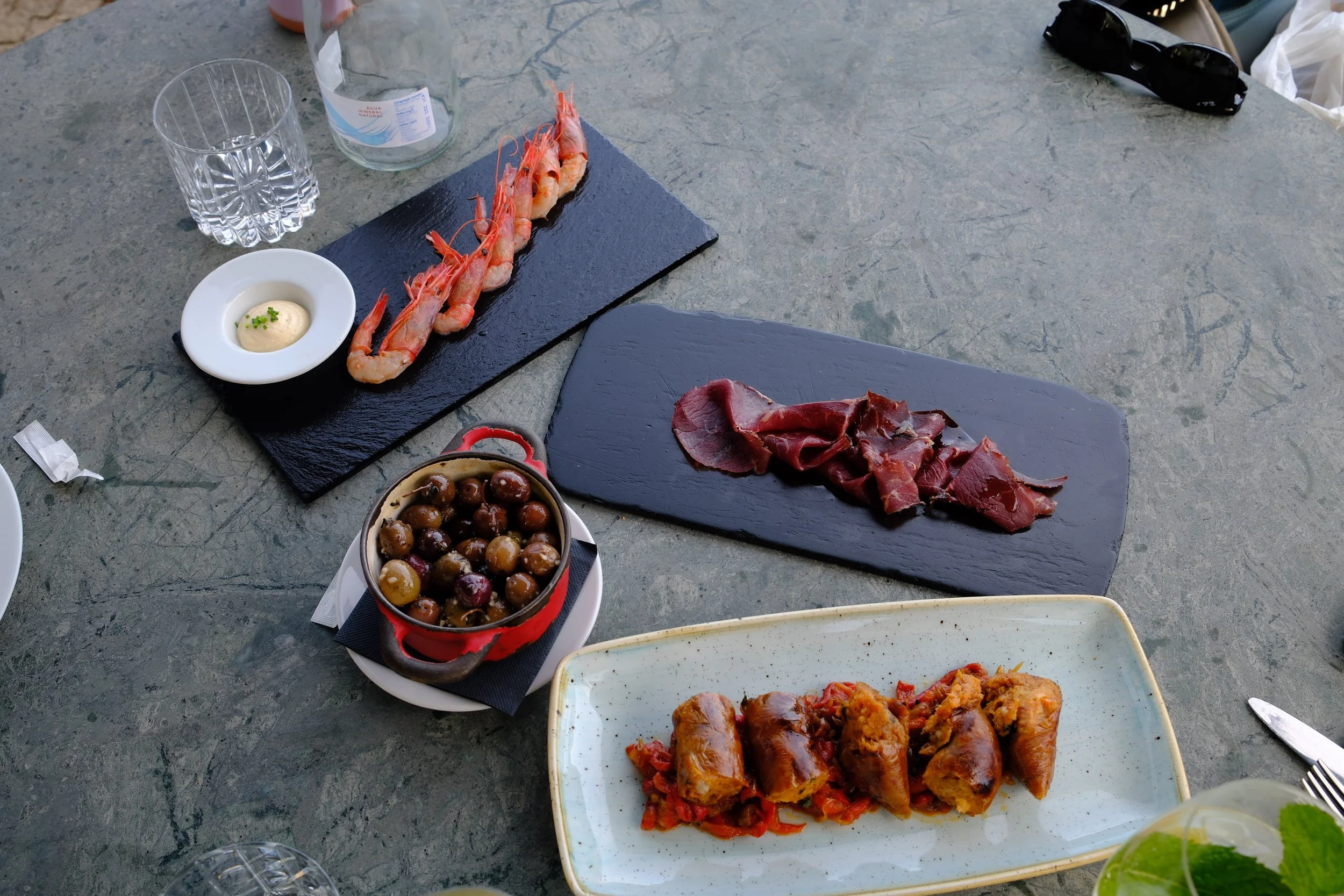
One small note of disappointment: the patio and enclosed terrace are reserved for small bites and not part of the standard tasting experience. For a property this beautiful, that feels like a missed opportunity. It is not a reason to skip Graham's, just something to know going in.
Vasques de Carvalho
Best introduction to port. Leave room for this one.
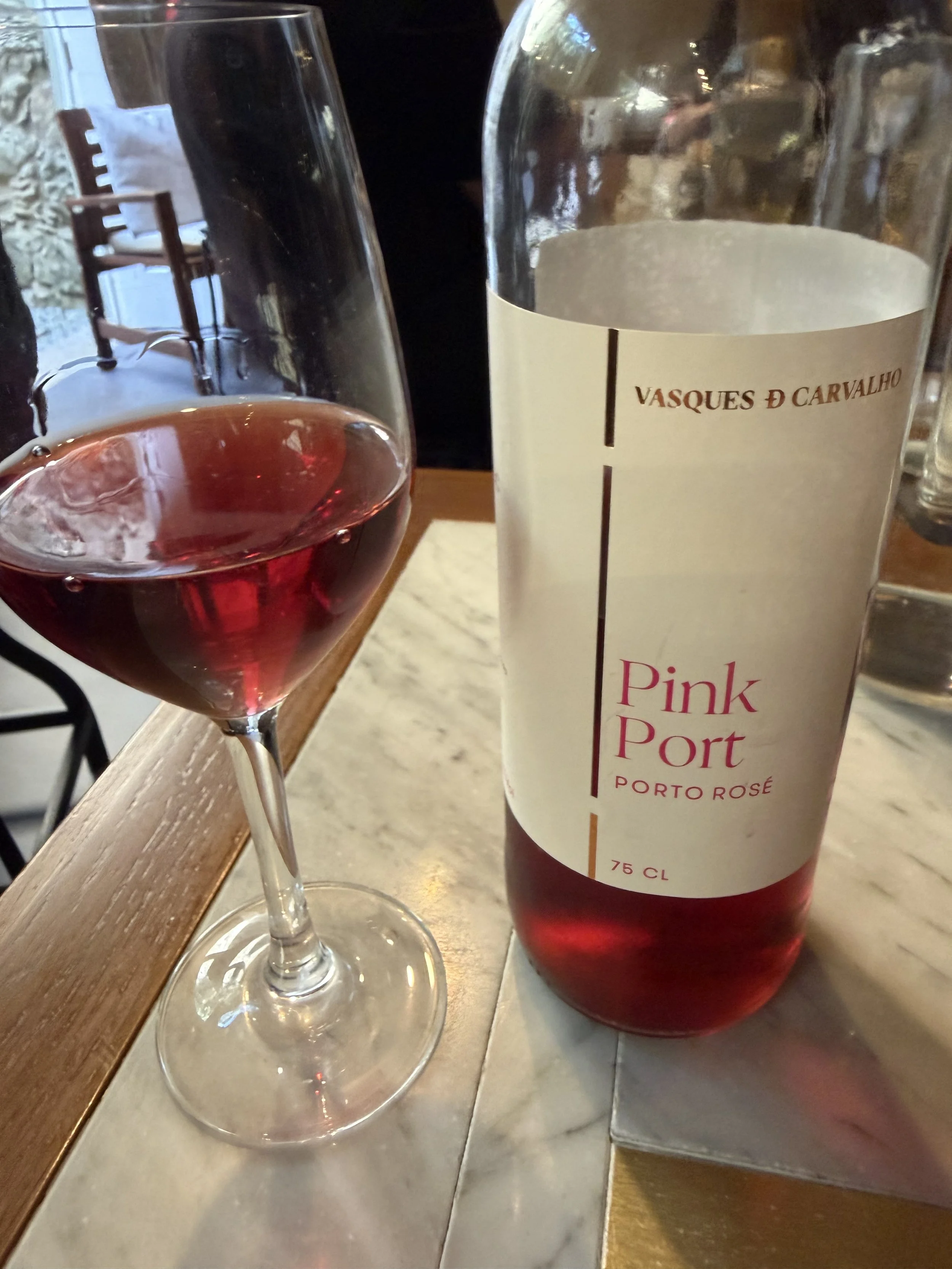
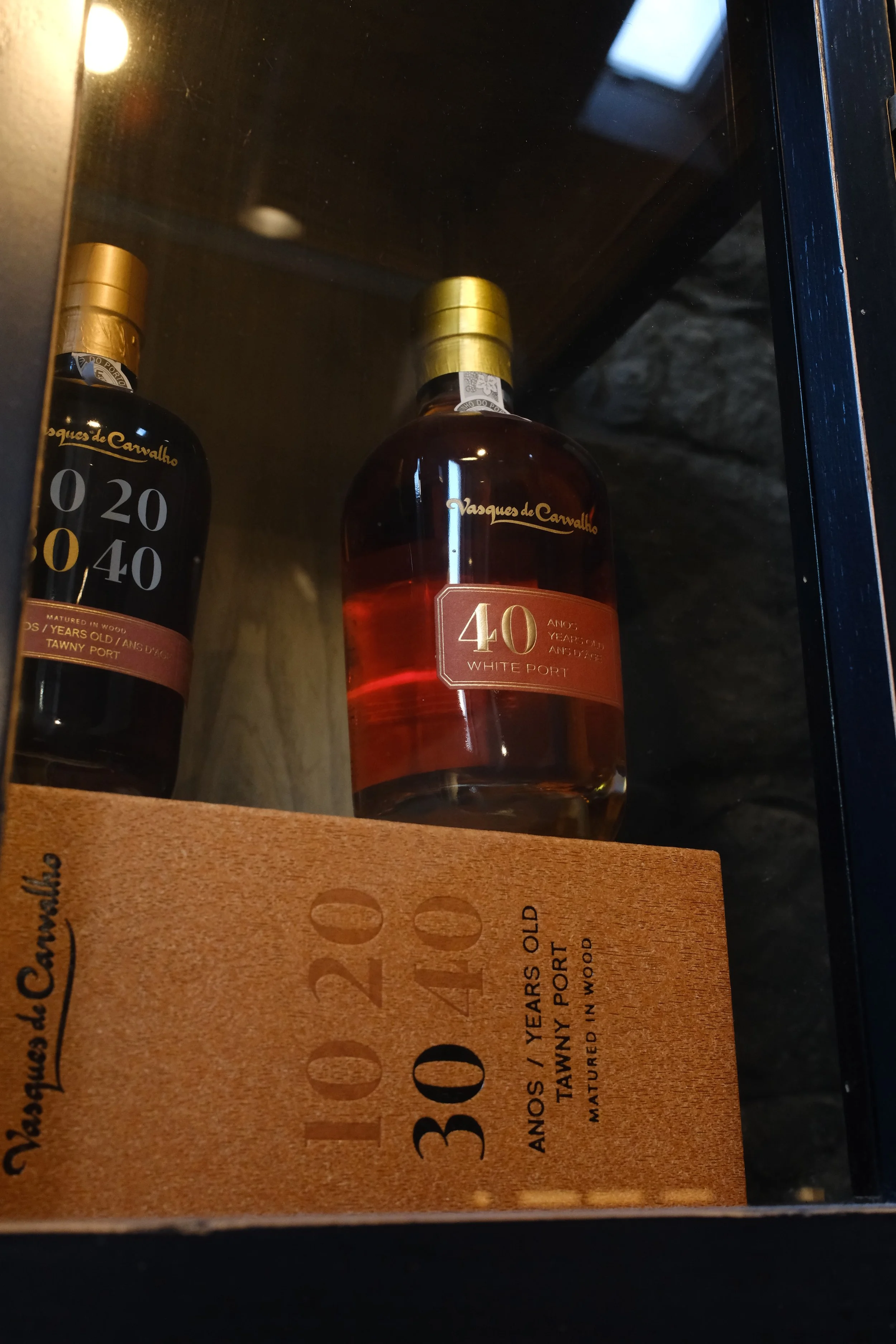
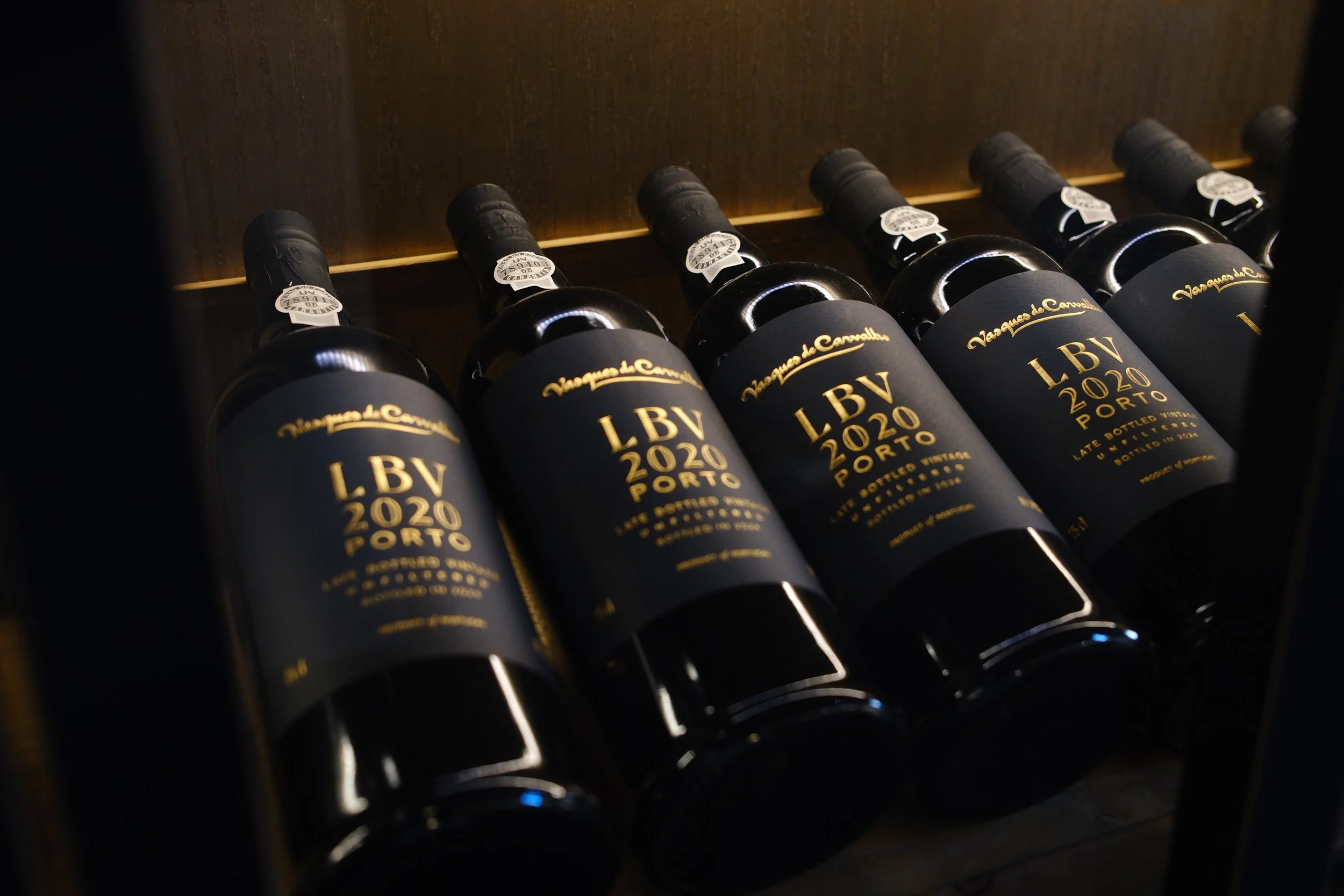
We ended up here last, almost as an afterthought at the end of a full trip, and it became the most memorable stop of the entire visit. The staff here do not hand you a flight and walk away. They sit with you. They pour extras that are not listed on the menu, just to give you more range and help you feel like part of what everyone around you is experiencing. They walked us through a comparison of a 2004 Colheita tawny alongside a 20-year tawny, two wines that share a category and tell very different stories, and they did it with genuine enthusiasm rather than the rote hospitality you start to recognize after a few lodges.
After nearly a dozen tours and tastings across the trip, we still walked away having learned something new. Capacity is limited and they were able to accommodate our group of three, but it is worth confirming ahead if you are coming with a larger party. The second floor can handle bigger groups.
Cockburn's
Great baseline. Come here early in your visit.
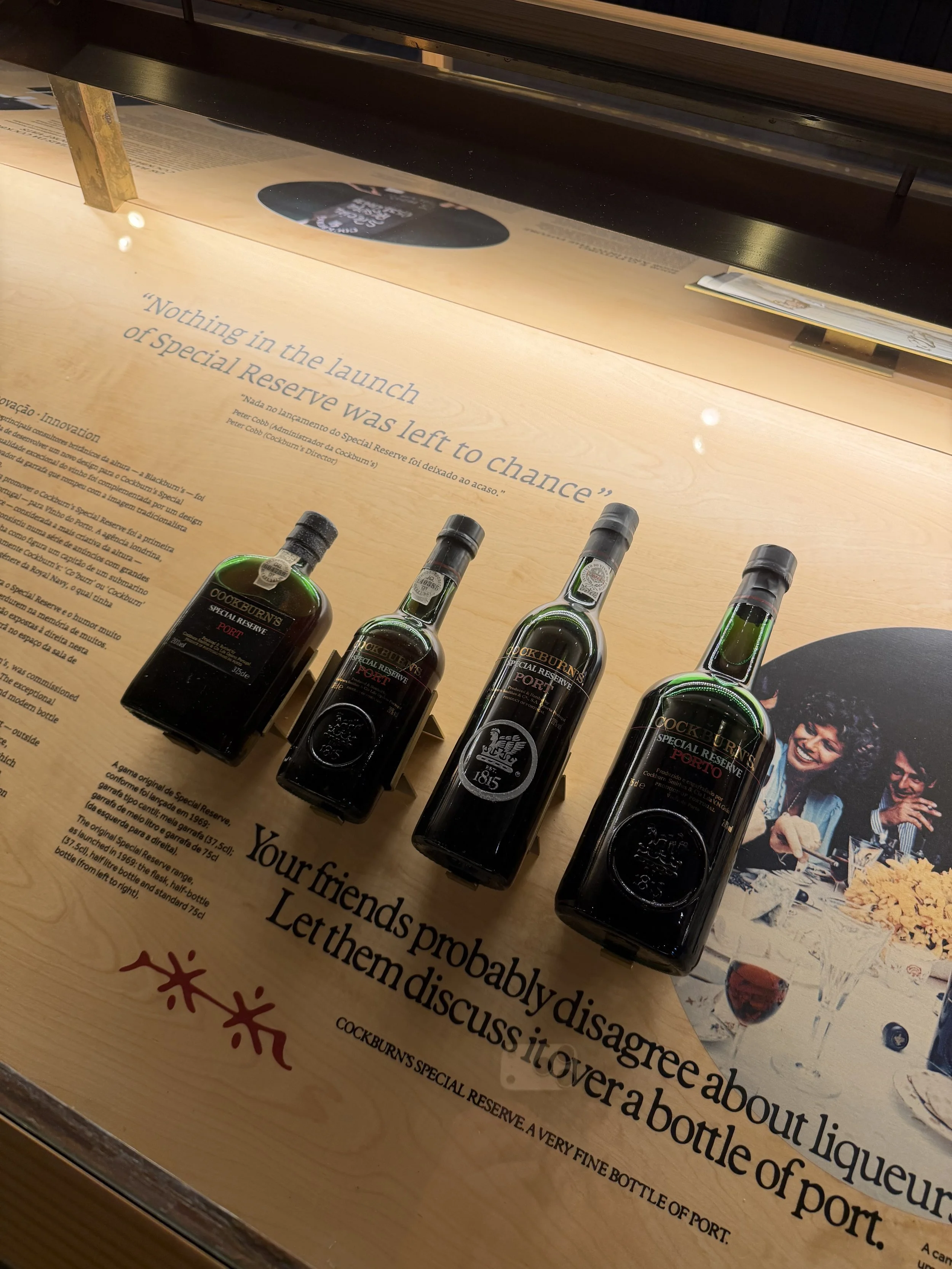
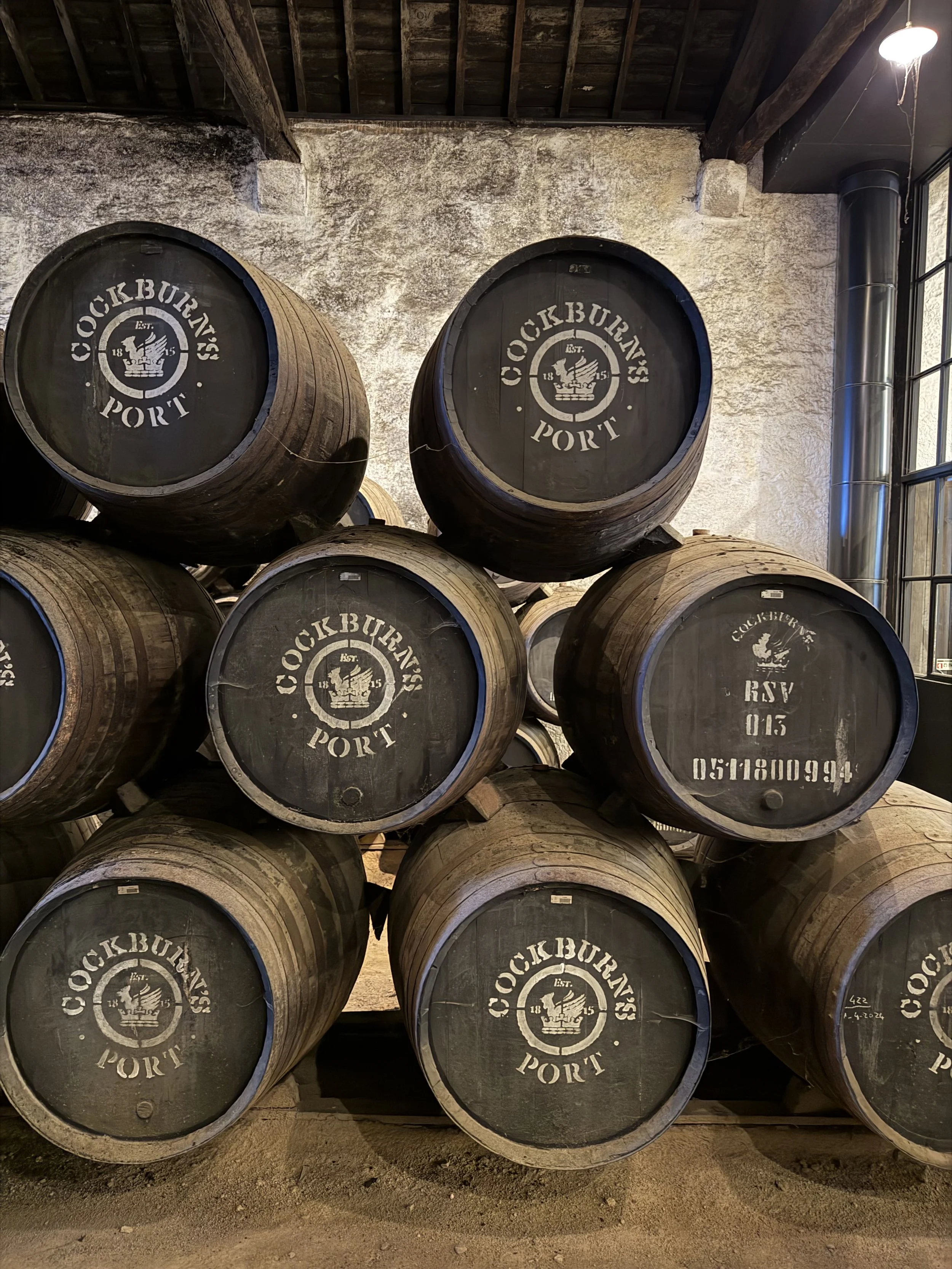
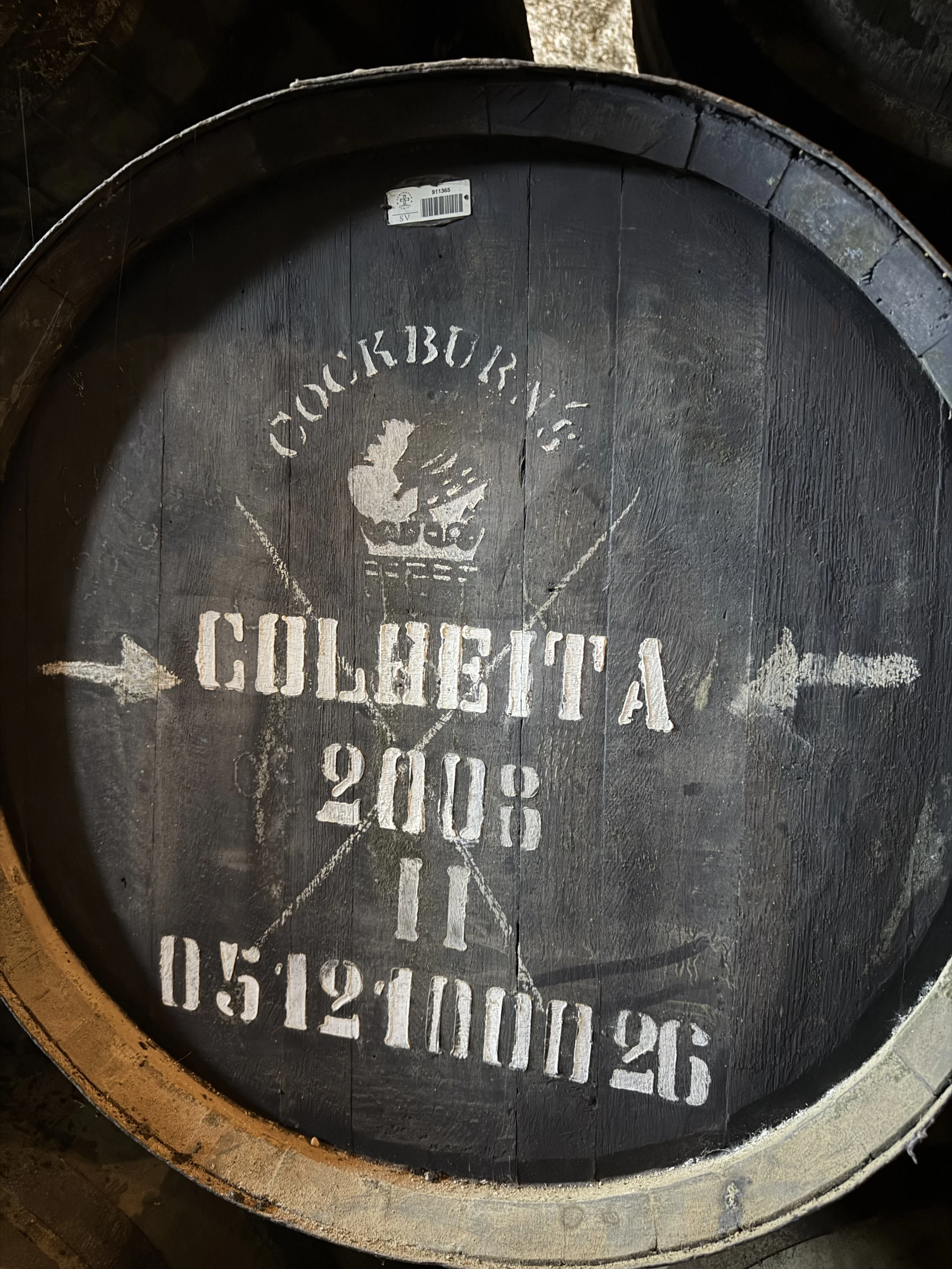
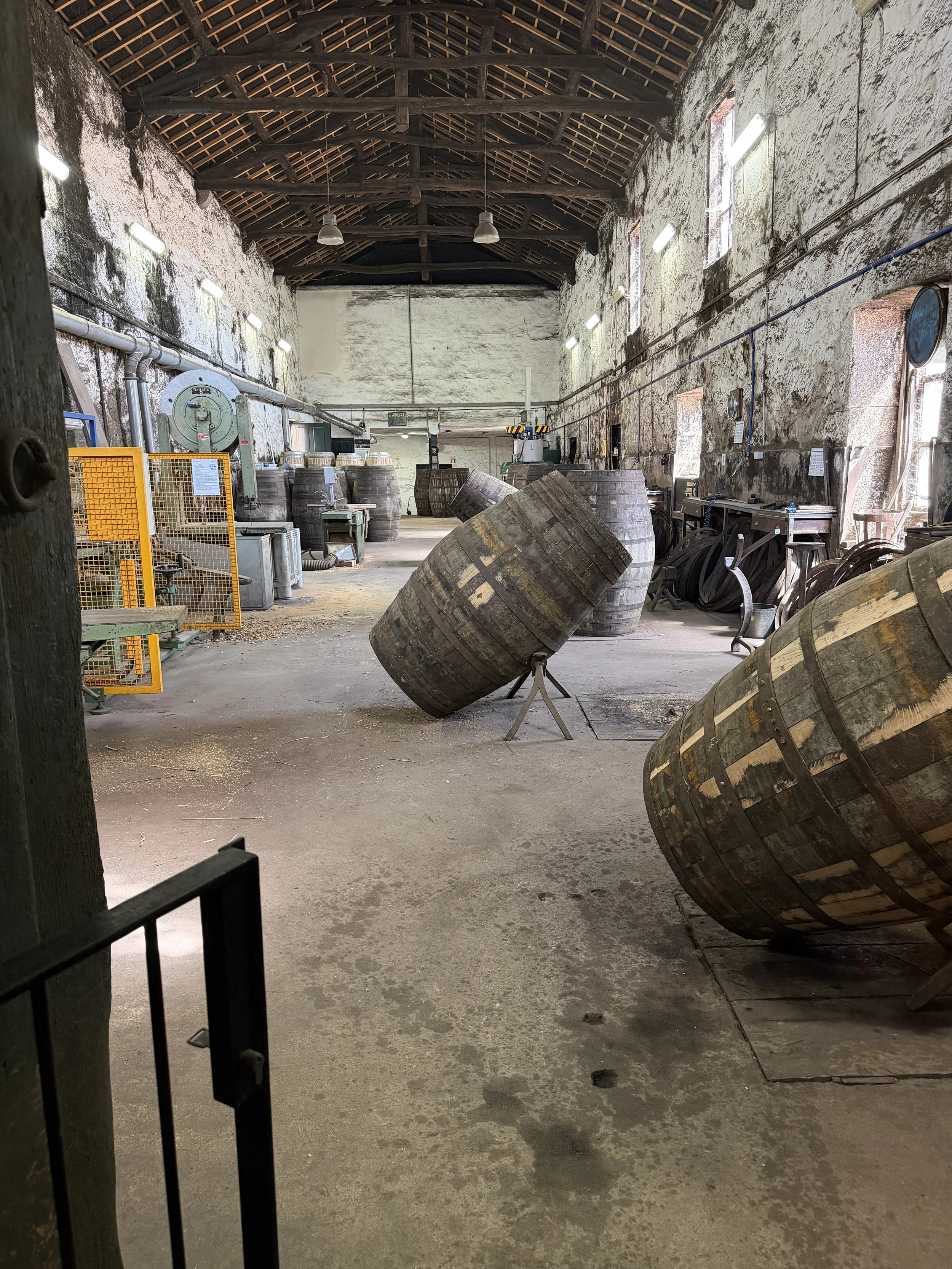
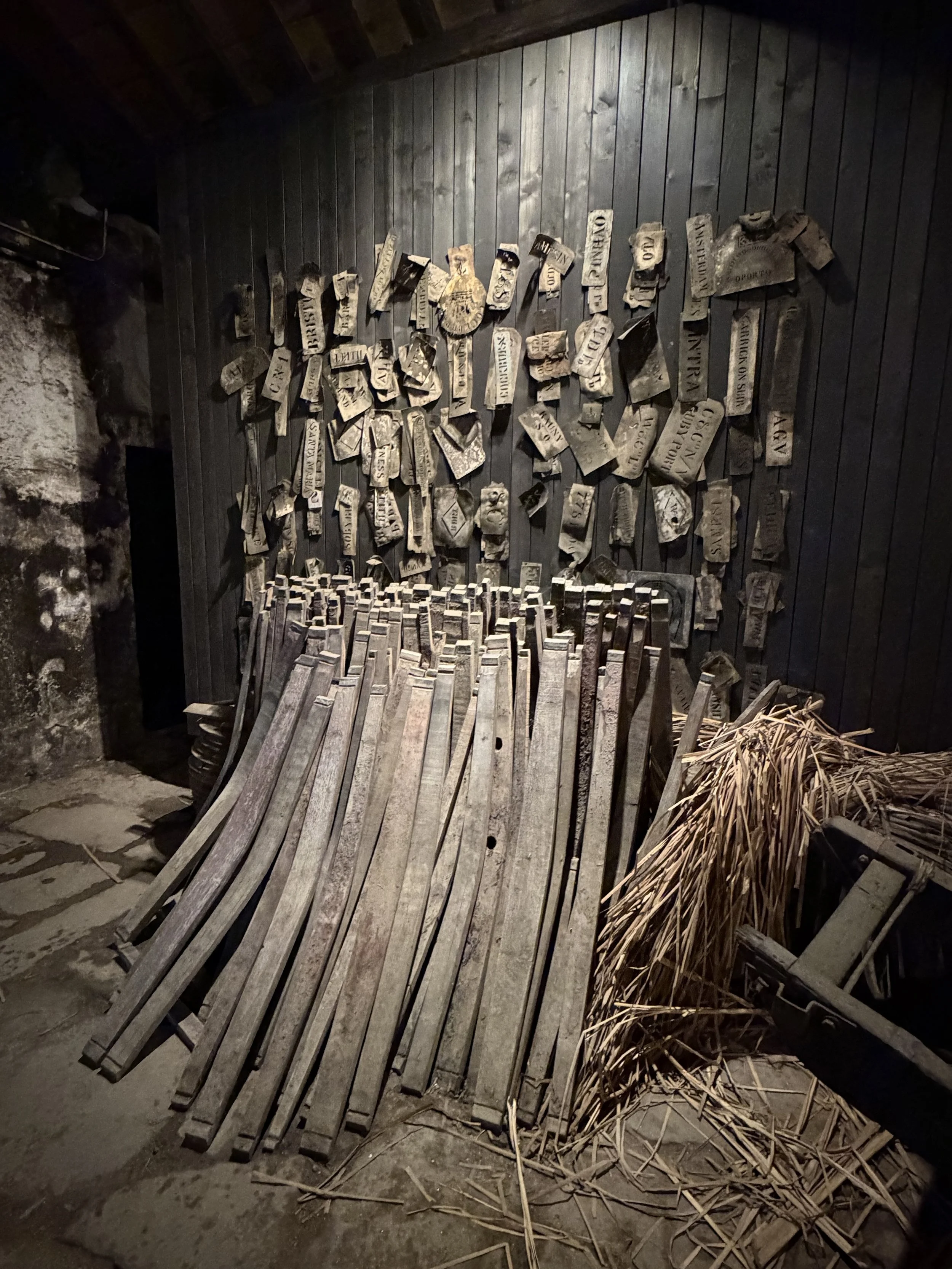
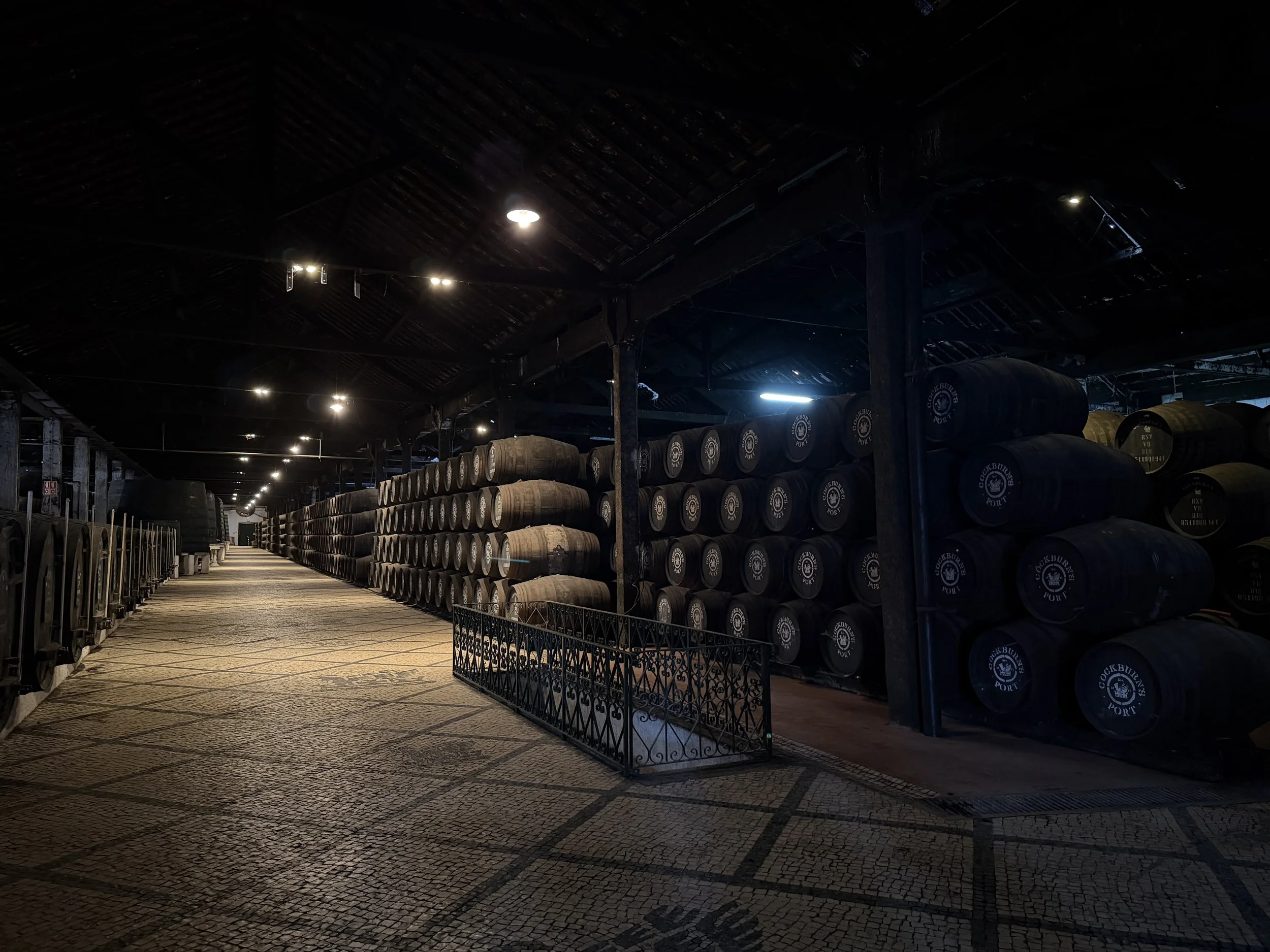
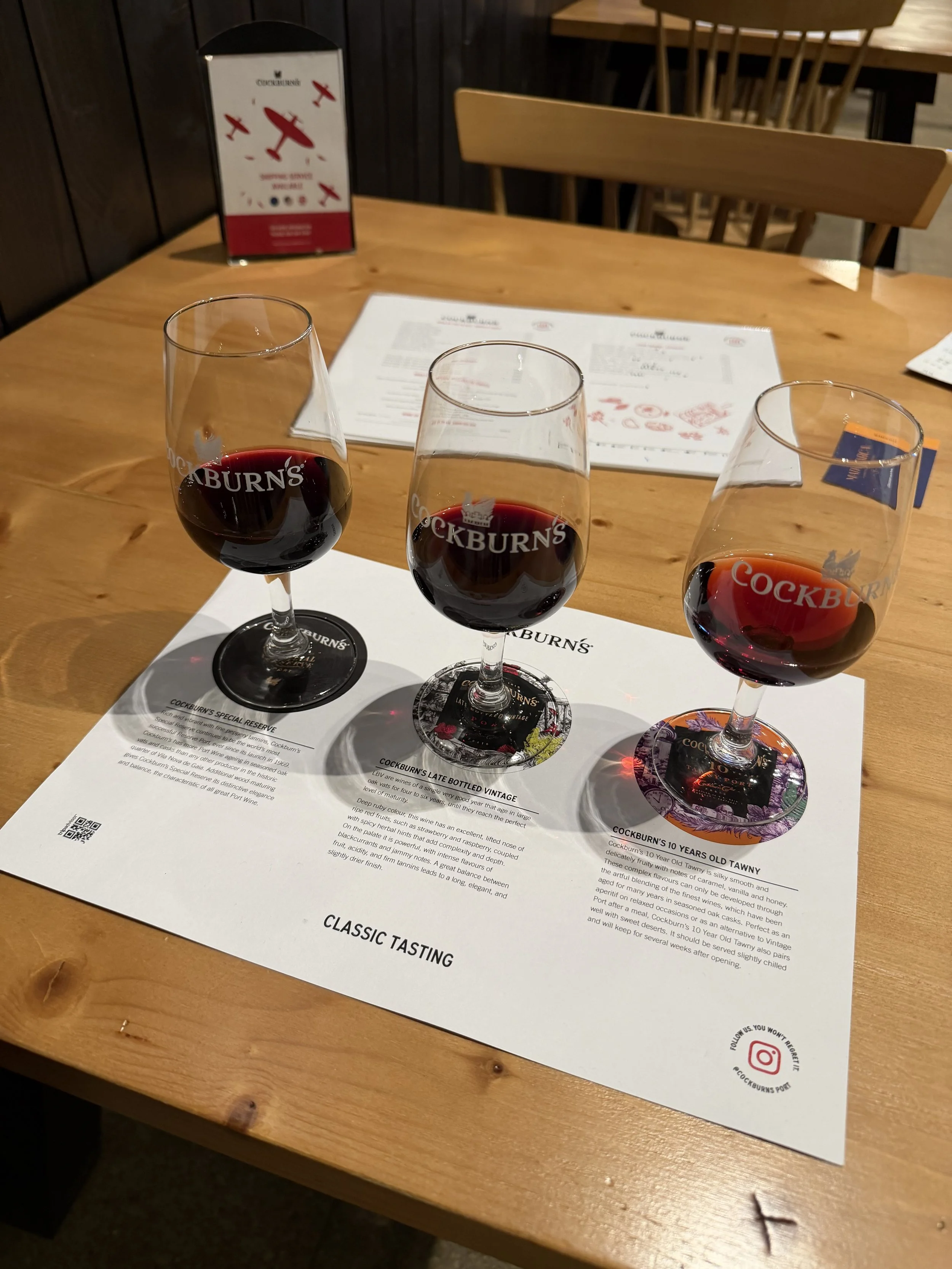
Cockburn's was my control variable. I went in looking for a clean, organized introduction to what a lodge visit should look like, and that is exactly what I got. It is approachable and not overwhelming for a first-time visitor. What sets it above a lot of the other houses is the cooperage still operating on site. Barrel-making is a craft that takes years of apprenticeship to learn, and seeing it in person adds a dimension that most lodges simply cannot offer. I will be covering cooperage in more depth in a future piece, but if you want a preview of what that craft actually looks like, check out Cockburn’s.
Quinta do Foz
Best for the valley day trip.
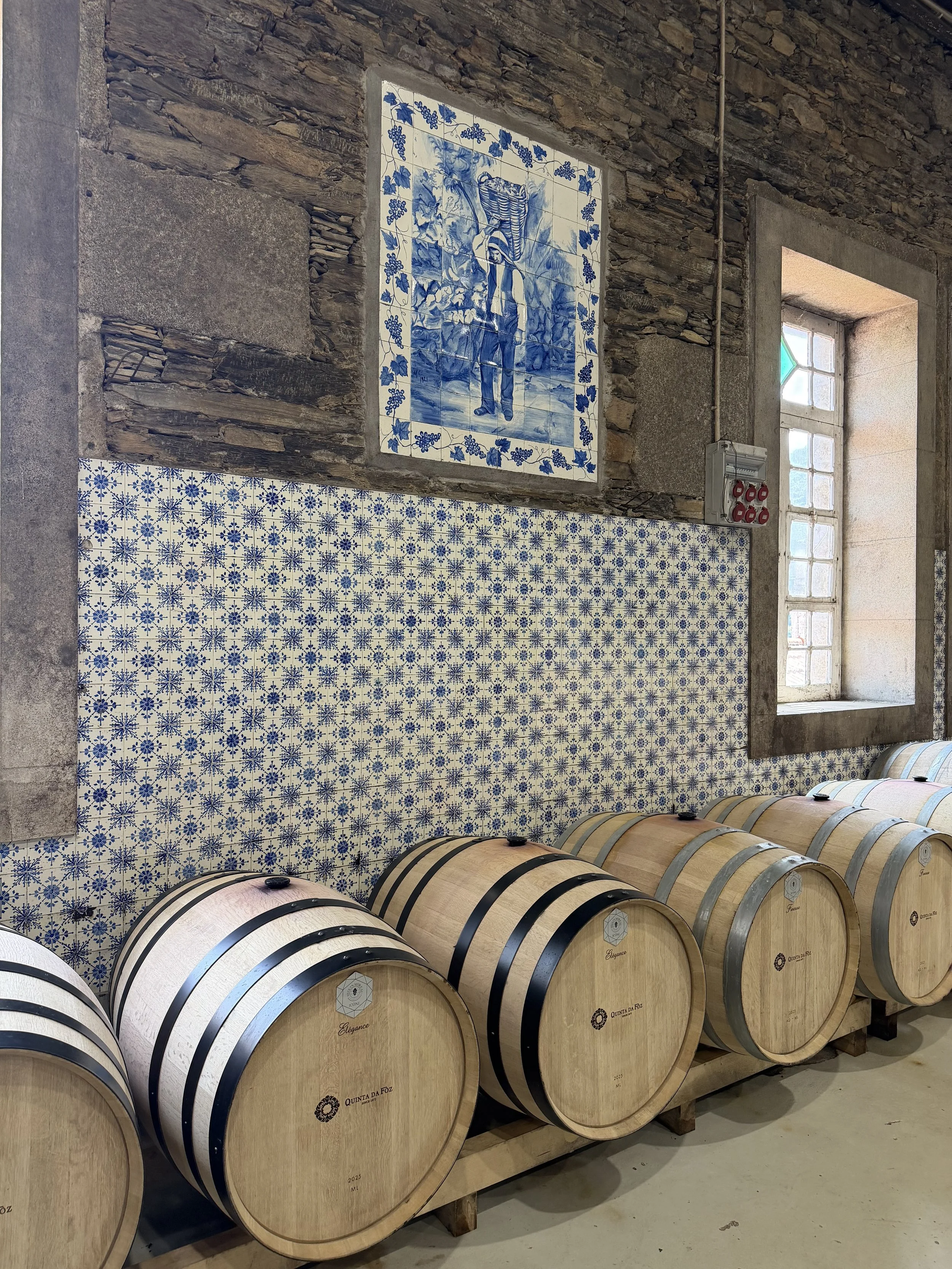
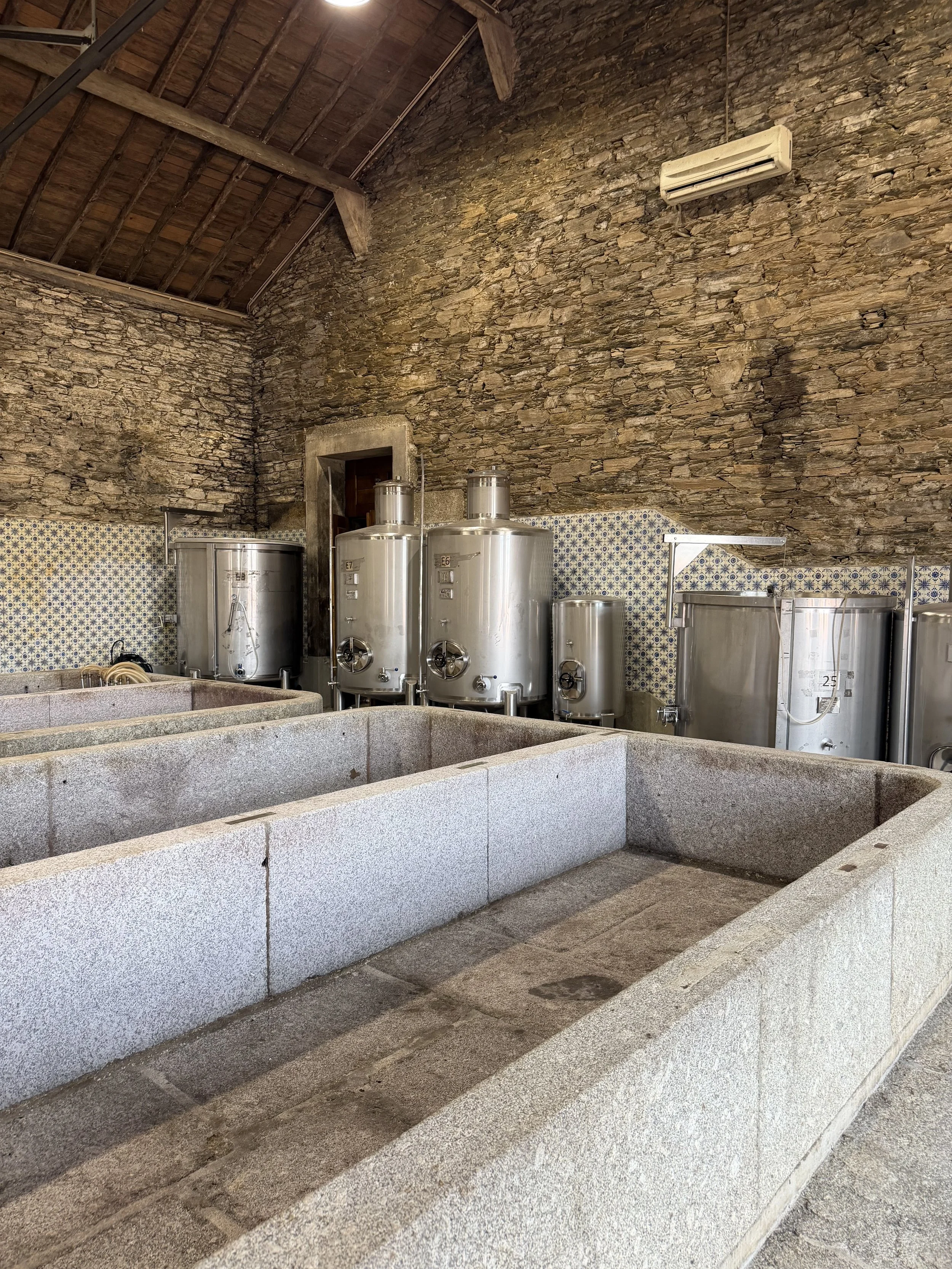
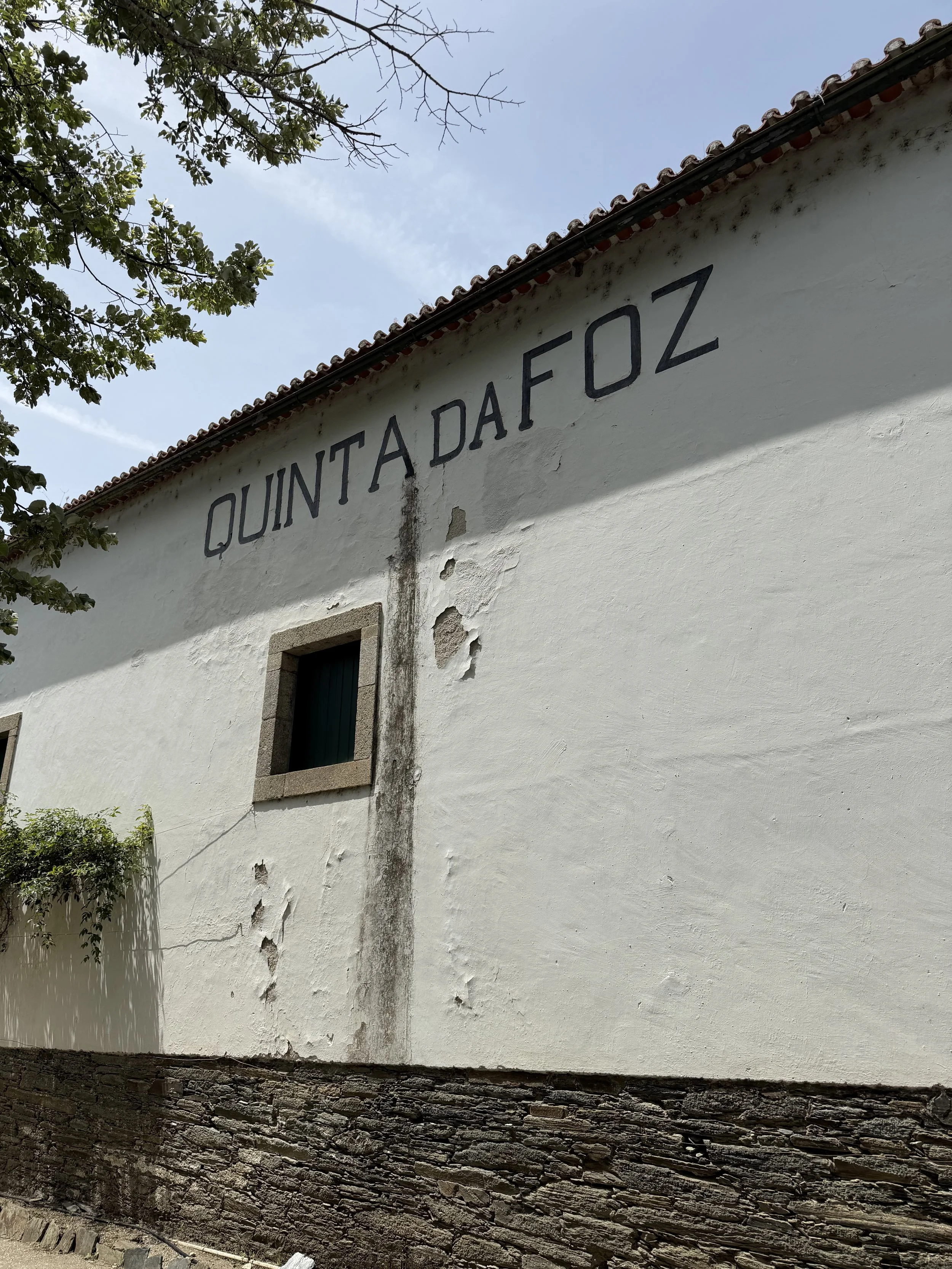
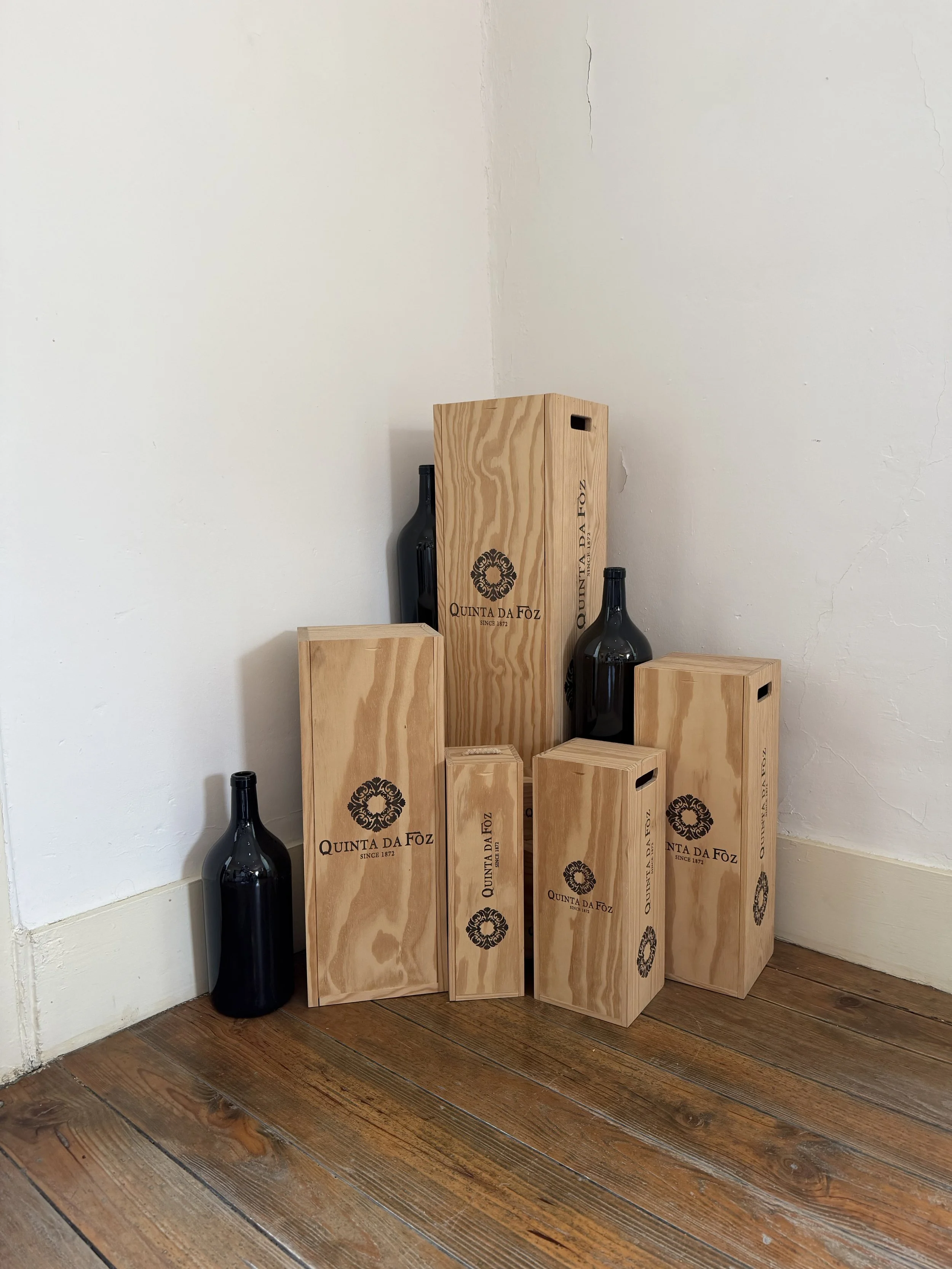
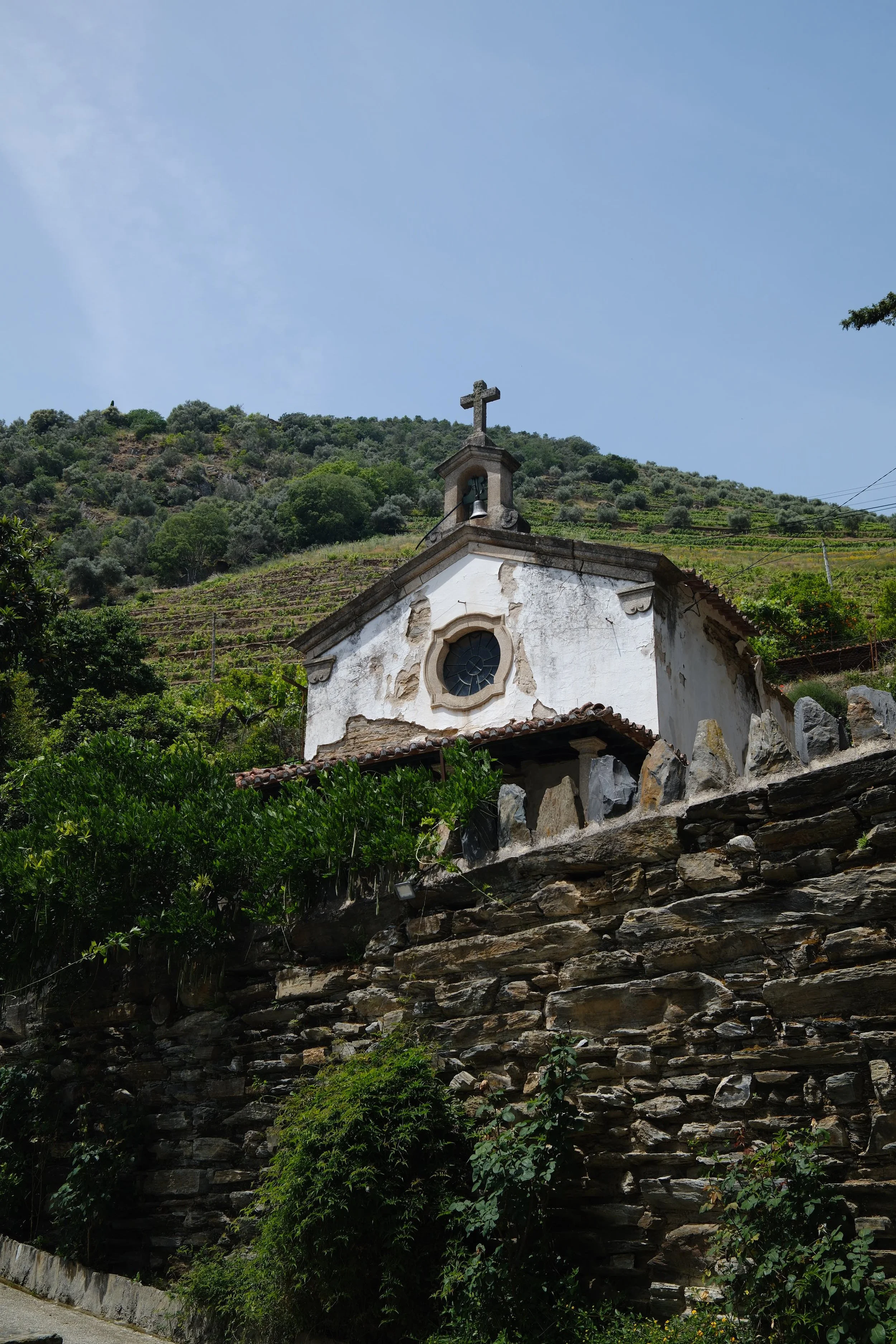
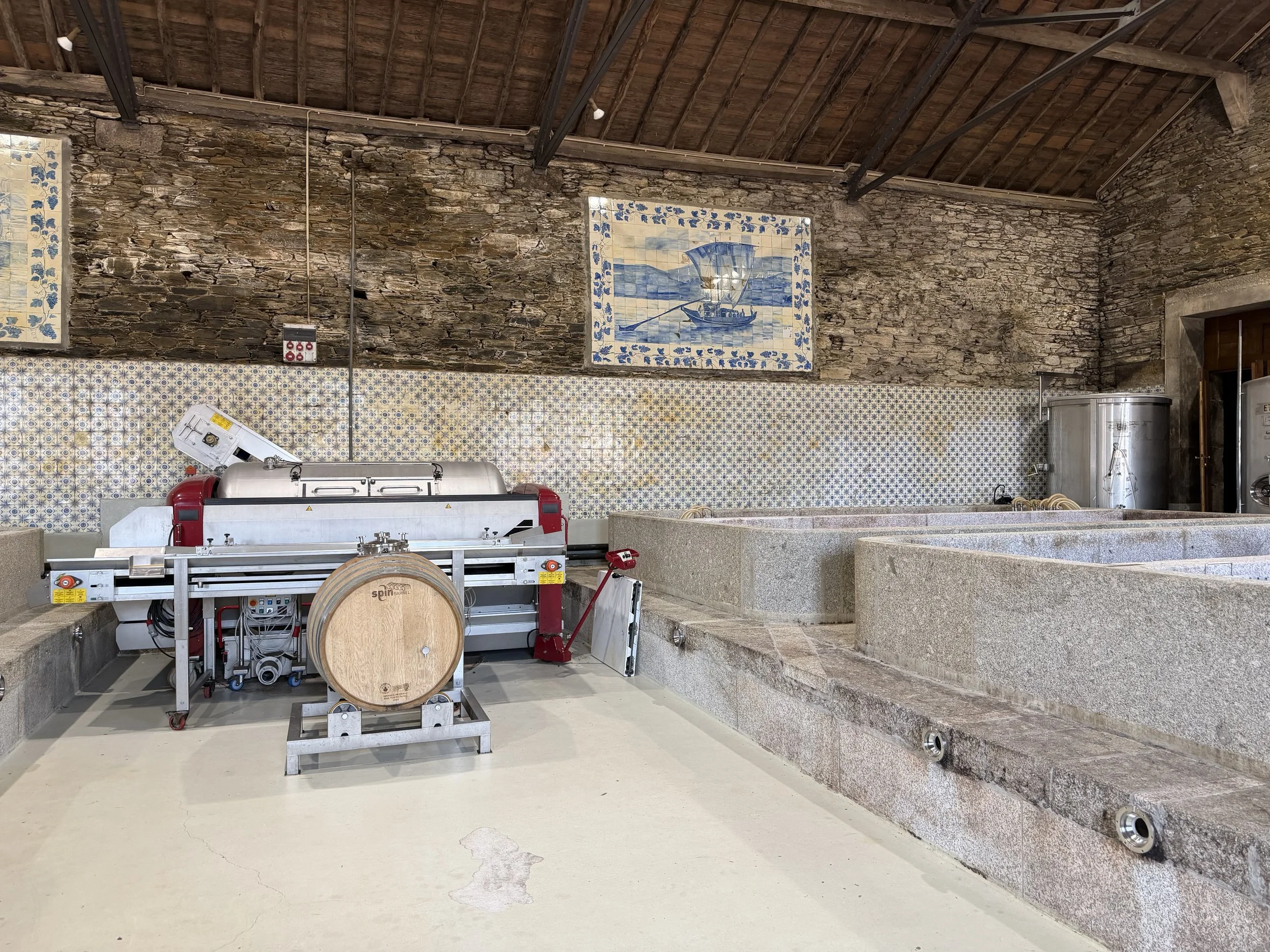
This one requires committing to the Douro. Quinta do Foz is situated in the center of the valley in Pinhão, and the production facility tour goes deeper than anything available in Gaia. We saw fermentation infrastructure up close, learned about the field blends and permitted varietals that define the port appellation, and got an honest look at how the raw material becomes what fills those lodge warehouses downstream.
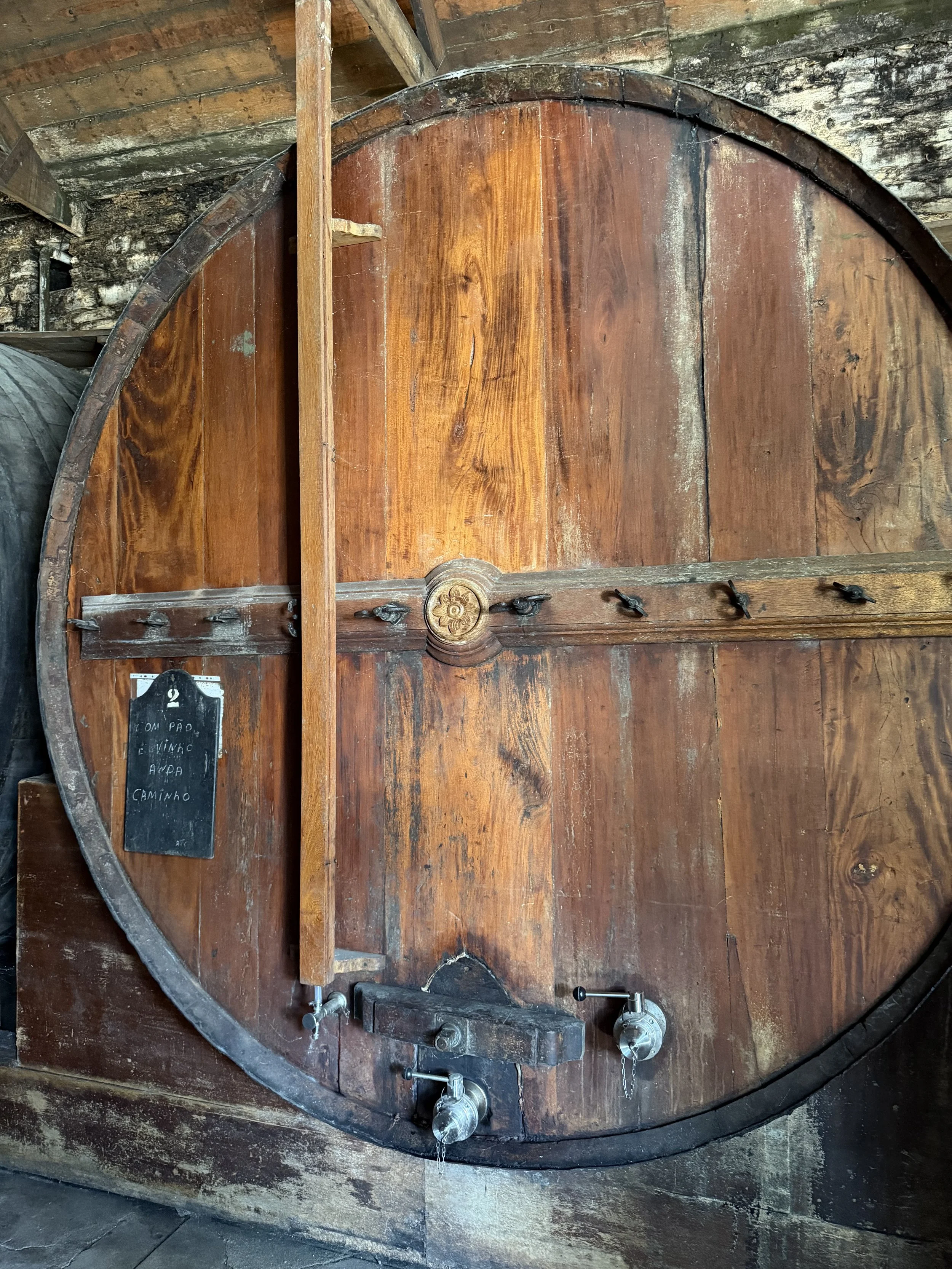
One detail that stayed with me: they work with both Portuguese oak barrels and Brazilian walnut, which is increasingly rare to the point where it can no longer be sustainably sourced. The barrels they have are essentially irreplaceable. Their direct shipping rates were also the most competitive of any producer we found, which matters if you want to bring bottles home rather than just a memory.
PIANO
Best theatrics. Thoroughly educational.
I want to be precise about the word theatrics here, because these were not people performing for tourists. These were professionals who happened to understand exactly how to make technical information land. The tour delivered a demonstration of opening a vintage port bottle with heated tongs, a technique that involves applying heat to the neck until the glass can be cleanly snapped away without disturbing the wine.
The staff swirled a glass of vintage port with precision just to show the intensity of the pigmentation. The color clung to the glass in a way that made it seem like we were watching fireworks explode. I also walked away with a sharper understanding of field blends than I had going in. A strong stop if you make it out to the Duoro. There is a tasting room in Gaia as well.
Churchill's
Best for a slow afternoon. No tour required.
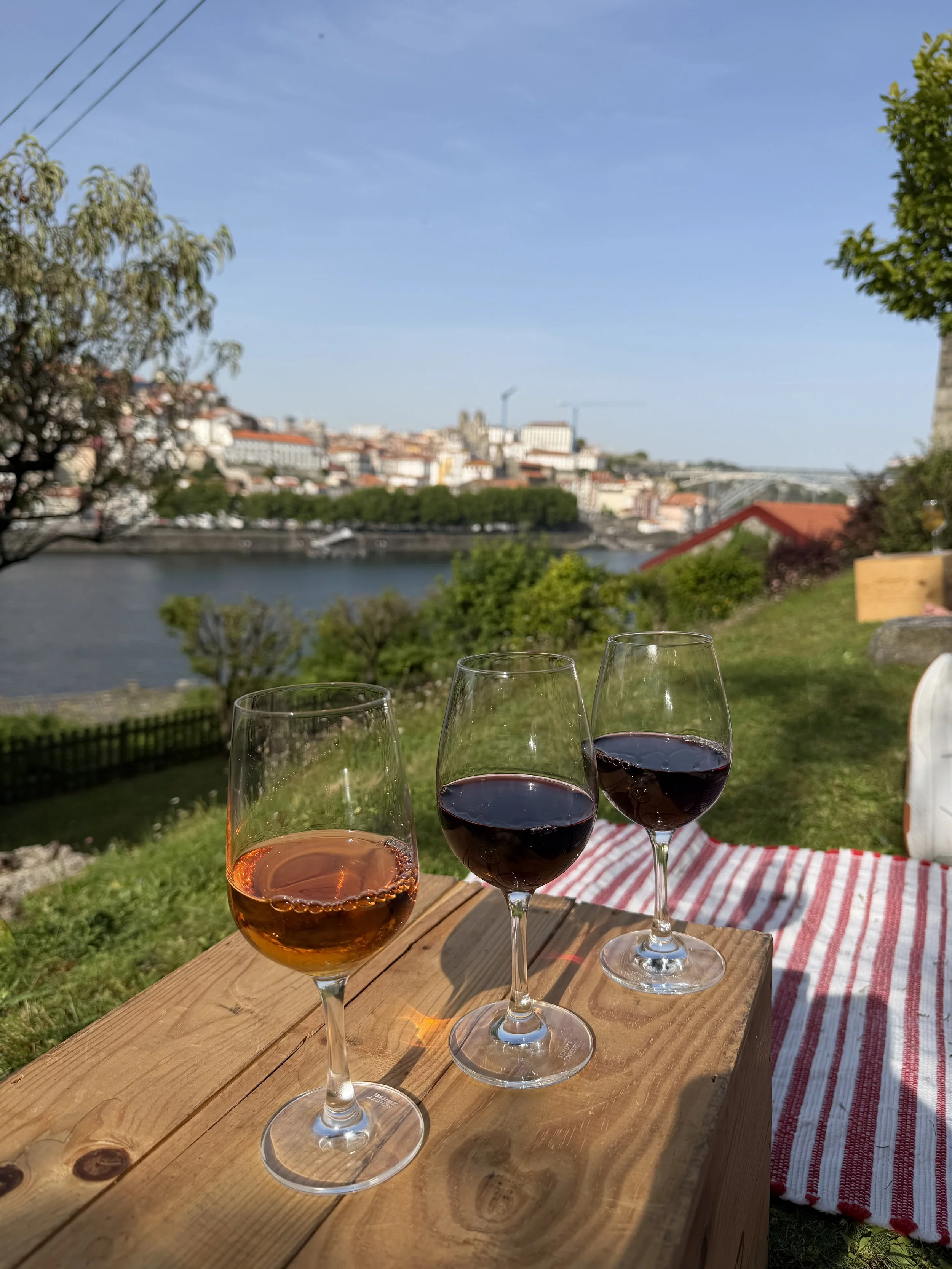
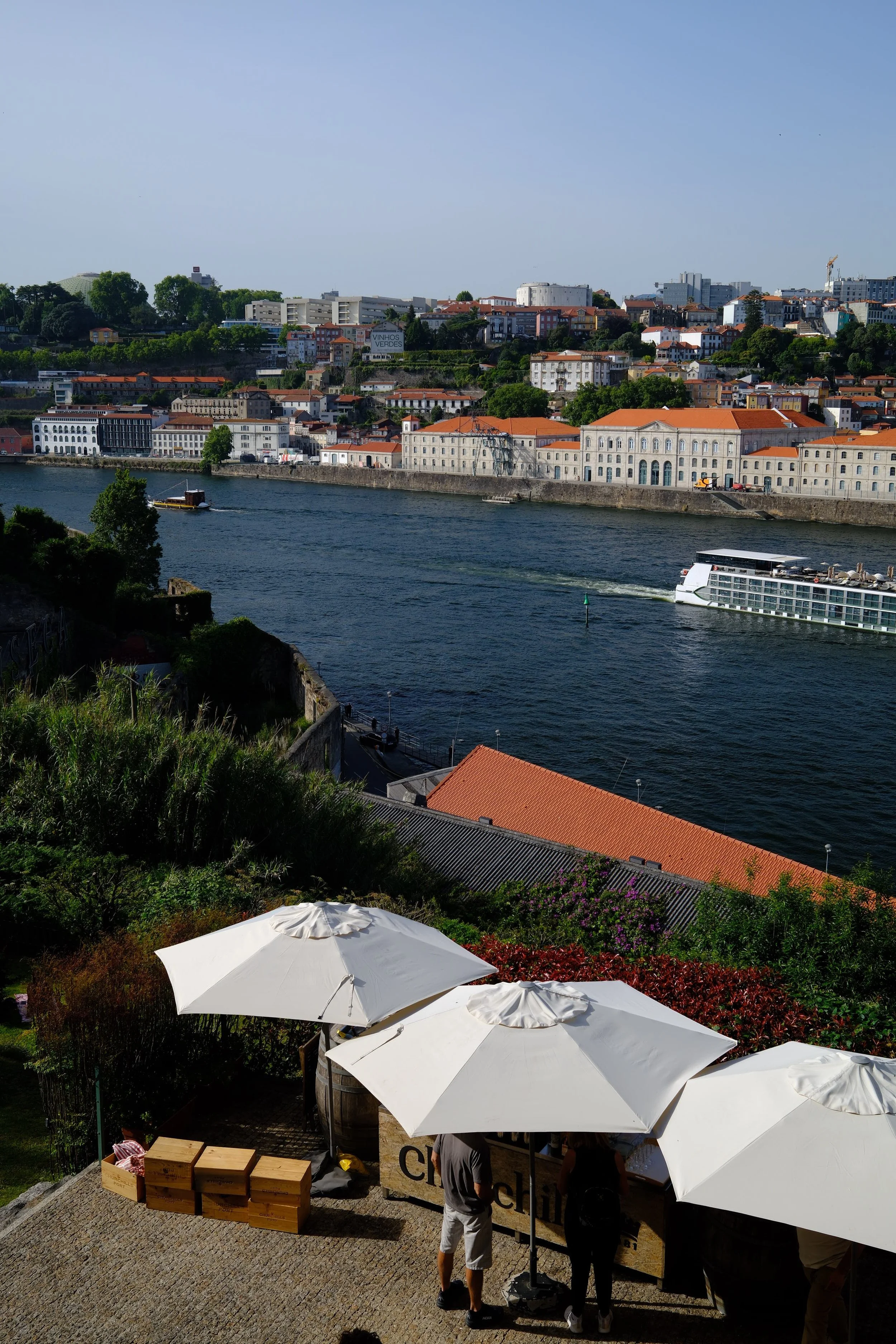
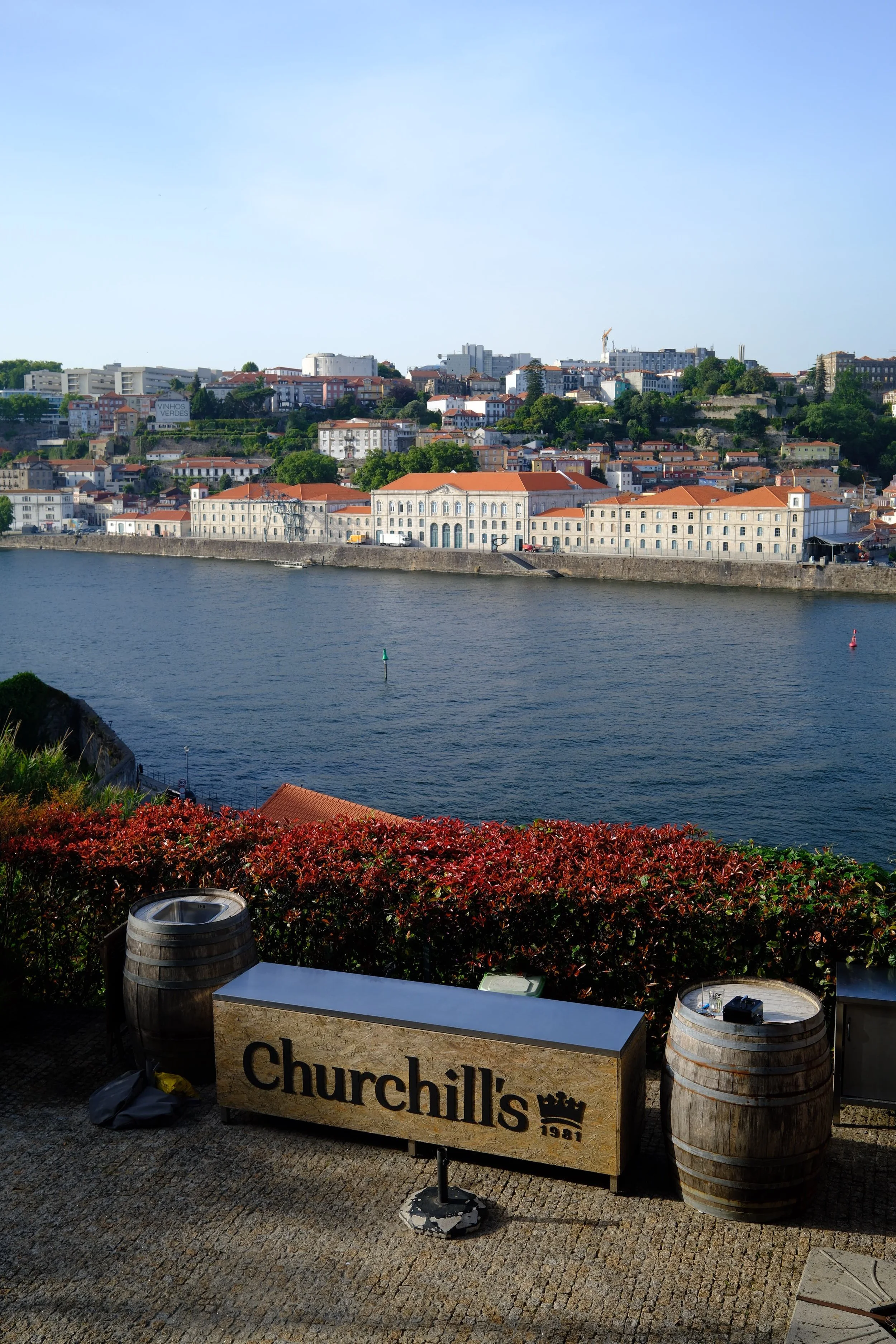
I did not book a tasting at Churchill's, but I found the garden along the river and that turned out to be exactly what I needed. There is a bar serving white, ruby, and tawny ports, water and a place to set your glasses down, and woven blankets to set out in the grassy area for your own picnic. After a few hours of cellar stairs and cobblestones, this felt like an oasis. You do not have to book a tour to enjoy it, just show up and grab a white port and tonic!
Taylor's
Largest and most polished. Best if you like setting your own pace.
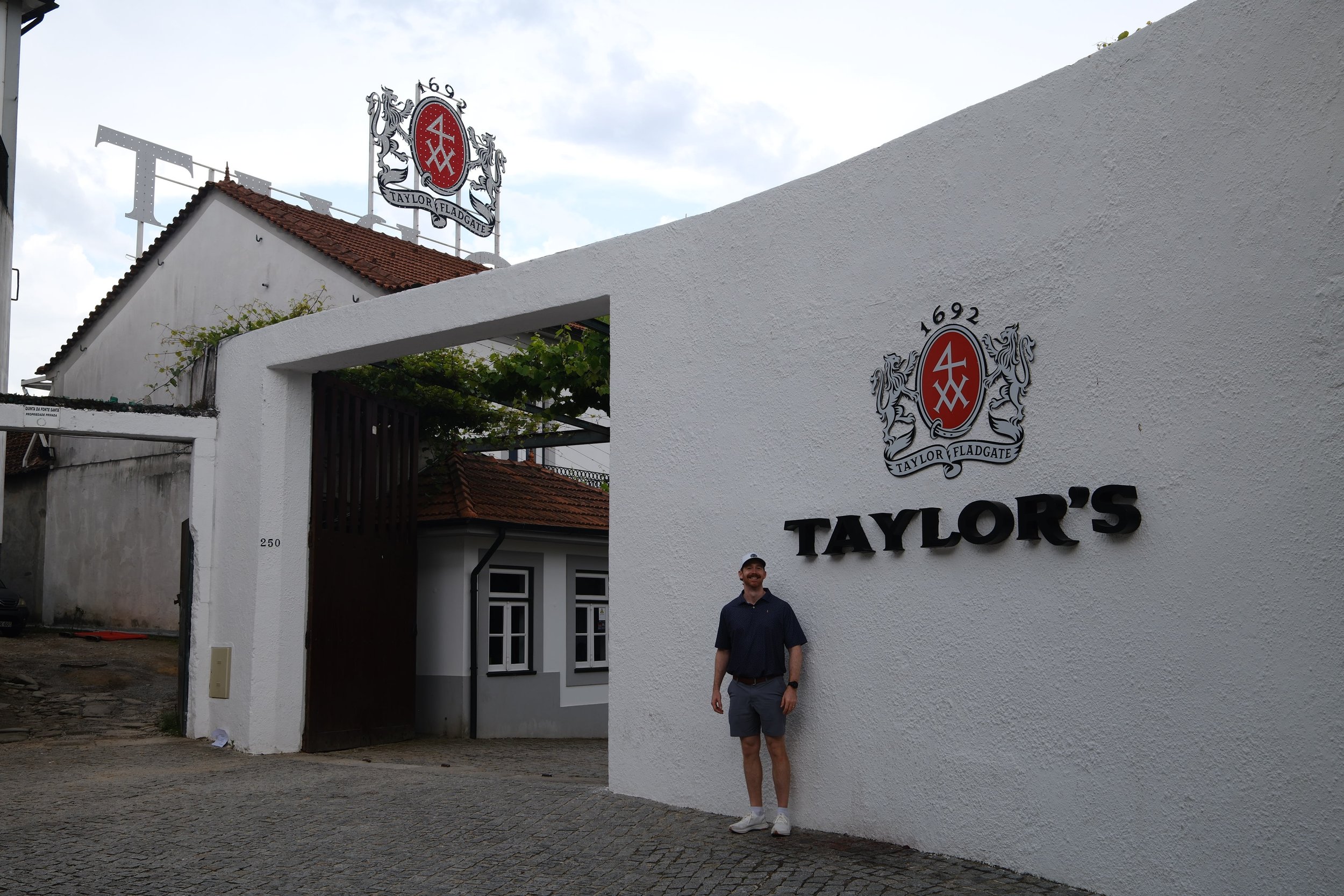
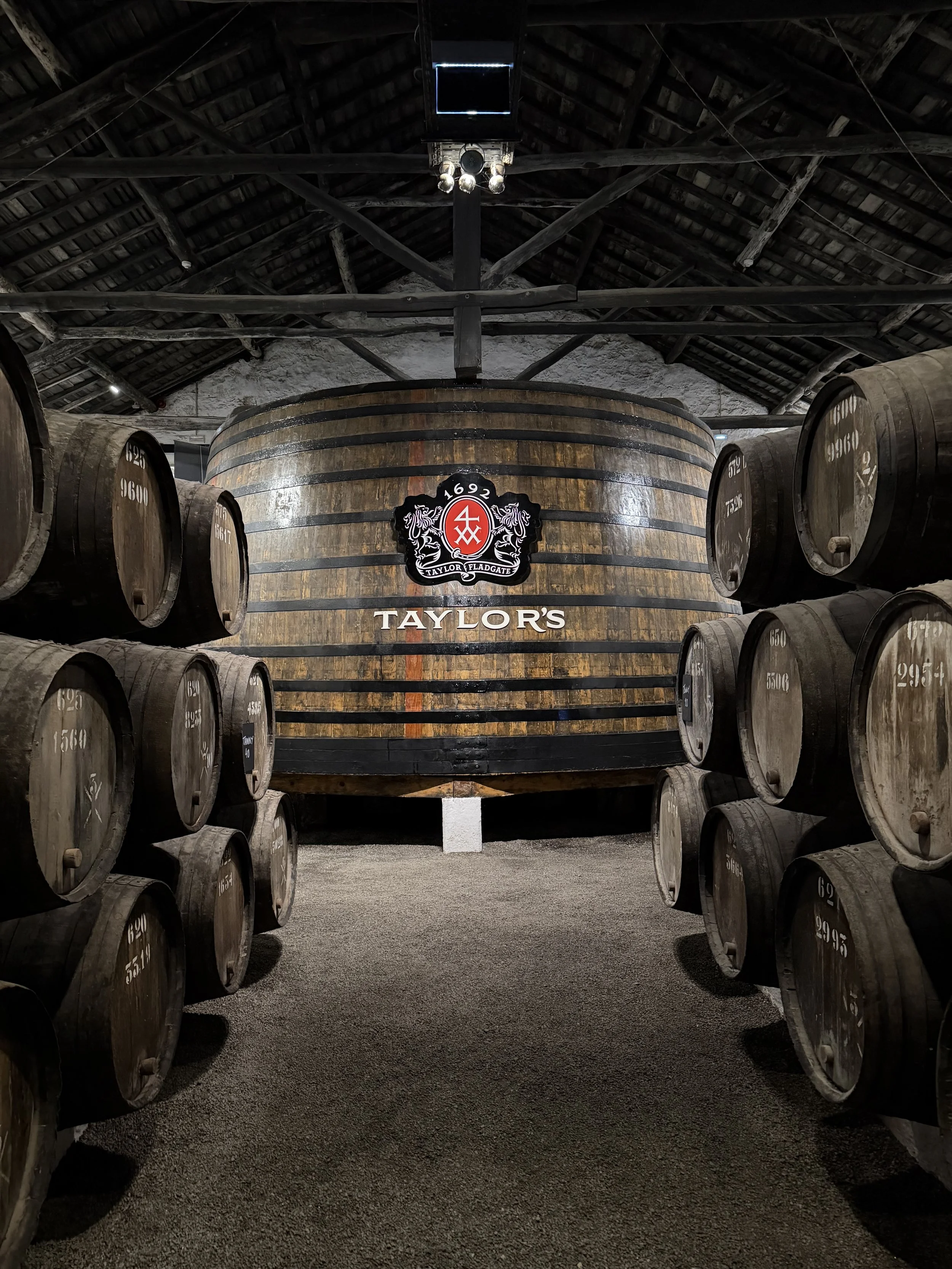
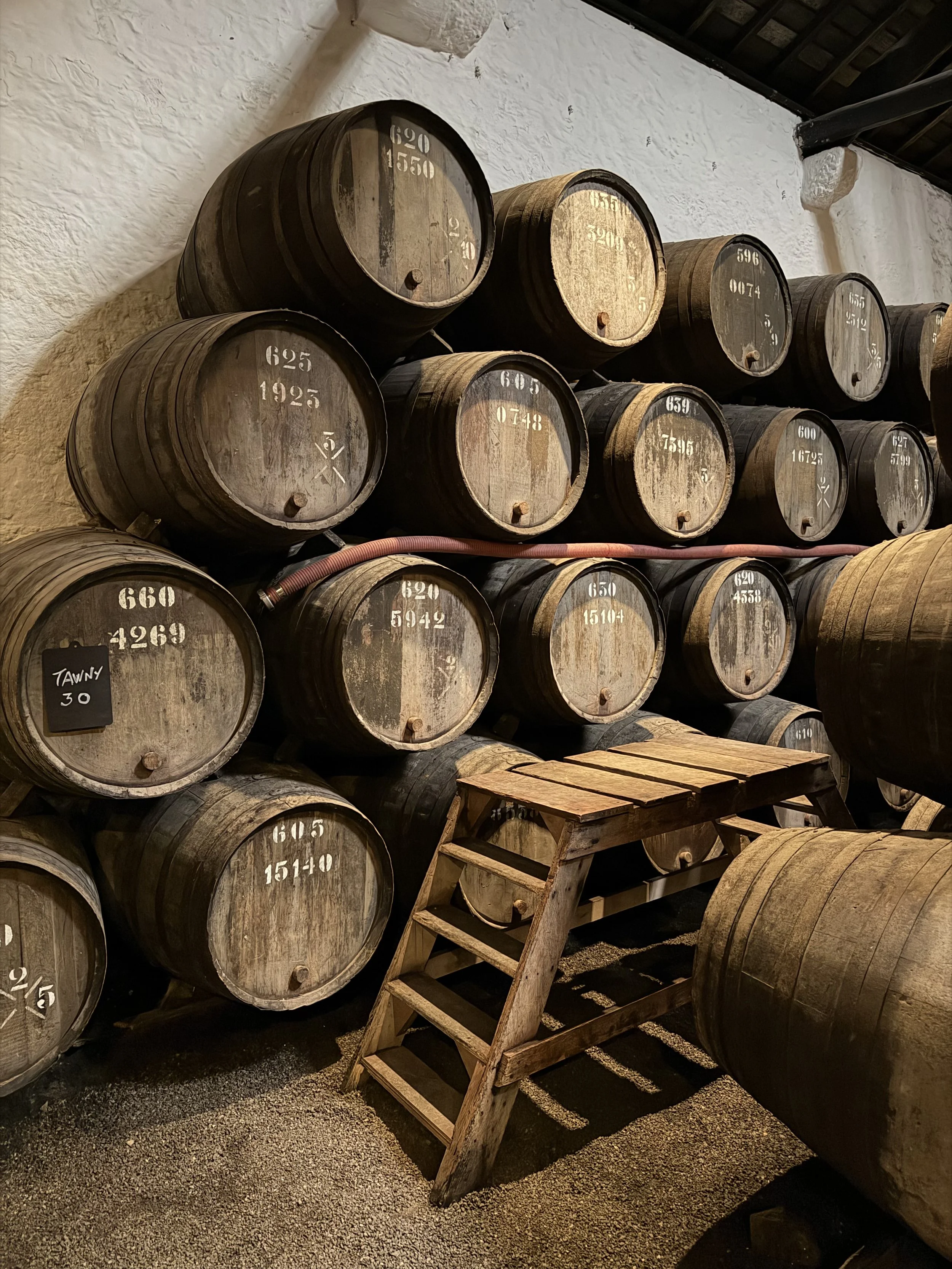
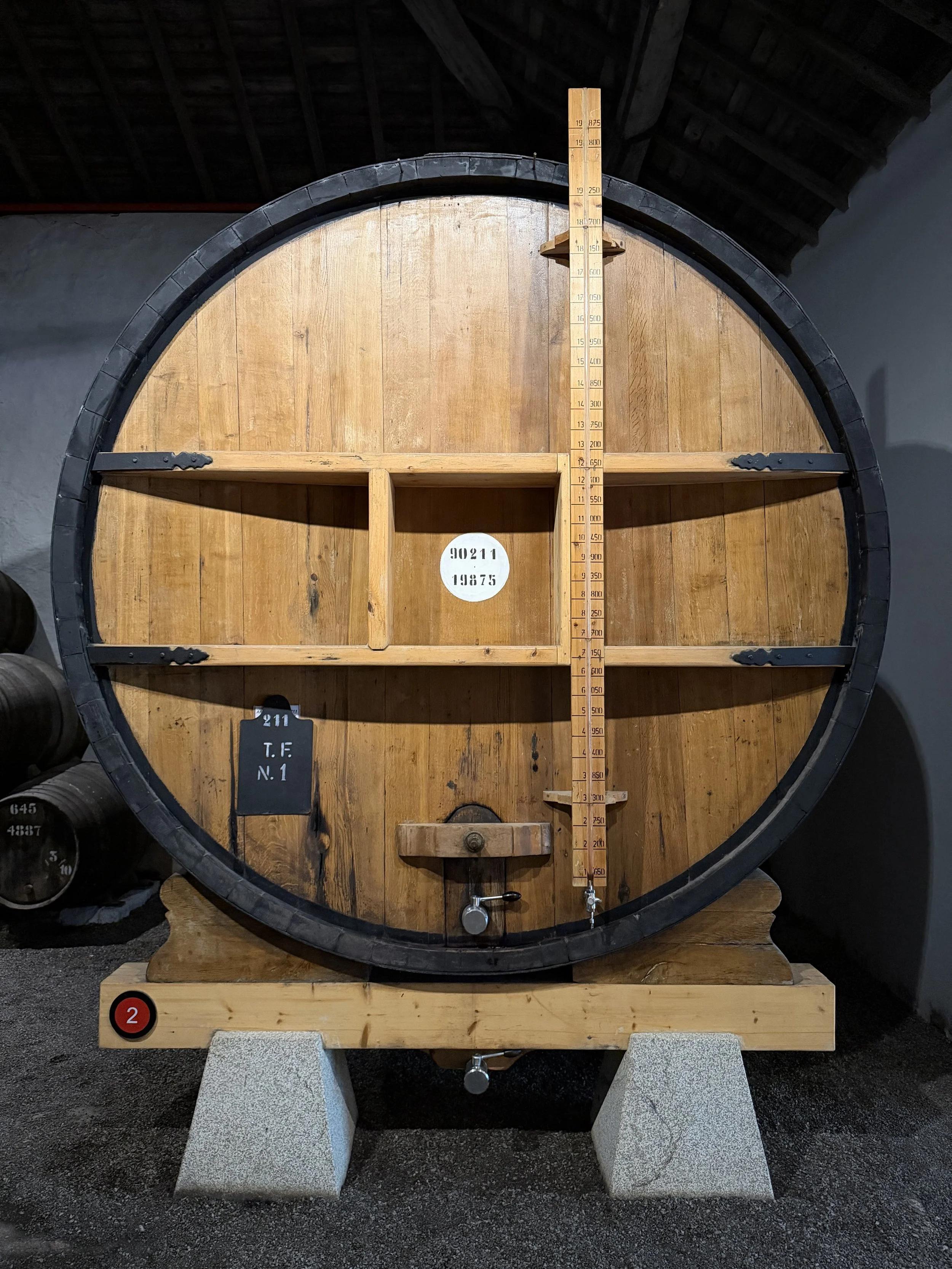
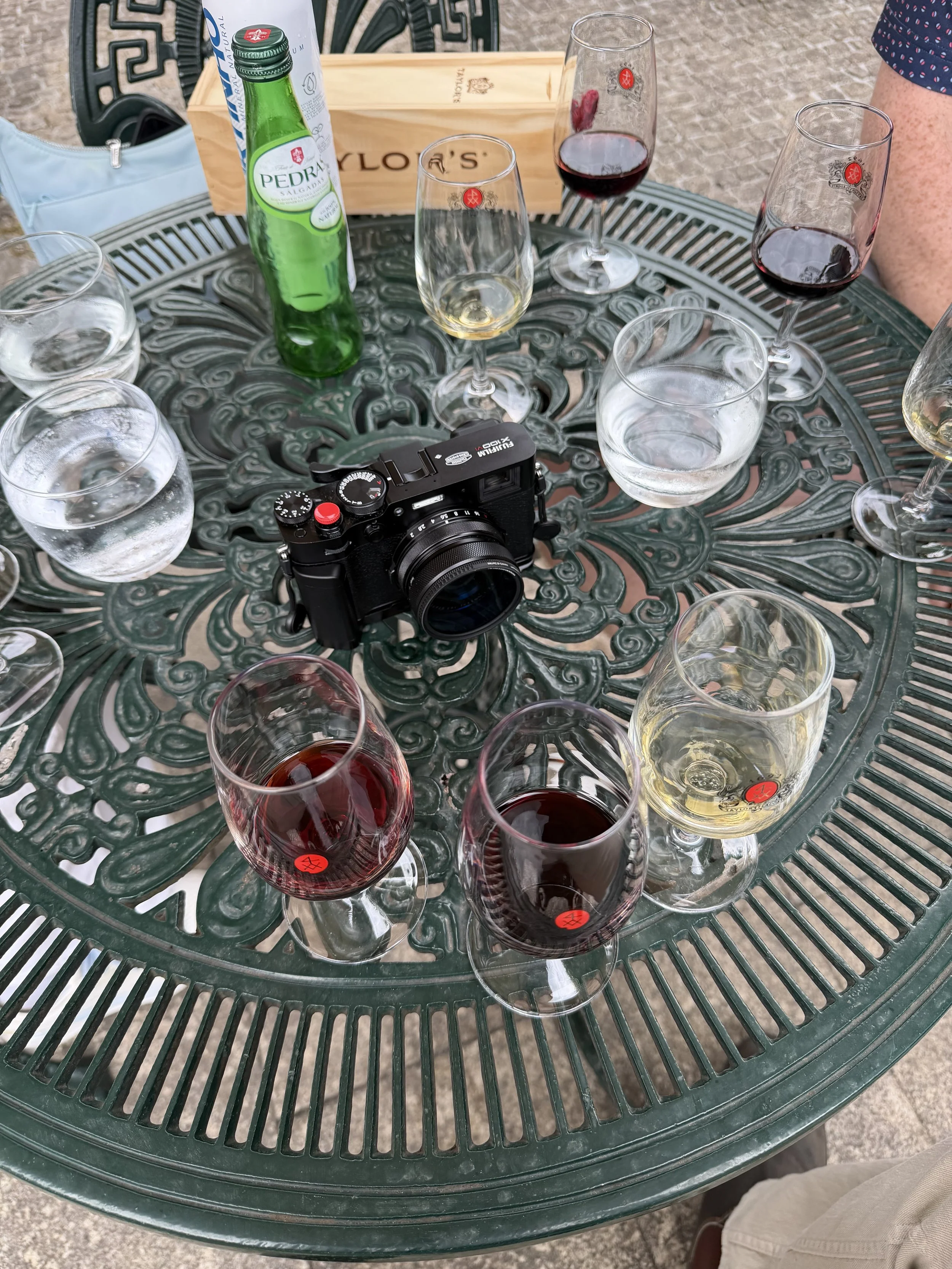
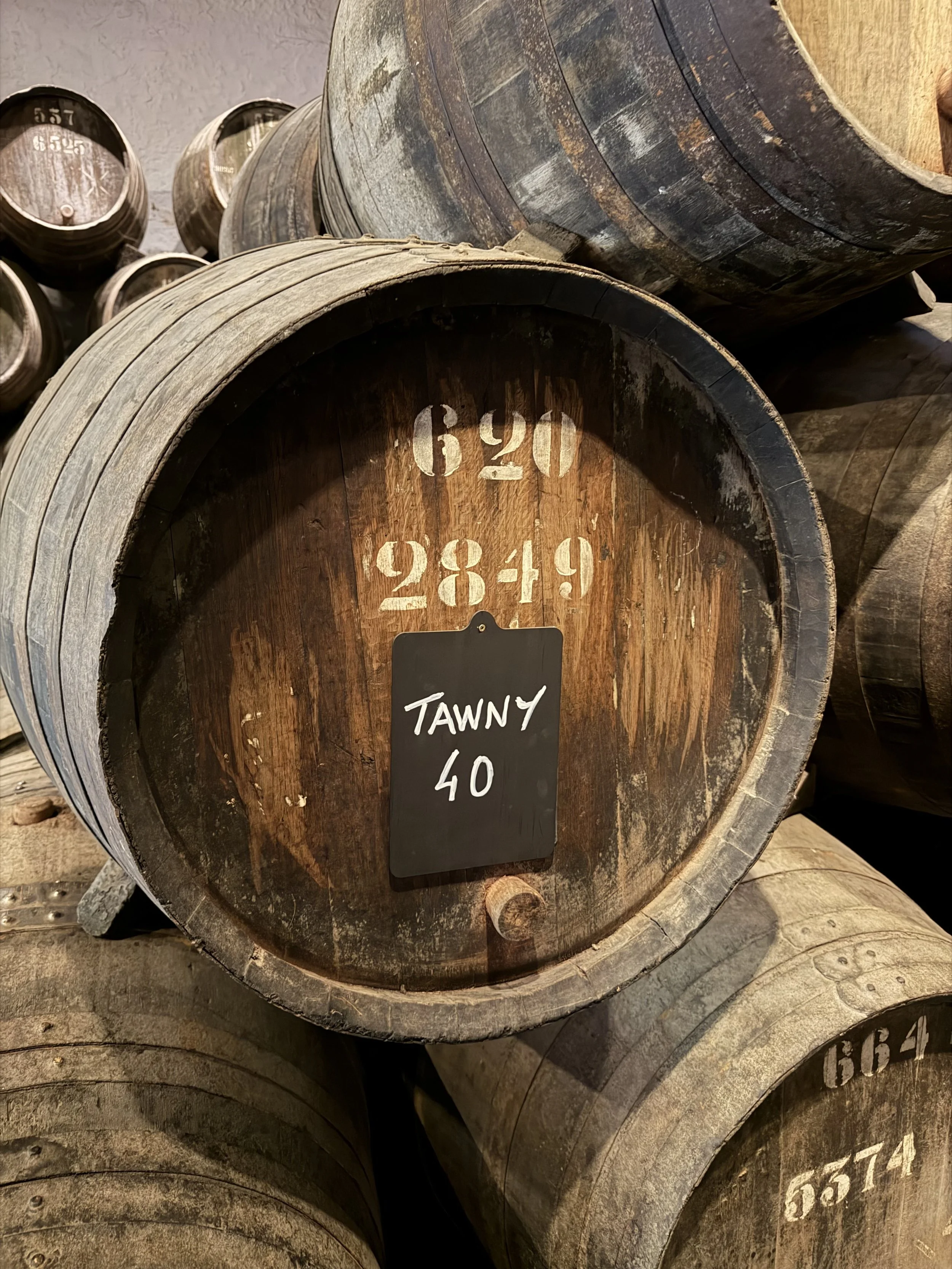
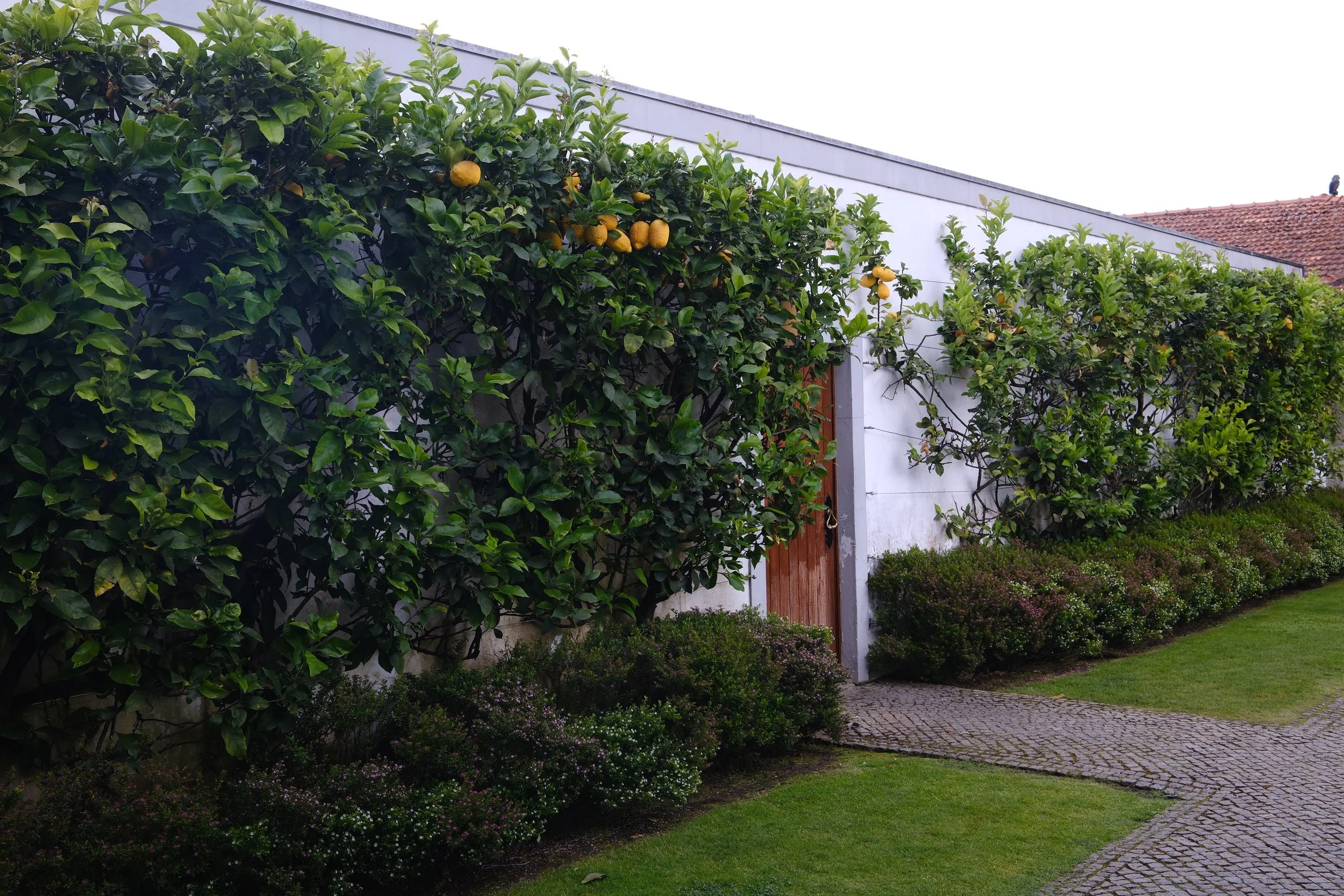
Taylor's is the name most Americans will recognize from restaurant wine lists and store shelves, and the lodge matches that brand recognition in scale. The facility is beautifully documented, the tasting menu is extensive, and the production is top-tier. The tour is self-guided via audio on your own device. If you are the kind of person who reads every placard in a museum and appreciates going at your own pace, this is the best spot for you. I am not that person. For the same price as a guided tour elsewhere, I would recommend going straight to the tasting room or budgeting the full time if the audio format actually fits how you travel.
Quevedo
Best casual stop. Low-key.
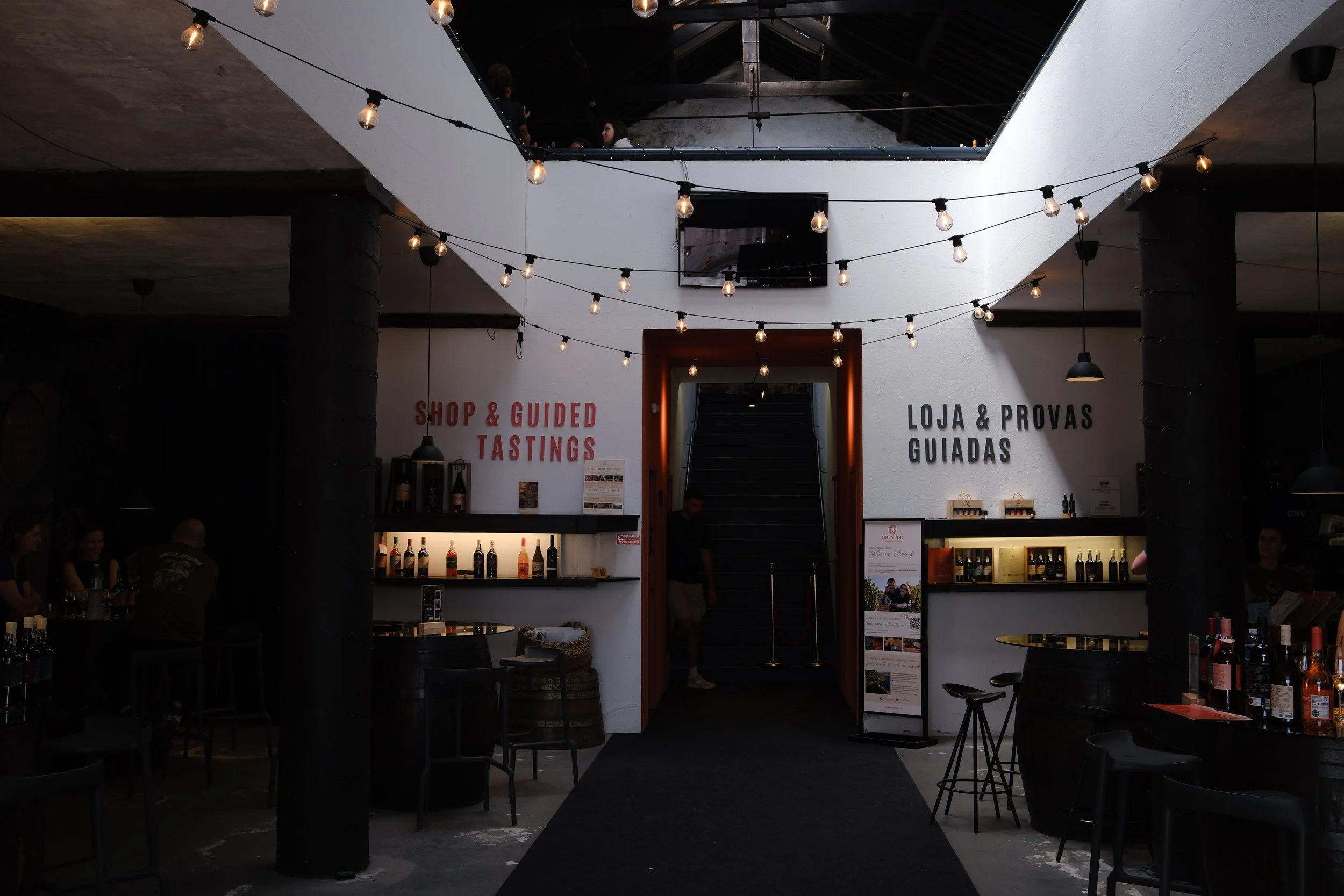
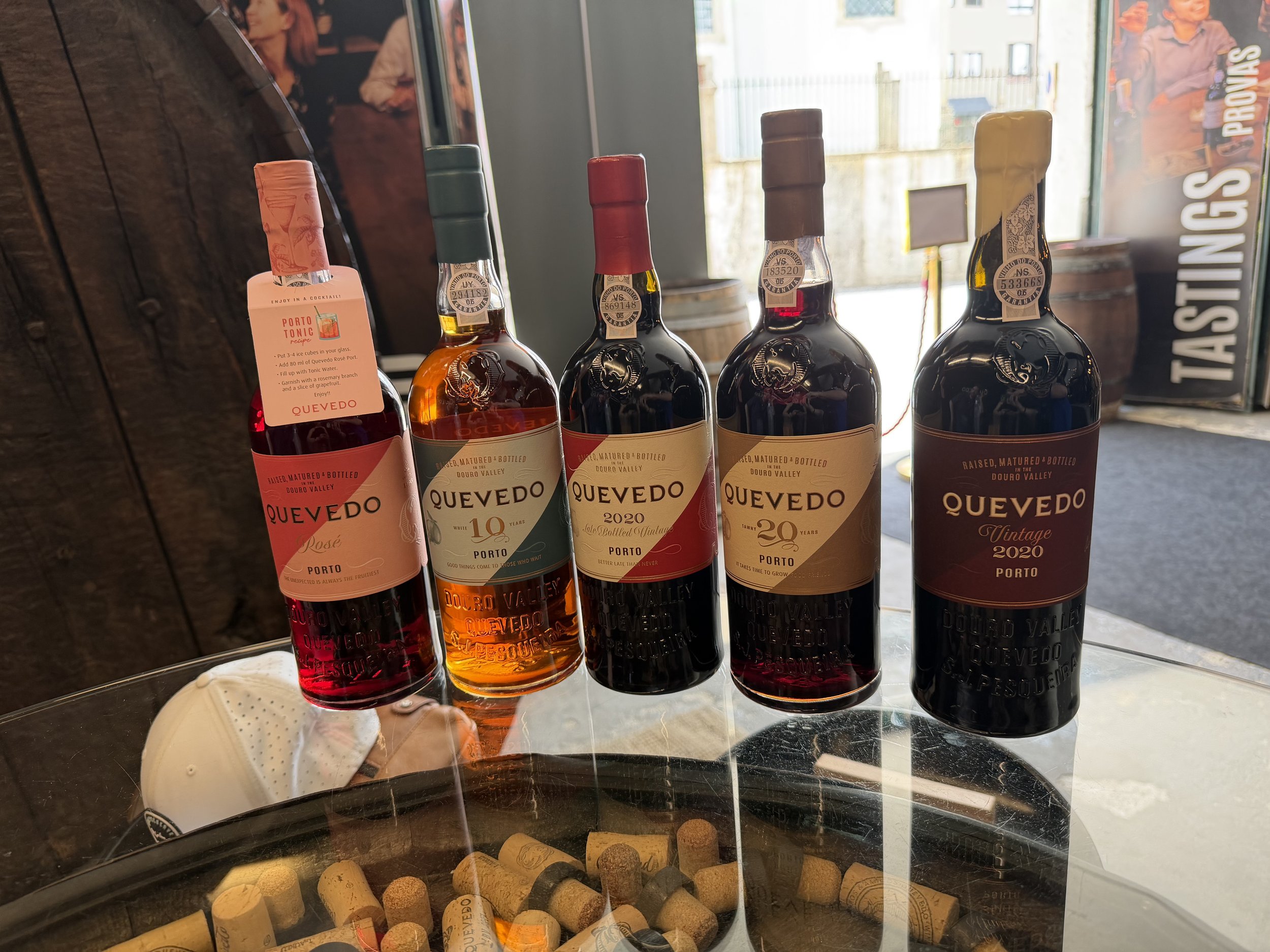
Quevedo was a small pit stop that turned into a nice casual hang. The range of vintage and tawny ports is affordably priced, the rosé port is a fun pour for anyone still on the fence port or the entire category in general. The second floor is reserved for larger group reservations, so smaller parties will be on the main floor. Space can become limited in the late afternoon.
Porto Augosto
Best for supporting smaller producers
Quick and to the point. Augosto is a smaller house still working to build its name in a field dominated by century-old institutions. It produces everything by hand (foot stomp!) and that alone is reason enough to spend time and money here. The tasting was a bit scattered the day I visited, but I left glad to have stopped. The established houses have more than enough foot traffic. The smaller ones need the visit and support!
Notable Others
If your schedule allows: Burmester, Fonseca, Calem, and Kopke are all worth exploring. Calem is centrally located. Kopke holds the distinction of being the oldest port house still in operation. Both are strong choices for extending your visit beyond the most-visited lodges.
Additional Resources
On Port Wine
IVDP - Instituto dos Vinhos do Douro e do Porto: The regulatory body for port and Douro wines. Good reference for production rules, declared vintages, and permitted varietals.
Wine Folly: Port Wine Guide: A solid visual introduction to styles and production for anyone starting from scratch.
Planning the Trip
Visit Porto: Official tourism site with neighborhood guides, transport, and logistics.
Visit Douro: Useful for planning the valley day trip, including river cruises and quinta visits.
