Warsaw, Glass by Glass: Vodka, Wine, and a City That Refuses to Be Defined
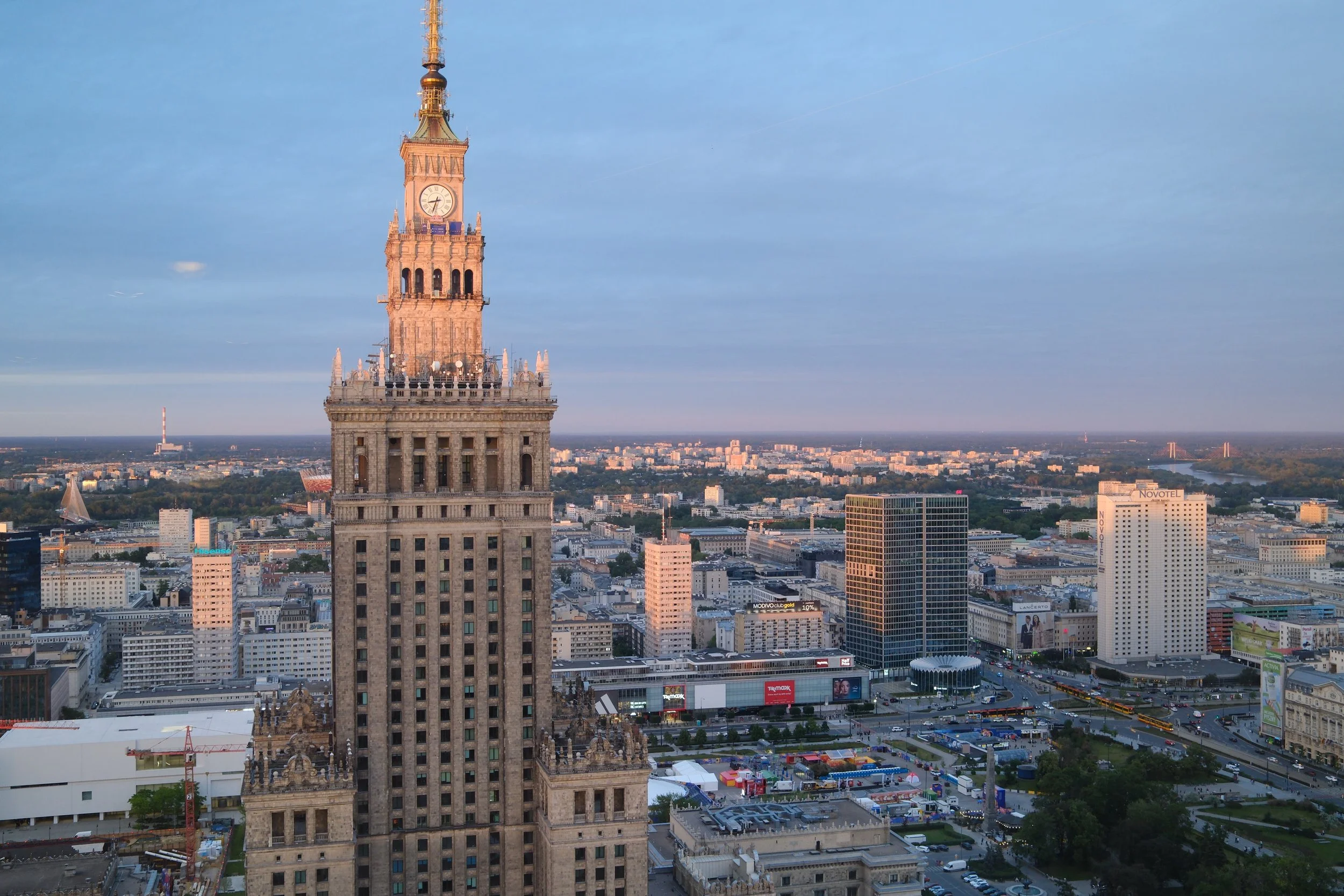
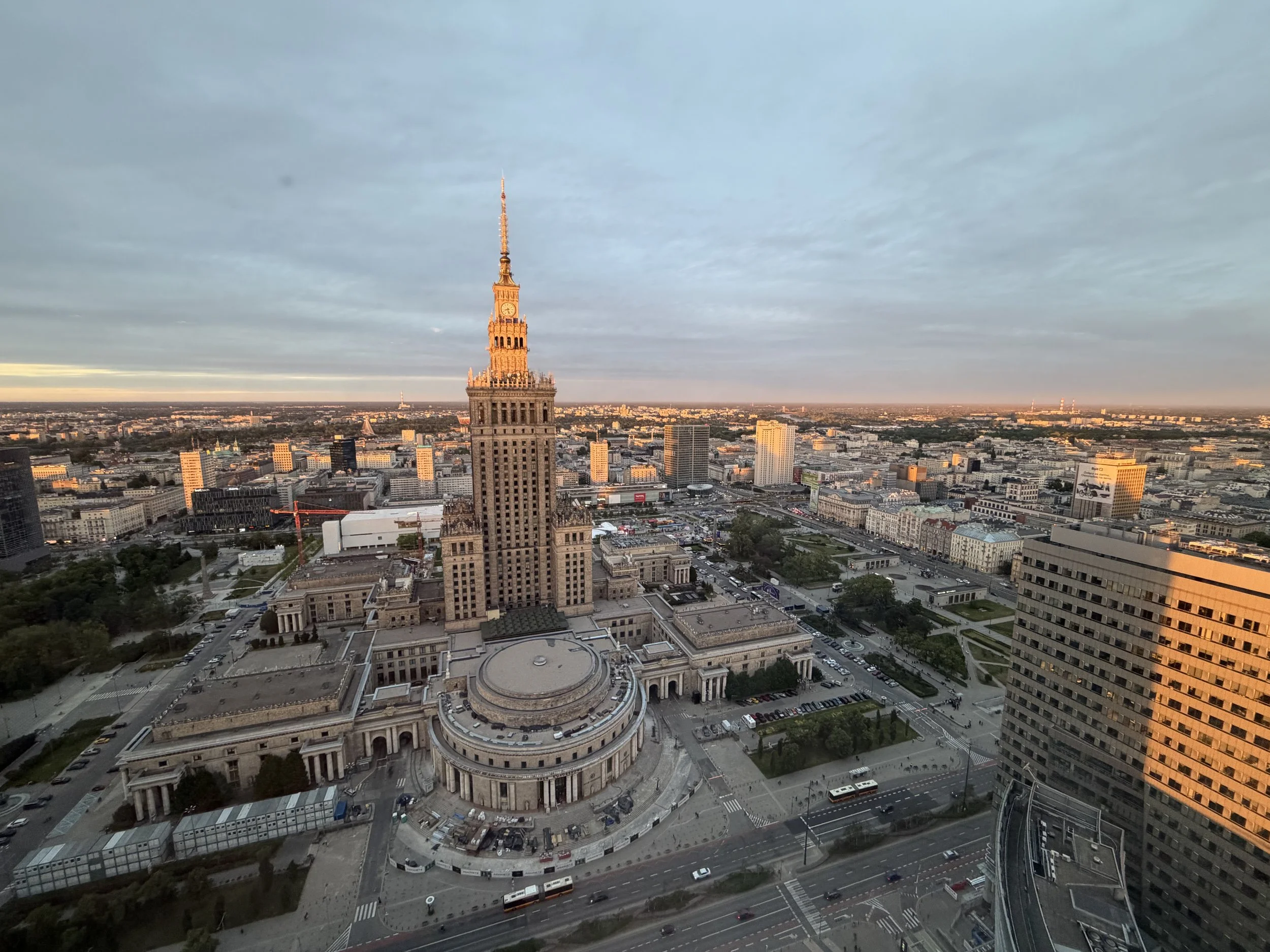
There are cities that hand you their identity at the door. Warsaw is not one of them. More than ninety percent of it was destroyed in the Second World War, and what stands today was rebuilt brick by brick, sometimes from photographs and paintings. That history sits underneath everything here, including the food and the drink. When a city rebuilds itself from rubble, the things it chooses to put back say something. Warsaw chose to take its vodka seriously, grow a wine culture, and fill its old factories with people eating and drinking late into the night.
I went to catch up with an old friend and expected to enjoy some "day in the life" activities along with a touristy visit to the Polish Vodka Museum. I came back with a notebook full of wine bars, a new appreciation for plum moonshine, and the strong sense that Warsaw is one of the more underrated culinary cities in Europe, especially the capitals!
What Is Vodka?
Most people meet vodka in the worst possible context, usually in a plastic bottle or shot glass at a young age. That is a shame, because good vodka can be an expressive spirit, and Poland makes some of the best in the world.
Even though the Polish word "wódka" itself seems to be a diminutive of the word "woda" for water, in this case the name is not intended to suggest "little water." It actually refers to the similarity of the transparent liquid obtained through distillation to water.
Initially, the term was used to define different kinds of herbal infusions made through distillation of herbs and fruit. Alcohol obtained through distillation was called "aqua vitae" (water of life) or "okowita." Since the 17th century, alcohol distillates also began to be called "wódka."
Polish vodka is a protected designation of origin, which means the term carries legal weight in the same way as Champagne. To be called Polish vodka, the spirit must be produced entirely in Poland from Polish ingredients, made from one of five permitted grains or entirely from potatoes. Blending potato with grain is not allowed.
The base material matters more than most people expect. Across a proper tasting, the differences are clear. Potato vodka is light in taste, less warming, and it leaves a faintly oily trace on the glass and mouth. Wheat brings more depth and complexity. Rye can read as simple at first, then opens into a sweetness with a sharp edge, and it was my favorite of the flight. Barley is rarely used at full strength in Poland; if you want one hundred percent barley vodka, you'll find it as the specialty of Finland.
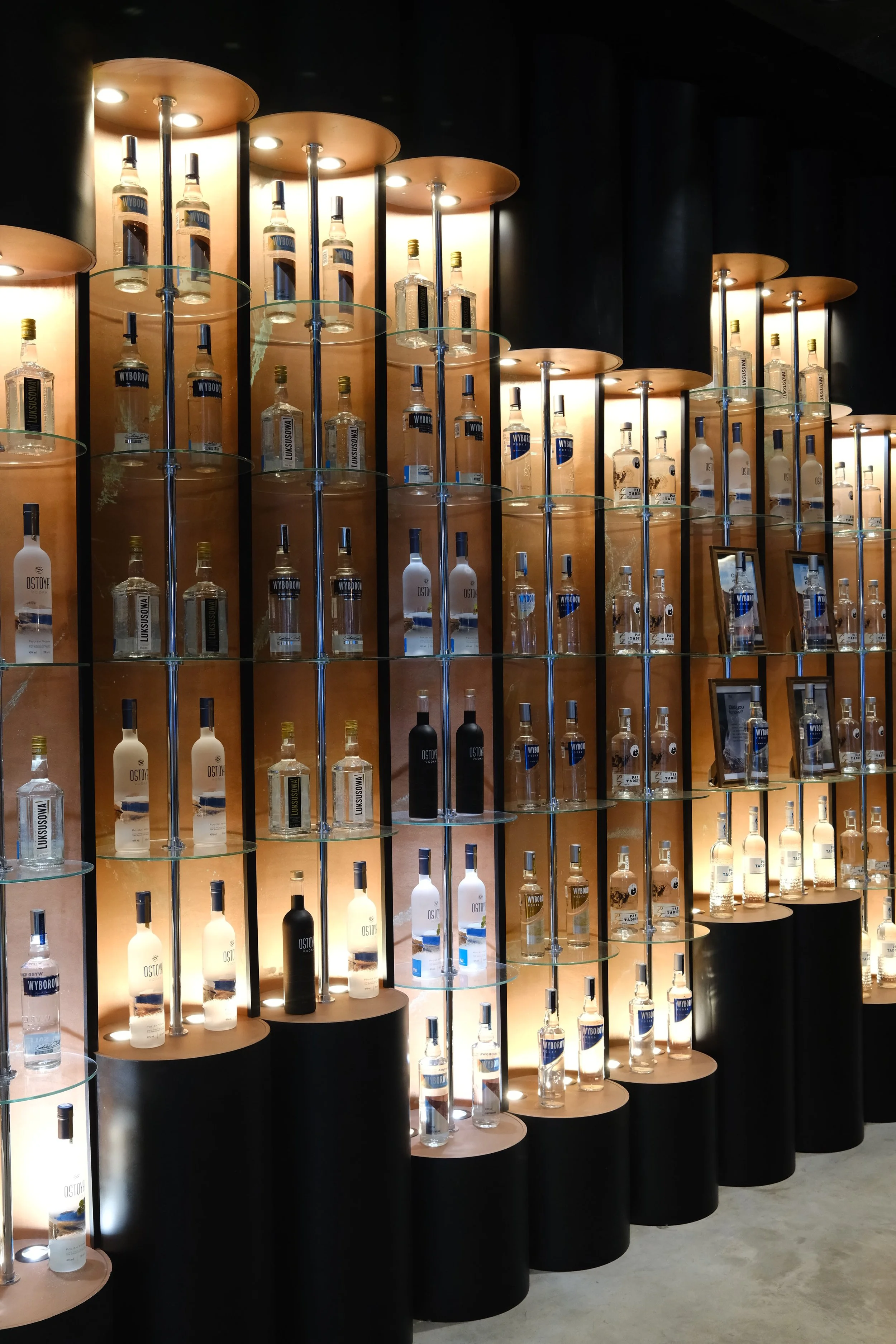
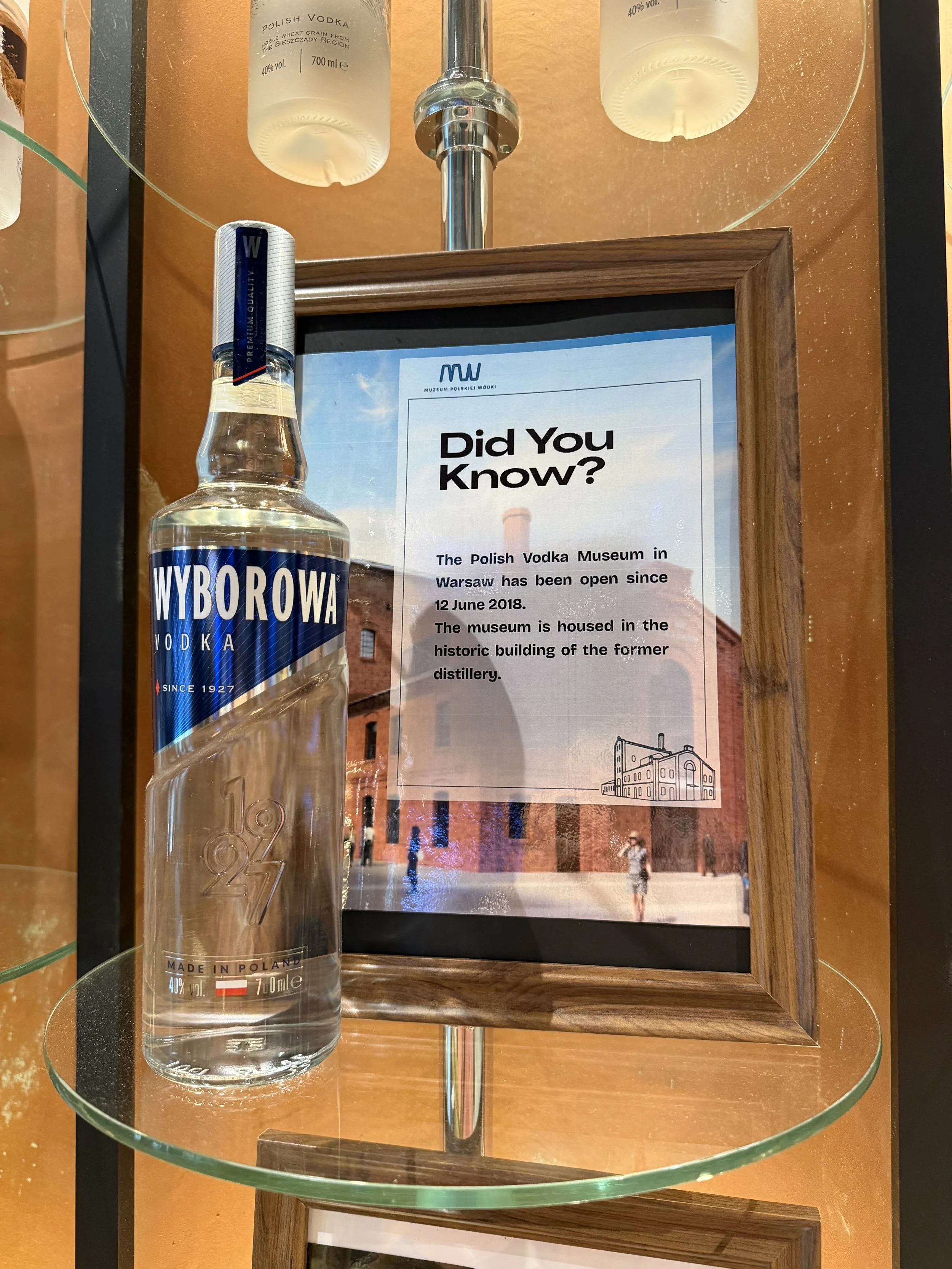
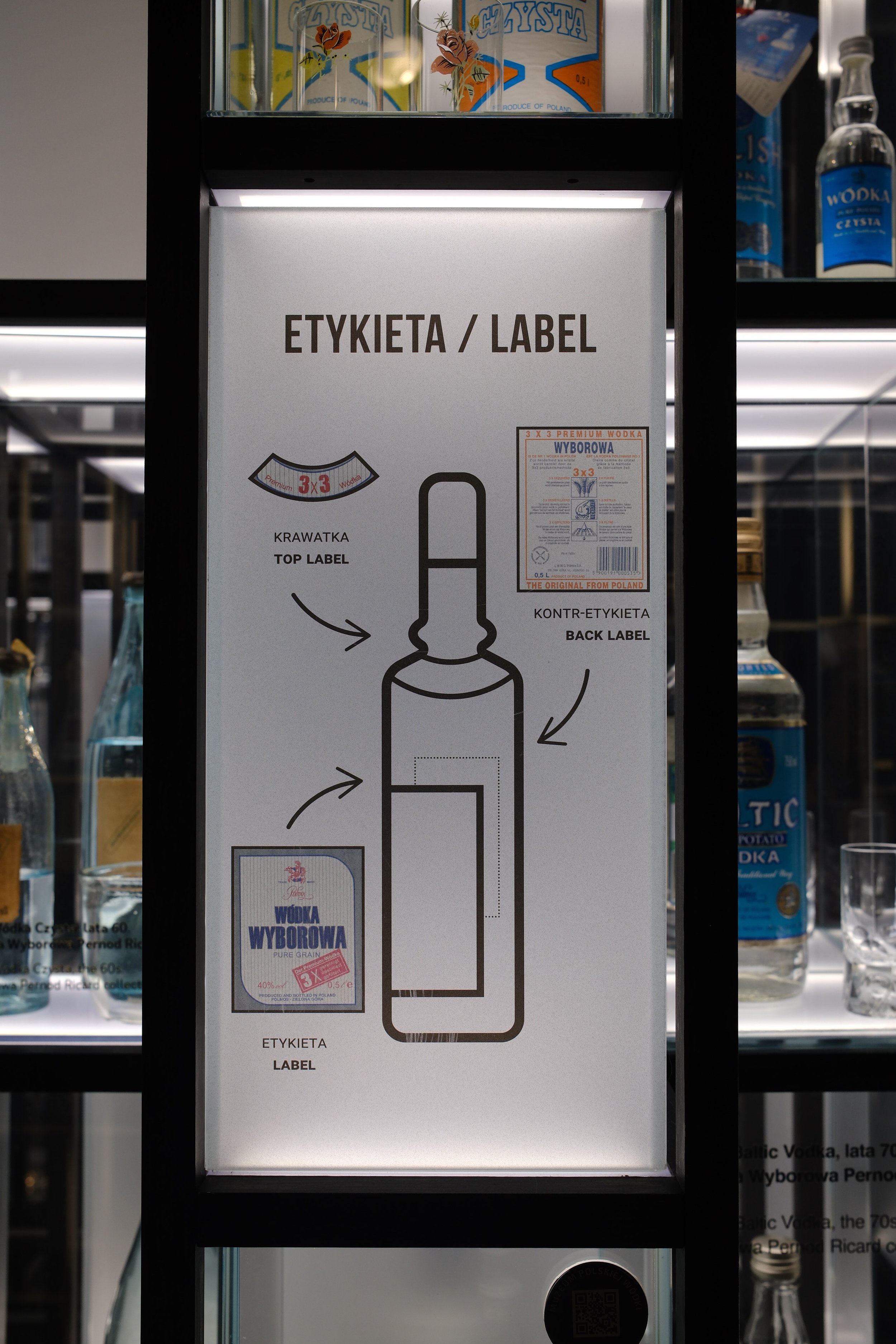
One brand worth knowing before you go is Wyborowa. It never stopped production, even through occupation and World War II. It was also the first Polish vodka to receive a geographical indication. It was even served on the first commercial Concorde flight.
The Polish Vodka Museum
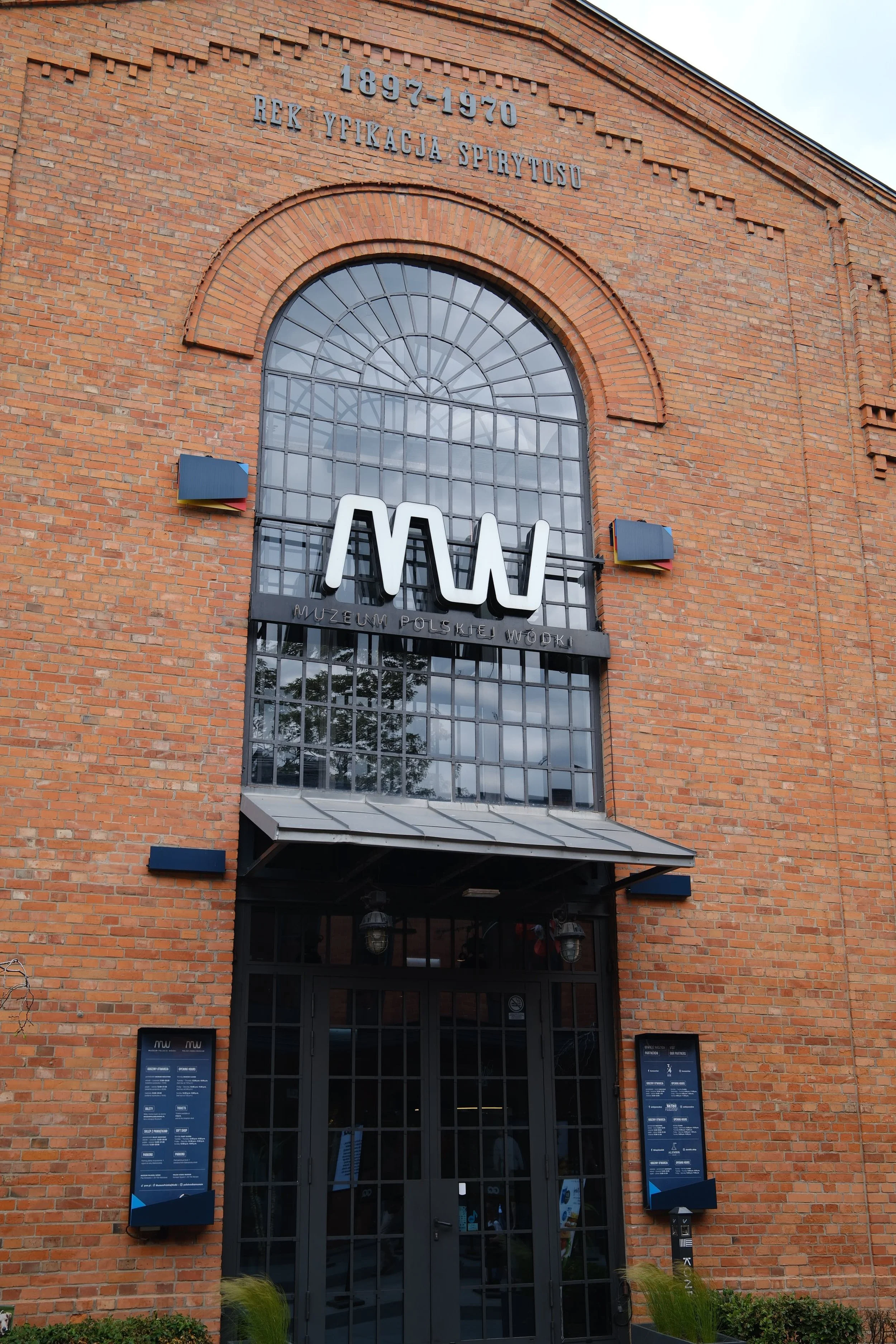
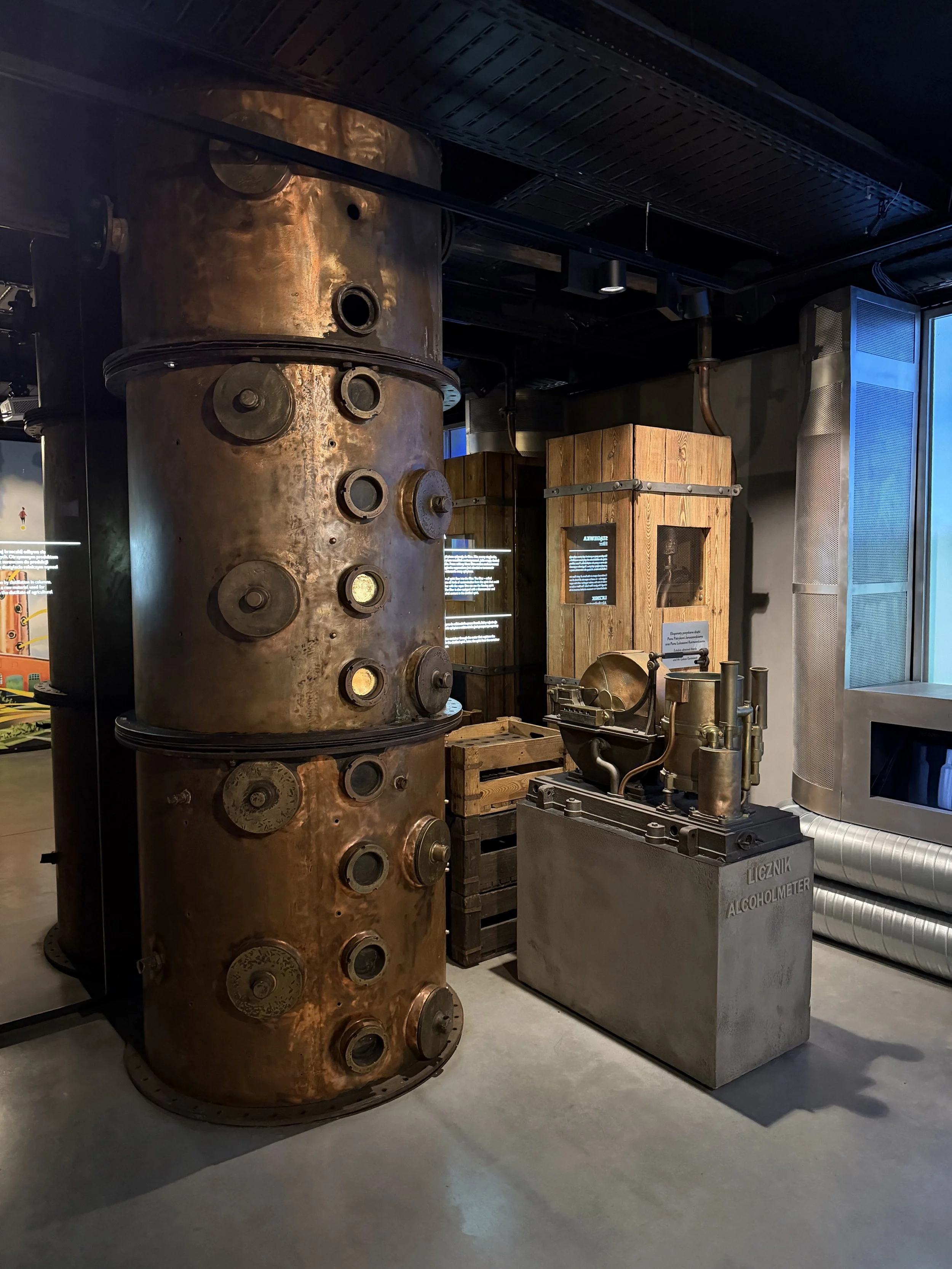
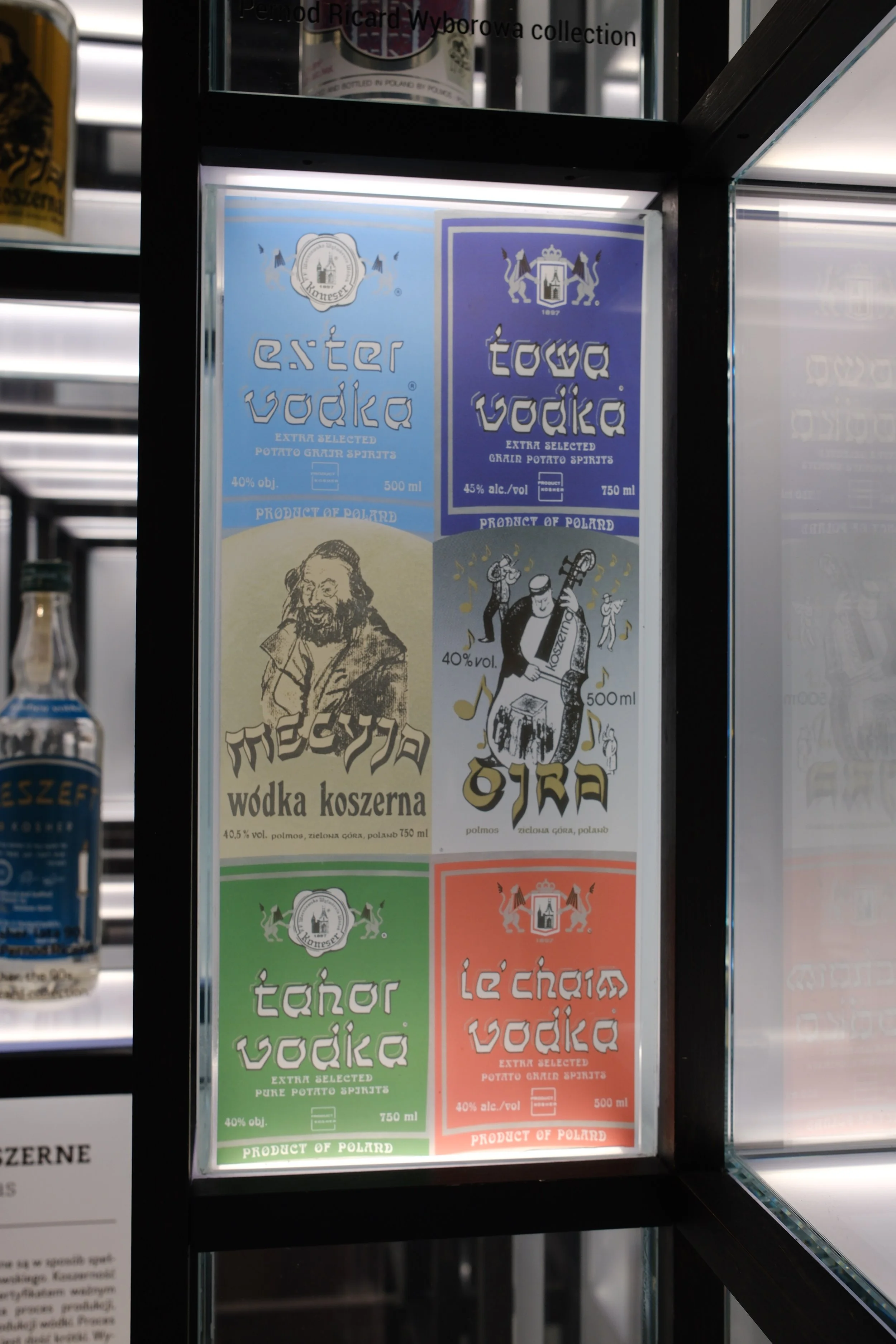
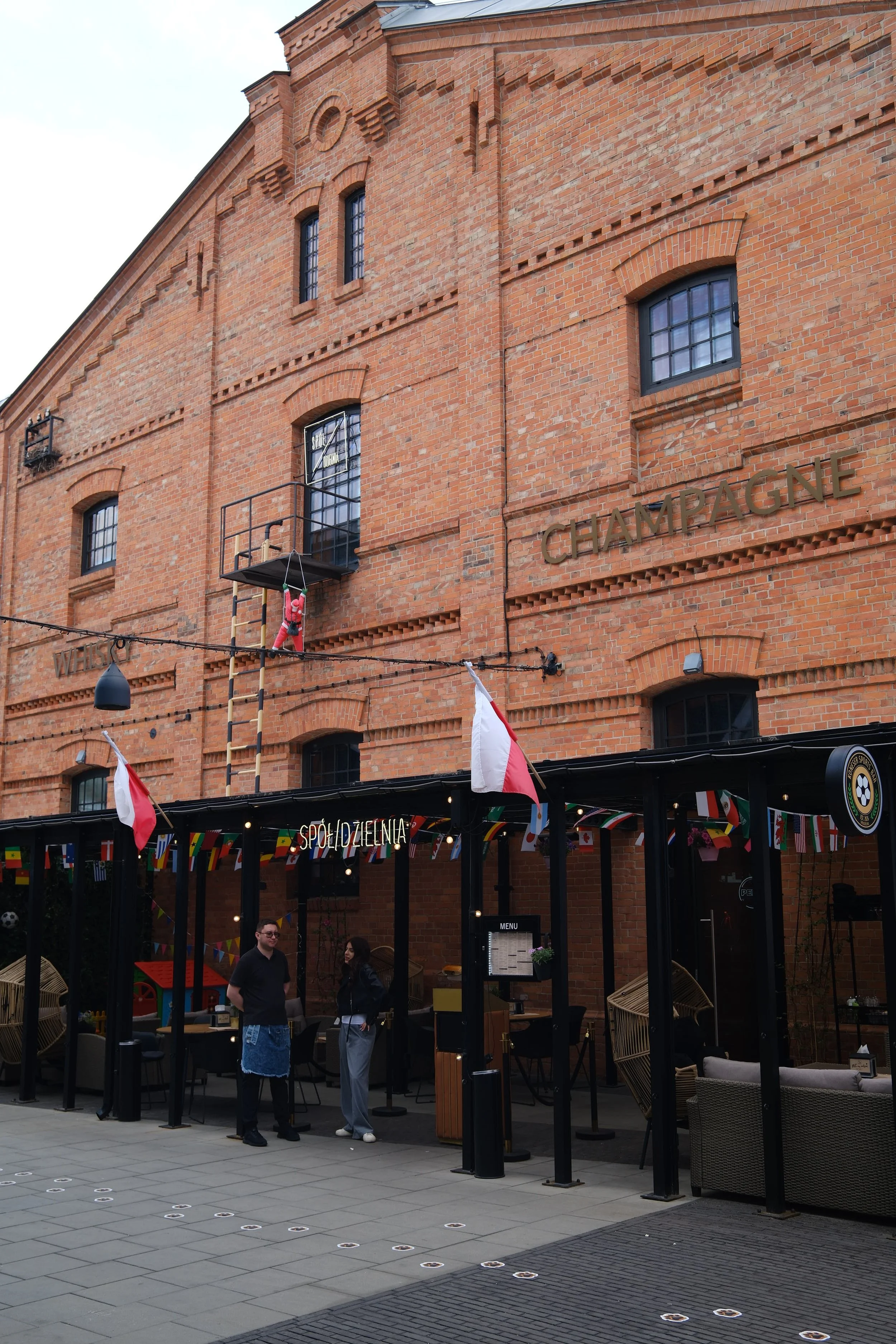
The museum sits in the Praga district, inside Centrum Praskie Koneser. This is the urban site of a vodka distillery that ran from 1897 to 2007. The neighborhood around it has filled the former warehouses and factory buildings with international restaurants, coffee shops, gyms, and bars.
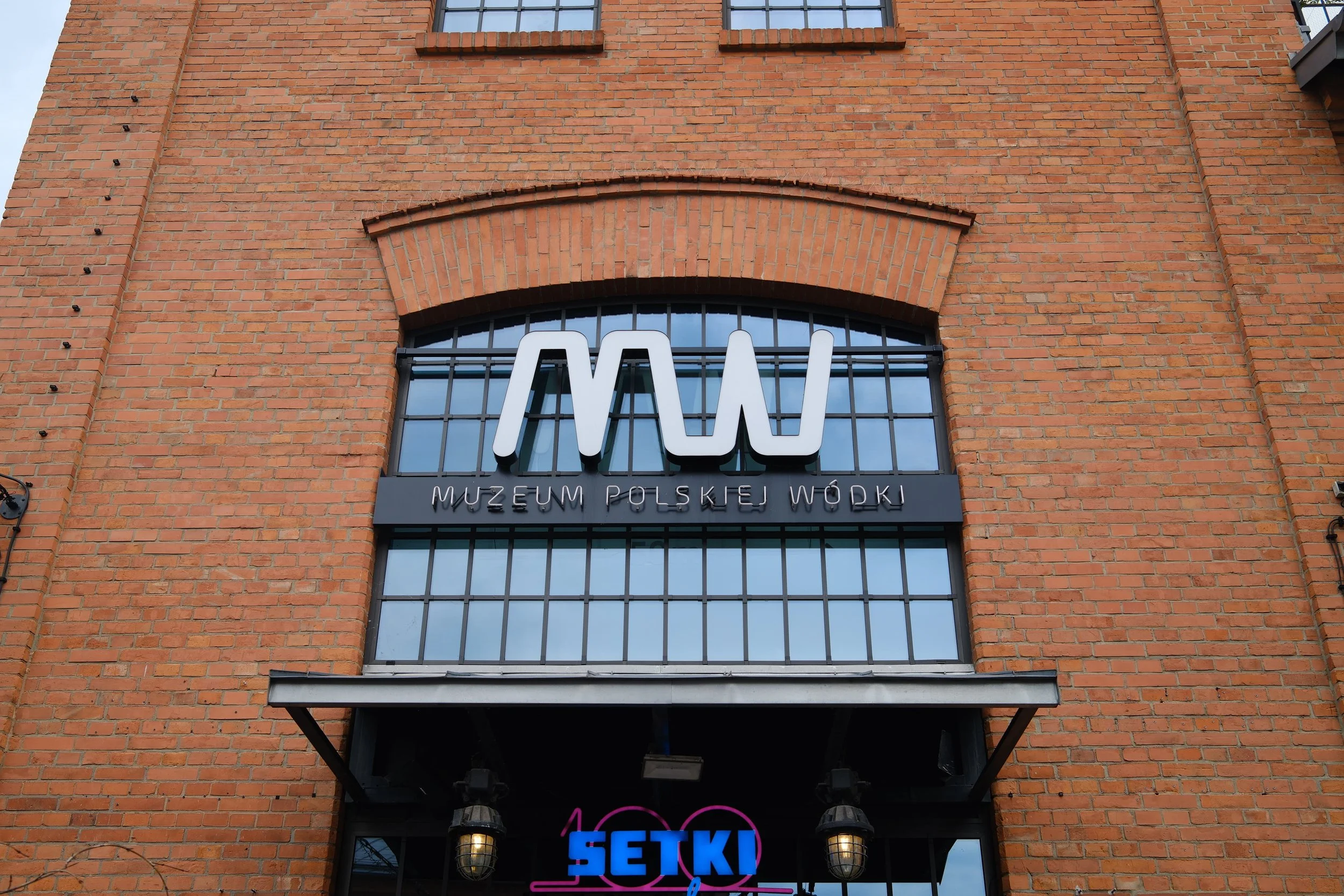
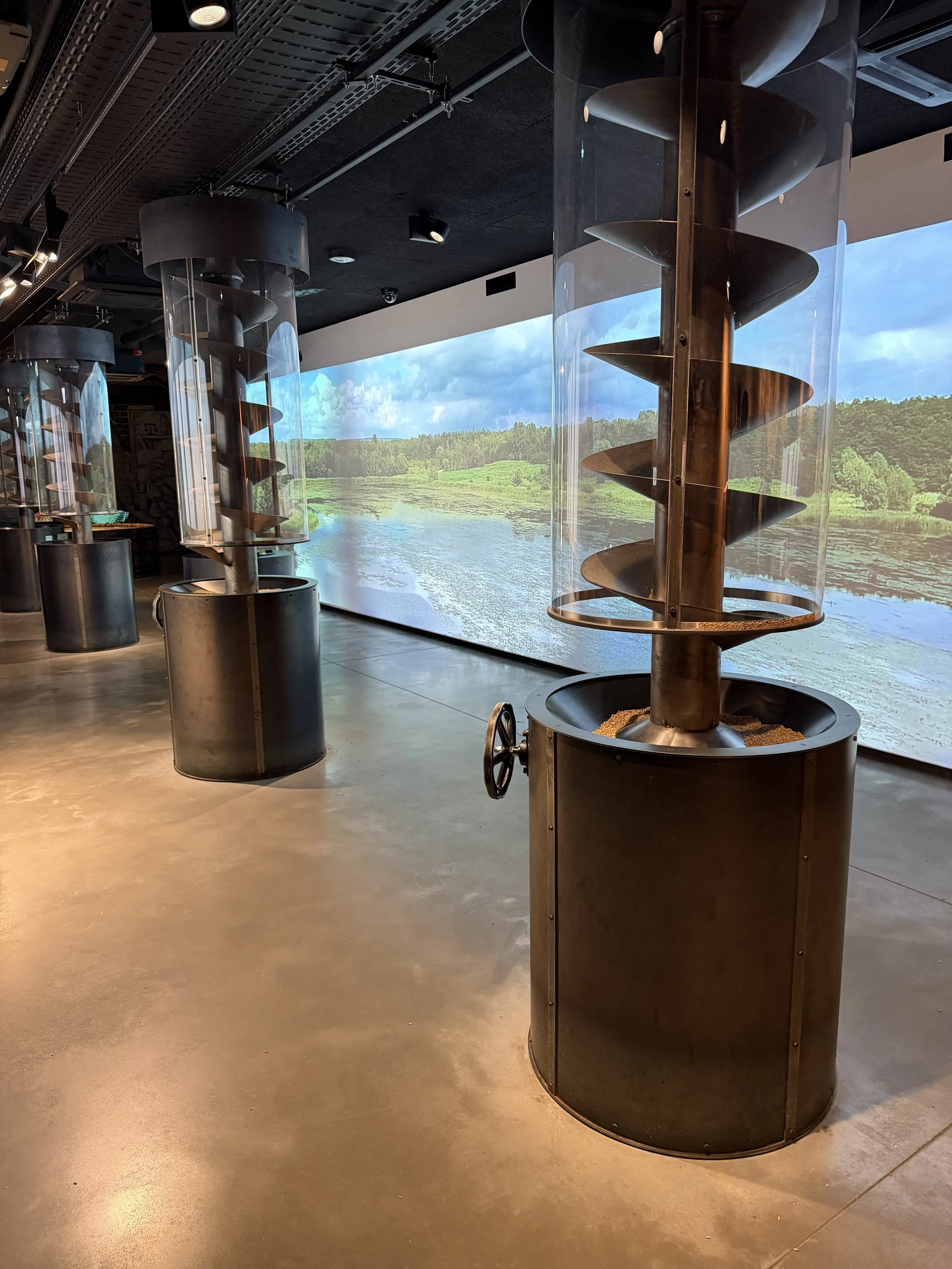
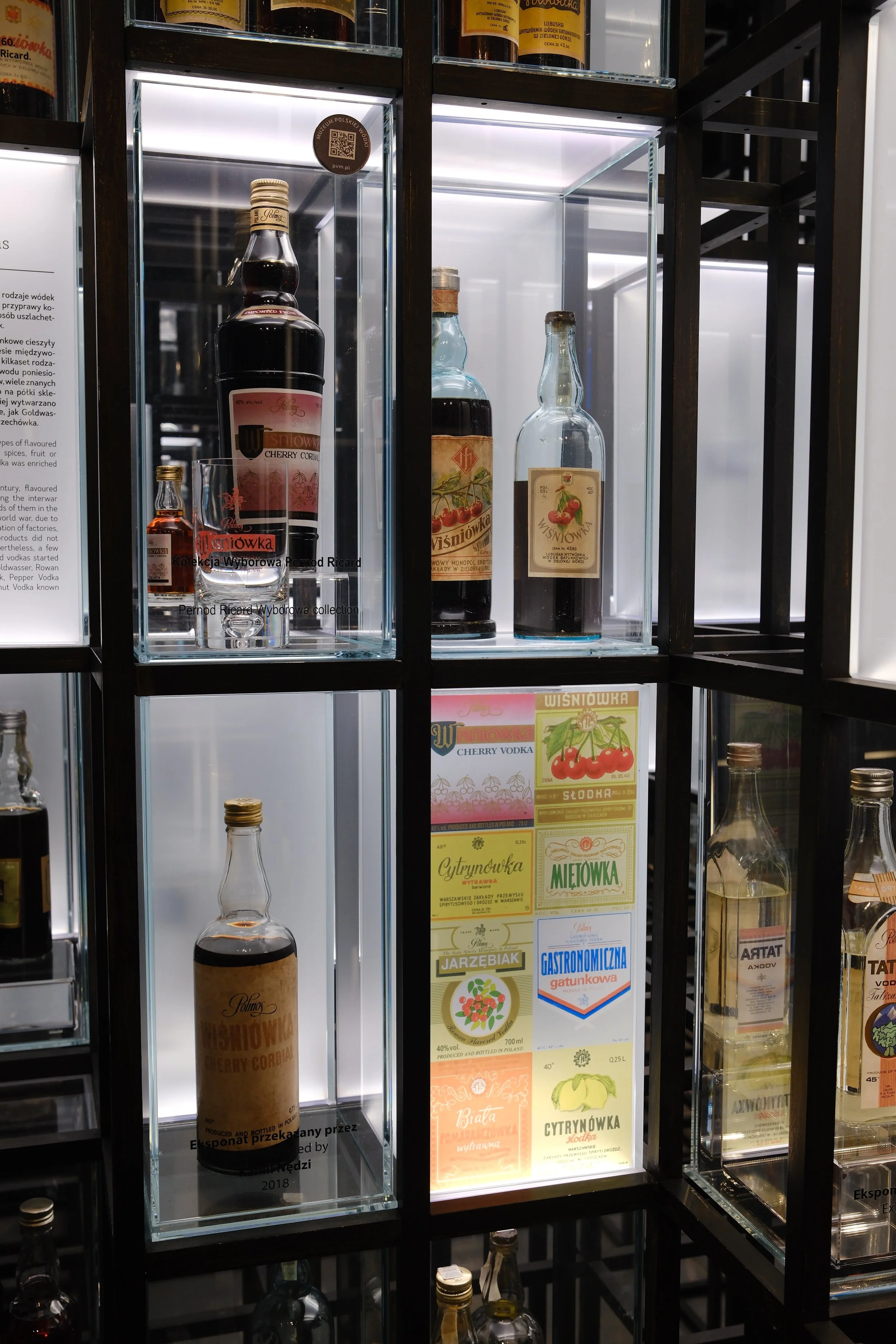
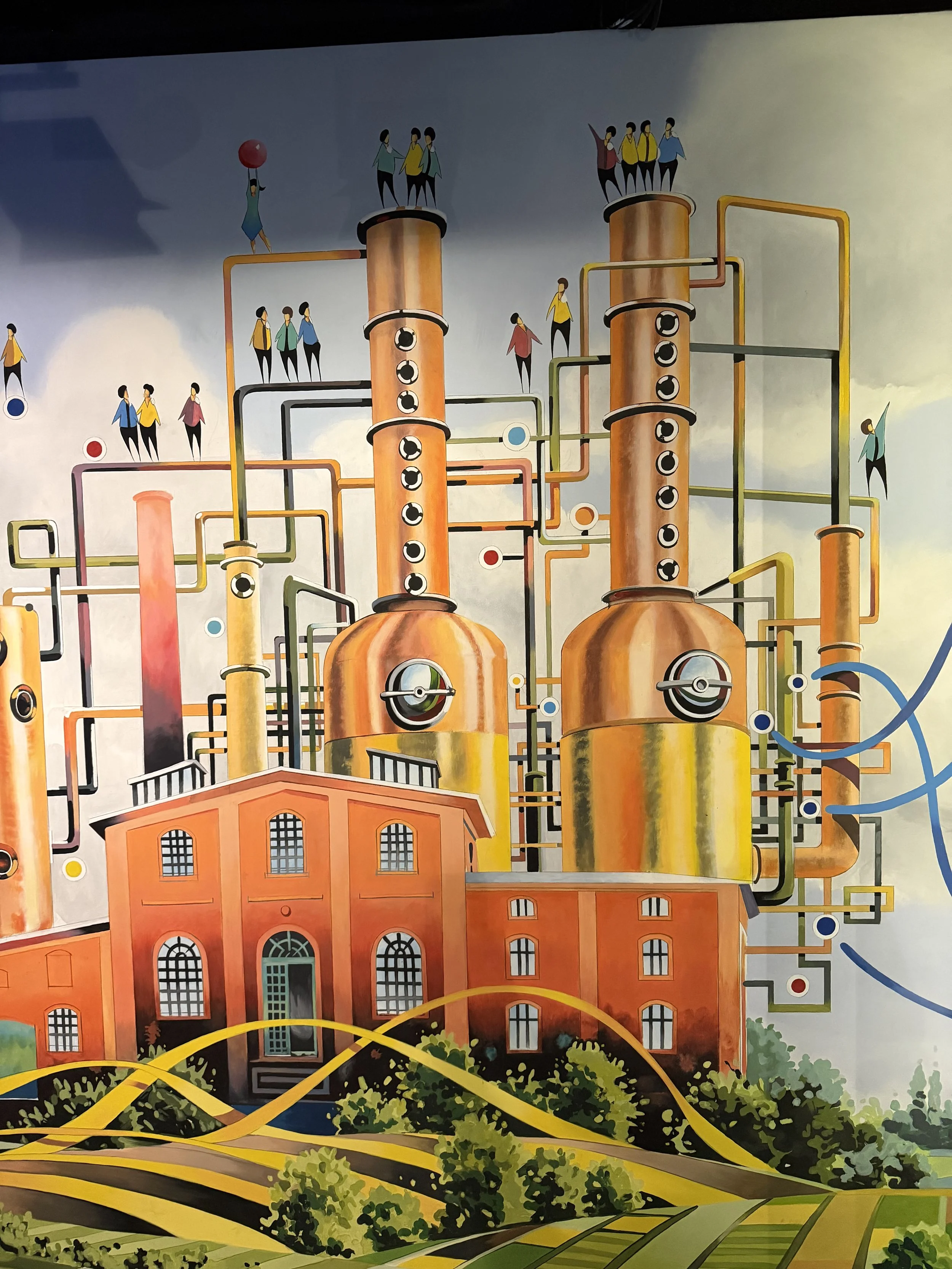
The experience opens with a film on the history of Polish vodka, which sets the baseline I described above and frames everything that follows. From there you move through a series of interactive galleries that carry the story from early production to the modern origin standards. Set your expectations correctly and you will enjoy it: this is a well-produced, story-driven museum, not a vast hall of artifacts. The tour runs a little over an hour and is built around the narrative rather than the objects. Everyone walked away learning something.
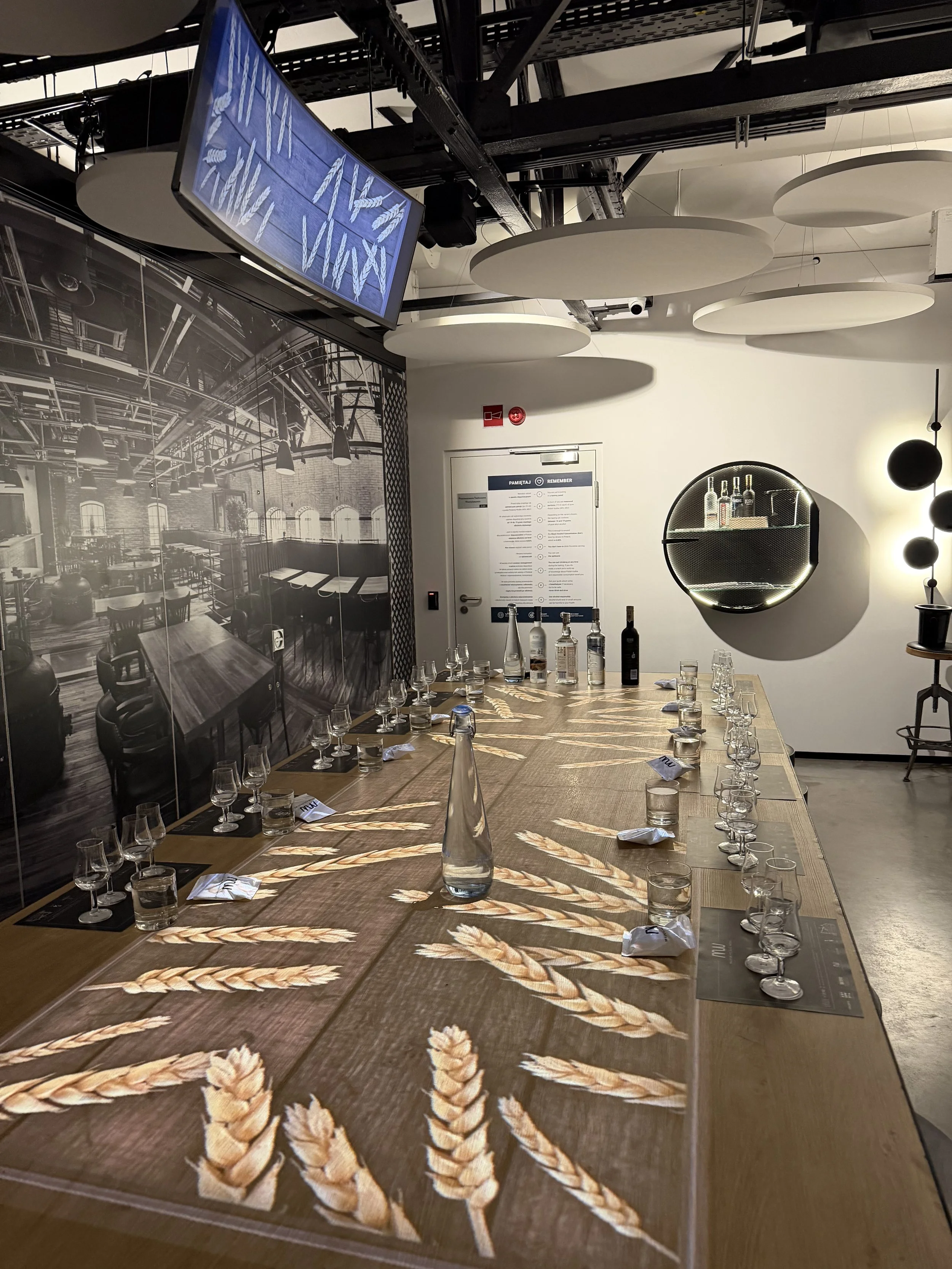
Then comes the tasting, which is usually everyone's favorite part and definitely the most interactive. You work through several styles, and the most honest thing I can tell you is that everyone in my group walked away with a different favorite. Most people think that there is little flavor or character, but the comparative tasting highlights the subtle nuances between wheat, rye, potato, and even the charcoal filter. Vodka rewards attention more than people give it credit for, and a good flight makes that obvious in about ten minutes.
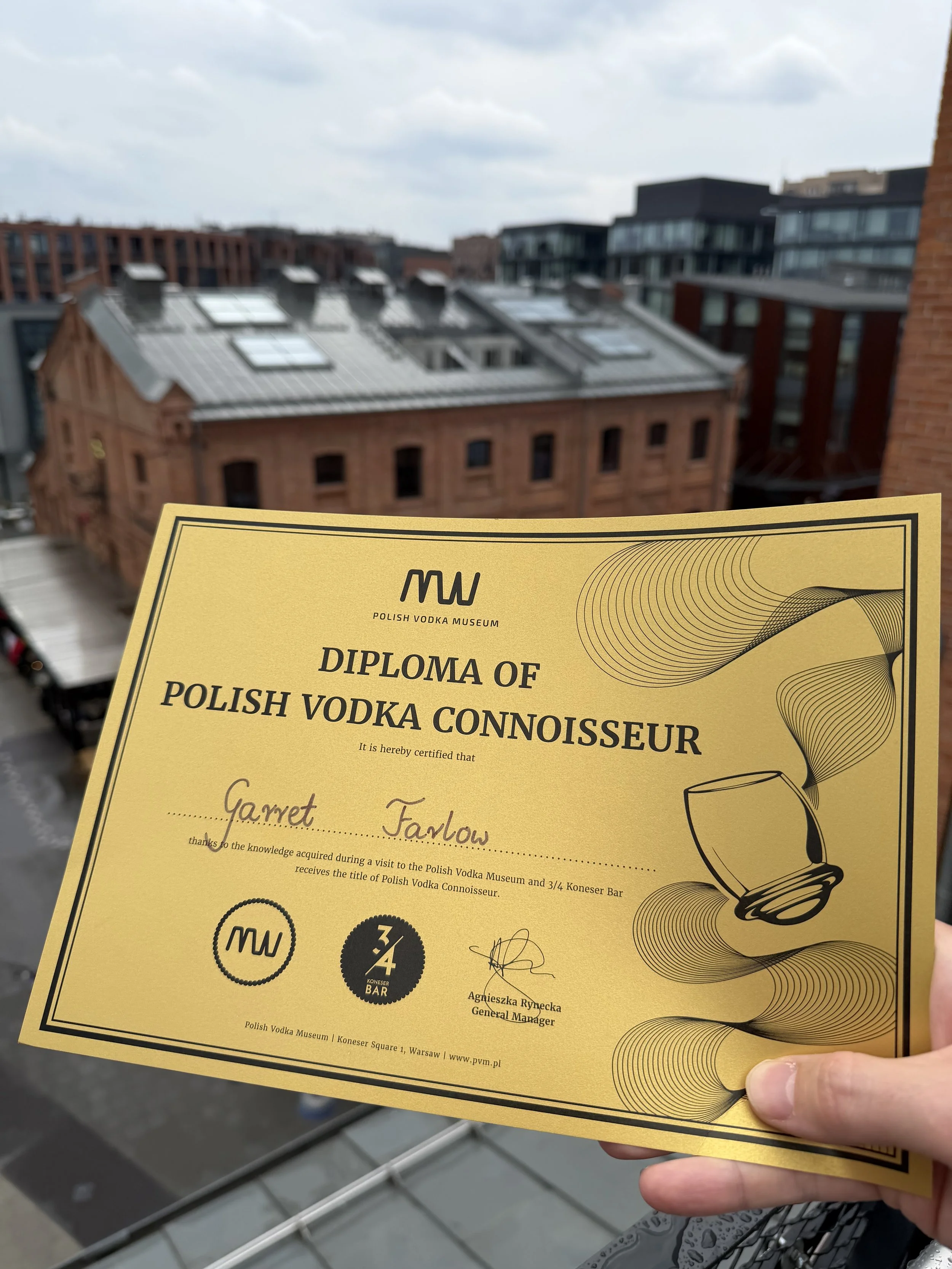
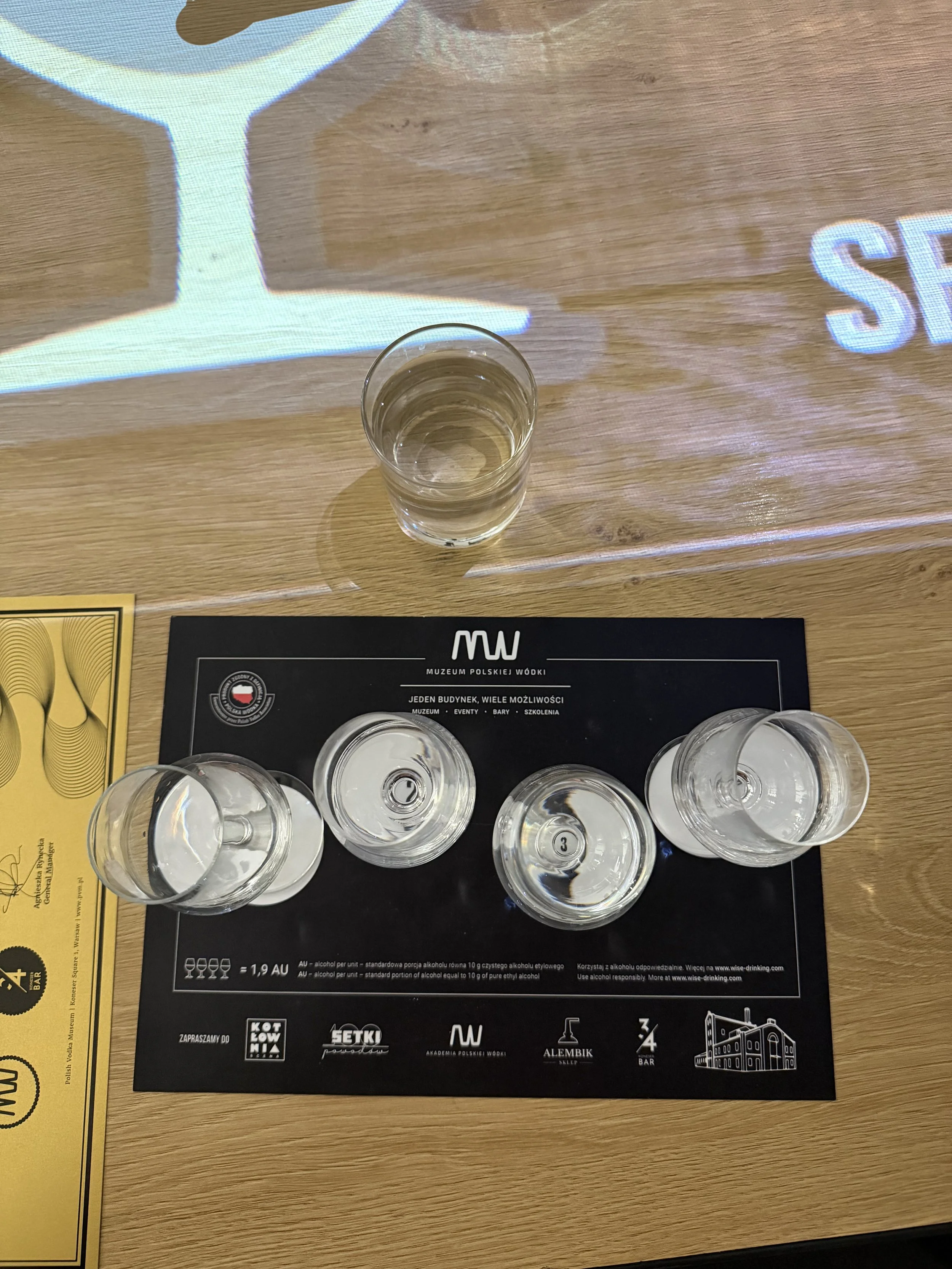
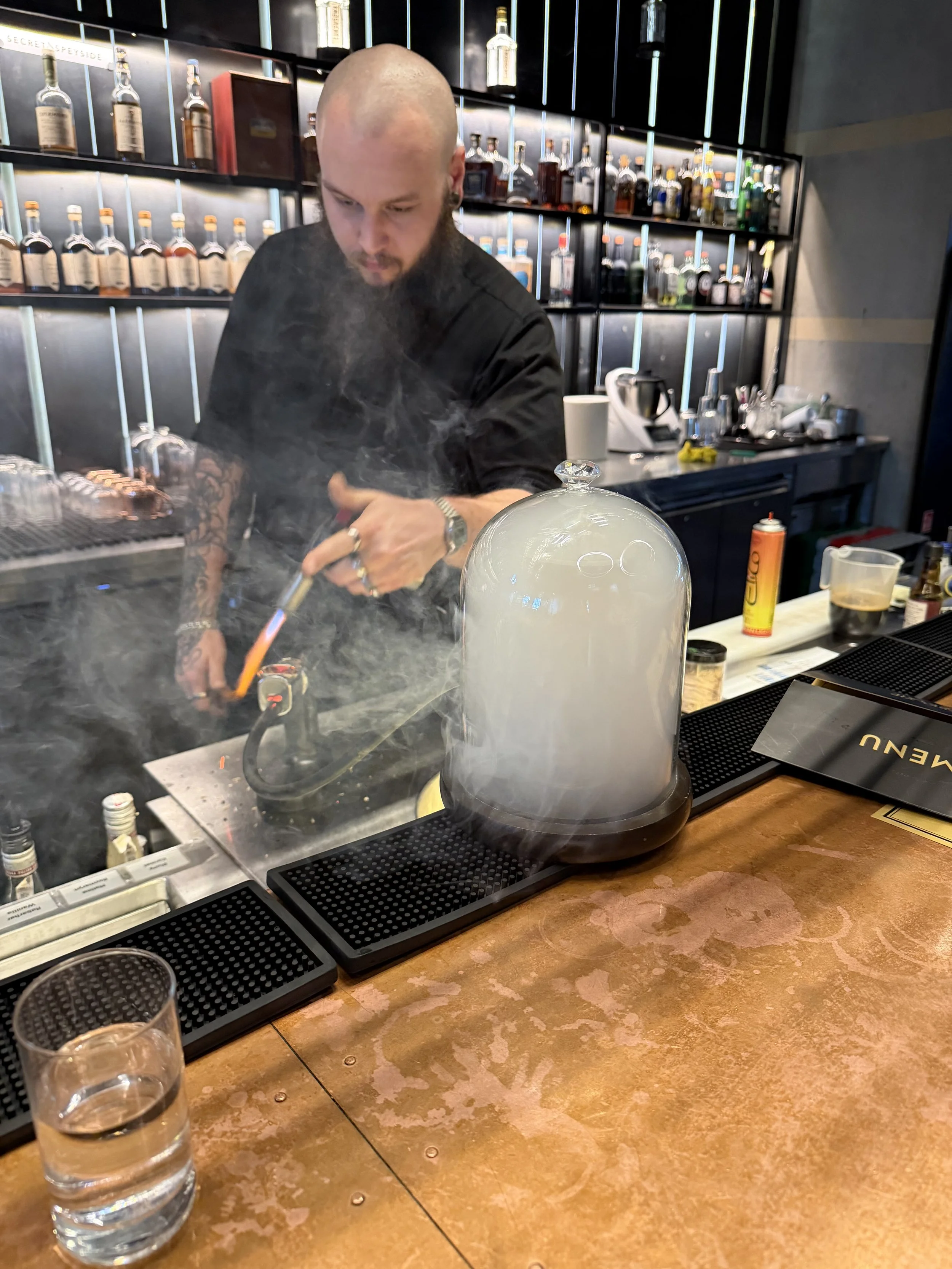
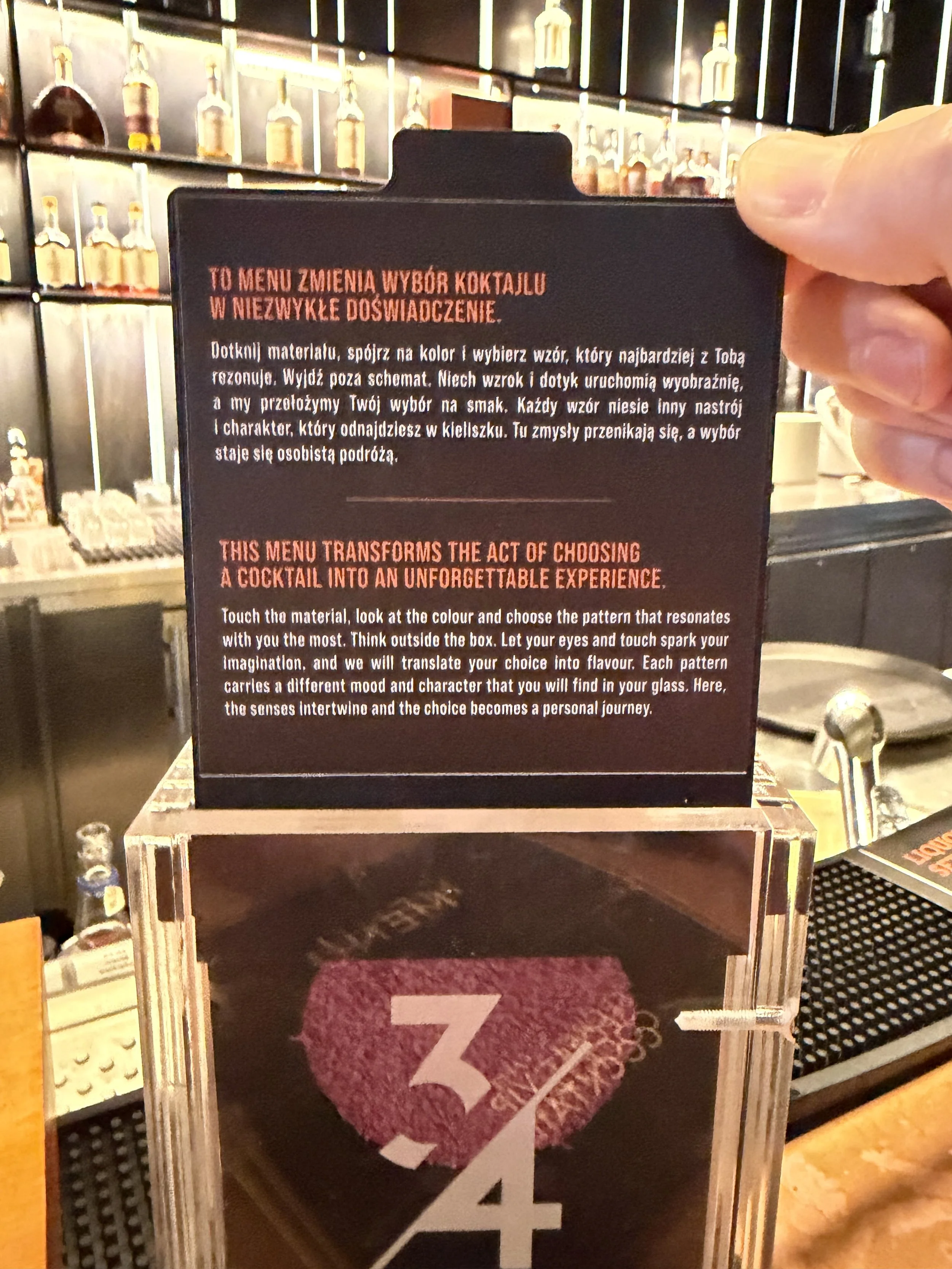
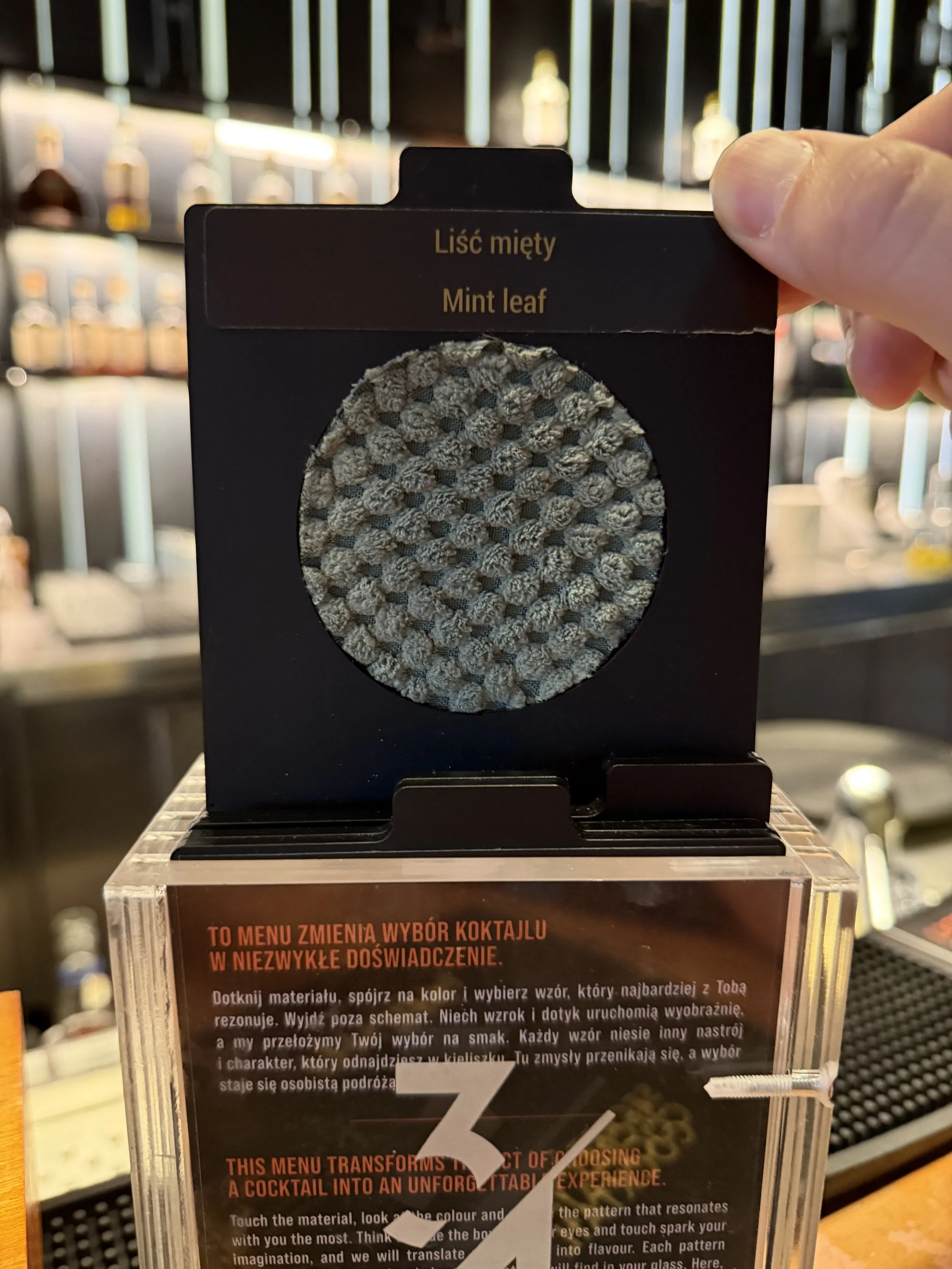
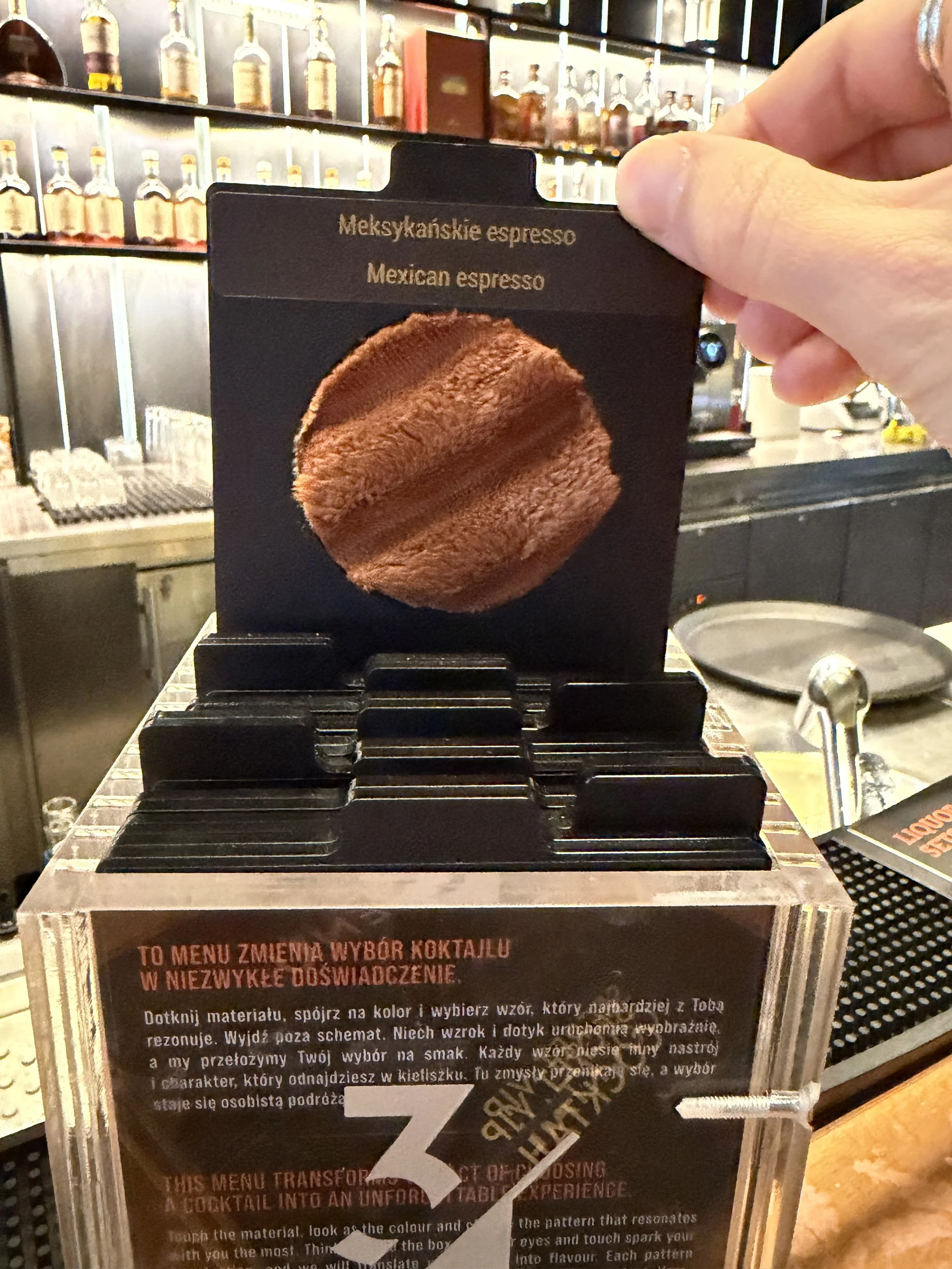
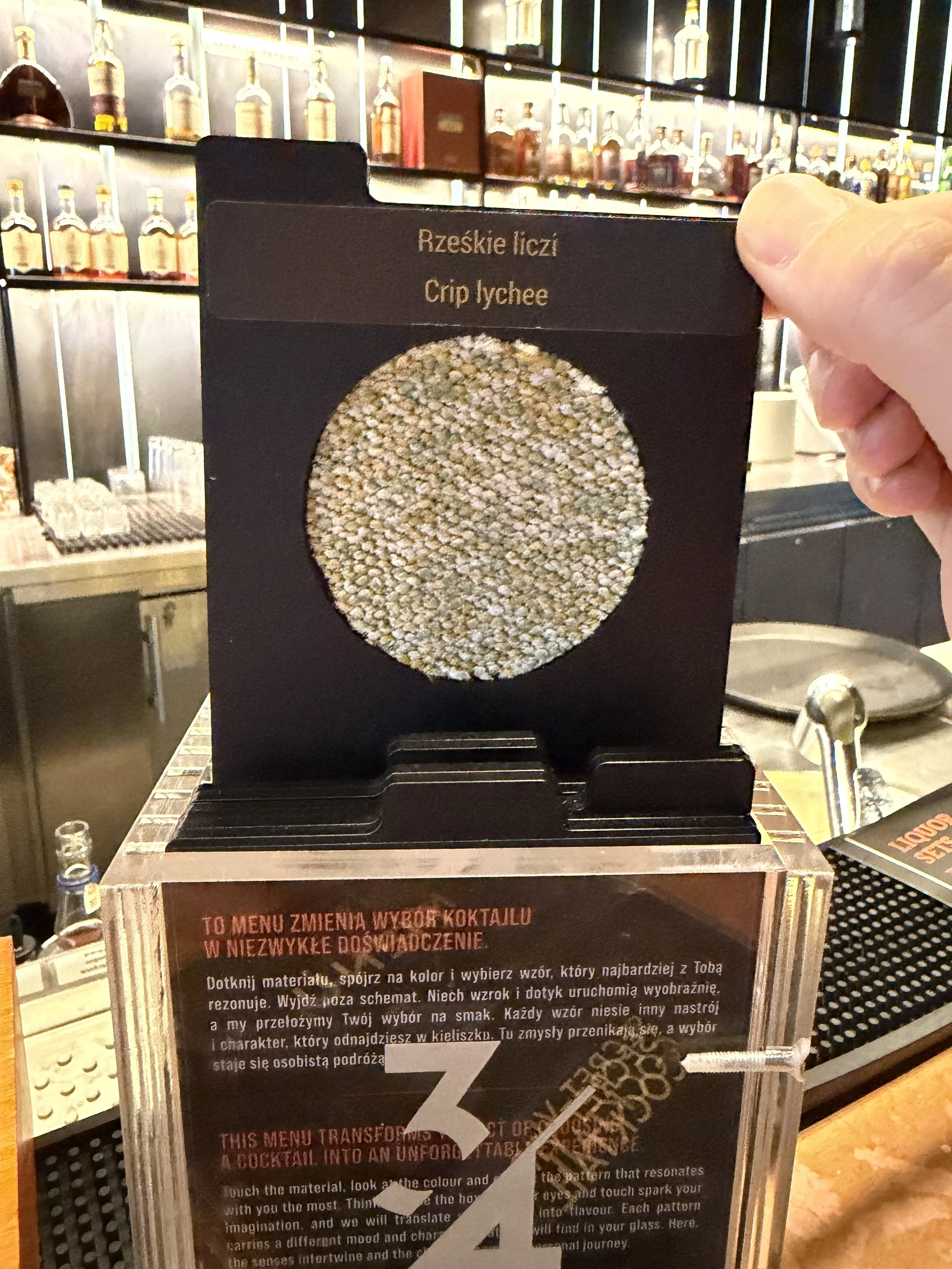
The natural next move is upstairs to the 3/4 Koneser Bar. The cocktail menu here is one of the more interesting I have come across. It is built around colors and textures from textiles. It is framed as a celebration after you "graduate" as a connoisseur, which is a charming bit of theater considering there was no exam... The bar has a wonderful patio, and worth knowing: you can visit it without booking the connoisseur package.
If you want a wine stop while you're on the east side of the Vistula River, Blisko Bar is the one. It comes from the team behind Dyletanci. The format is small plates and a thoughtful list, and it is proof that Praga has grown comfortable hosting more ambitious concepts. It is easy to fold into the same afternoon as the museum.
Spirits Worth Seeking Outside the Museum
The museum gives you the official version of Polish spirits, but the city gives you the rest. This is where things truly got fun, and it was all curated from the advice of locals.
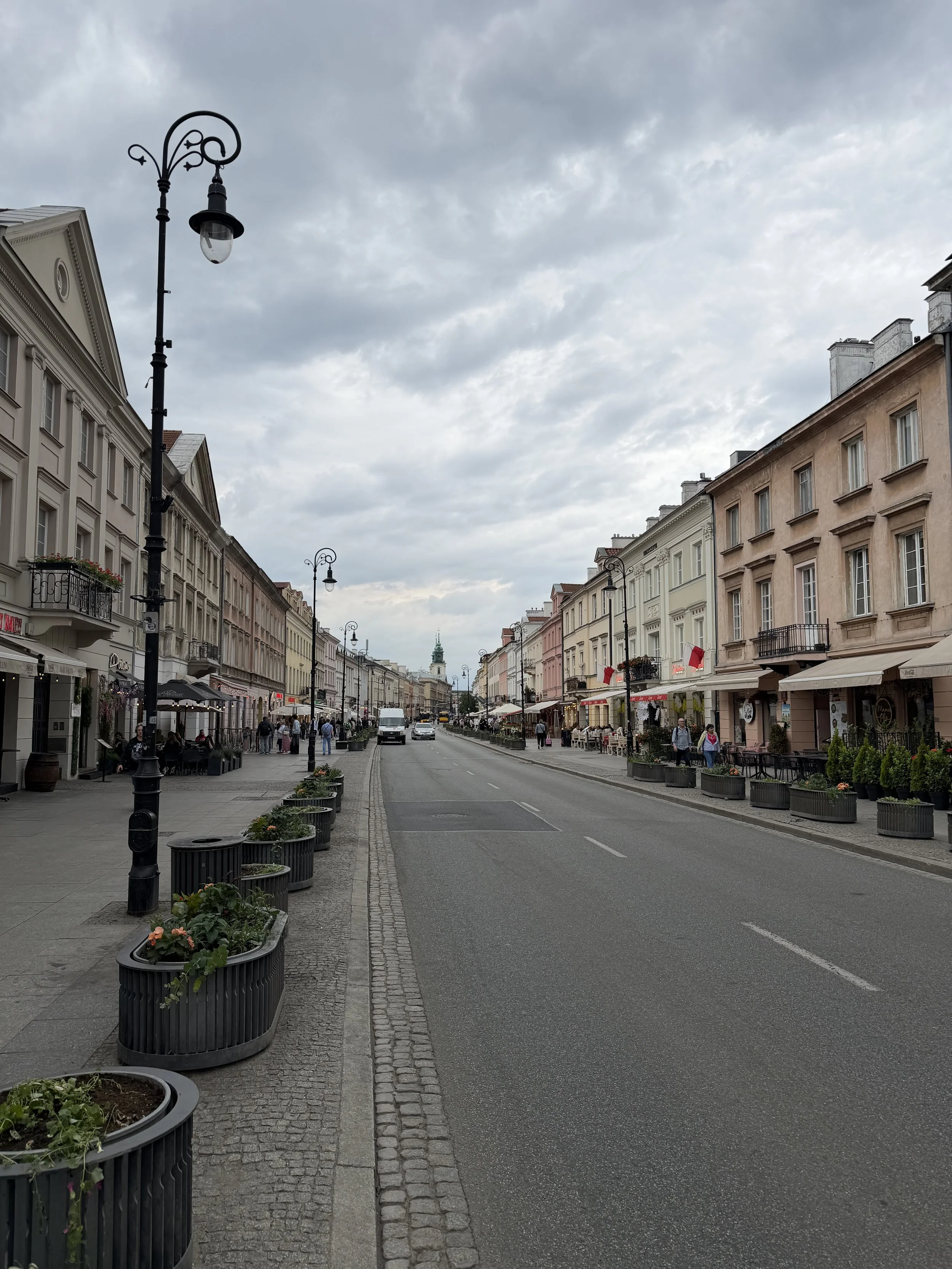
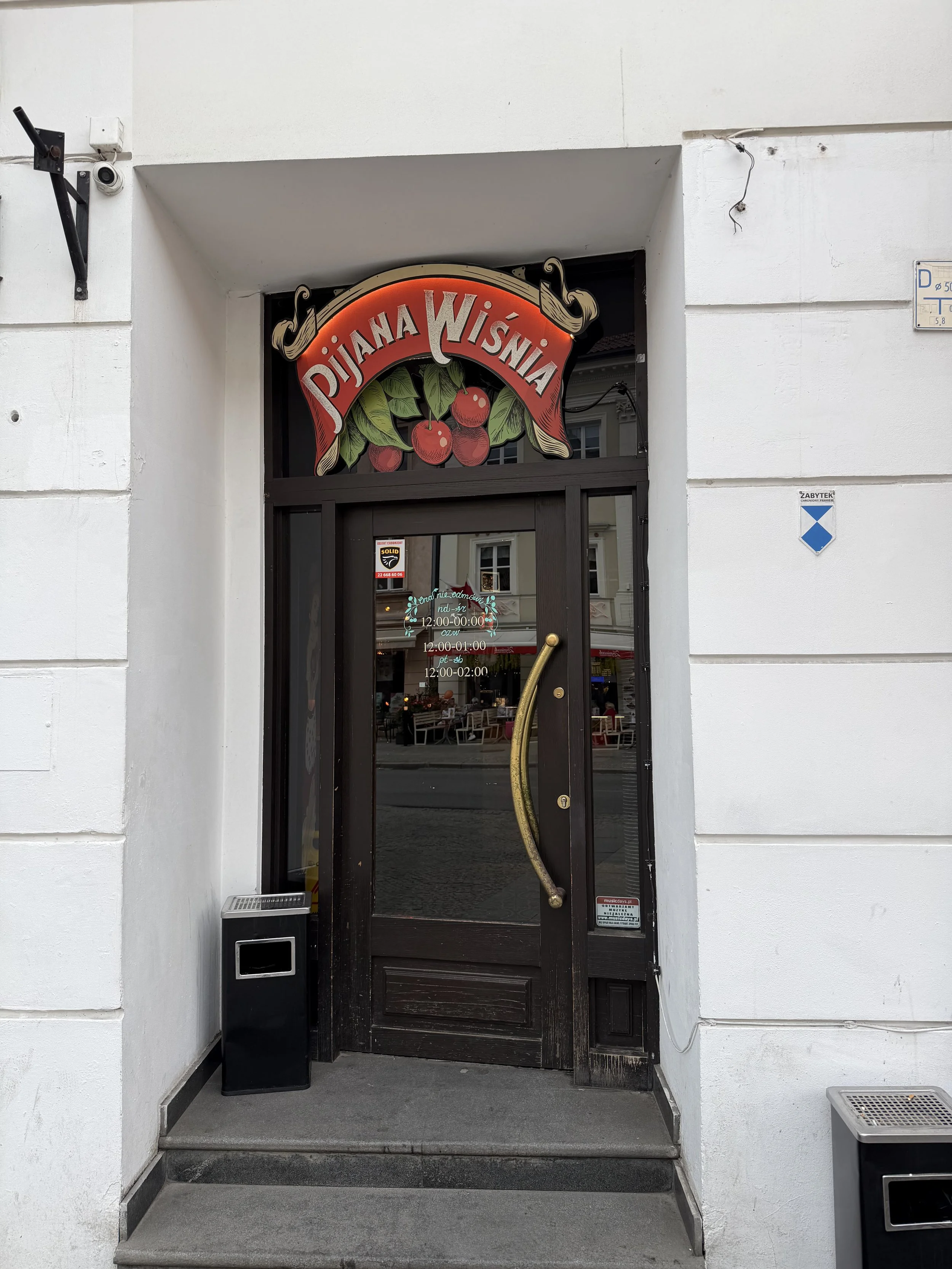
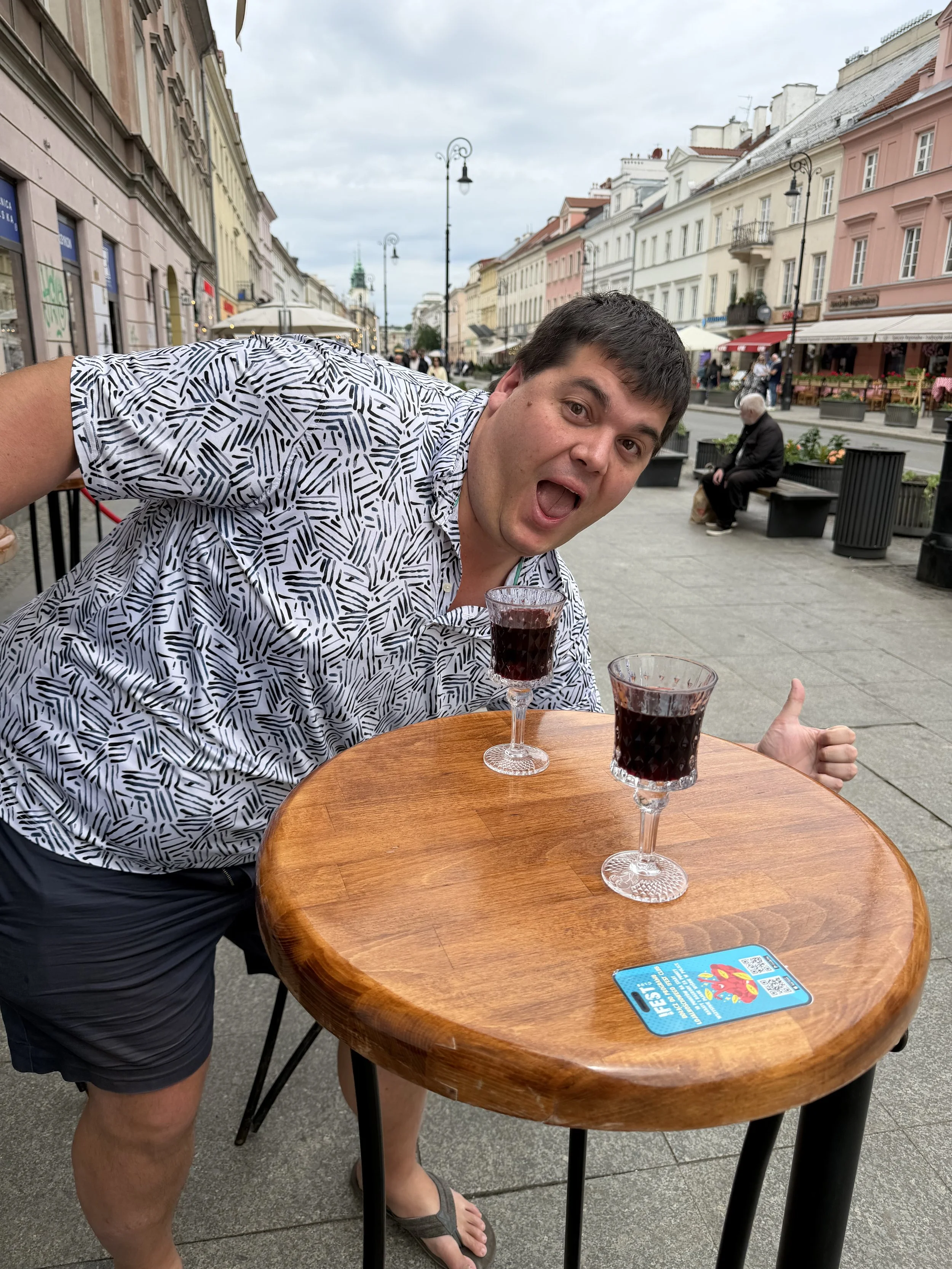
Pijana Wiśnia, on Nowy Świat, pours a cherry liqueur served either hot or cold in an ornate little glass. It is Ukrainian, founded in Lviv in 2015, and it is sweet but genuinely refreshing, a completely different register from vodka. It is an easy and lovely pause in the middle of a walk down one of the city's main streets. It sits at 17% alcohol, and you can enjoy it hot or cold for a refresher in the summer or an excellent warmer in the harsh Warsaw winter. This was extremely similar to Ginjinha from Portugal, but better!
Śliwowica is the folk counterpoint. This is plum spirit made most famously in the mountains around Łącko in the south of the country. It is potent stuff, typically landing between 70 to 80% alcohol. It has an intense plum aroma that is deceiving, given the warming finish. A small pour is the tradition, and there is a reason for that!
Producing alcohol outside of licensed industrial distilleries is illegal in Poland, which makes the best śliwowica technically illegal too, and yet hundreds of farmers distill their own each year. There is a real parallel to American moonshine. If you get offered some that is homemade, you are being trusted with something precious.
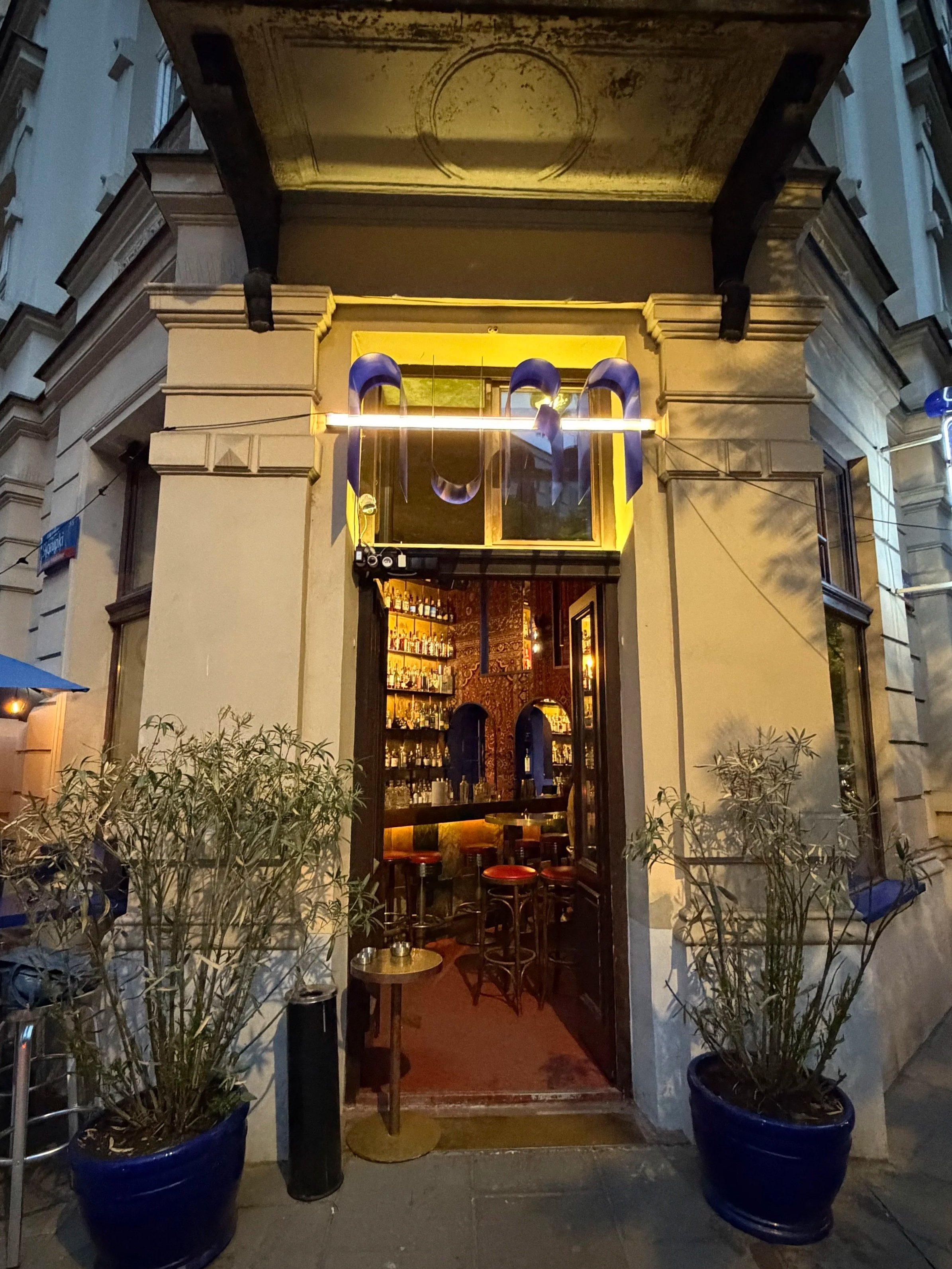
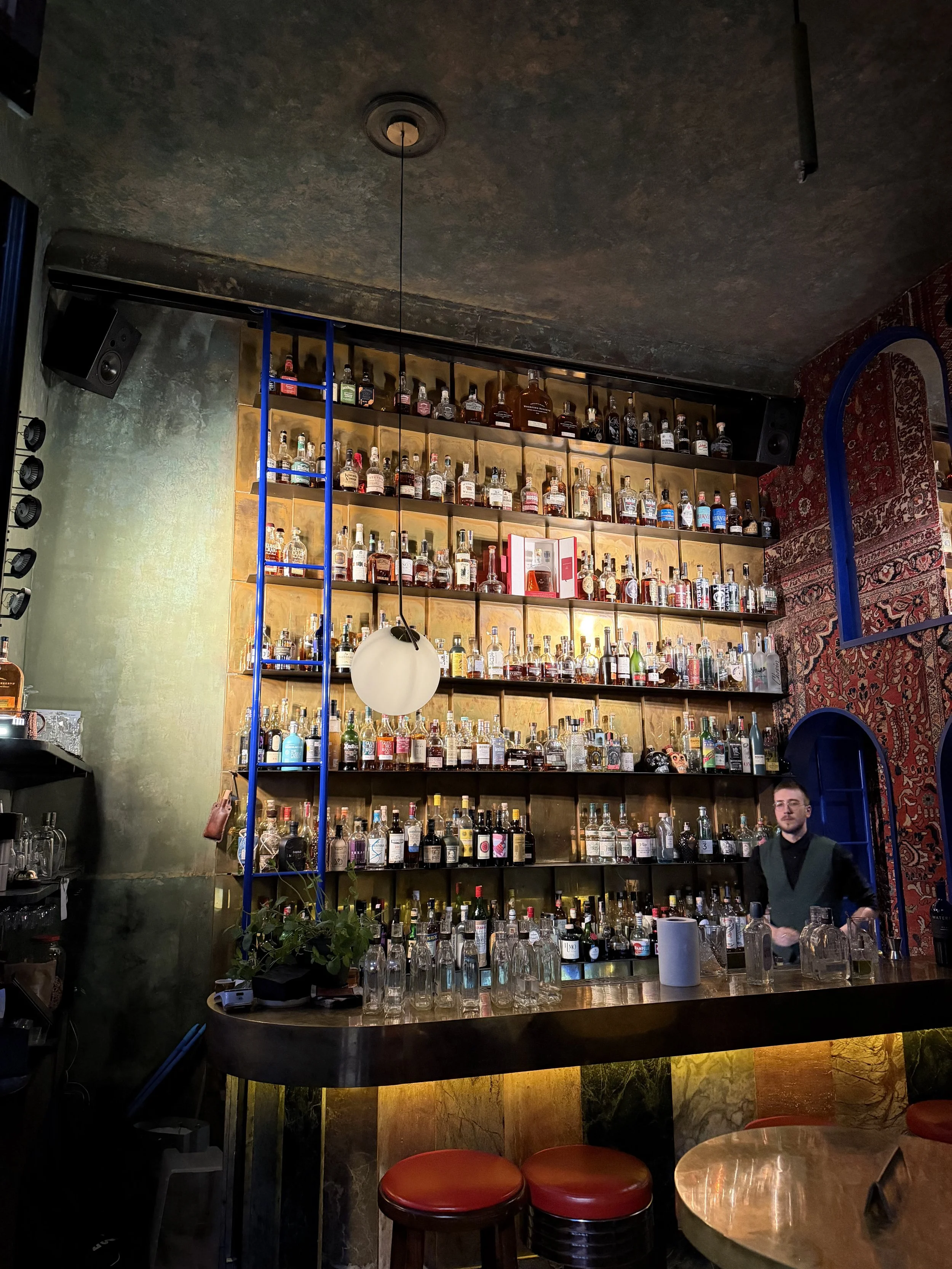
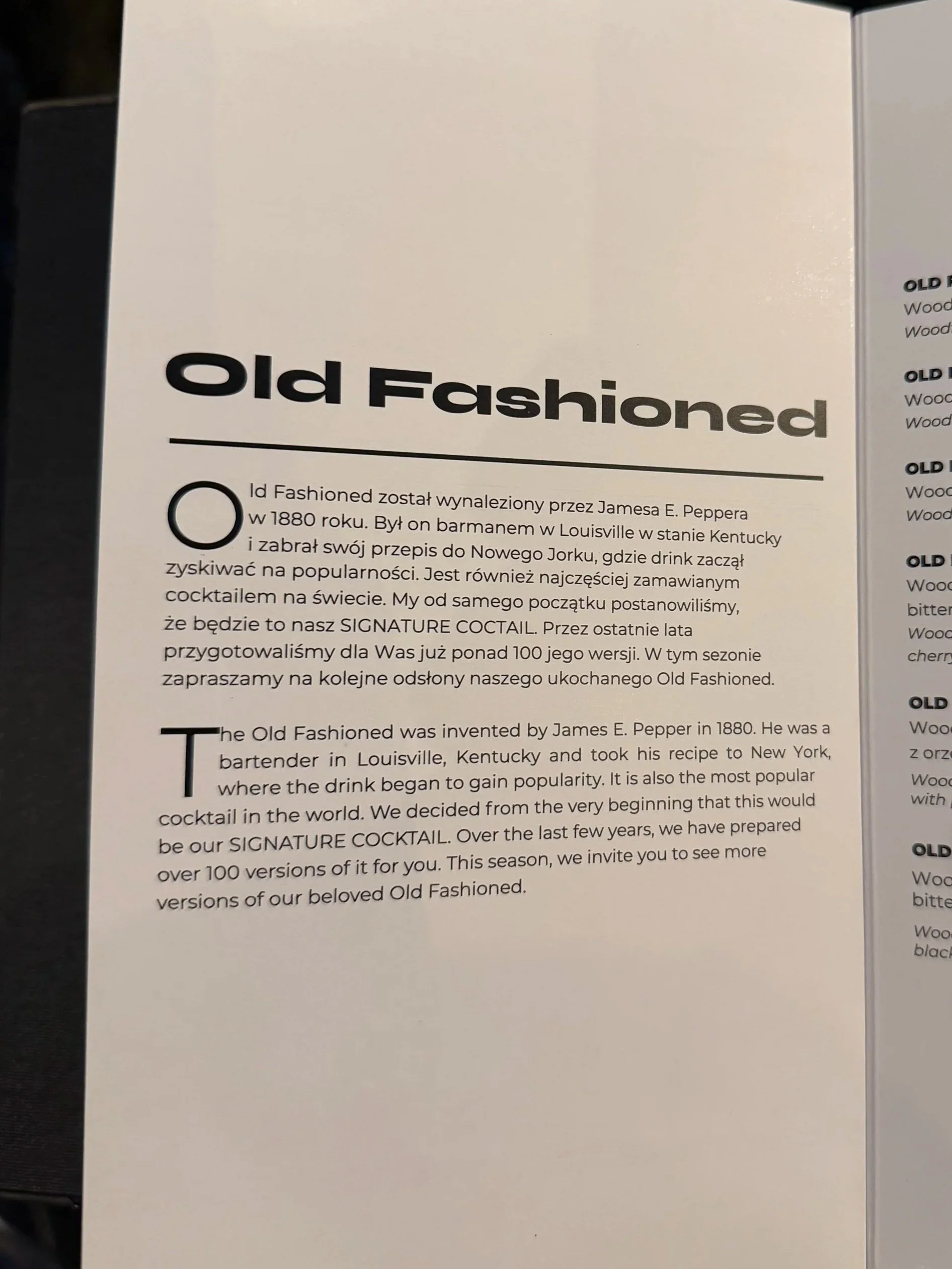
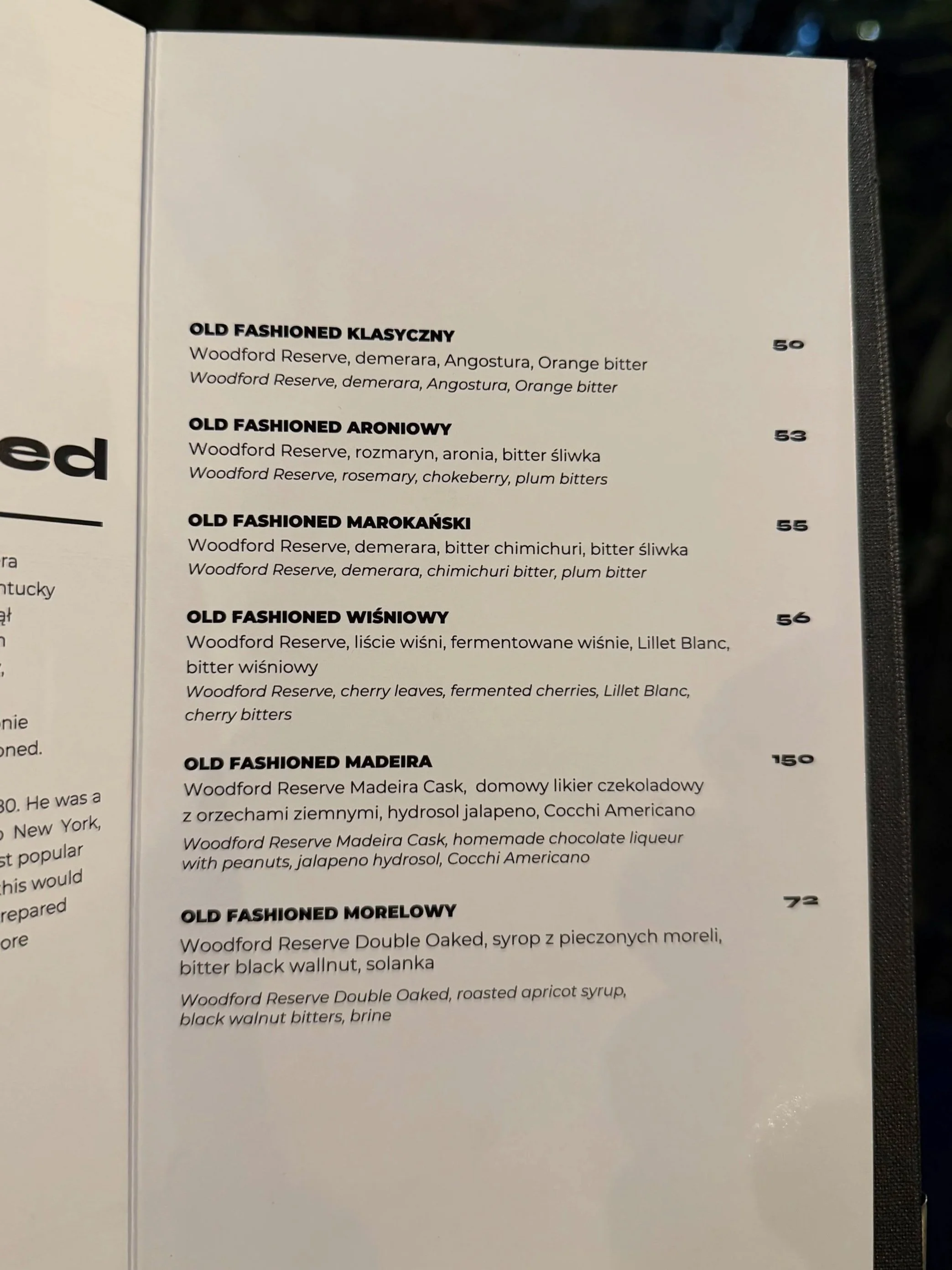
Aura is the wildcard for anyone craving something familiar. It leans heavily into bourbon, with a full page of the menu devoted to Woodford Reserve across various cocktails and labels. It also carries a wide range of other spirits, including some excellent pisco if you are feeling adventurous. I opted for some Chartreuse and another cocktail that uses the stems from buzz buttons, aka the toothache plant. Whatever your preferred spirit or flavor, the bartenders at Aura will take care of you.
Wine Bars
Here is the thing nobody tells you about Warsaw: the wine scene is growing and becoming serious. Not serious in a stuffy way, serious in the way that produces sommelier-run rooms, Michelin recognition, and a deep natural wine culture in this part of Europe.
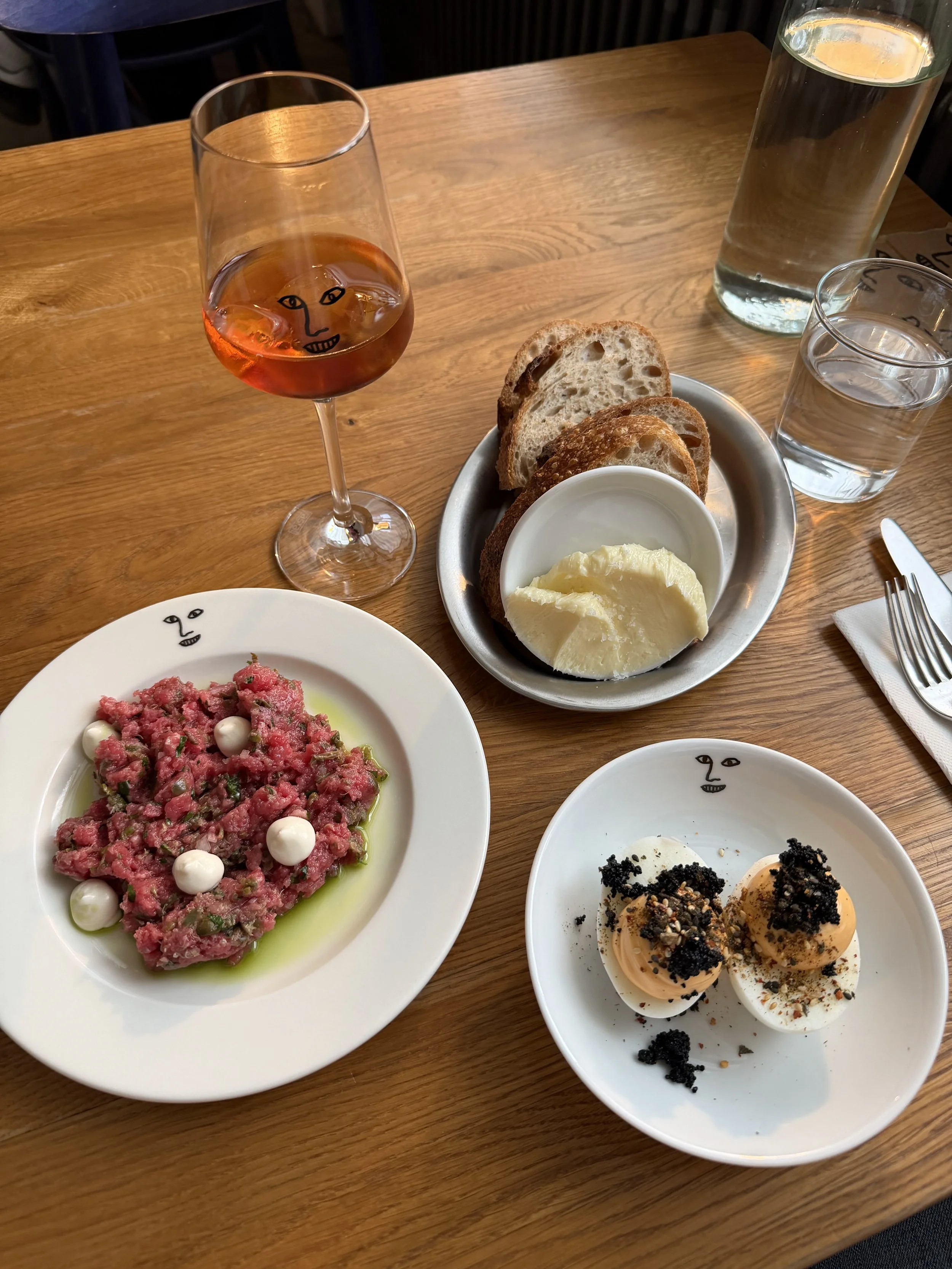
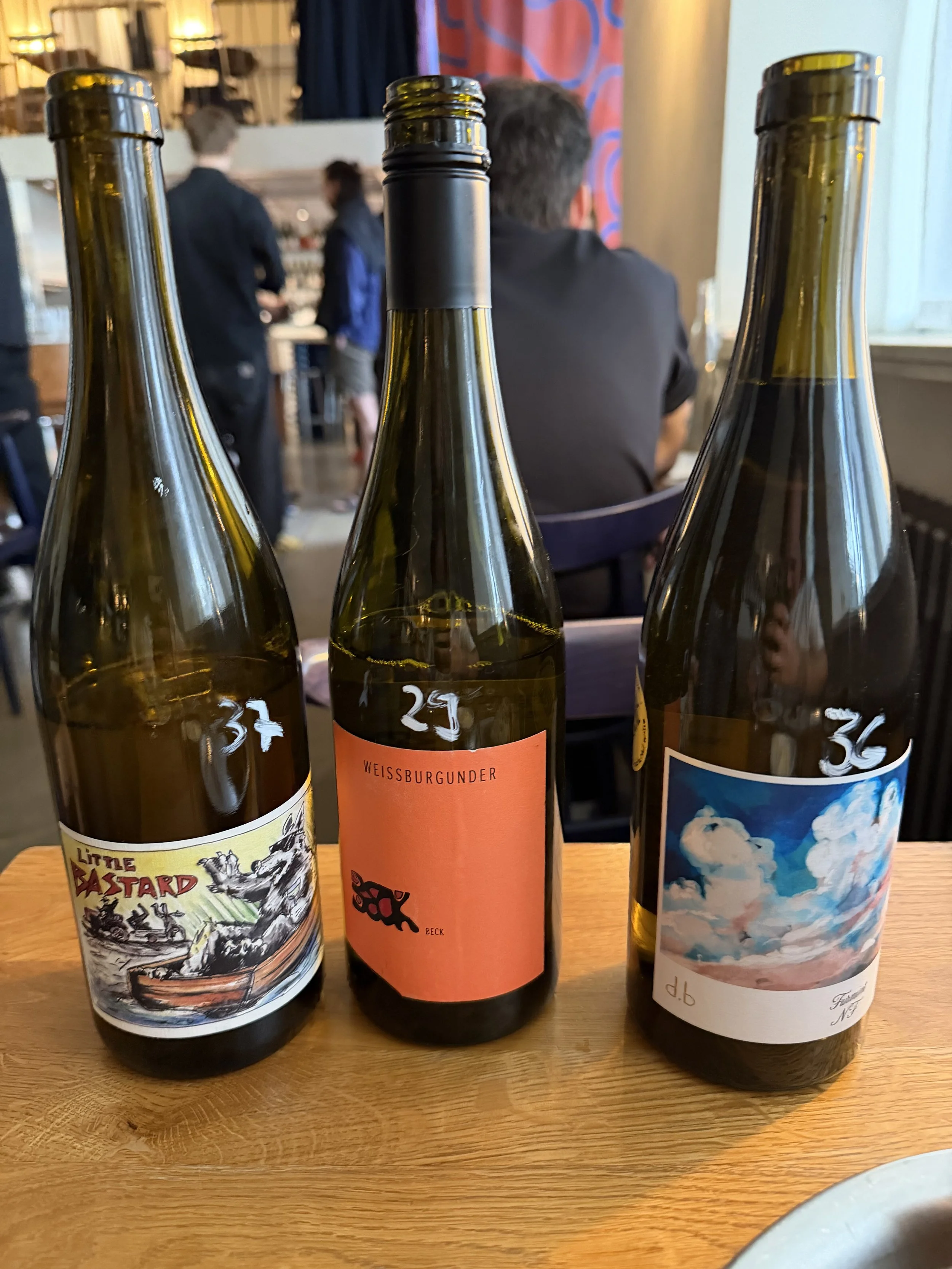
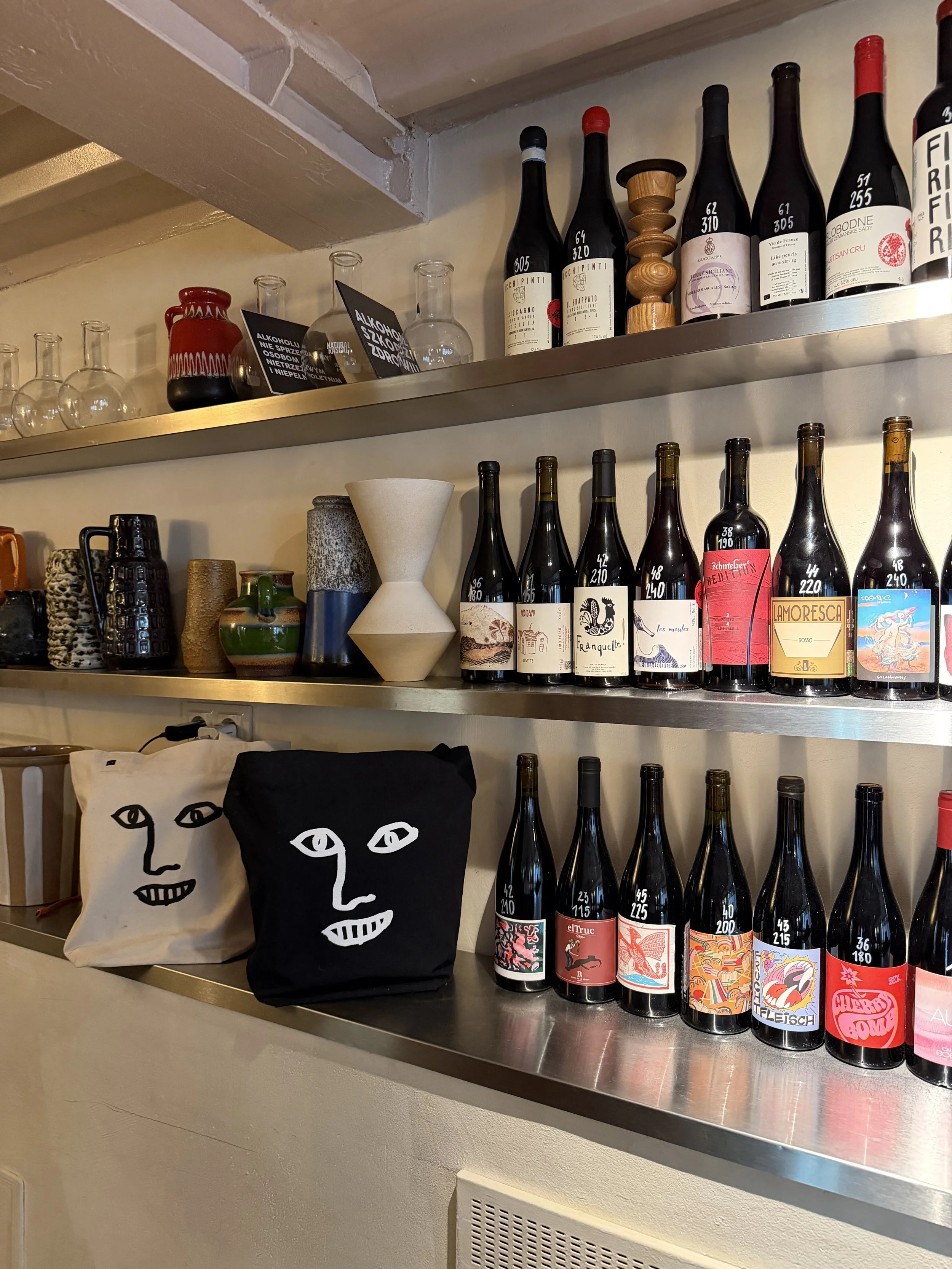
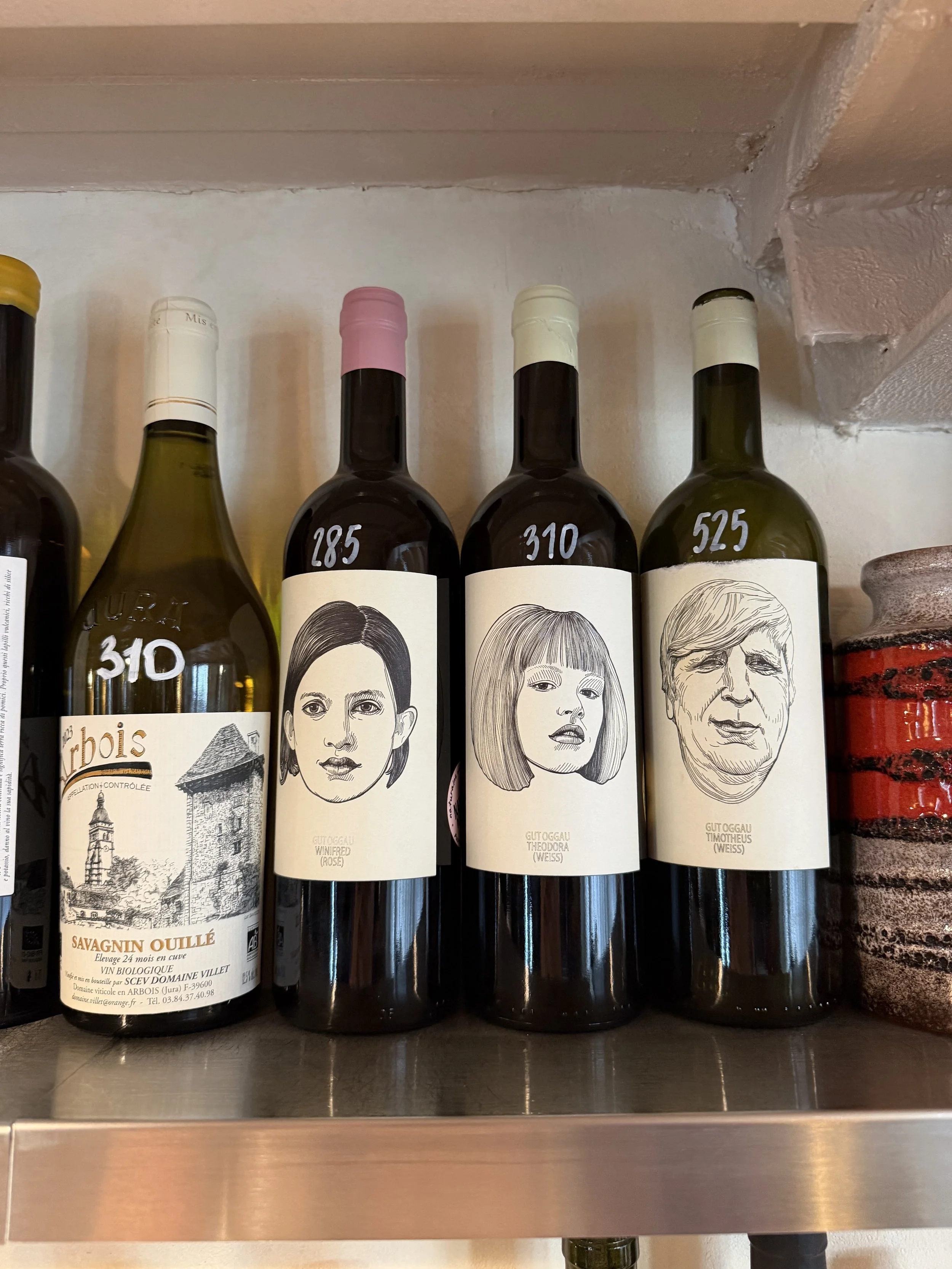
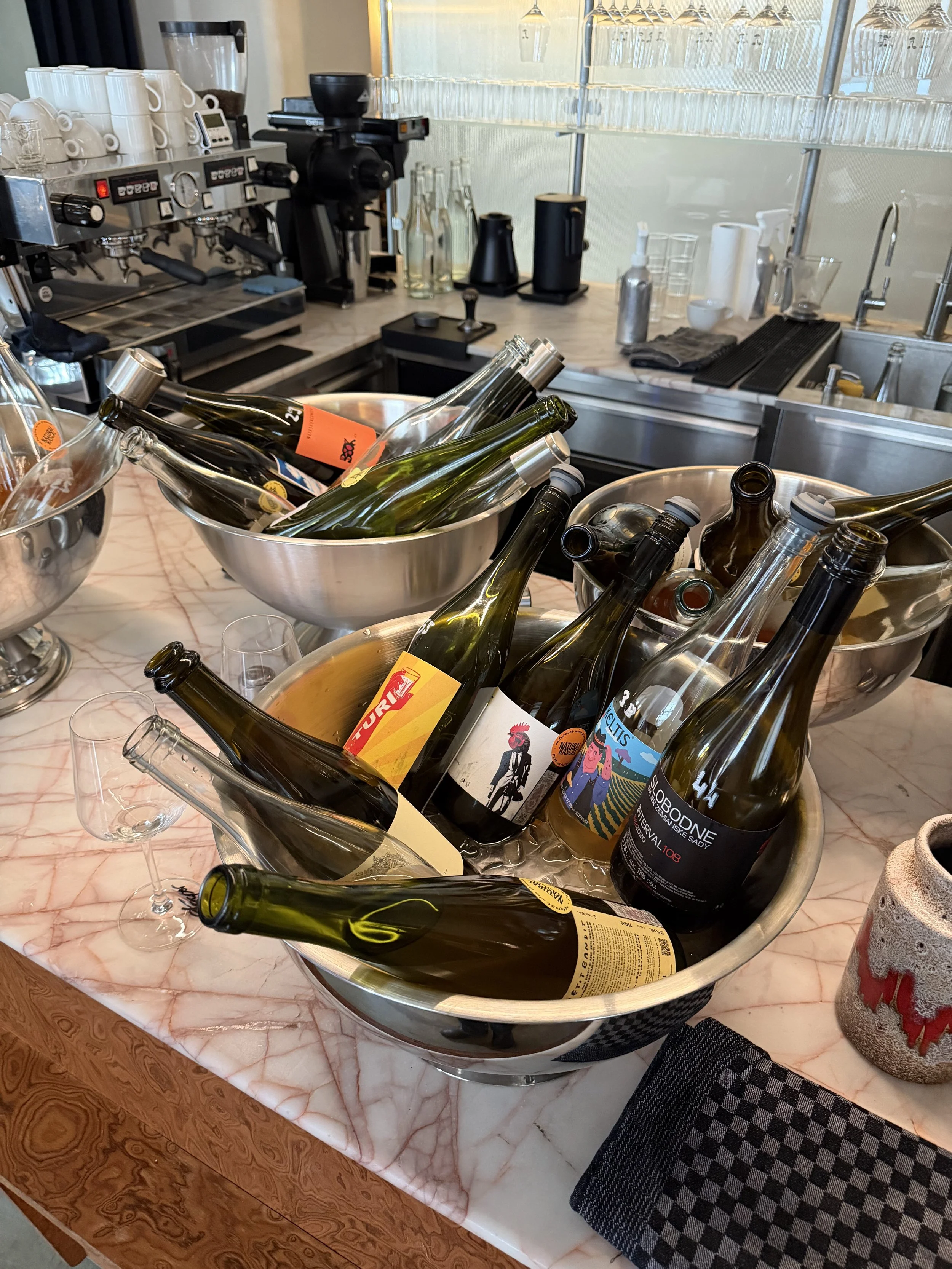
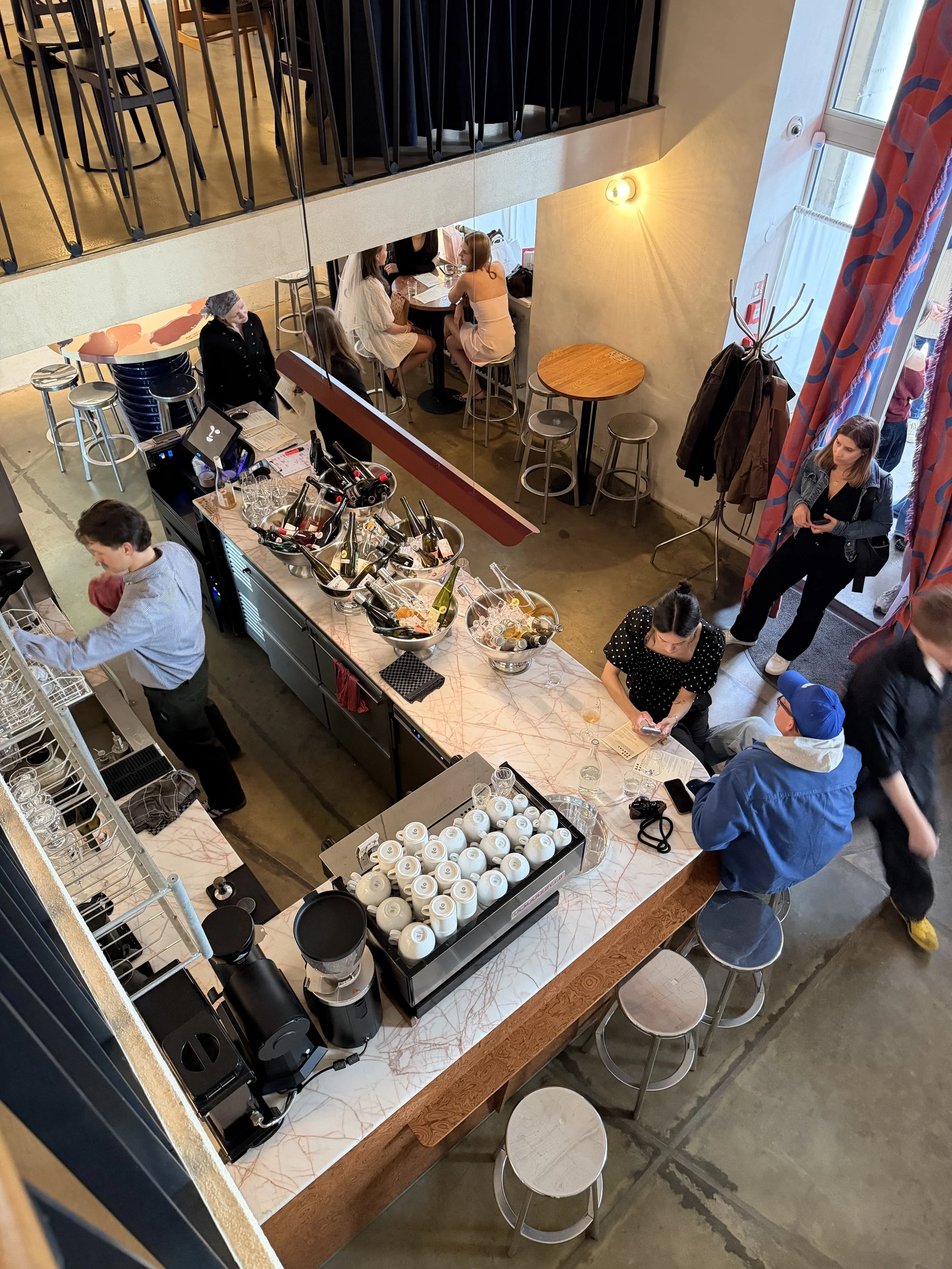
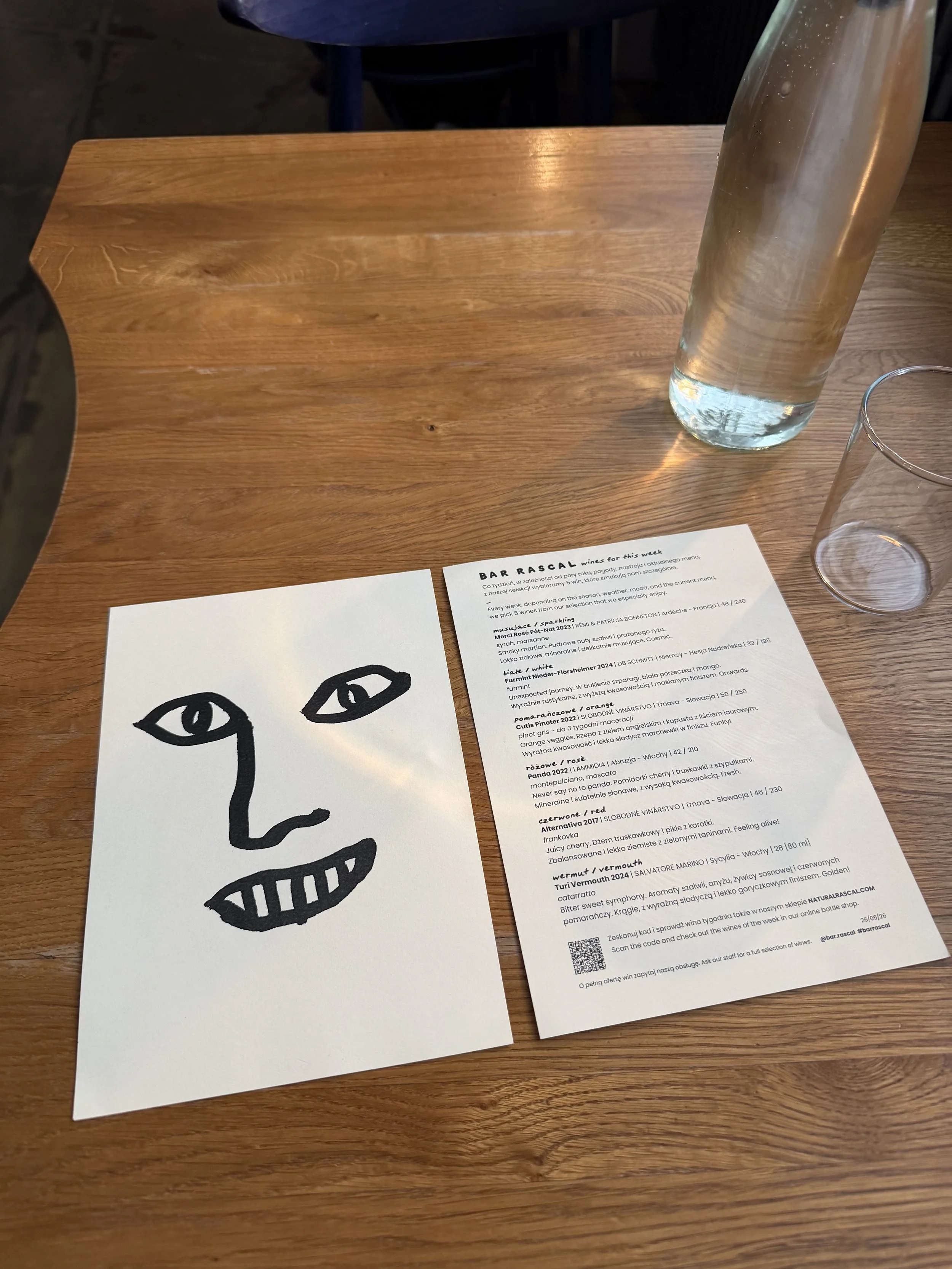
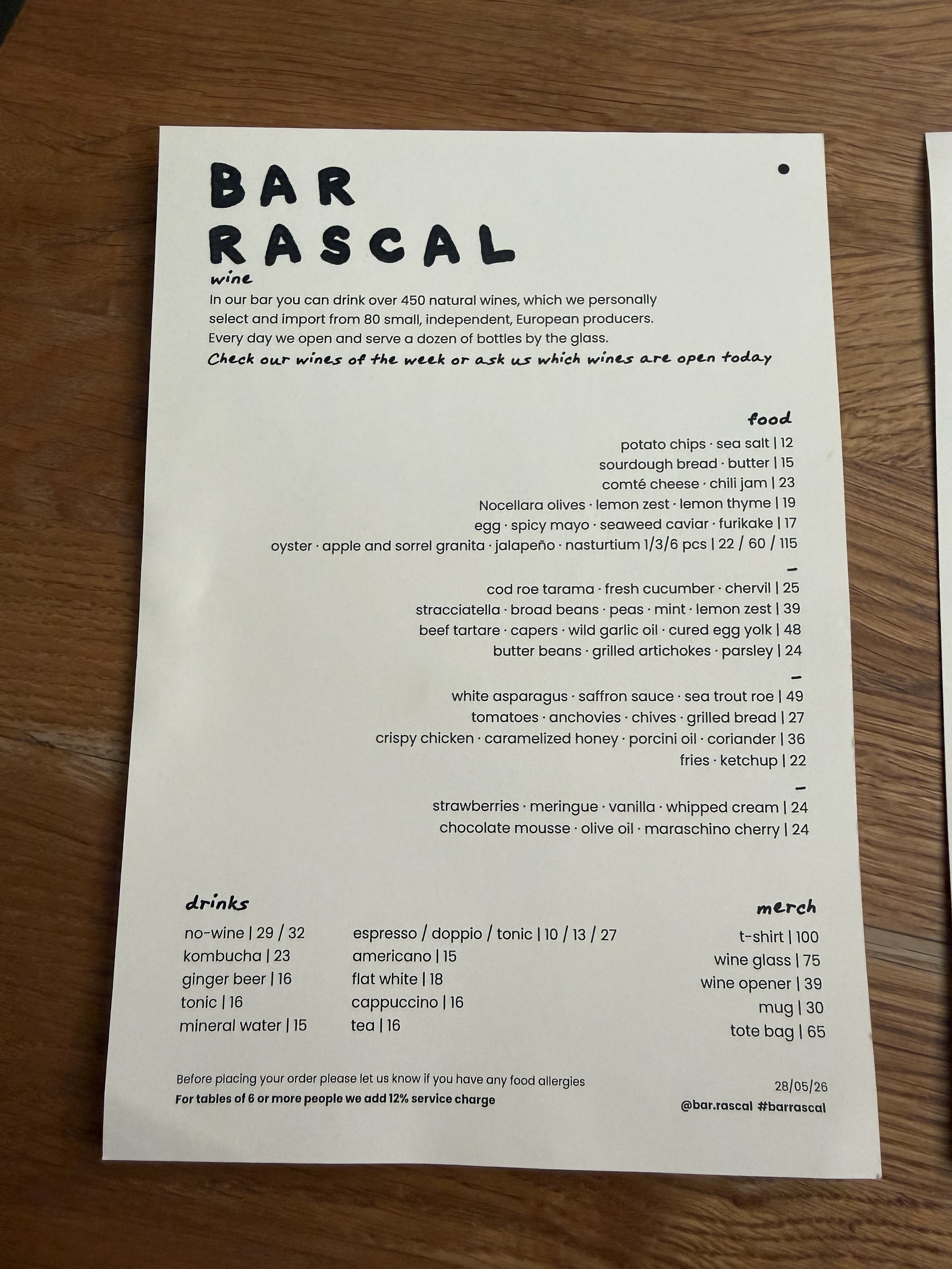
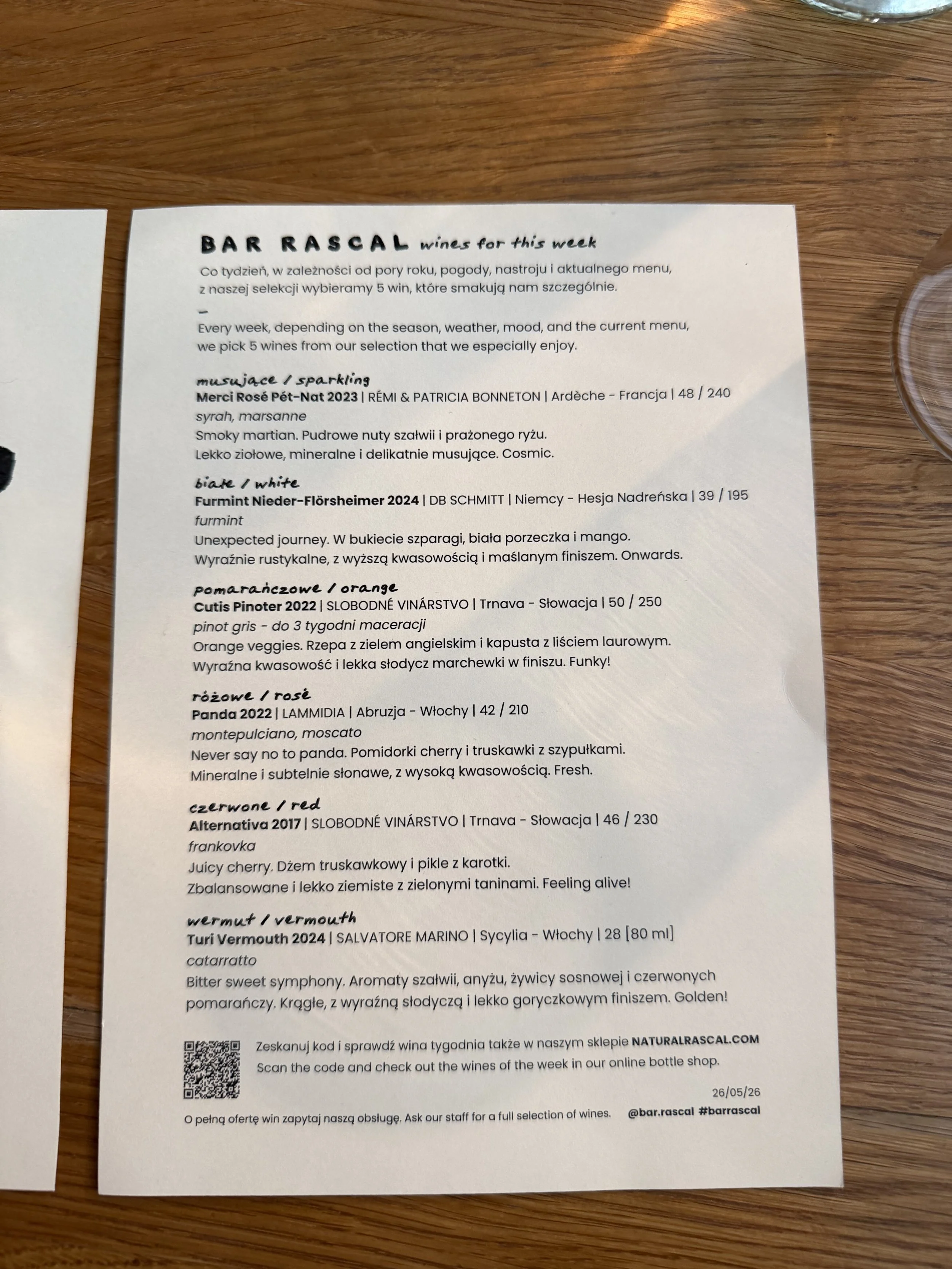
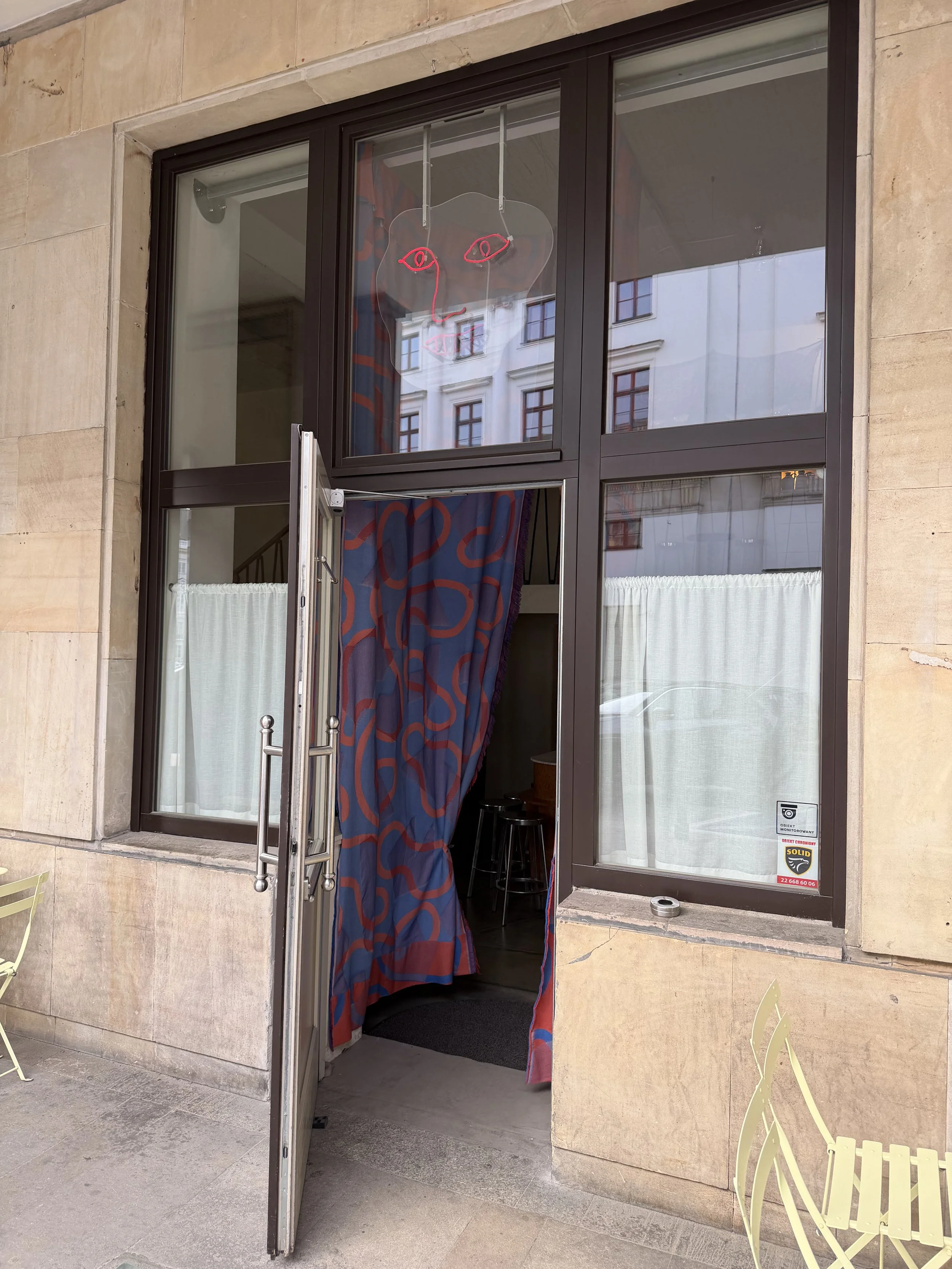
My favorite was Bar Rascal, a block off the Old Town and easy to walk right past. It's hidden in plain sight, but you'll notice a line out the door if you're not here early enough. The atmosphere is warm, the patio is excellent, and the staff know their list well enough to give you three recommendations based on any question. I worked through three different whites, and they had plenty of bottles open by the glass and were genuinely happy to pour tastings to dial me in to the right wine. The small bites are perfect, with more substantial plates available if you want them. I had the beef tartare and the deviled eggs with aioli and caviar, and they paired beautifully with a red vermouth, the Turi Vermouth 2024 from Salvatore Marino in Sicily. As the bar puts it, "you can drink over 450 natural wines there, personally selected and imported from 80 small, independent European producers, with a rotating dozen open by the glass each day."
For natural wine, Źródło holds a claim as Warsaw's first dedicated natural wine bar, with a list aimed at the heart of the raw wine movement. Bibenda is walk-in only, which means there is almost always a line.
For serious lists, Dyletanci is the destination. It is Michelin-recognized, with well over a thousand selections and one of the largest wine lists in Poland.
Alewino is essentially where Warsaw's modern wine culture started, having grown from a wine shop into a bistro, and it still carries a focused selection built around smaller producers.
Kontakt is recognized as a Bib Gourmand by the Michelin Guide, and I'm told by a local that "the truffle mac and cheese croquettes changed his entire perspective of mac and cheese."
Polish Food: What to Actually Eat
You cannot drink your way through a city without eating, and Warsaw feeds you well at every price point.
Bazyliszek sits right on the Old Town square, which is normally my cue to keep walking. Main-square restaurants tend to be tourist traps with a hefty markup, especially if pictures of the dishes are being advertised. This one earned an exception. The pork knuckle is genuinely excellent, better than most I have had in Germany, and my local friend backed that up, which is the endorsement that actually counts. We opened with śliwowica (plum liquor) and finished with a cherry liqueur as dessert, which felt like the right way to bracket a meal like that.
For pierogi, Gościniec Polskie Pierogi is the locals' pick and one of the shortest walks off the square. Sweet or savory, both are done well, but my full endorsement goes to the cherry and blackberry. If you visit in winter, or on a gloomy day, you can order a warm mulled beer with allspice and cinnamon. It is not my thing, though I will concede that a cloudy June afternoon is not exactly the best time for its enjoyment.
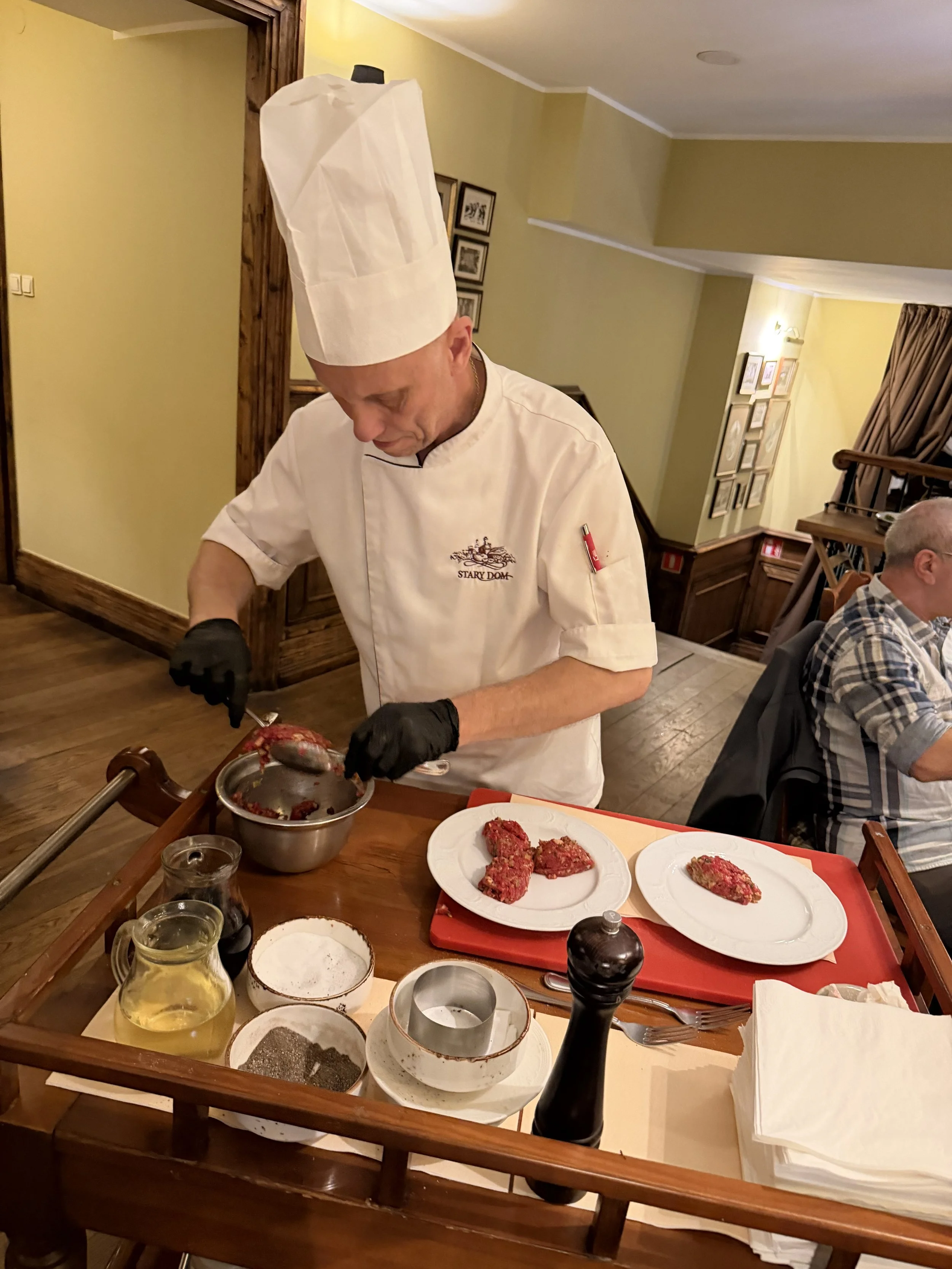
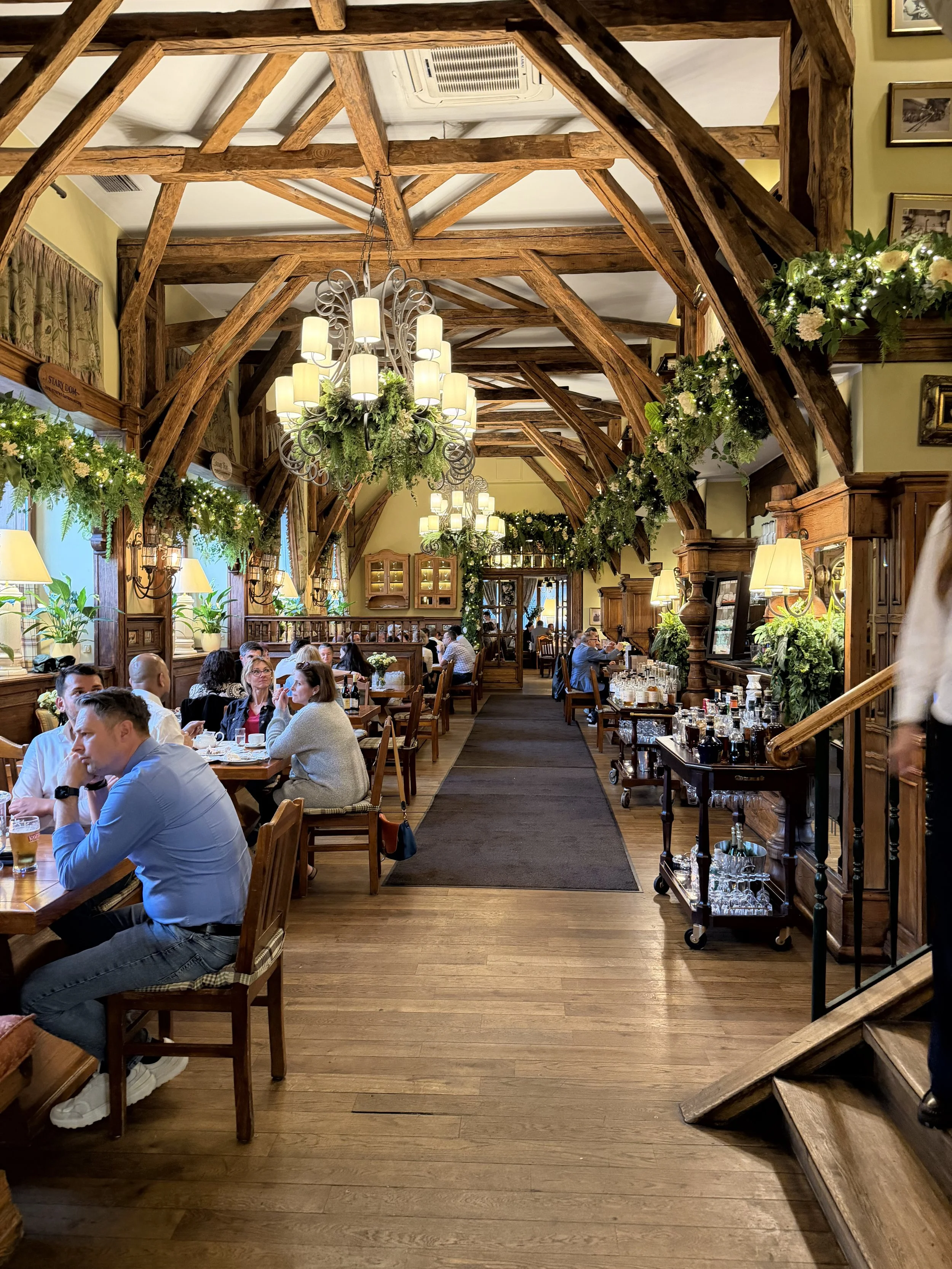
Stary Dom is the one to book if you want a single serious meal in the traditional canon. It is on the Michelin guide and does authentic, upscale Polish food properly. I've never seen tableside beef tartare, and it was probably the best dish I had in Warsaw. You'll find plenty of authentic Polish dishes, and we ended up turning our dinner into a family-style tasting meal because there was serious food envy happening.
And then there is the Bar Mleczny, aka the "milk bar," which everyone should experience at least once. These are low-cost cafeteria-style spots, franchised across the city and half government-owned. It is a holdover from an earlier era that kept affordable food on the table. The food is cheap and quick, there are self-order kiosks if ordering in Polish makes you nervous, and the potato pancakes and apple crepes are wonderful. The fruit compote, made from seven or more different fruits and berries, is very hard to beat on a warm day.
One practical note while we are talking food: Żabka, the convenience chain, is nearly everywhere and is one of the few things reliably open on Sundays. It is the move for a water, a pastry, or a coffee when the rest of the city has closed for the day.
One Detour Worth Taking: Uzbek at Guzar Garden
This one earns its own mention. Uzbek food is genuinely hard to find in the United States, which makes Guzar Garden a small revelation. They have the authentic kilns to make their own bread and samsa. Get the lagman and the shashlik. There is a park nearby, so build in a stroll before or after and make an afternoon of it. You'll probably need an afternoon nap after a hearty meal here.
Food Town at Fabryka Norblina
If Koneser is Praga's reinvented factory, Fabryka Norblina is its counterpart on the west side. The old Norblin works has been turned into a sprawling complex, and at its center is Food Town, the largest food hall of its kind in Poland, spread across multiple halls with dozens of international concepts under one roof. I had some seriously spicy ramen here. It rivals a Time Out Market in scale and energy. It runs late, and it is a particularly smart move in winter, when it offers the feel of being outdoors among the stalls while staying sheltered from the cold.
The Exchange
Sometimes you want a great burger, a good pour, and a match on the screen, and for that there is The Exchange, a new bar and grill in the city center at Rondo. It's not quite a restaurant, not just a bar, but a place built for people to gather. I caught a Champions League match there, one of the first major events after their soft launch, and they pulled it off with real polish.
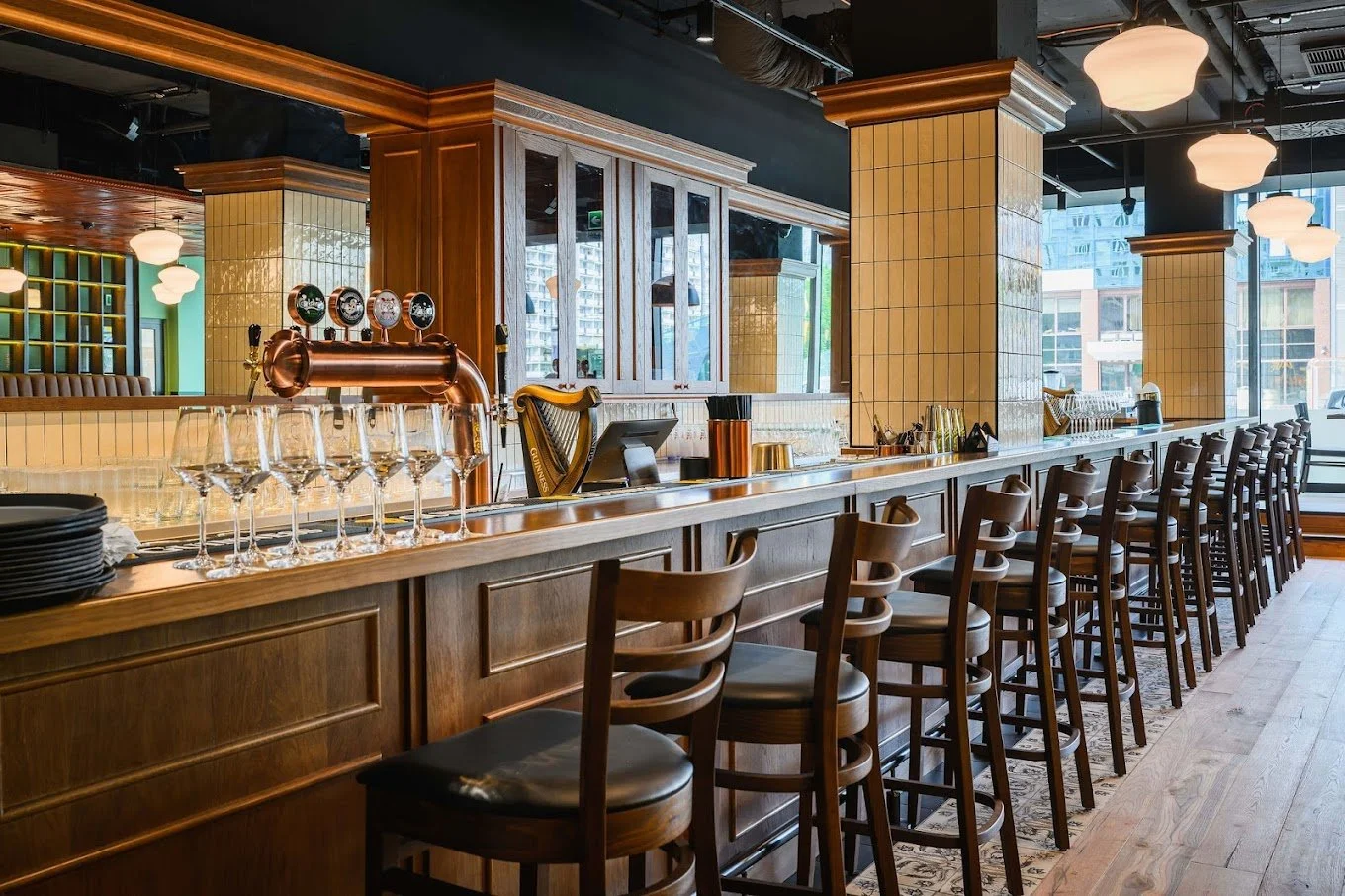
What separates it from the usual sports bar is that the food is taken seriously. The kitchen runs a charcoal grill, and the burgers and steaks back it up. I had the chance to talk with the owner, and his commitment to getting both halves of the equation right, the food and the room, comes through clearly. There are big screens with full sound for the major leagues, a proper bar, and even augmented reality darts if you want to turn it into a longer night. If your trip lines up with a game you care about, this is where you can reliably watch it.
Beyond the Glass
It would be a mistake to treat Warsaw as only an eating and drinking city. The things that make the food and wine land are the things that have nothing to do with either.
Go to the Warsaw Uprising Museum. It is some of the most powerful documentation of wartime resistance you will find anywhere in Europe, and it reframes the entire city around you. Go to POLIN, the Museum of the History of Polish Jews, which carries the same weight from a different and essential angle.
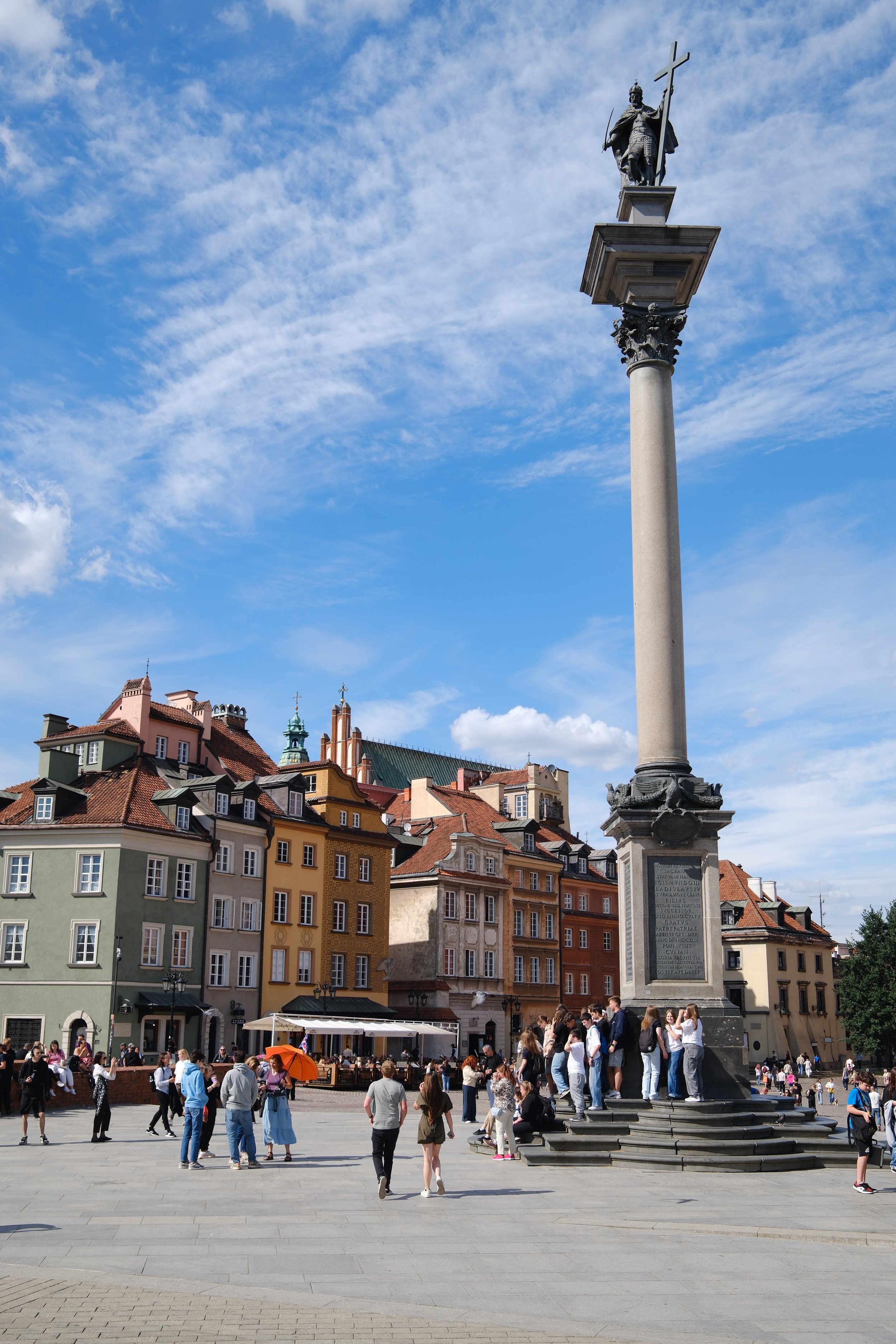
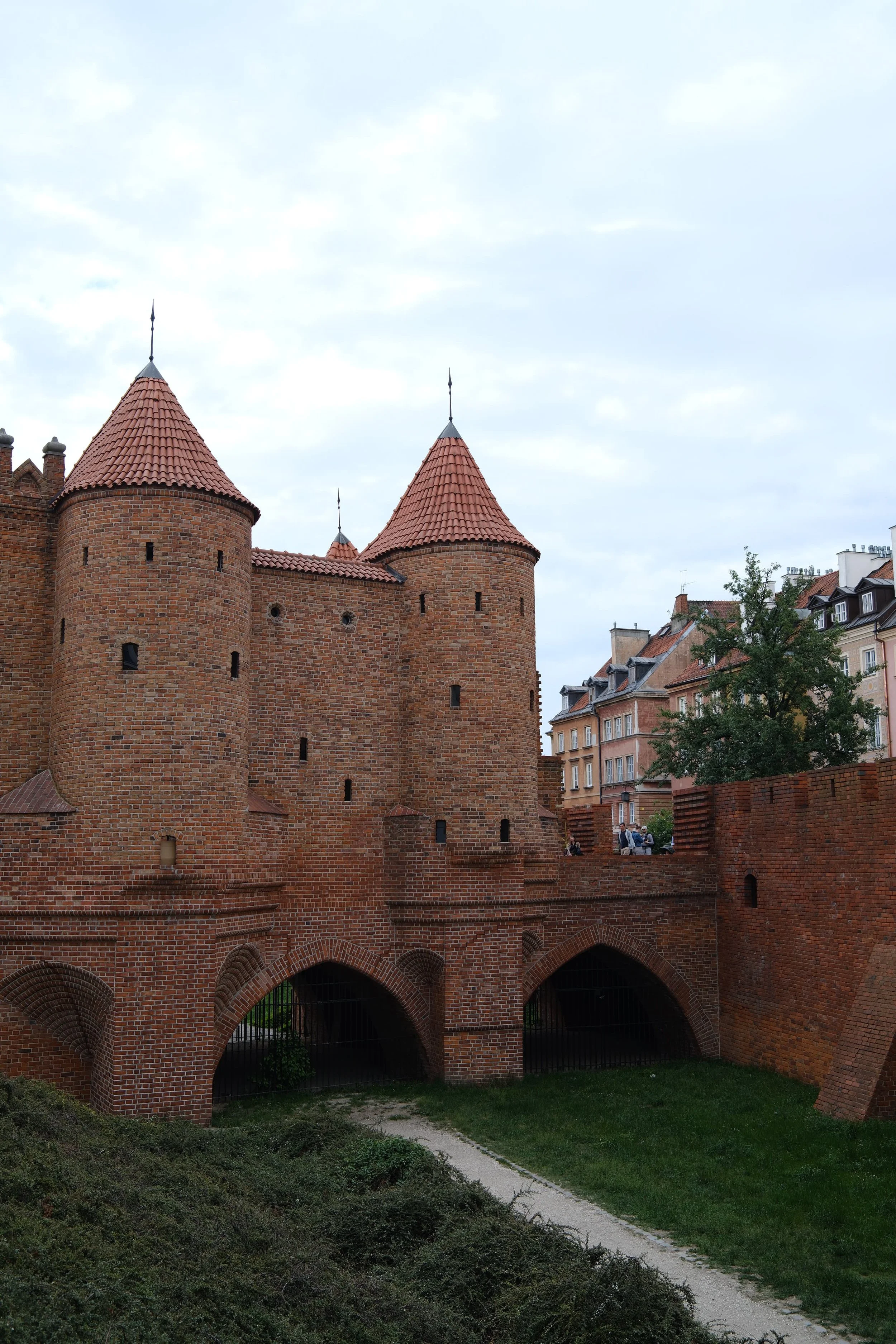
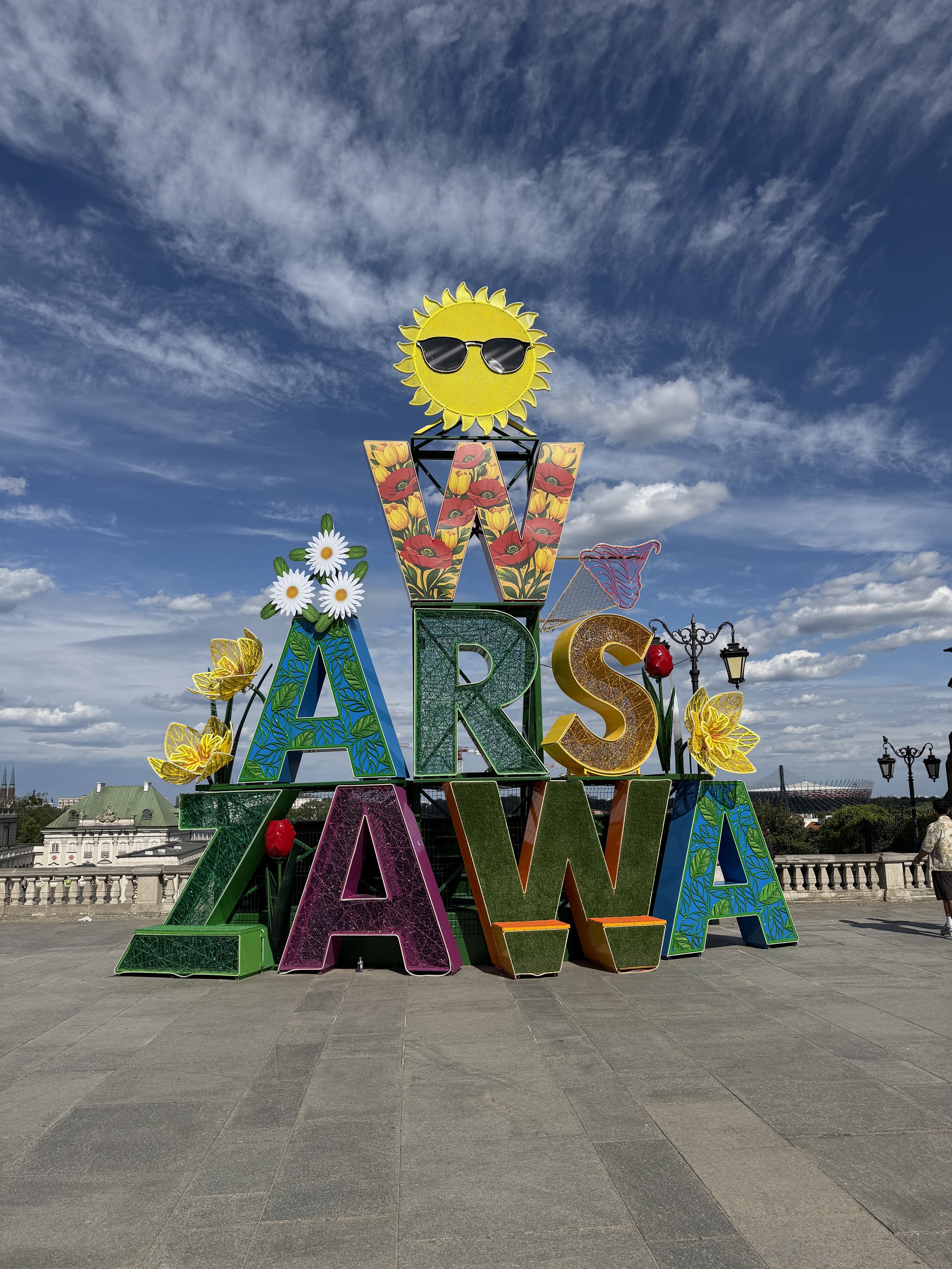
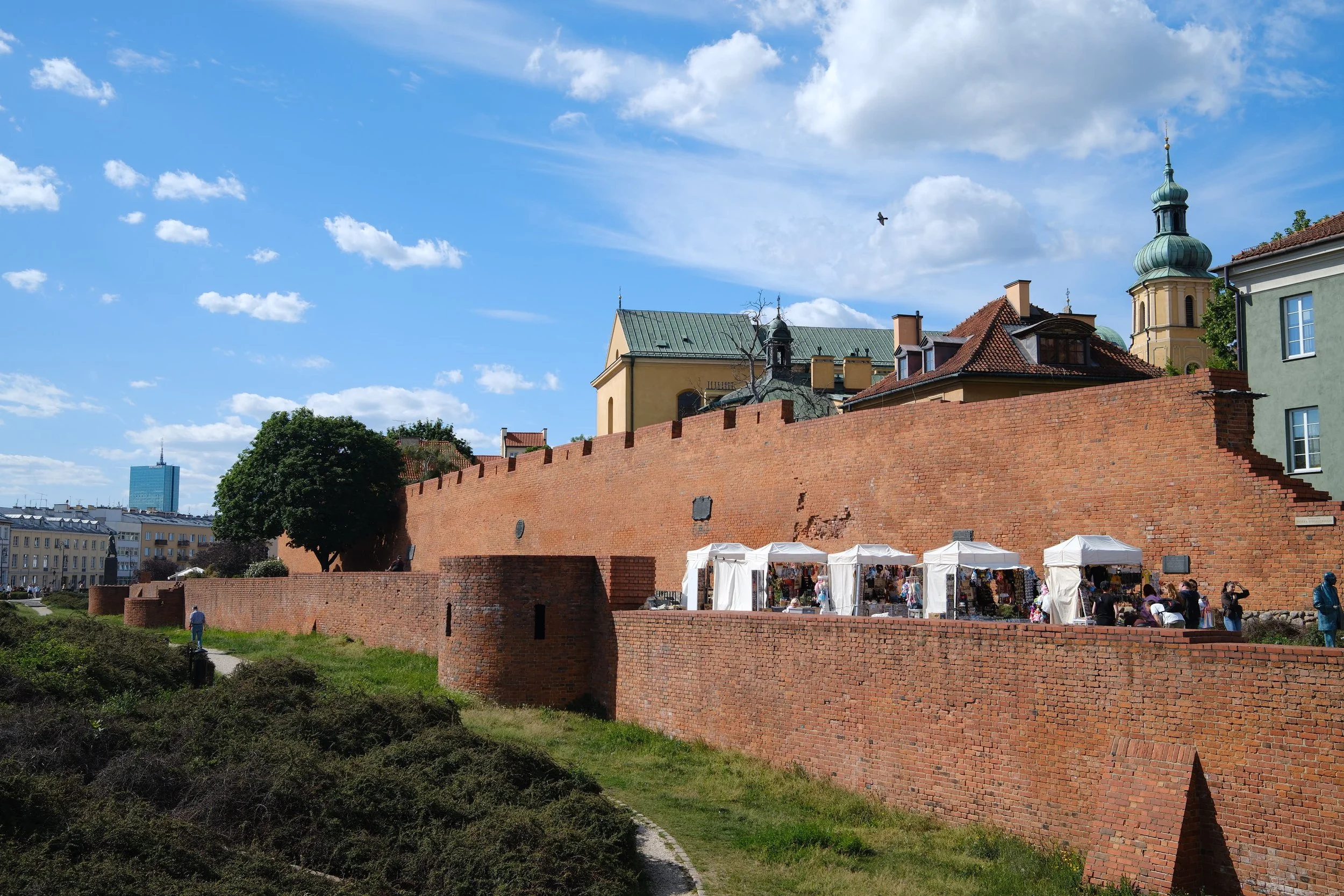
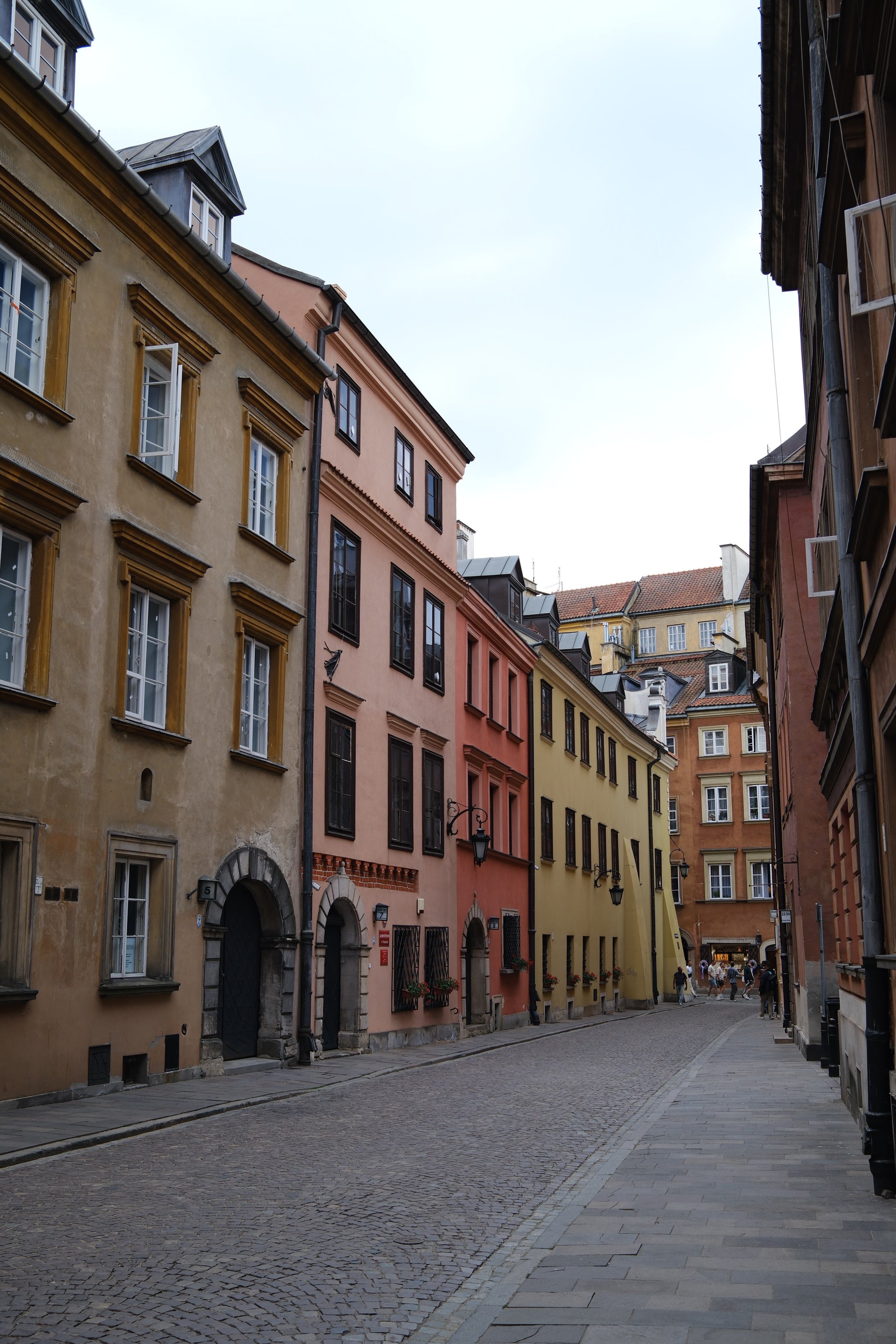
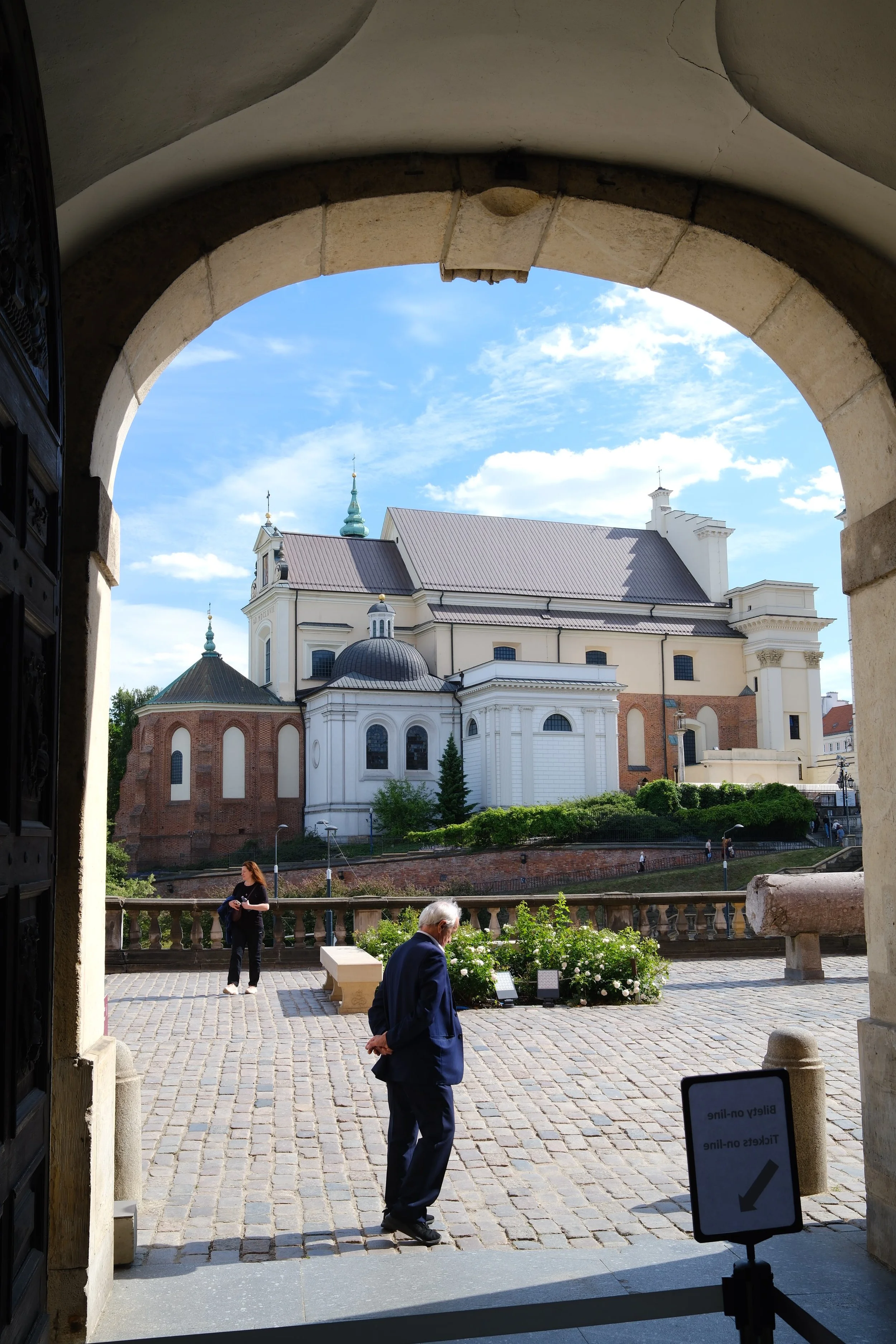
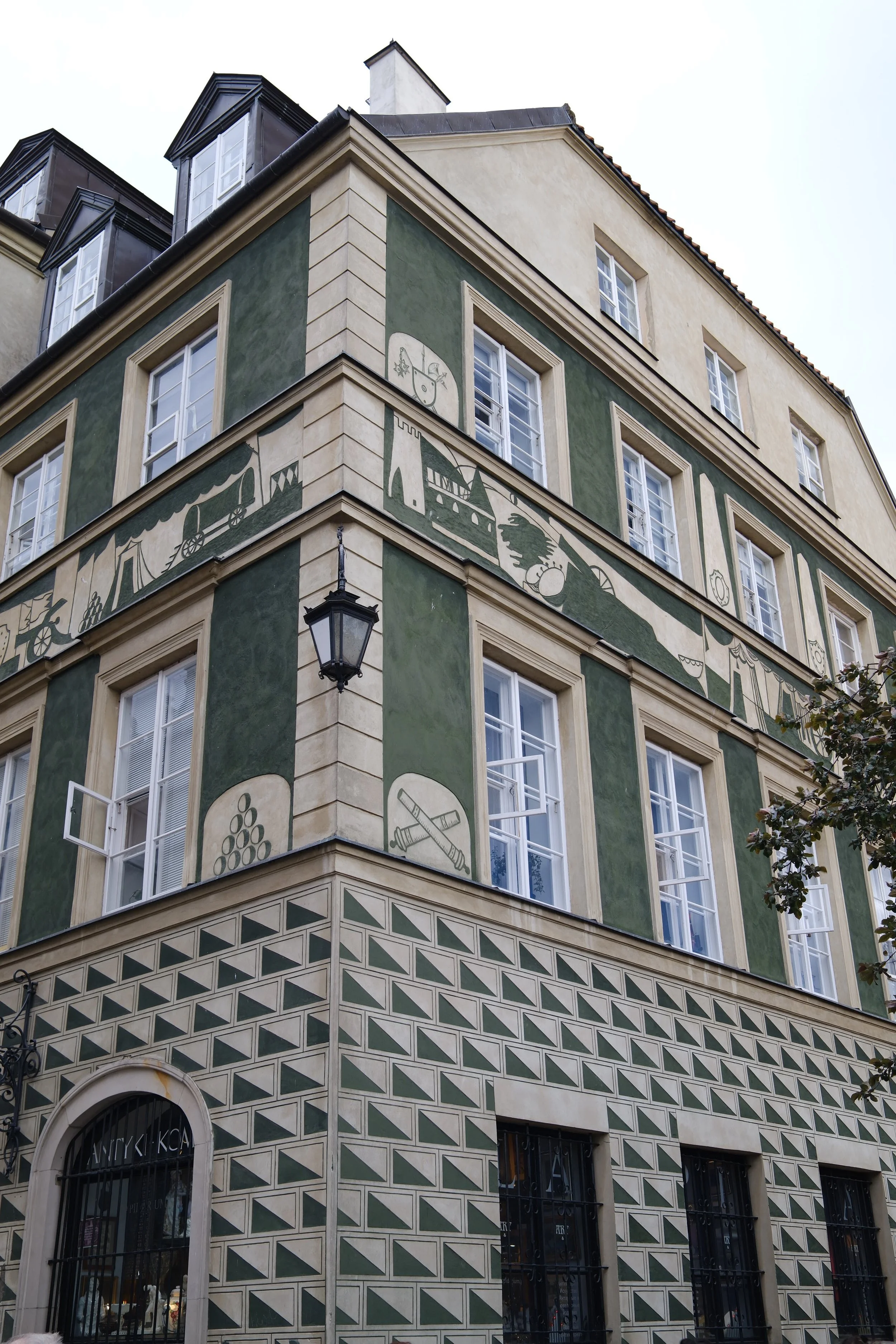
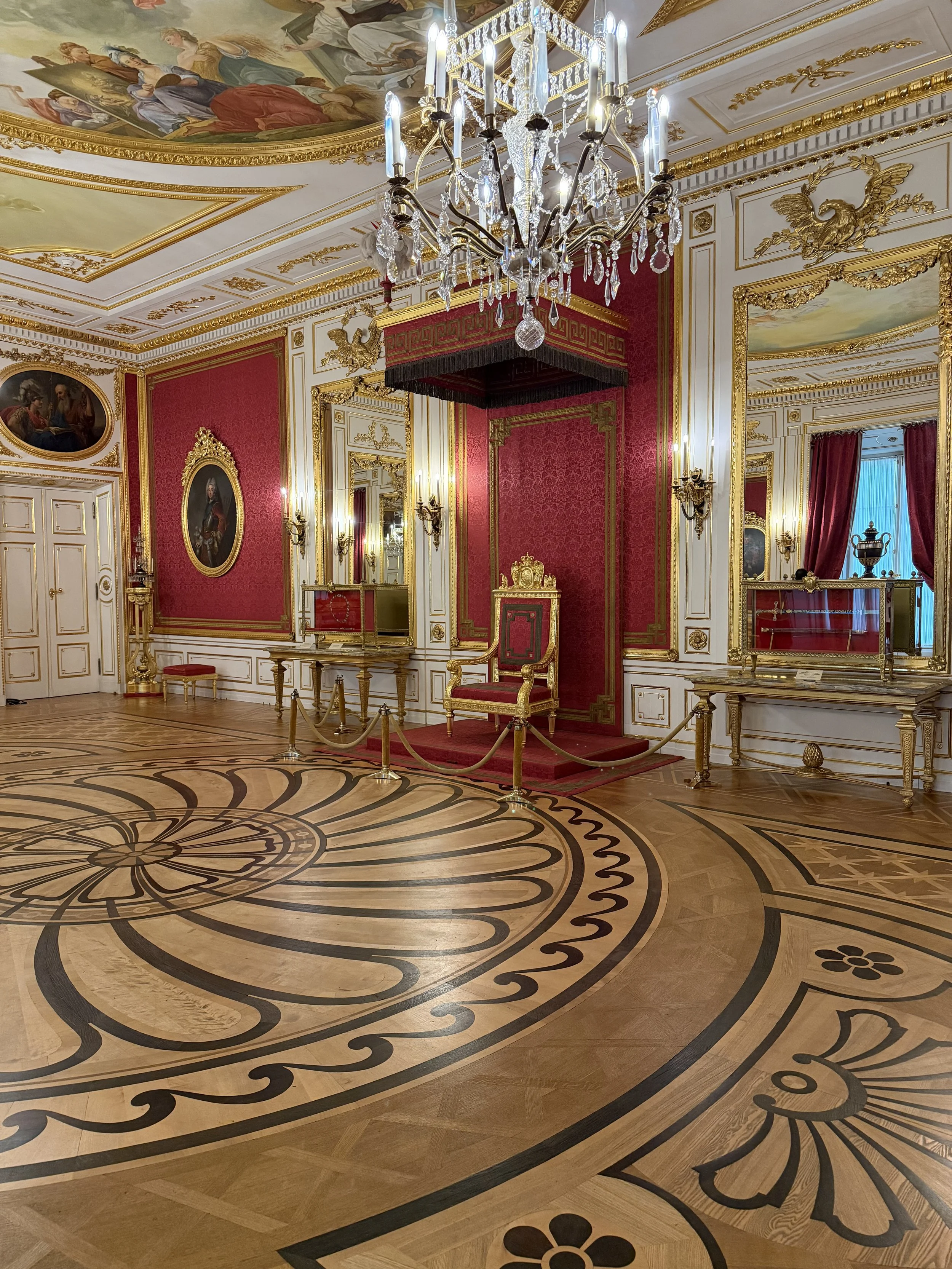
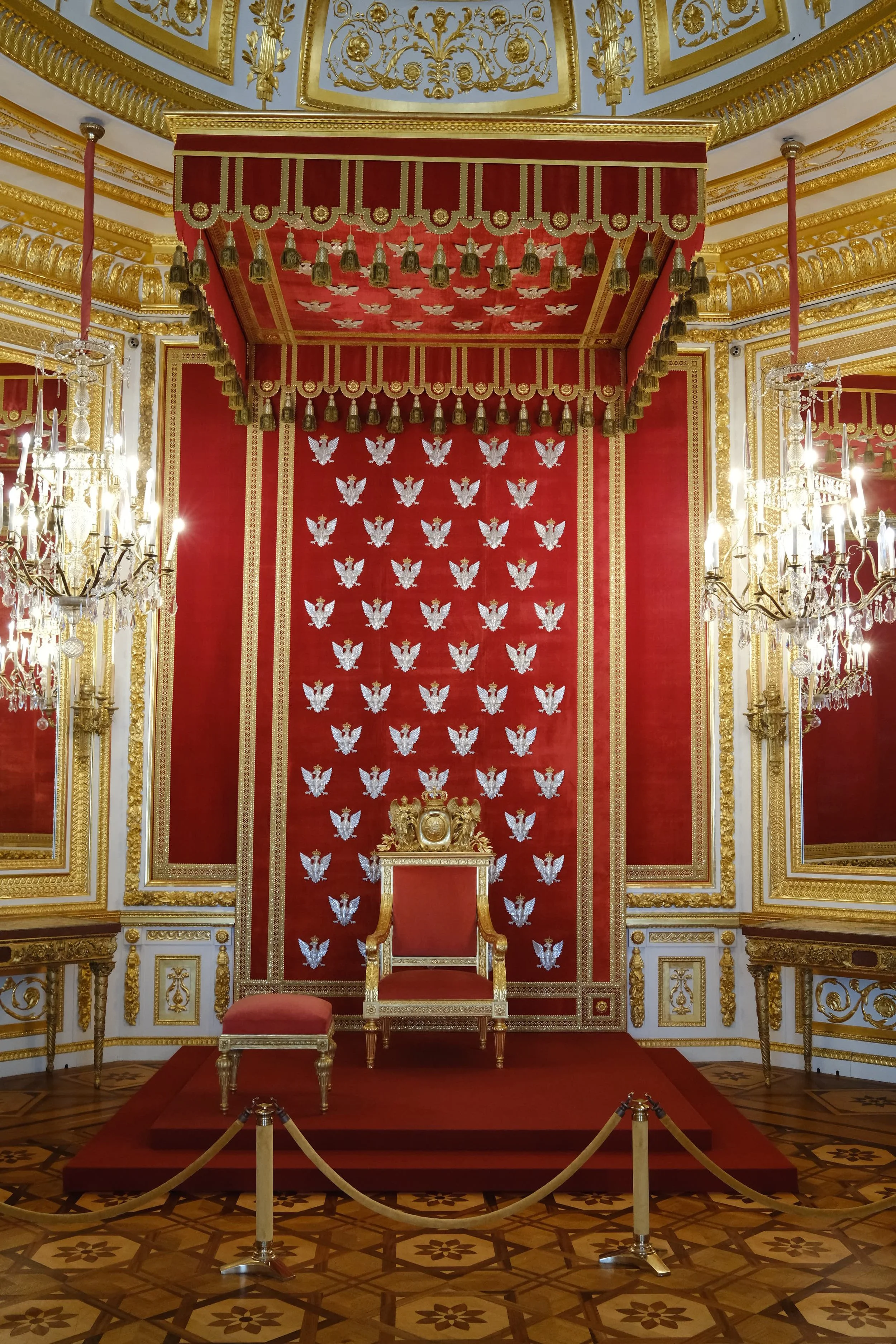
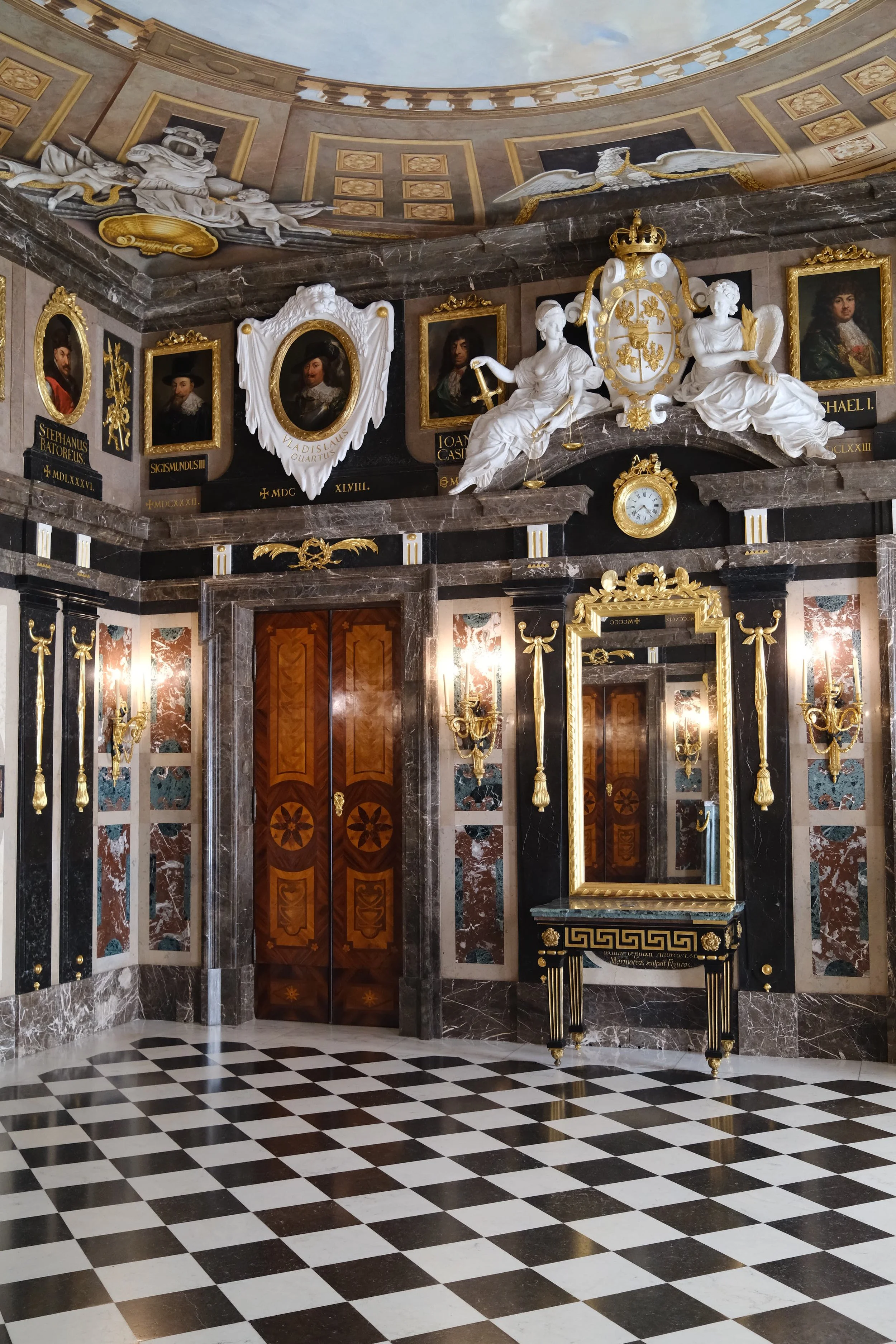
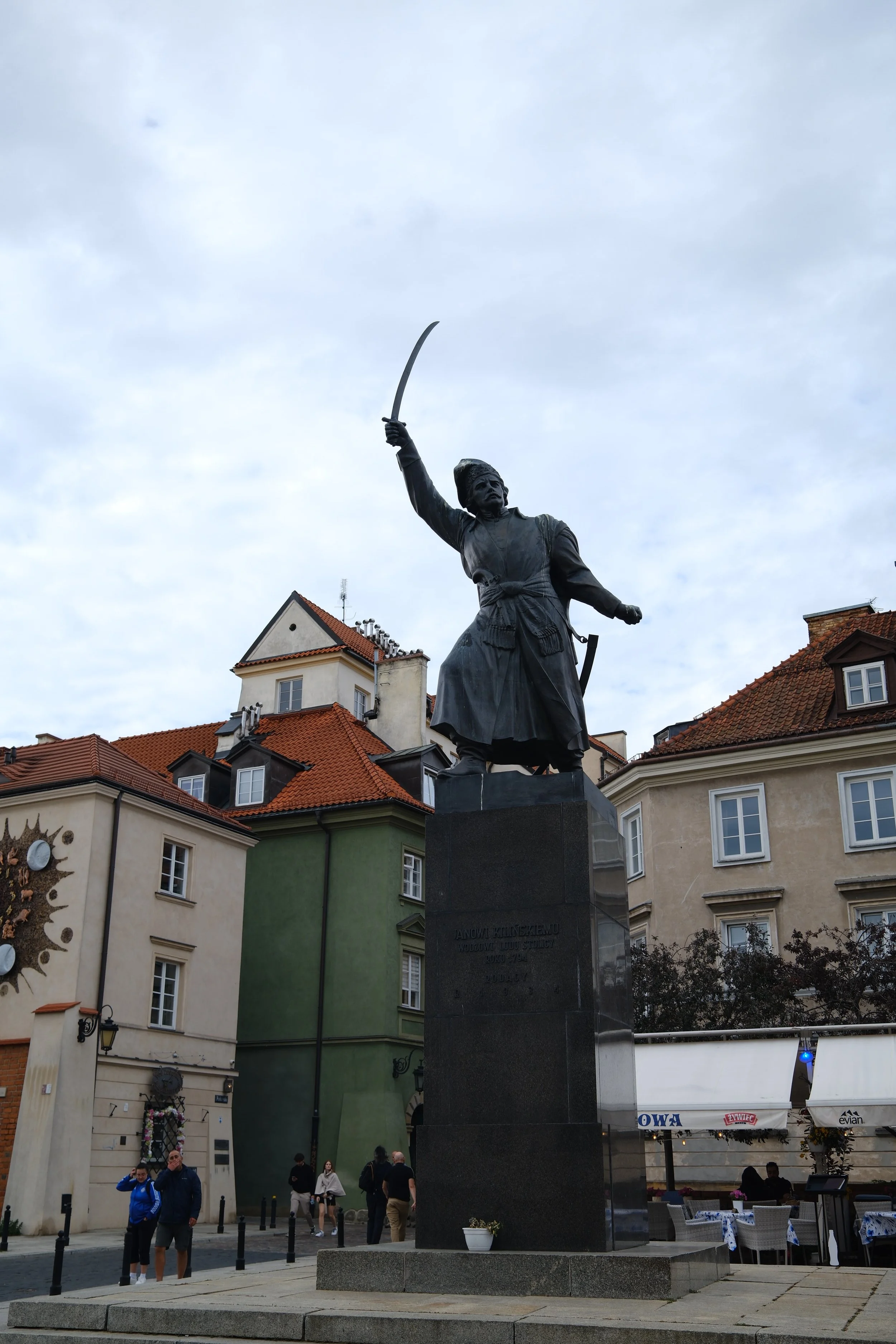
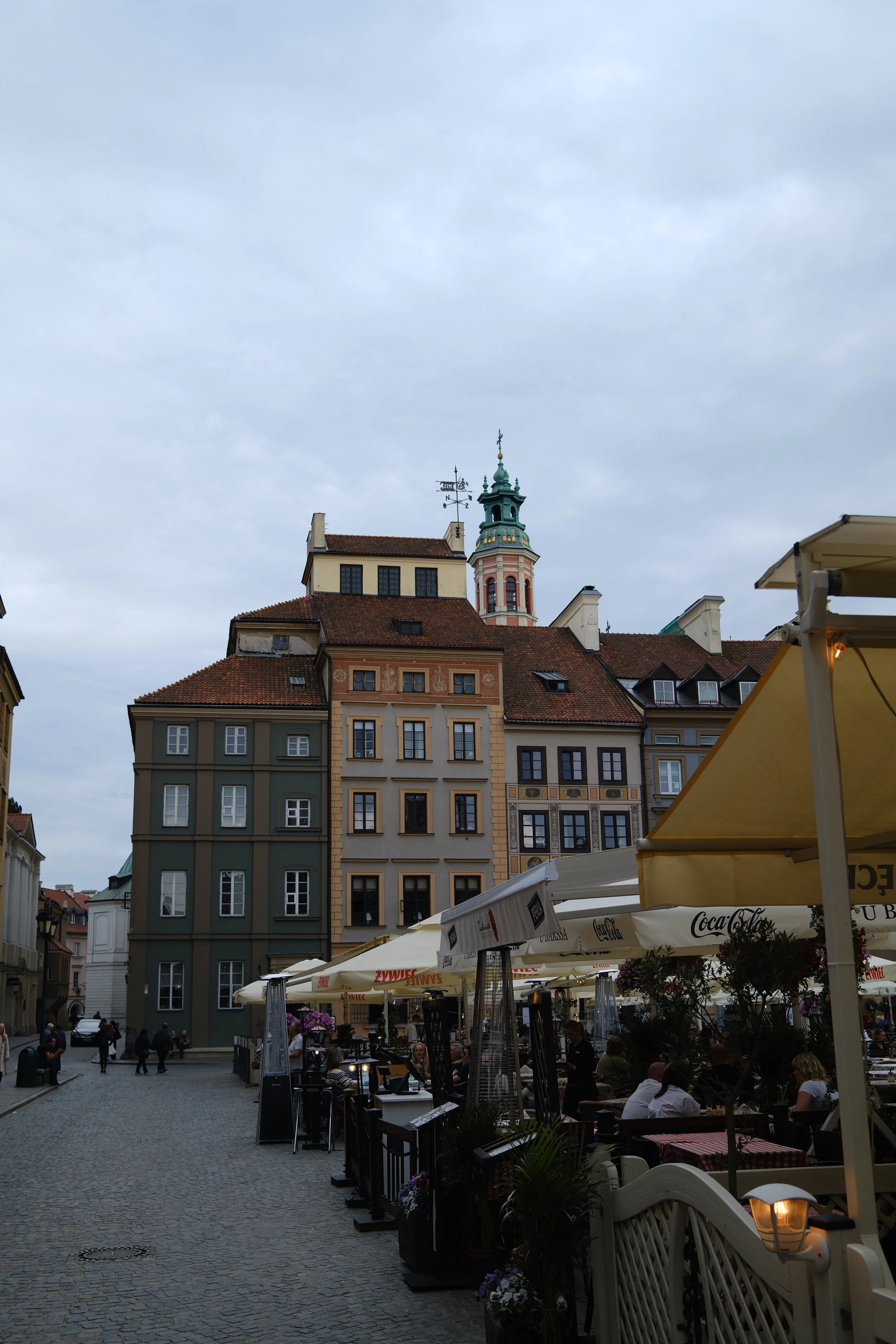
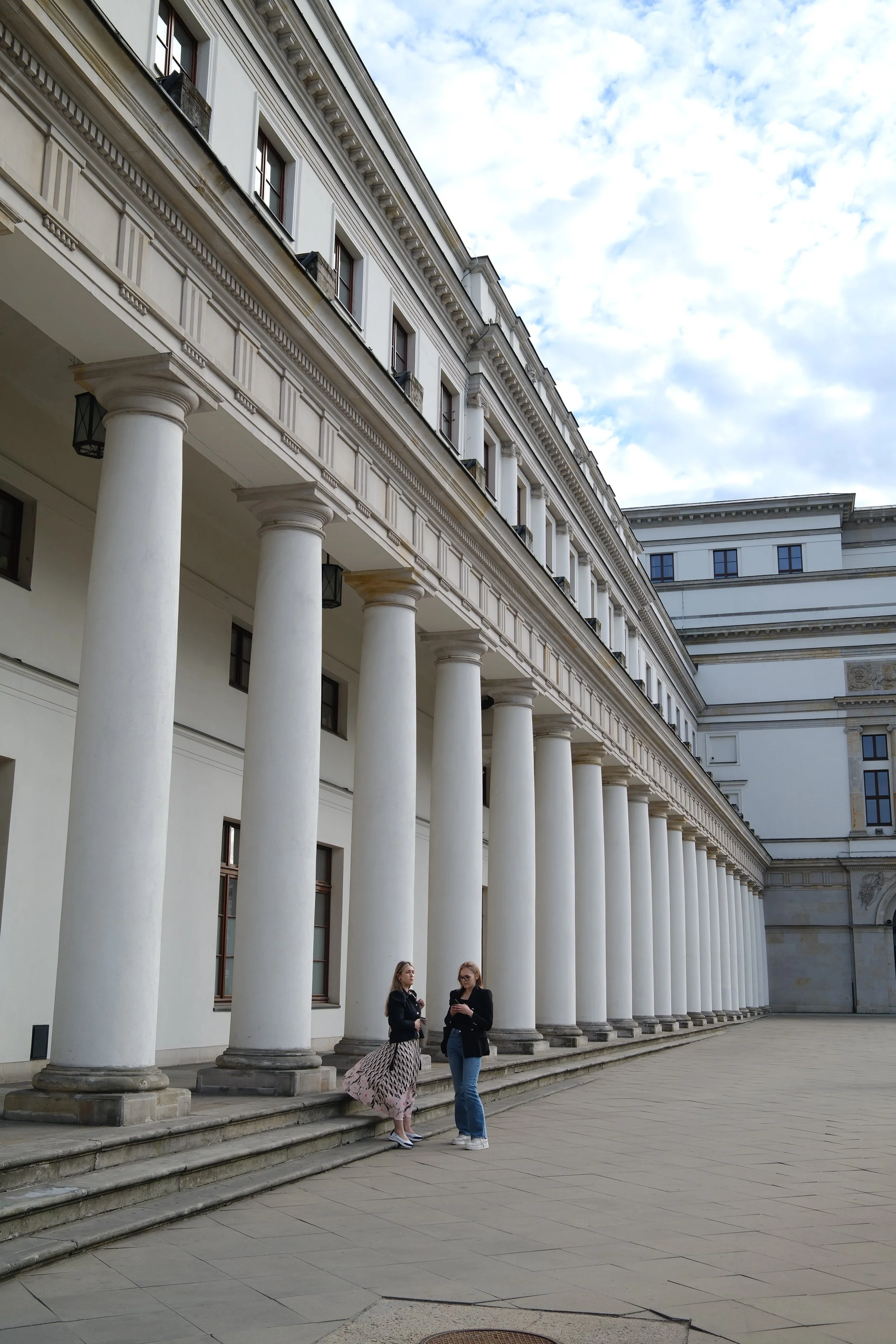
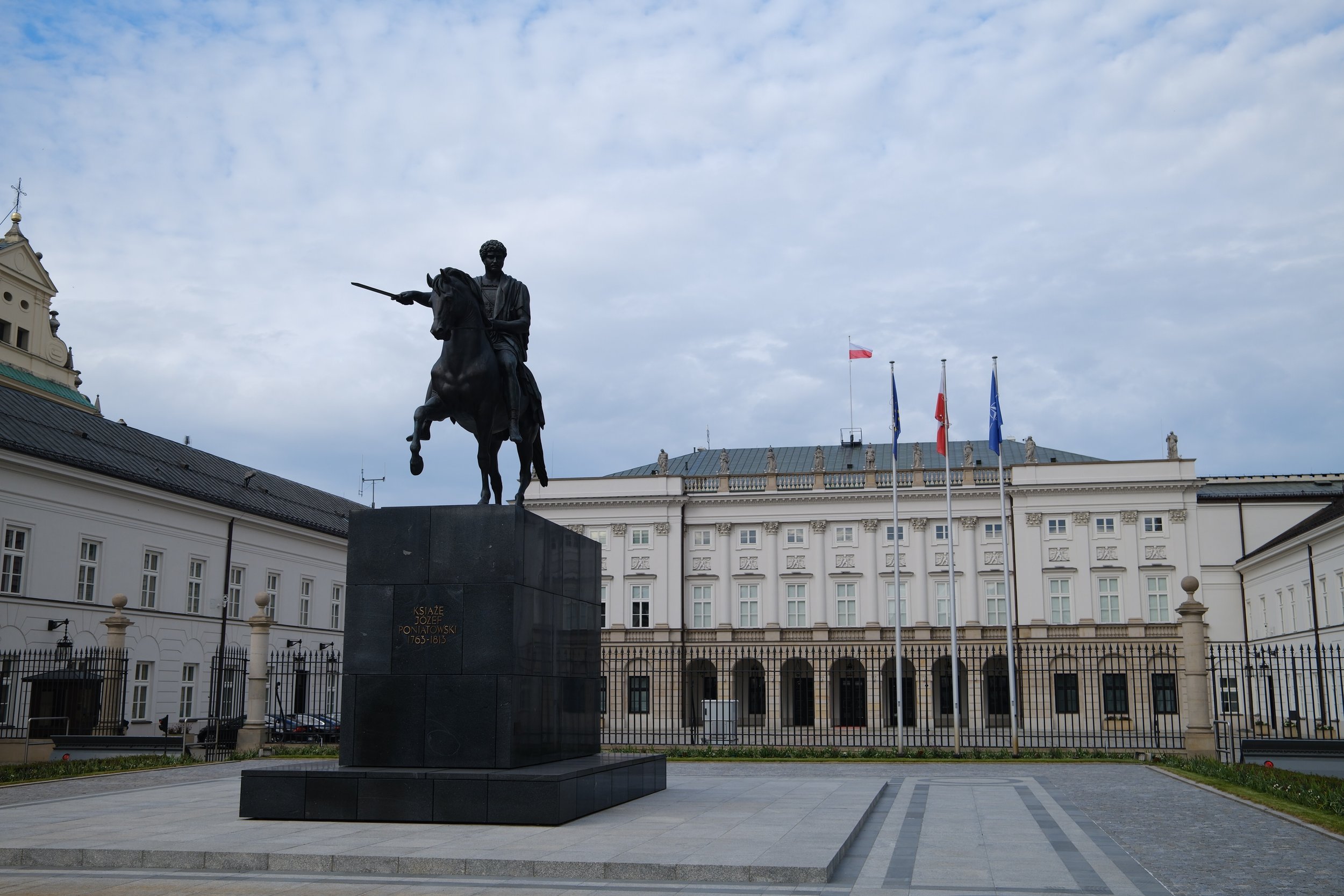
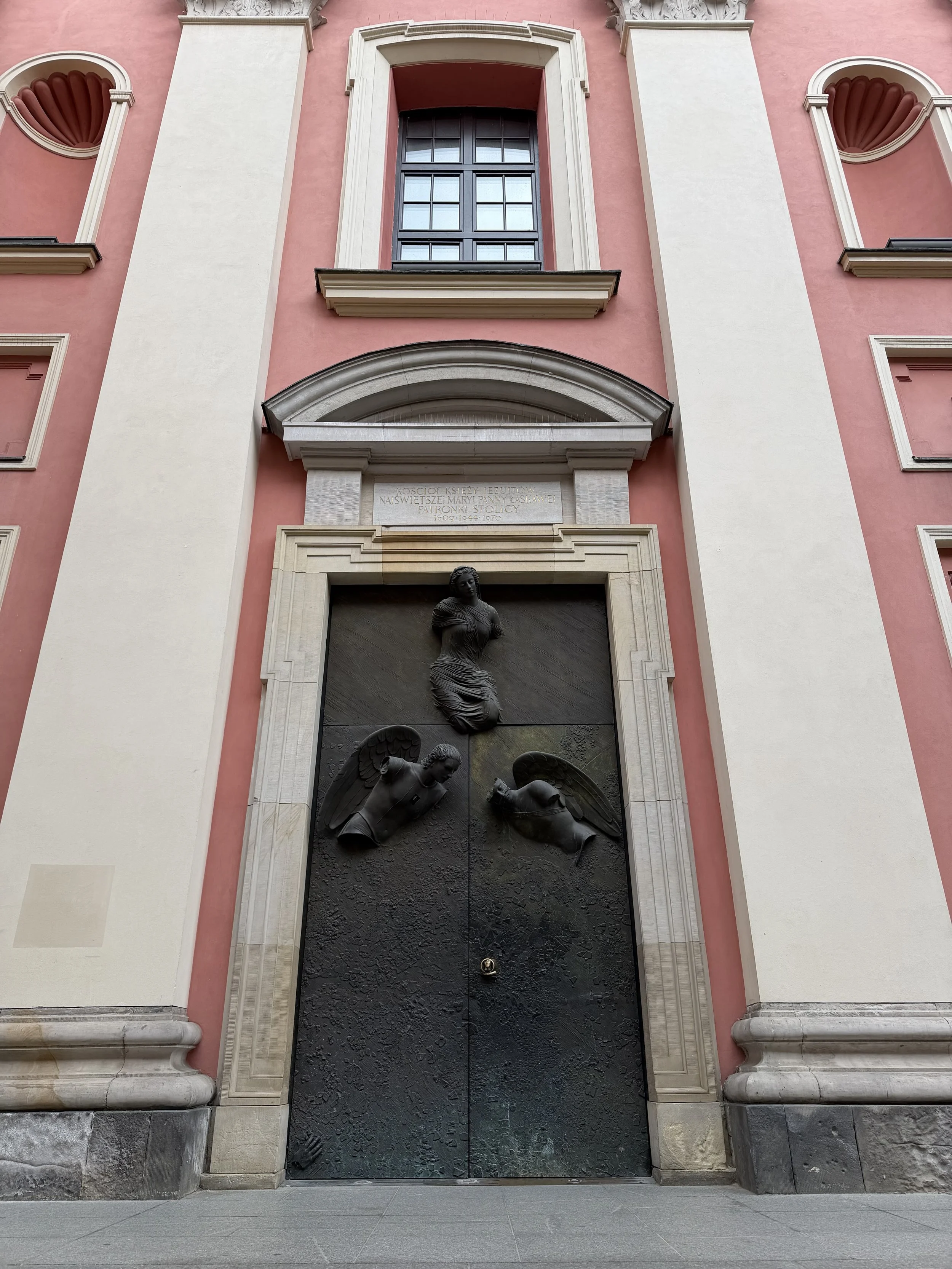
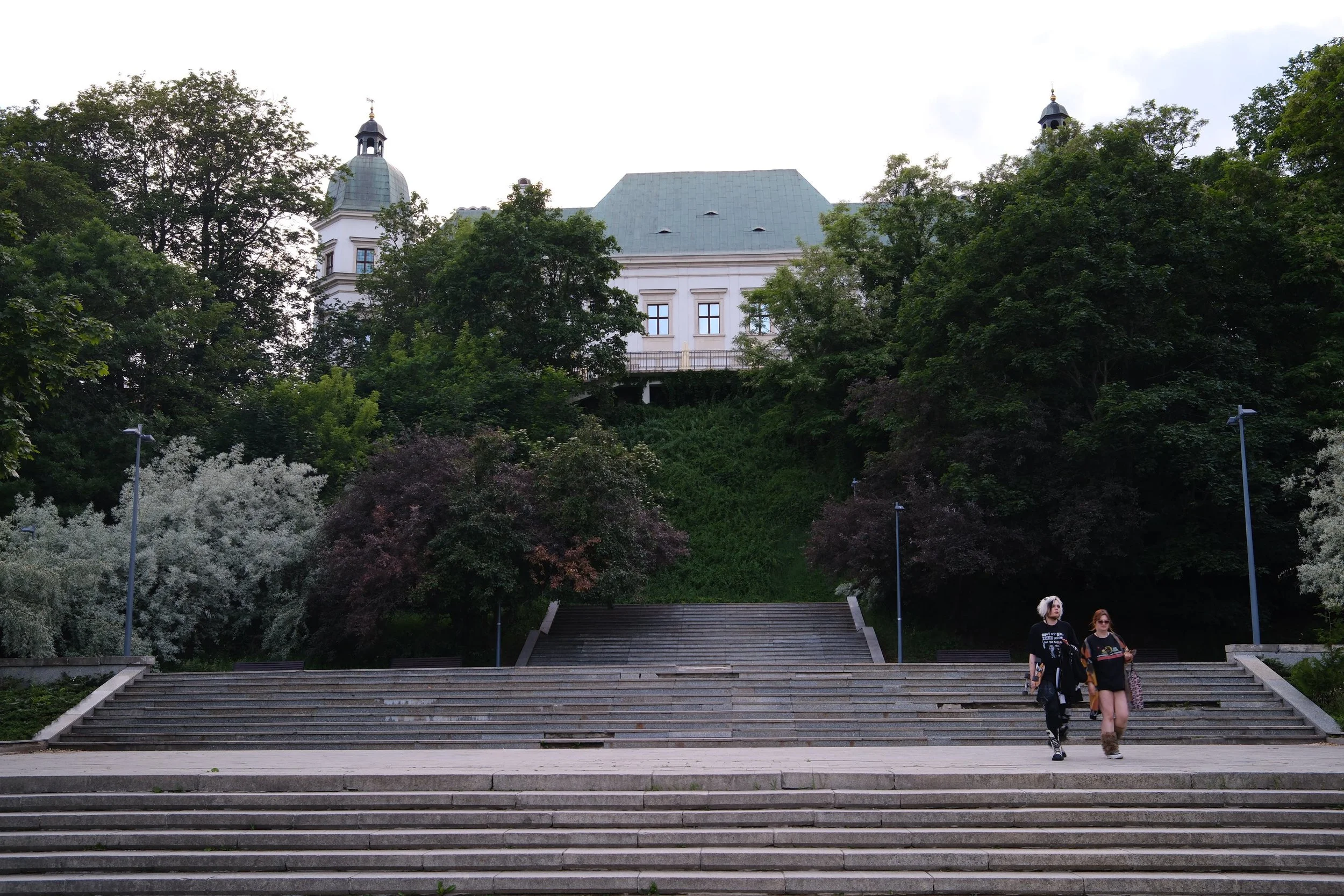
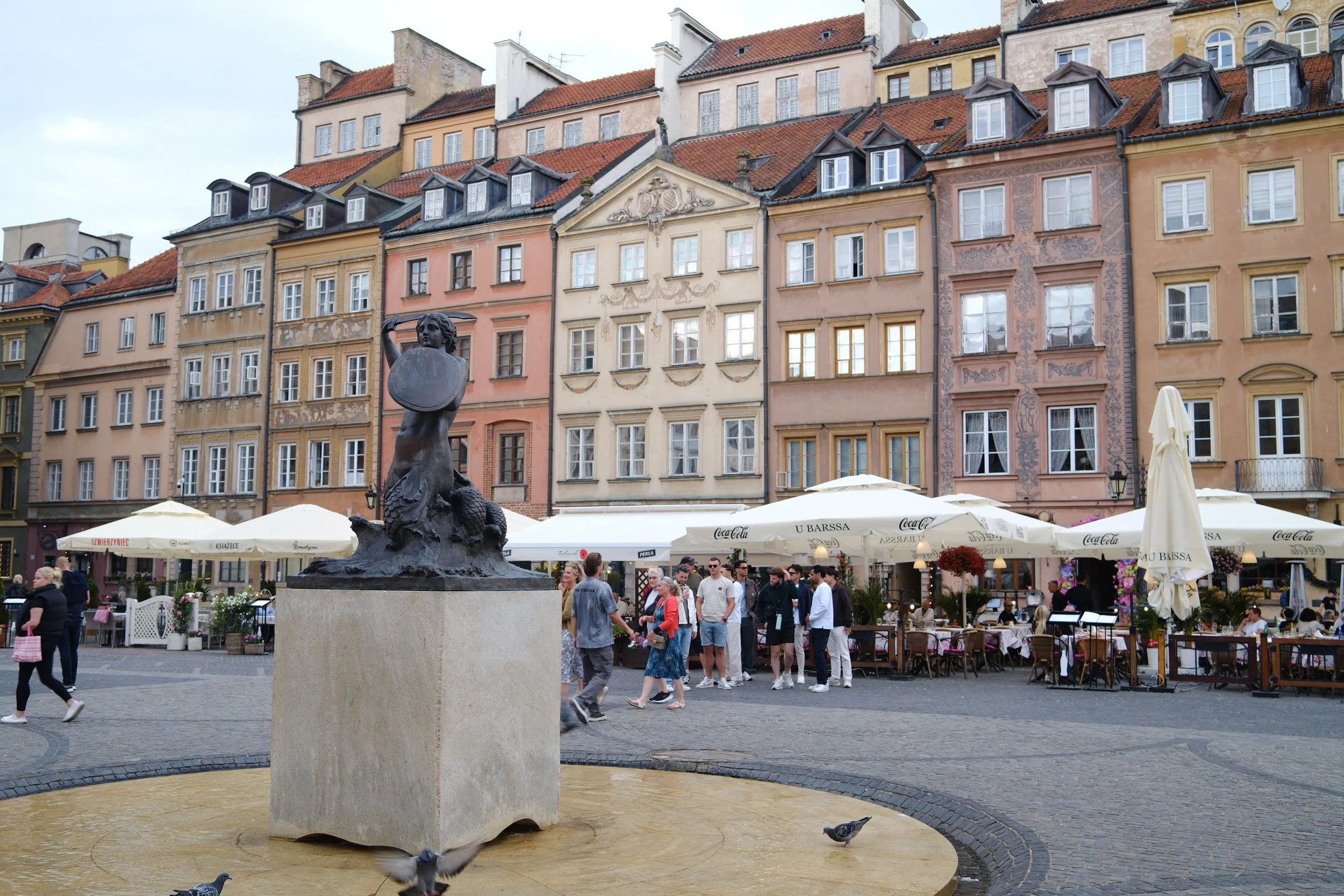
Walk the Old Town knowing that almost all of it was rebuilt from scratch after the war. You'll see remnants of the old foundations as a reminder of what was left in 1945. The Royal Castle was reconstructed and only reopened in the 1980s. If you have an hour, the city museum on the Old Town square is genuinely informative; I first visited it on a short layover over ten years ago, and it stuck with me.
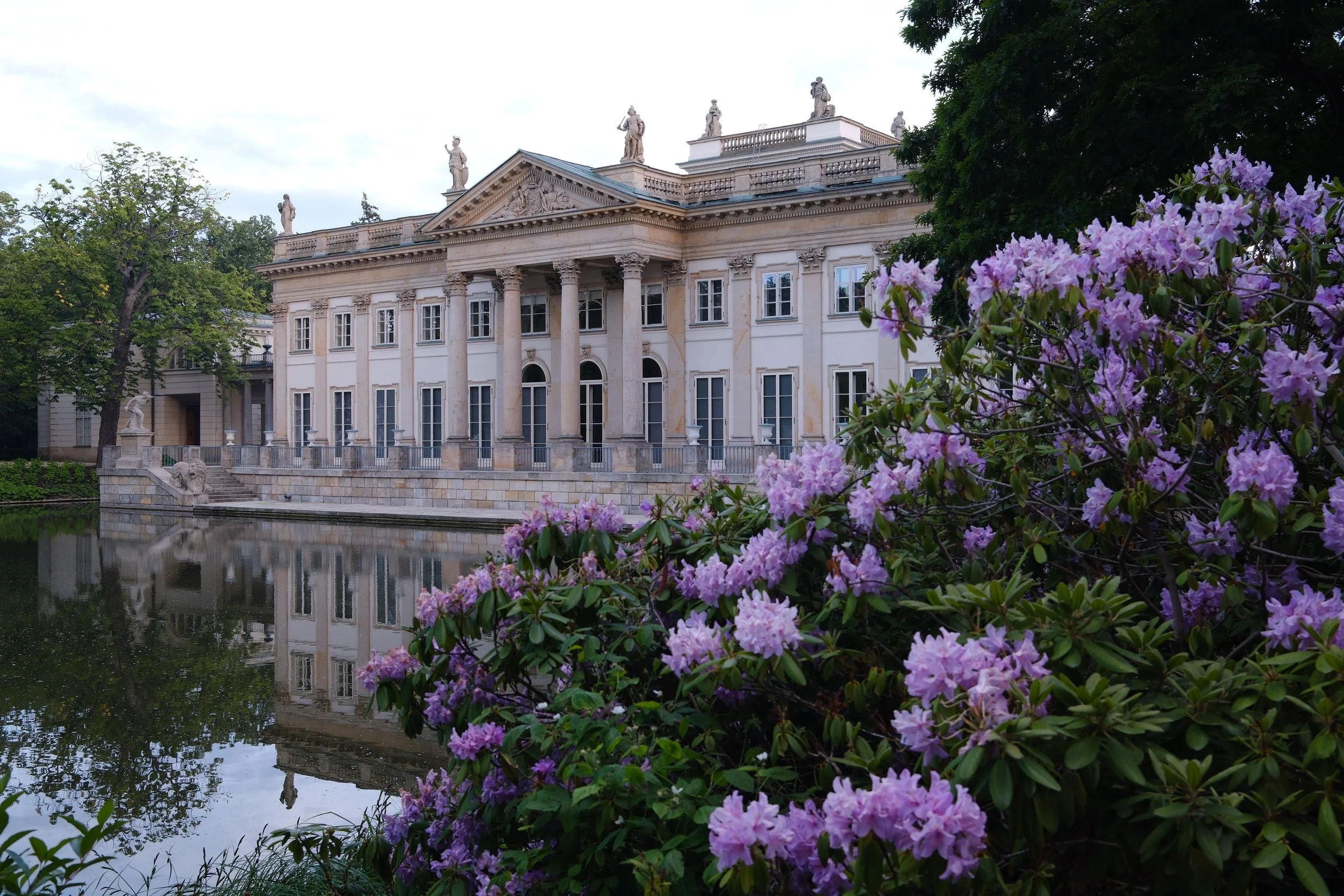
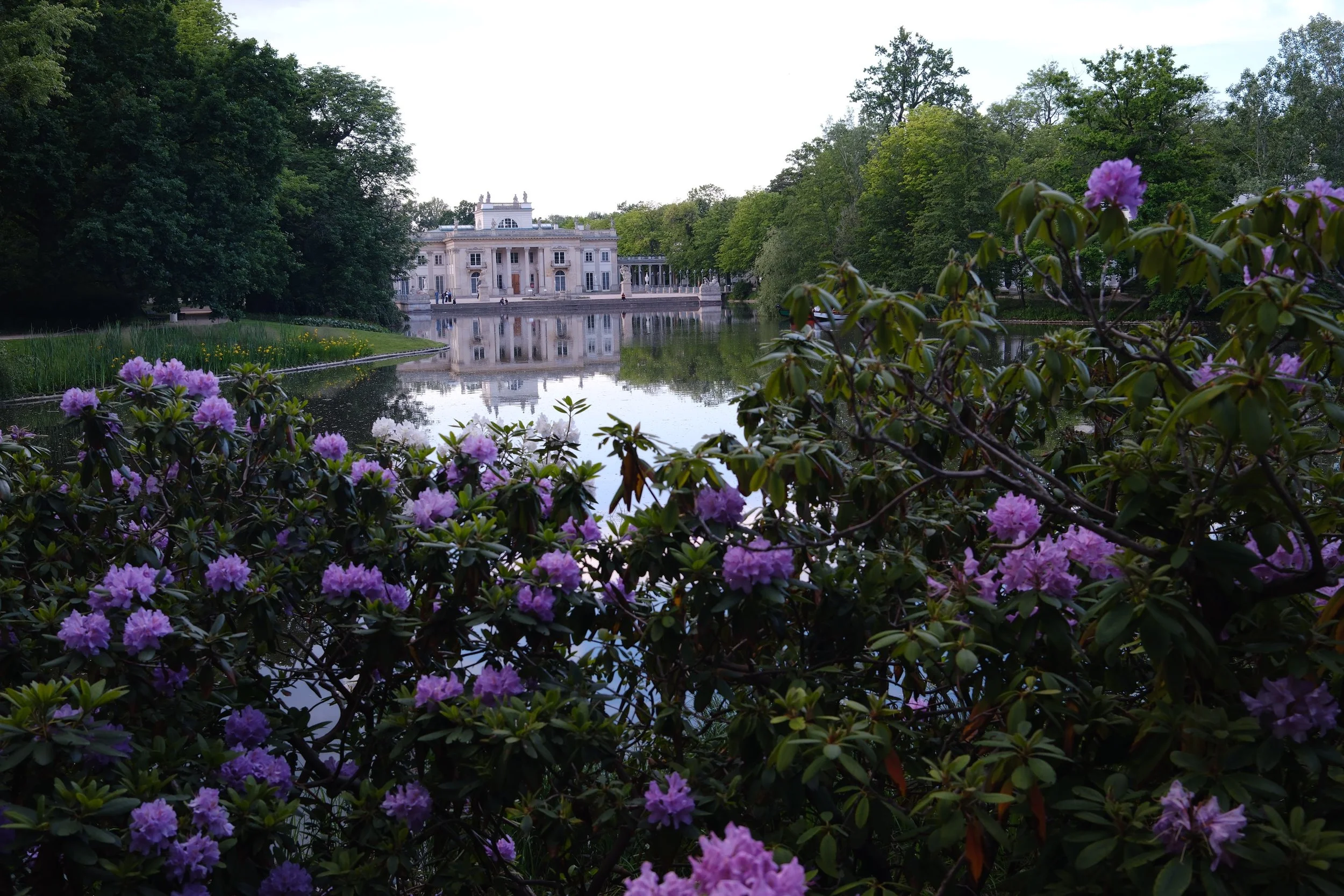
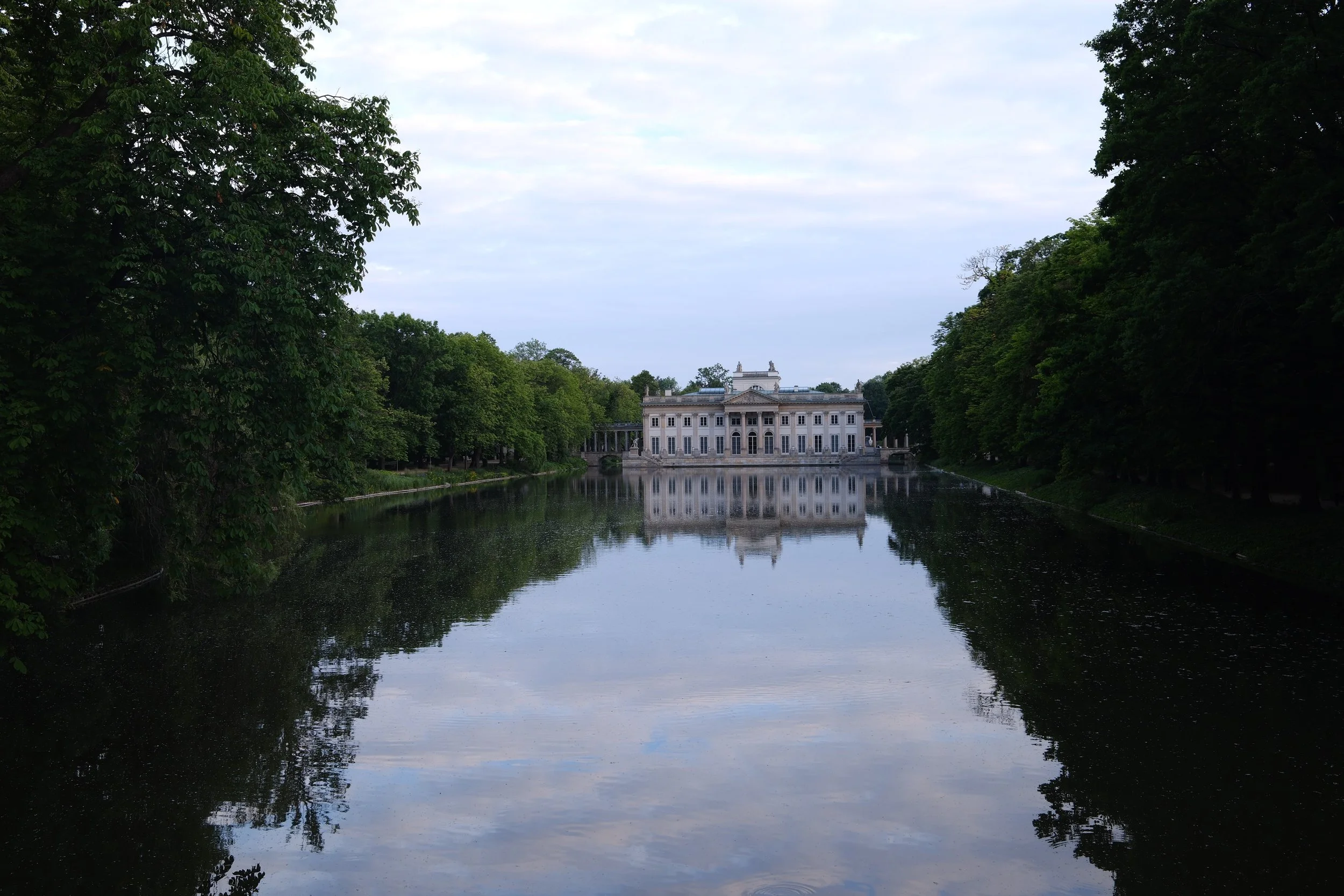
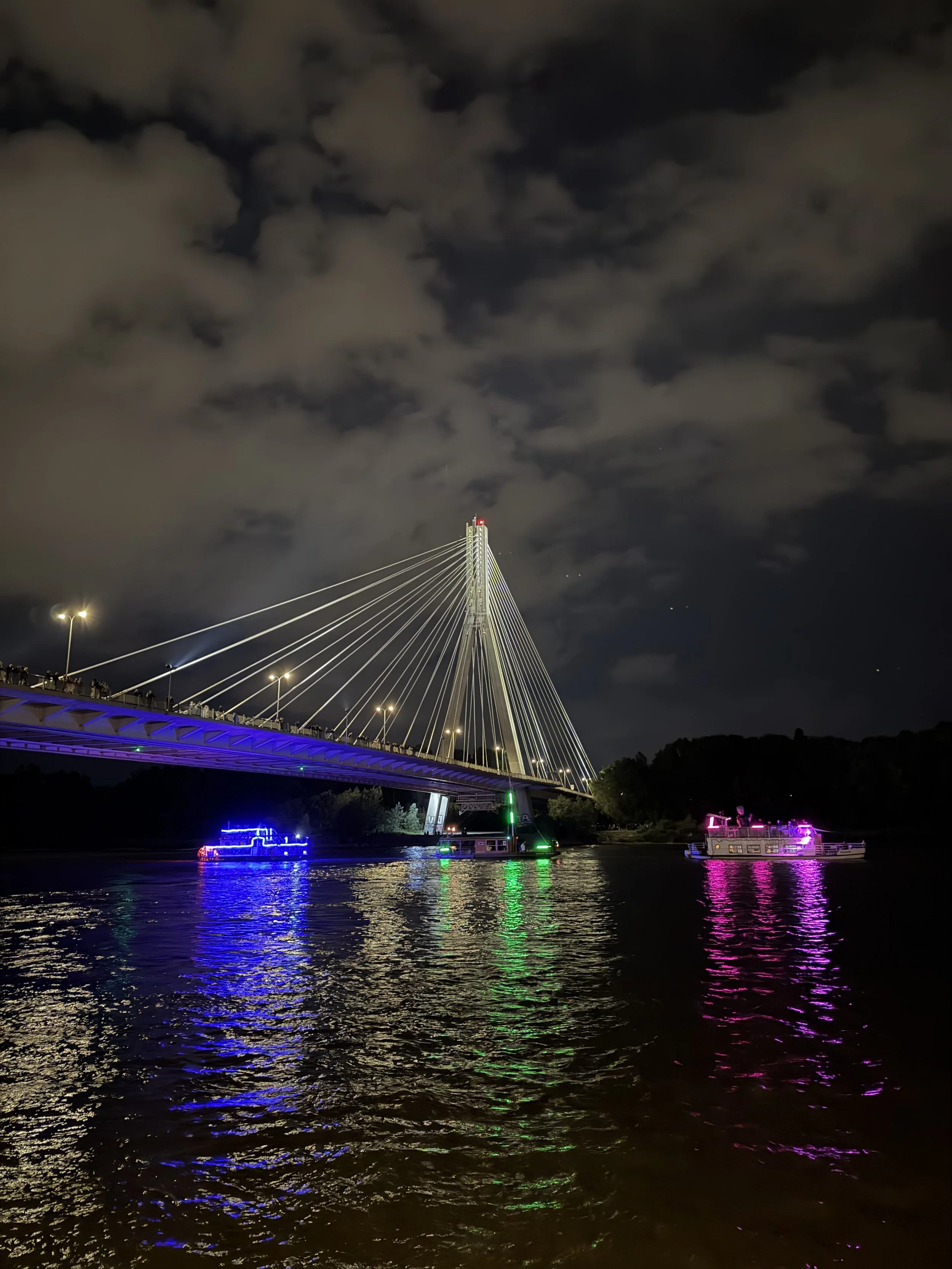
For green space, the Palace on the Isle in Łazienki Park is my favorite spot in the city. You'll genuinely feel like you're in the Polish forest. And if you can, walk along the Vistula. We got lucky and caught the annual night boat parade, which gives you a real sense of the river as the lifeblood of the place. In summer the banks are lined with cafes and bars made for exactly that kind of evening.
The Takeaway
Warsaw is not a wine or food destination. It is something more interesting than both: a city that rebuilt itself out of almost nothing and arrived at a food and drink culture with real depth. The Vodka Museum gives you the roots. The wine bars give you the present. The milk bars, the food halls, and the museums give you the whole picture.
Warsaw will surprise you.