
The Oldest Family Wine Shop in America
I nearly walked right past.
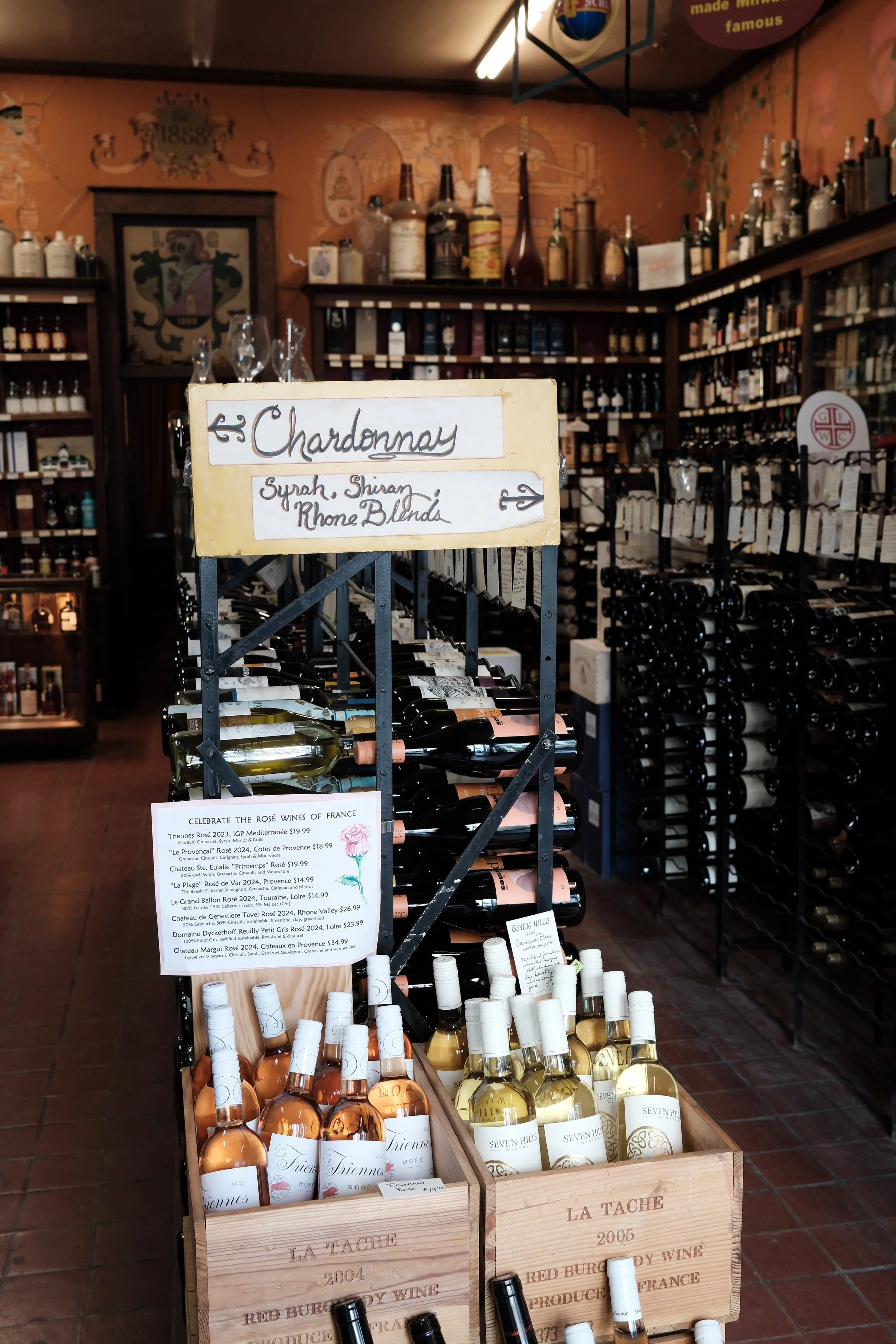
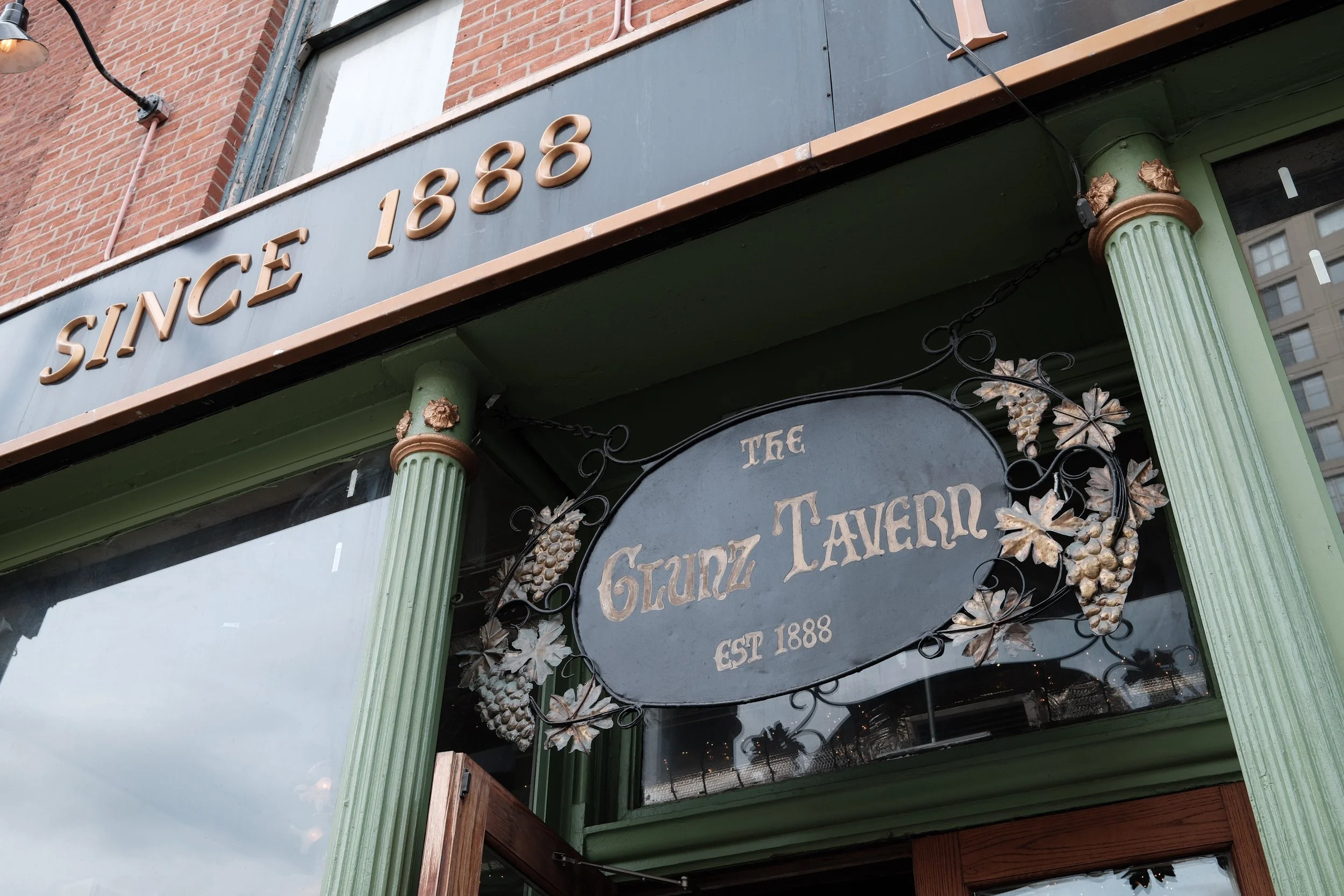
House of Glunz sits on Wells Street in Chicago's Old Town neighborhood and does not try hard to get your attention. It has been there since 1888, which is probably why. When you have been selling wine longer than most countries have had electricity, you do not need a sign that shouts.
I was in Chicago for my Court of Master Sommeliers Introductory Exam and had a few hours before heading to the airport. My friends pointed me toward Wells Street and I walked through the door not entirely sure what to expect. I slowed down almost immediately.
What the place actually feels like
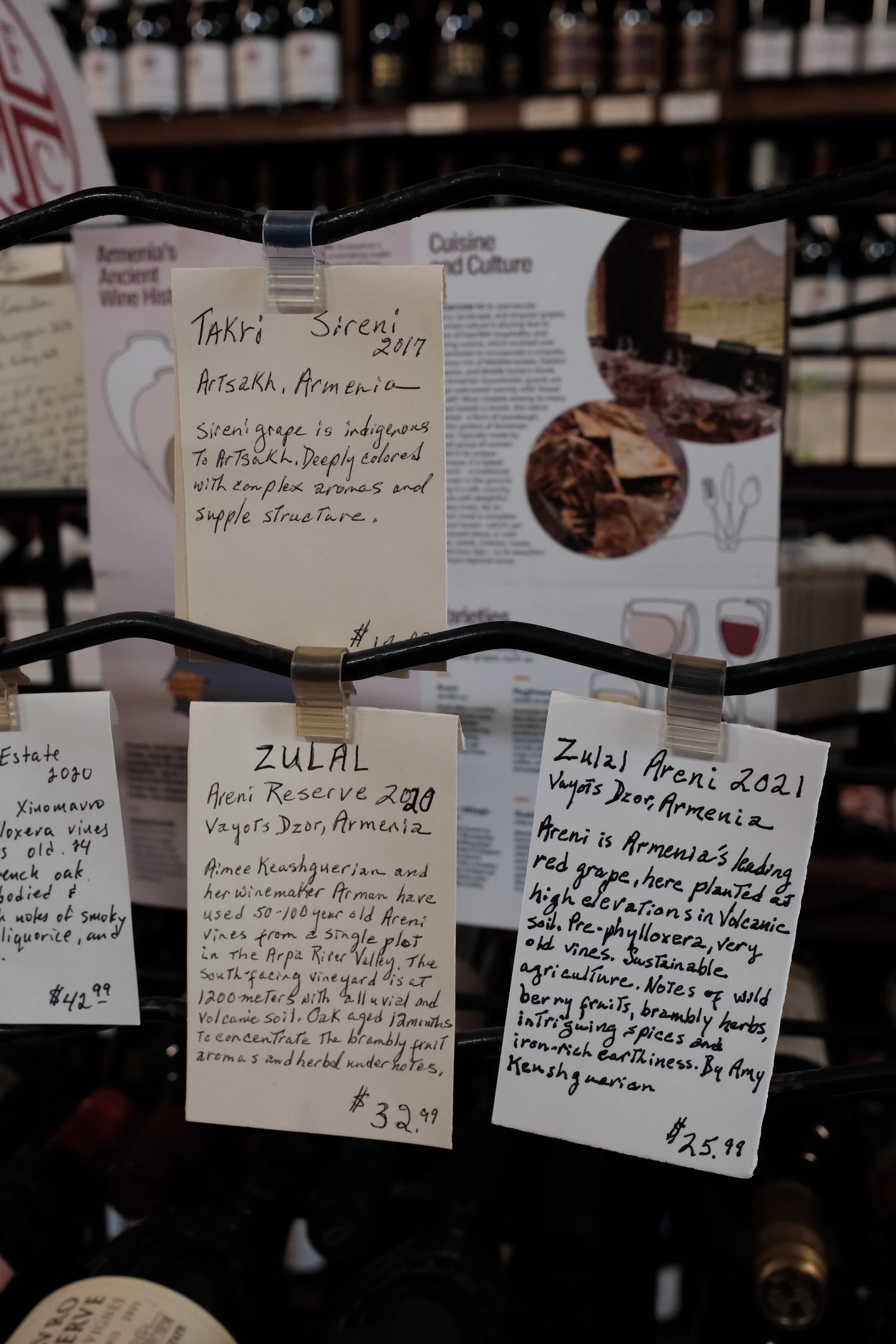
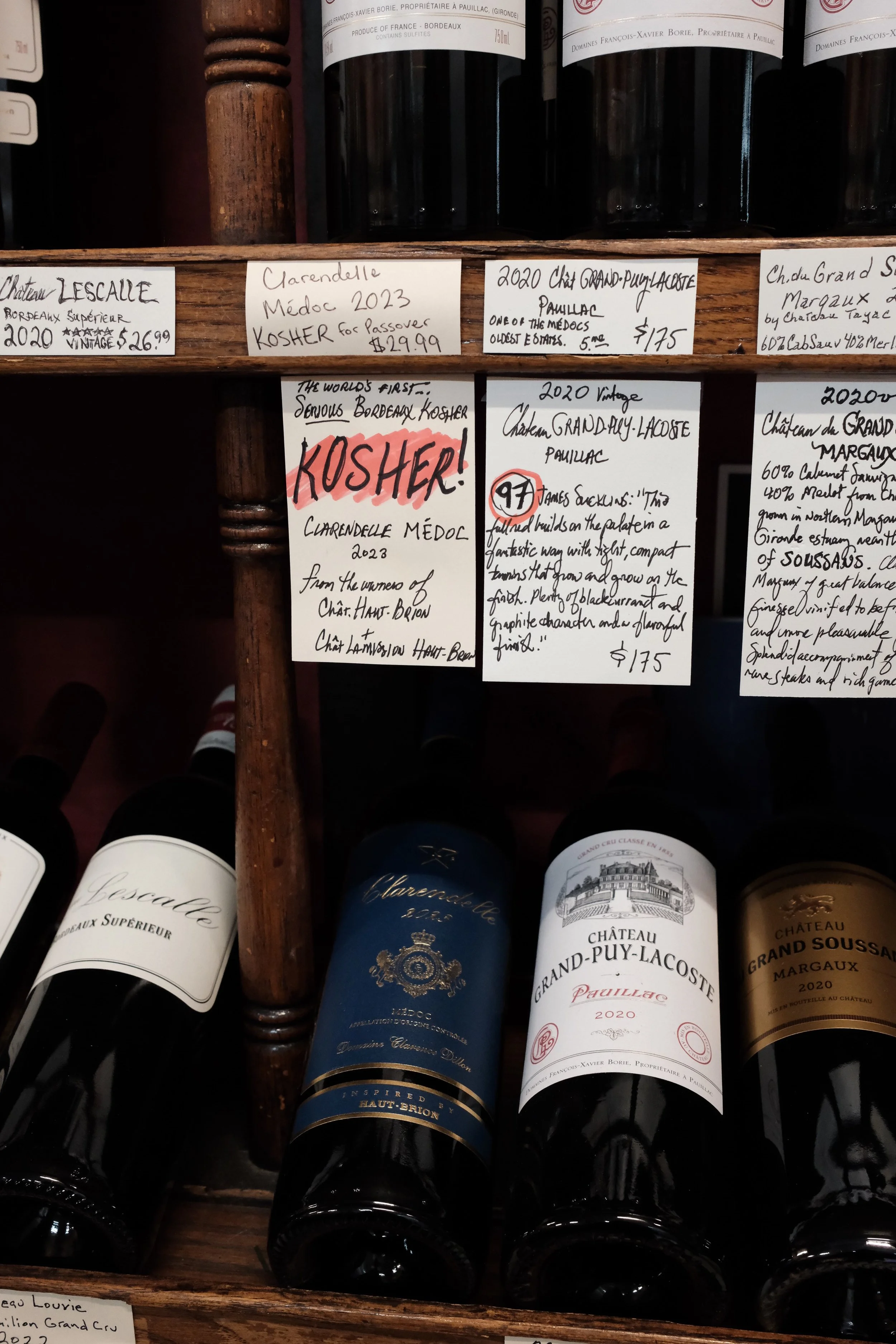
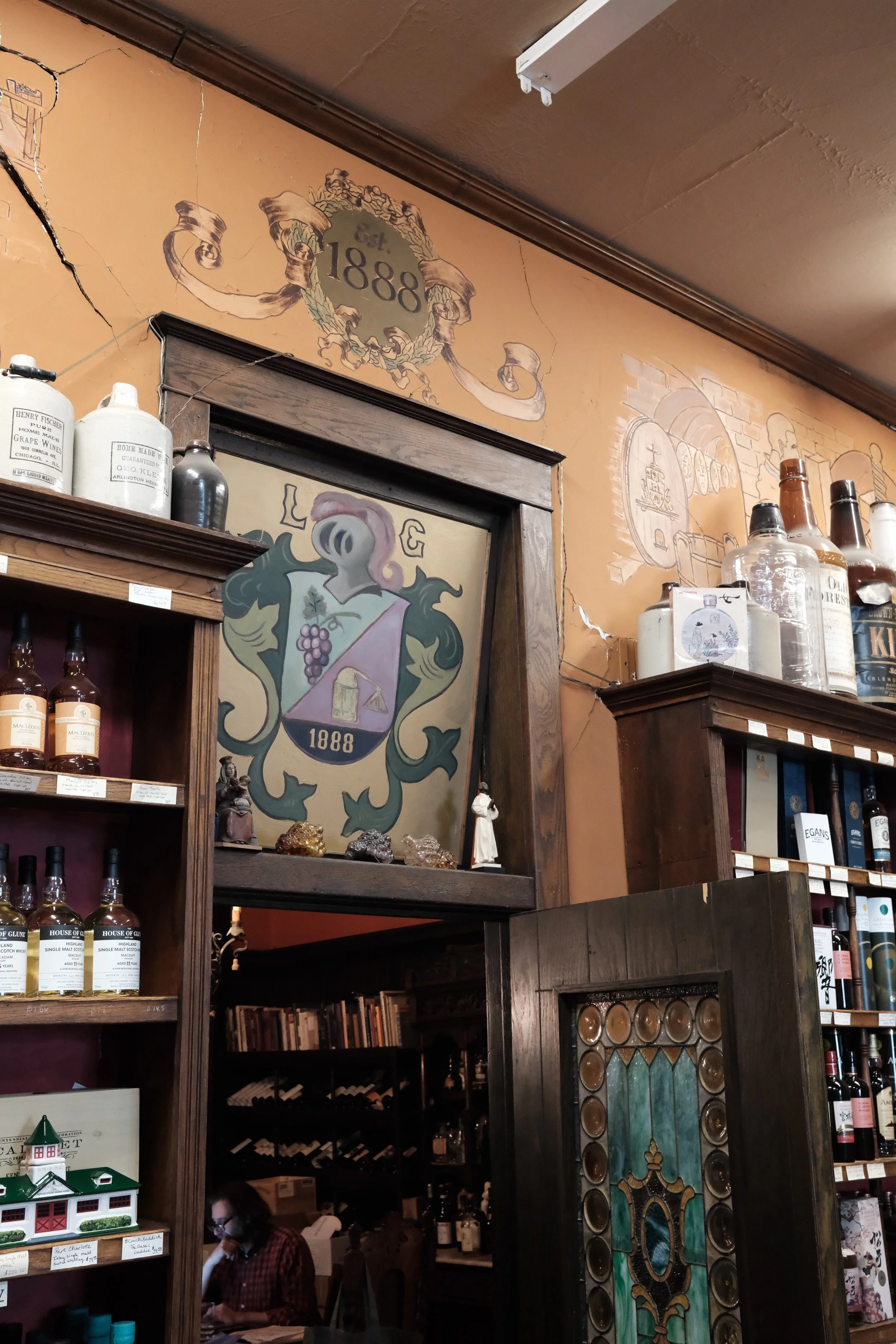
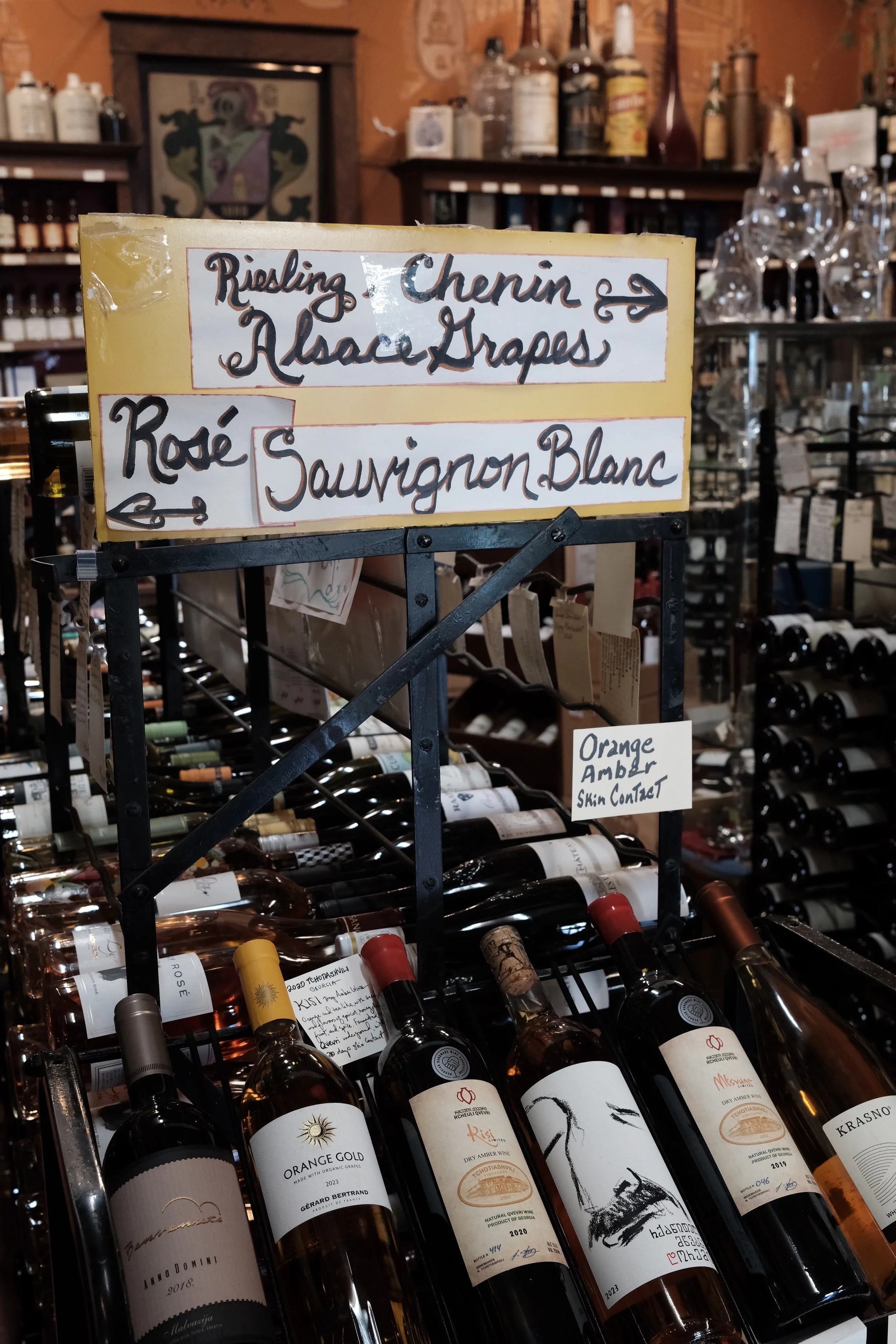
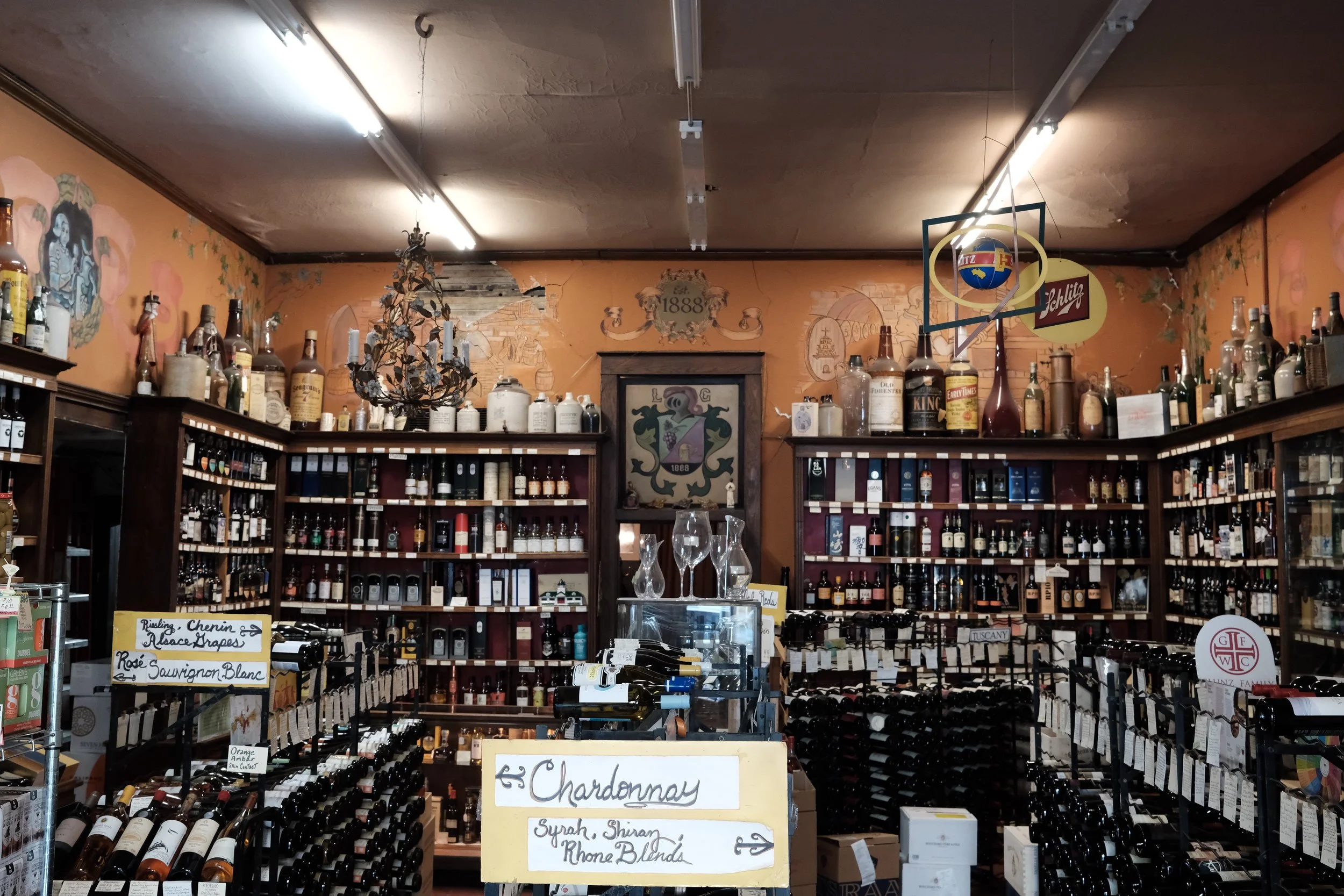
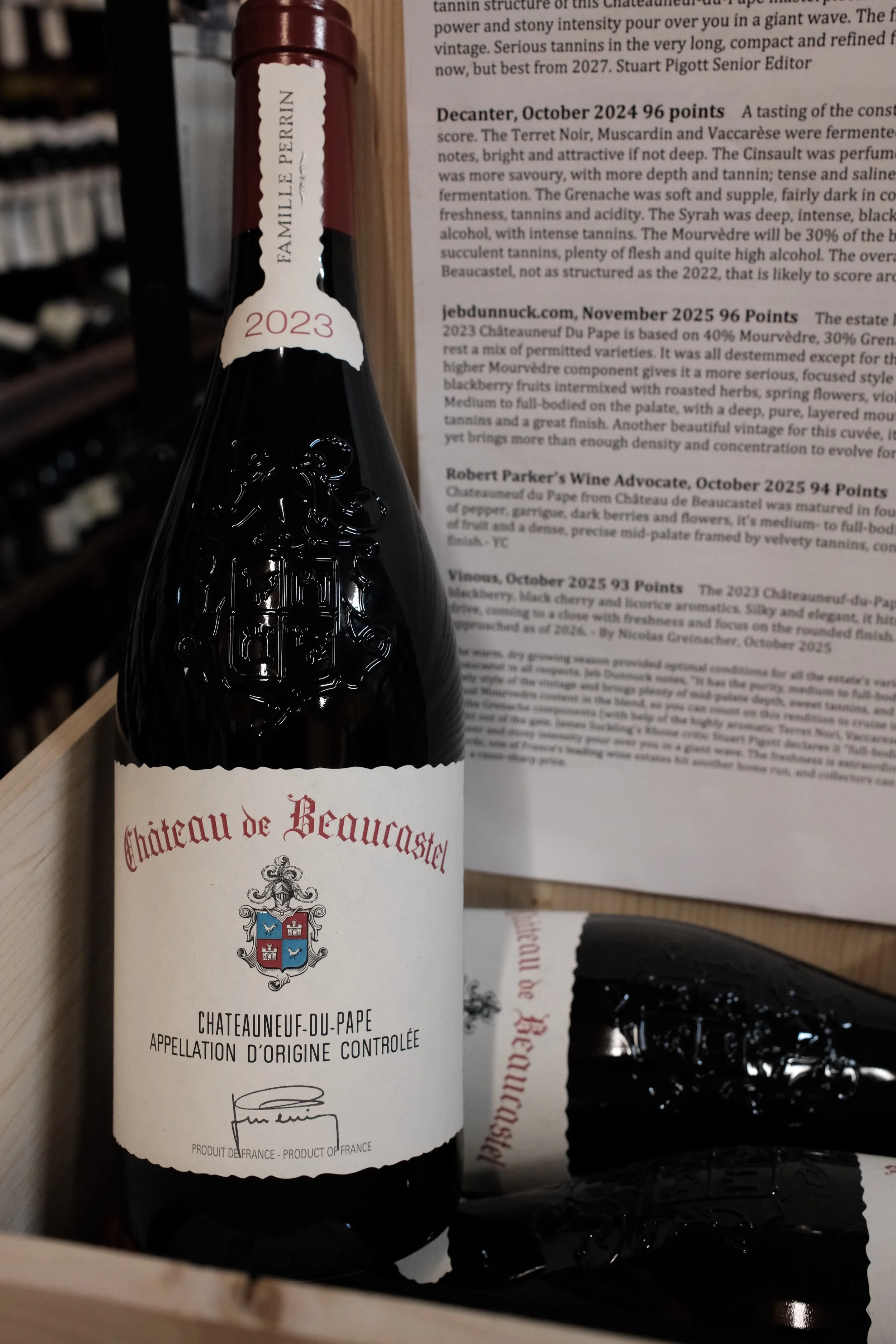
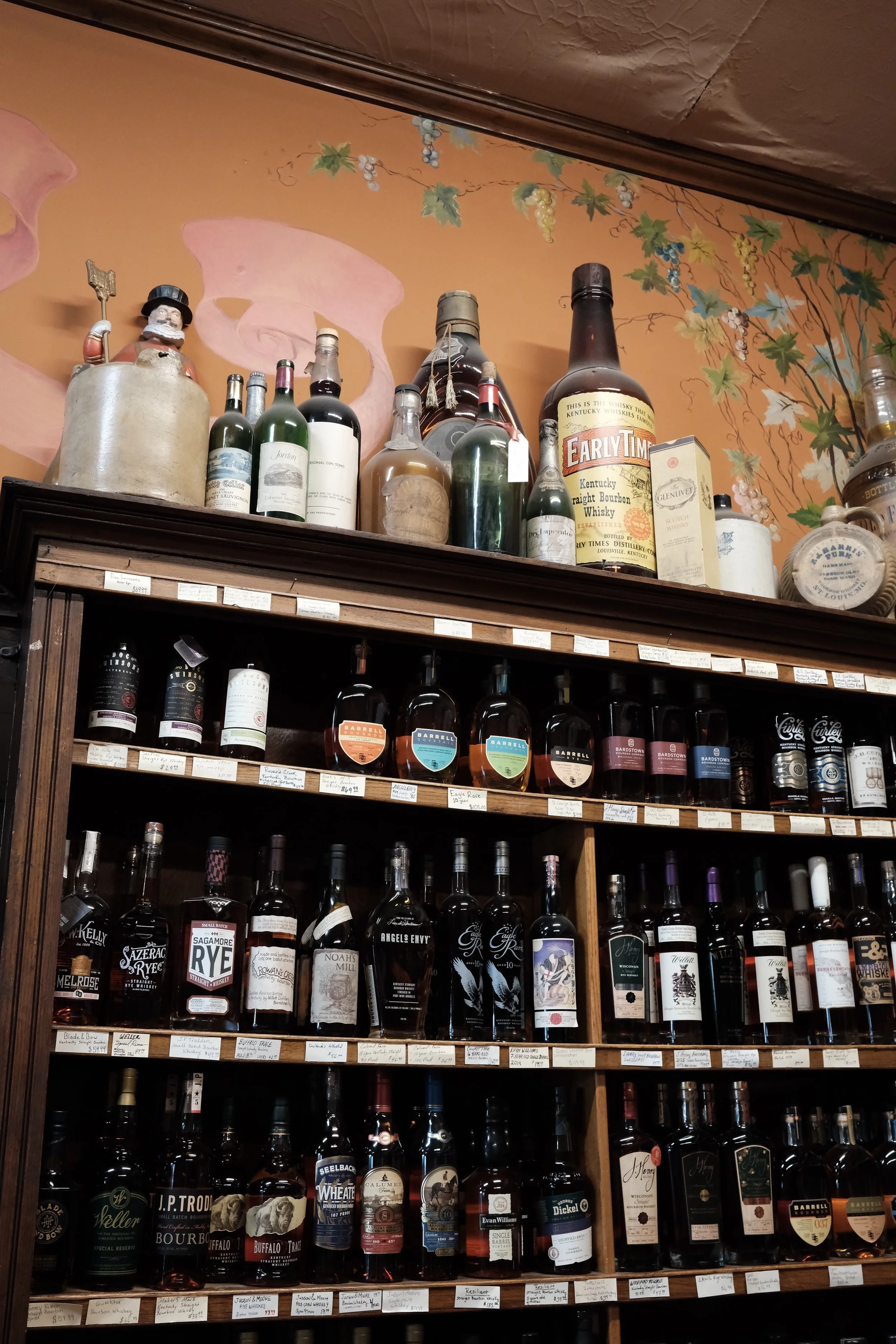
The shelves are floor to ceiling, every bottle tagged with a handwritten note in the kind of unhurried script that tells you someone spent real time with each selection. Not a printed sticker or a generic shelf talker. Actual handwriting, actual opinions. Burgundy here. Barolo there. Growers I recognized alongside producers I had only read about, organized by a logic that felt personal rather than algorithmic.
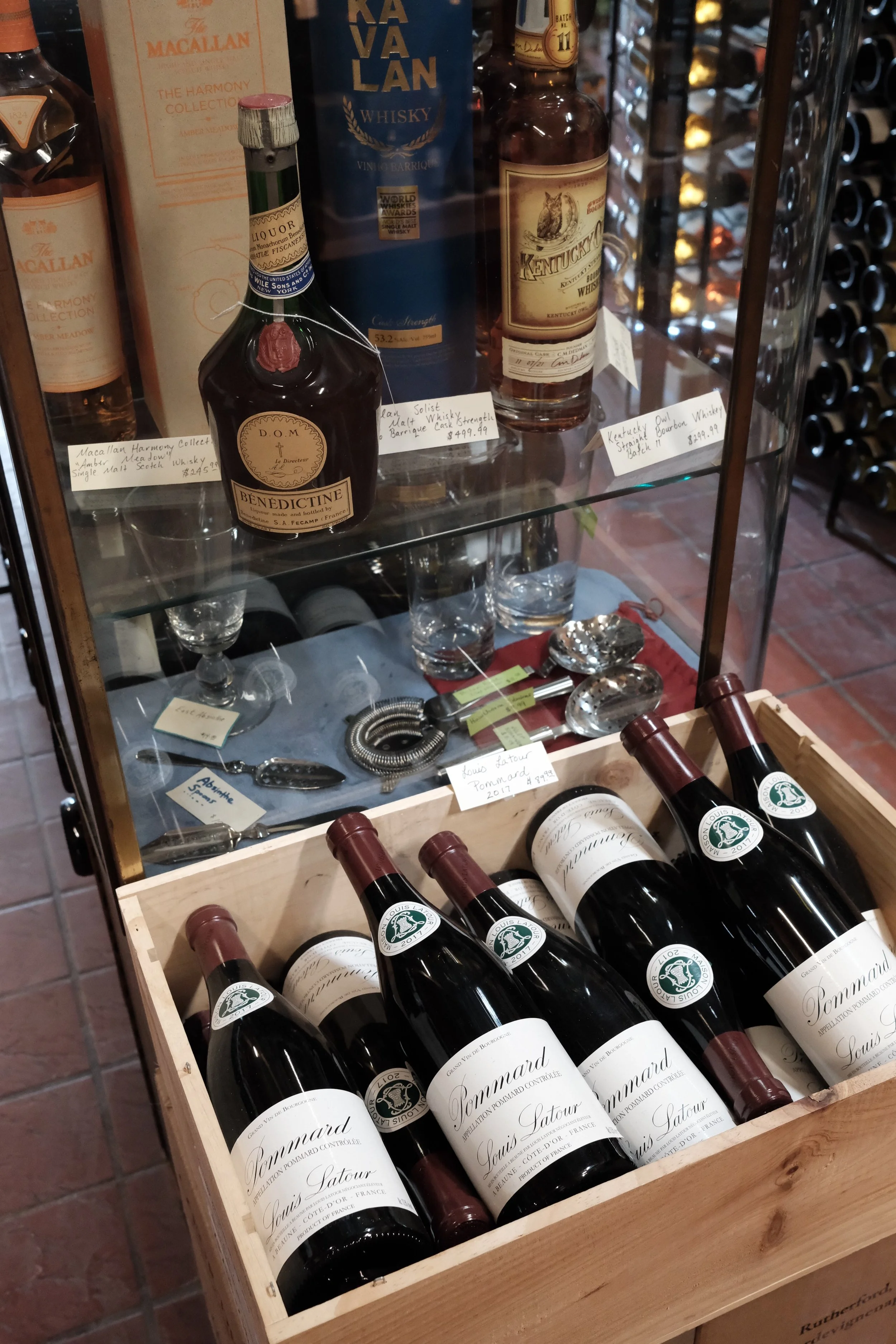
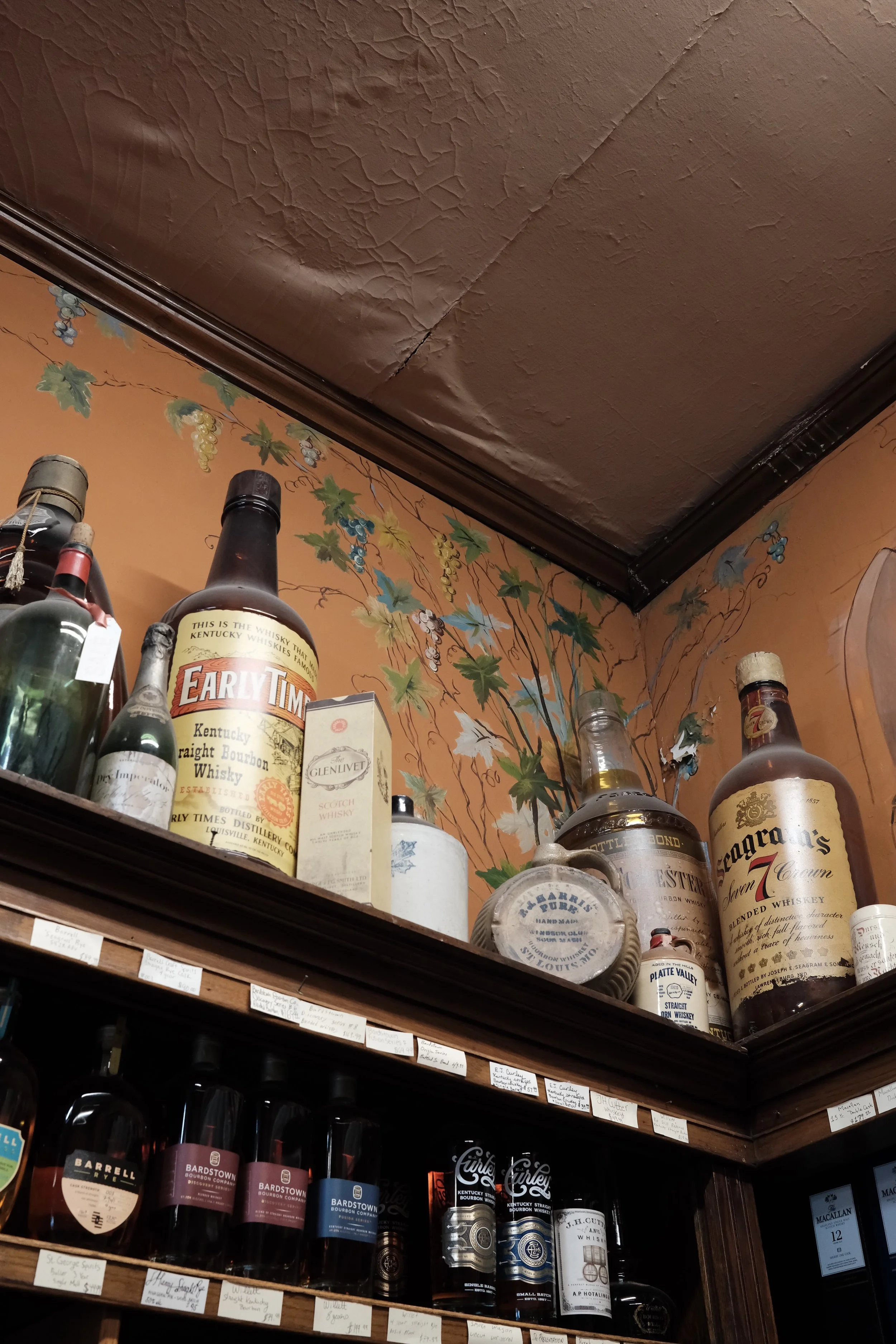
And then it got interesting. Wines from Georgia, Armenia, and Azerbaijan tucked in alongside the classics. Rare bottles with four-figure price tags I had never seen in person. A bottle of Pappy Van Winkle on the shelf, which made me laugh out loud. A 136-year-old wine shop carrying one of the most coveted bourbons in America. It makes sense when you think about it. A place that serious about beverage does not draw arbitrary lines.
The woman working that afternoon greeted me warmly before I had made it three steps inside. We started talking and kept talking. She pointed out the Armenian wines on the shelf and mentioned SOMM: Cup of Salvation, the fourth film in the SOMM documentary series, which follows winemaker Vahe Keushguerian and his daughter as they work to put Armenian wine on the map. I told her SOMM was the film that first made me think seriously about wine in high school. She smiled like she had heard that before.
I had just spent two days sitting for my first sommelier exam a few blocks away. Standing in the oldest liquor store in America talking about the film that started all of this felt like the kind of thing that is too neat to be a coincidence.
The history
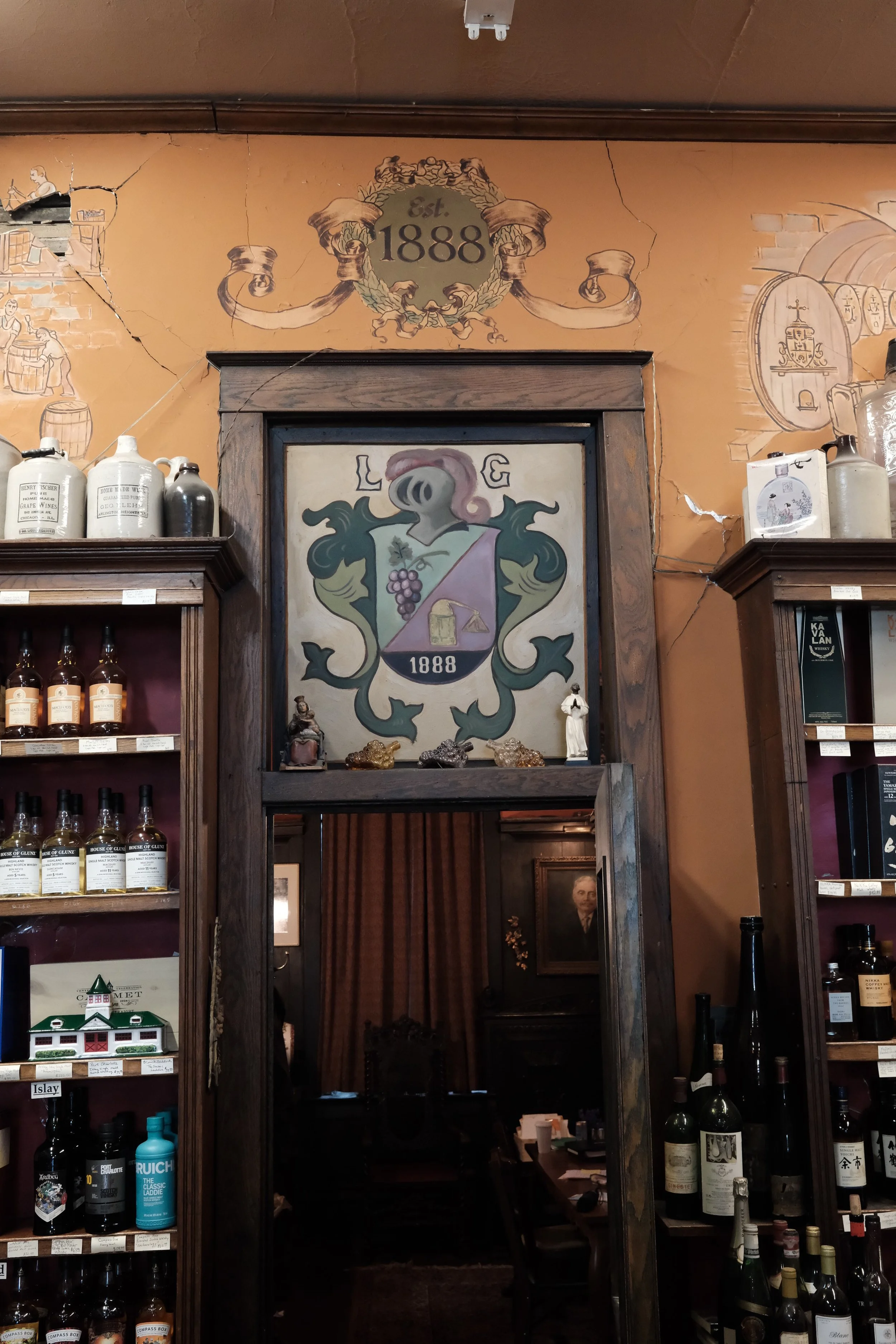
Great-grandfather Louis Glunz arrived from Westphalia, Germany in 1888 and opened the shop on Wells Street. It has been family-owned and operated ever since, making it not just the oldest wine store in the country but the oldest continuously operating business in Old Town. The original oak shelving is still in place. So are the early twentieth century murals on the walls and ceiling.
The stained glass windows predate the Great Chicago Fire of 1871. That detail alone is worth sitting with for a moment. Most of what stood in Chicago before October 1871 did not survive the following week. These windows did.
Louis Glunz was also the first person to bottle and distribute Schlitz beer following the 1893 World's Columbian Exposition, which effectively made the spin-off Louis Glunz Beer the oldest beer distributor in the country. The shop held a bottle of Schlitz from that era on the shelf, a direct artifact from a moment that helped shape how Americans drink.
When Prohibition arrived in 1920, House of Glunz did not close. They pivoted. The family sold sacramental wines to the Catholic Church, the legal exemption that allowed religious institutions to continue purchasing wine for ceremonial use. I got to see photos of the wooden crate tops from those shipments, hand-stenciled with the religious designations that kept the business alive through thirteen years when most of their peers did not make it. A shop that had already survived more than thirty years found a way through. Adaptability is apparently a family trait.
The tavern next door
Before Prohibition, the Glunz family operated a tavern in the adjoining space. It closed when the Volstead Act went into effect and spent the better part of a century as a family museum and warehouse. In 2013, more than ninety years after it closed, the family reopened it as the Glunz Tavern.
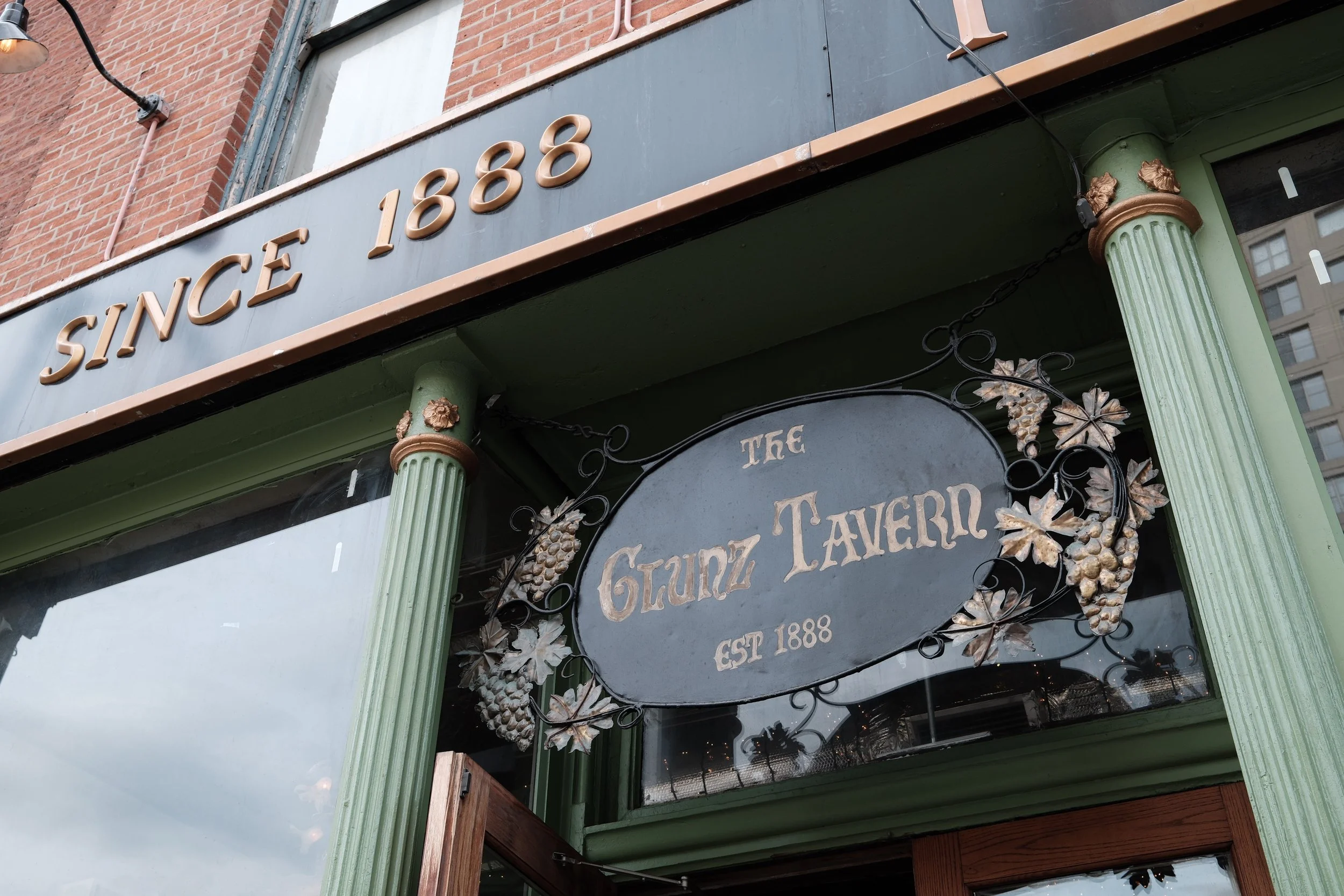
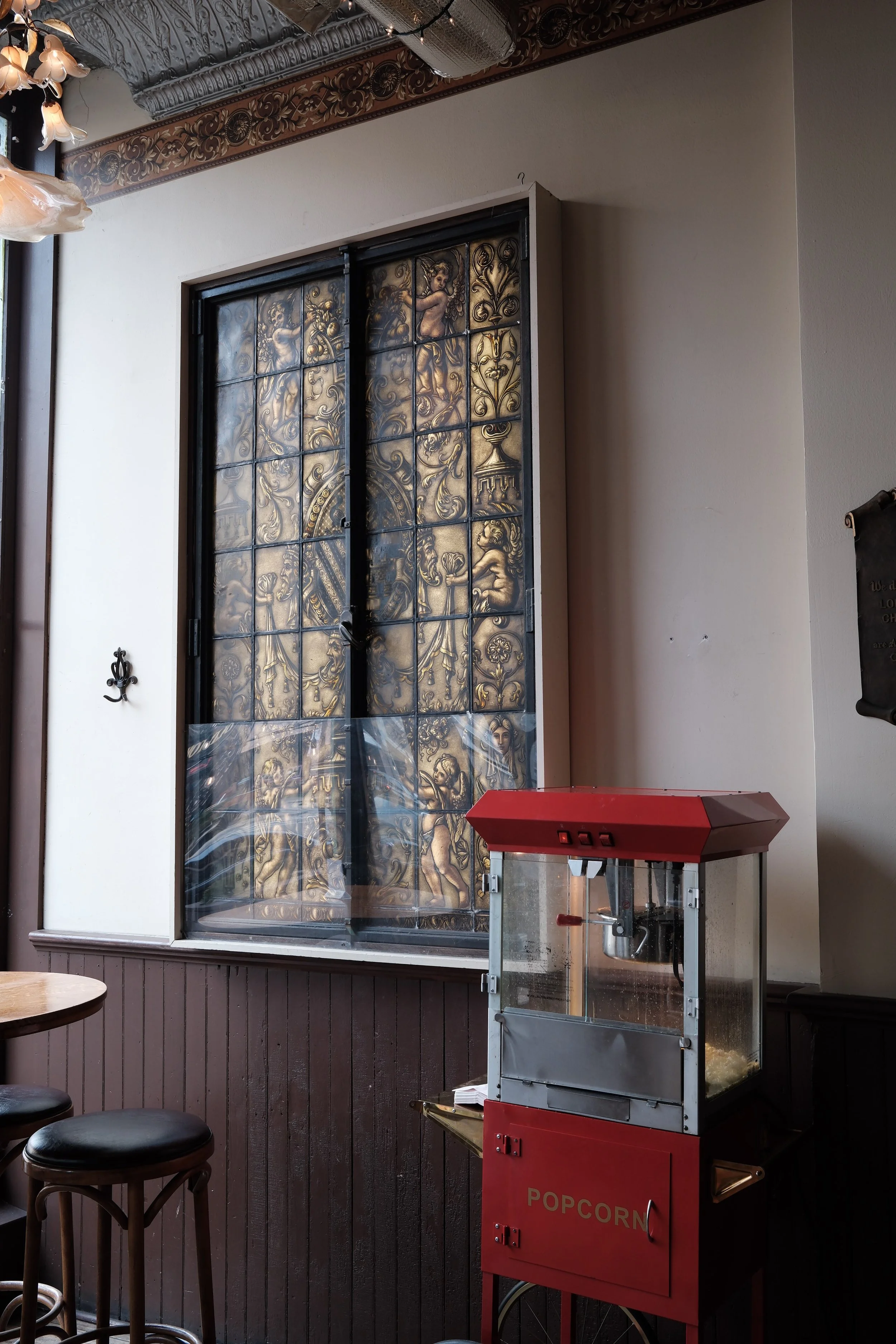
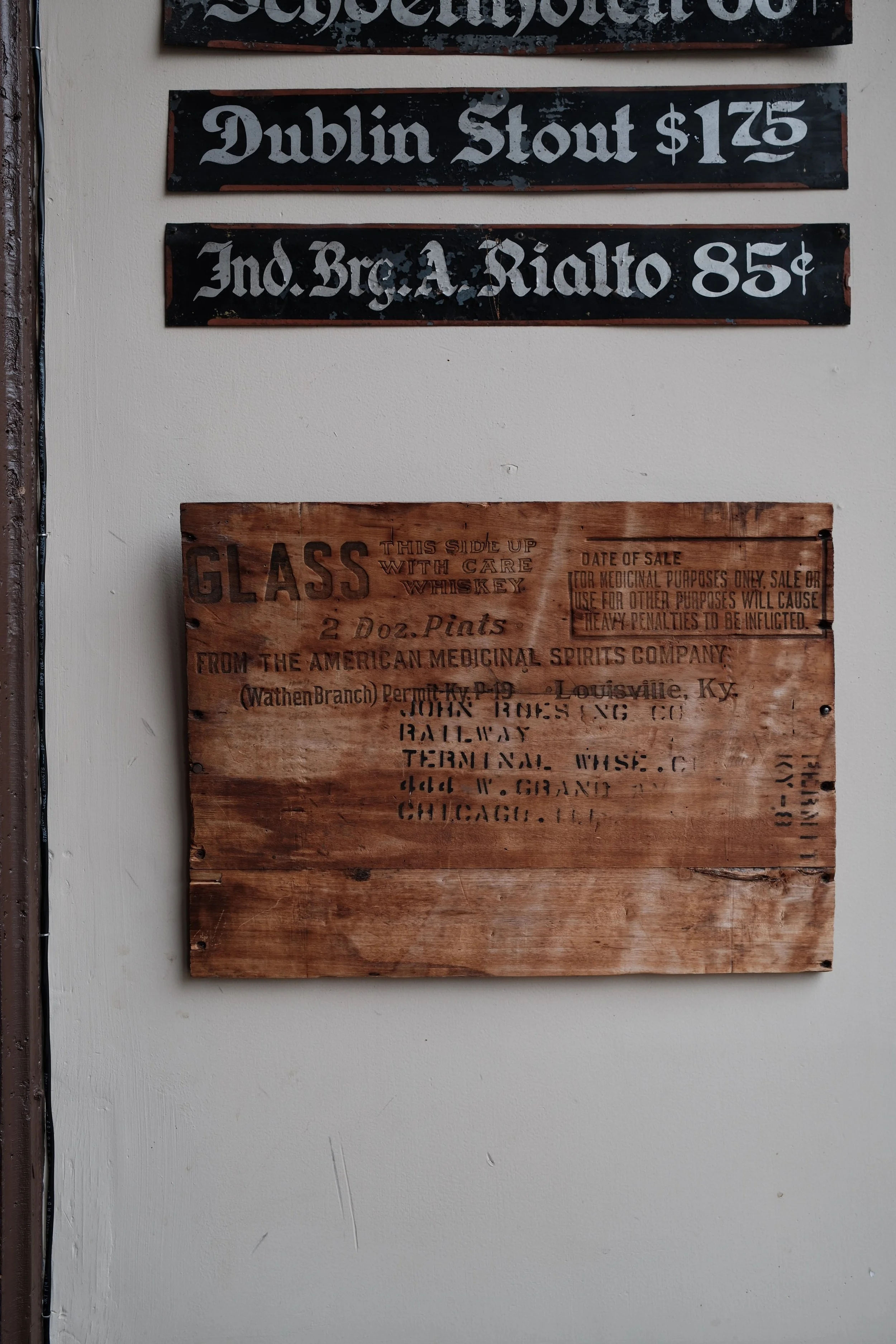
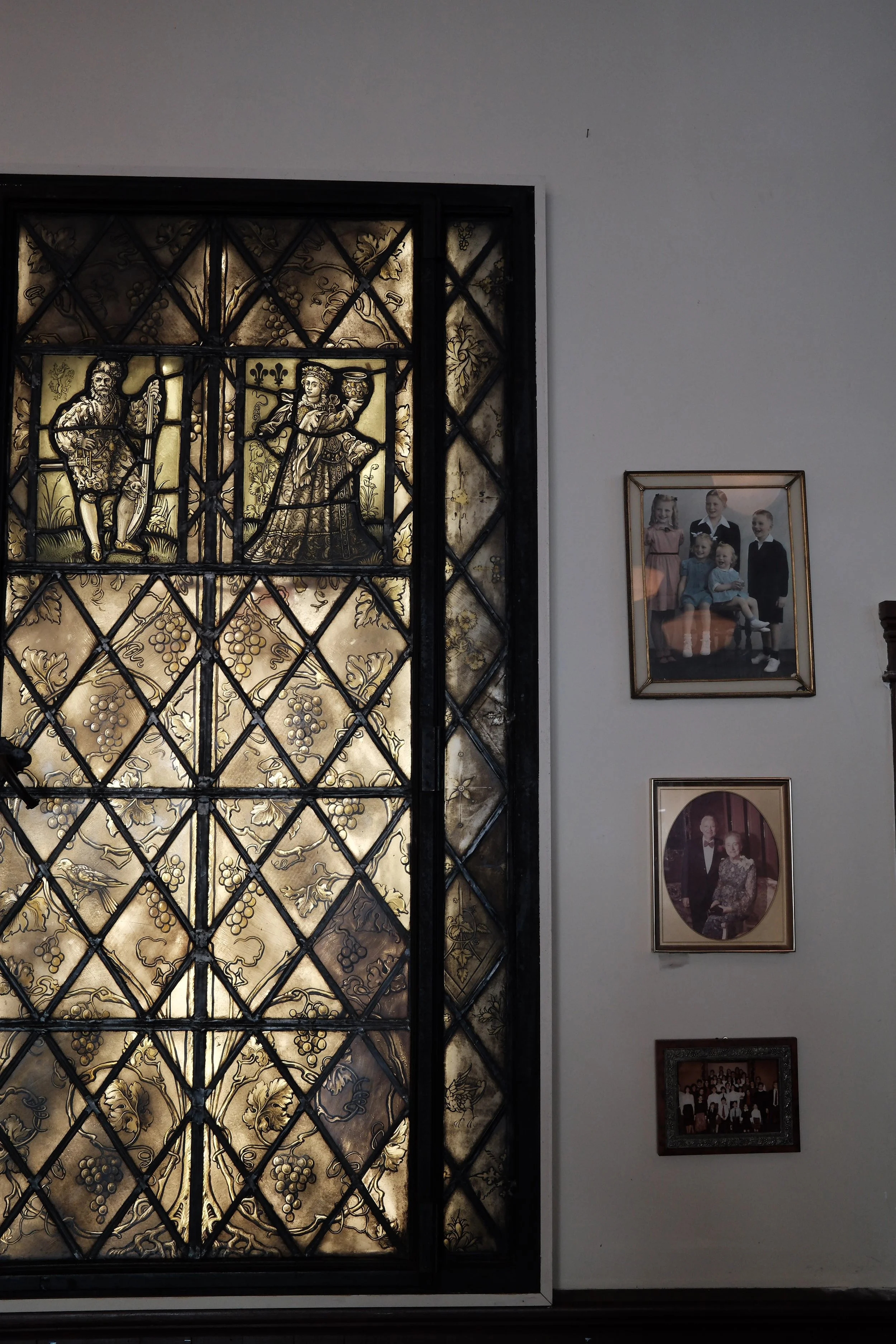
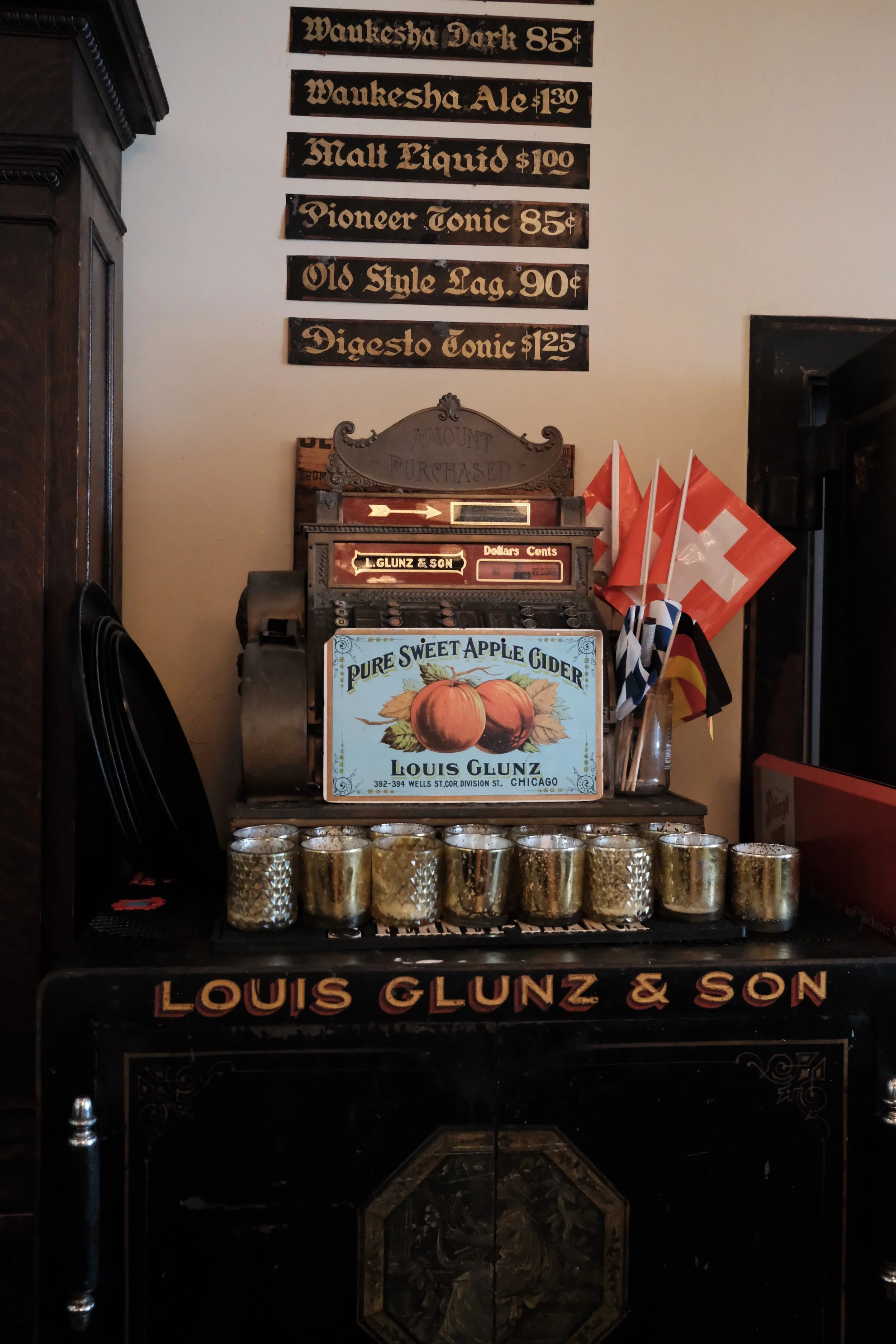
I stopped in for a Guinness. The orginal tin ceilings, the historic artifacts on the walls, the general feeling of a place that has absorbed more than a century of Chicago life and does not feel the need to explain itself. The tavern serves a full food menu with classic tavern fare that leans into the family's French, German, Alsatian, and Austrian heritage. A full bar with a genuinely serious whiskey program that reflects the same curatorial instinct as the wine shop next door.
The two spaces together, the shop and the tavern, feel like a complete thing. One family, one corner of Wells Street, one unbroken line from 1888 to right now.
Why it is worth going out of your way
There is a version of retail that exists to move product. And then there is House of Glunz, which feels like it was built by people who genuinely could not imagine doing anything else. The handwritten notes, the Caucasus section, the rare bottles, the history preserved on the walls rather than polished away. It has outlasted every trend in American drinking culture by refusing to chase any of them.
If you are ever in Chicago, Wells Street in Old Town. Walk into the shop first. Then sit down next door and order something. You will not be in a hurry to leave. Visit the House of Glunz Website.
