
Mesilla Valley: A High Desert Wine Region
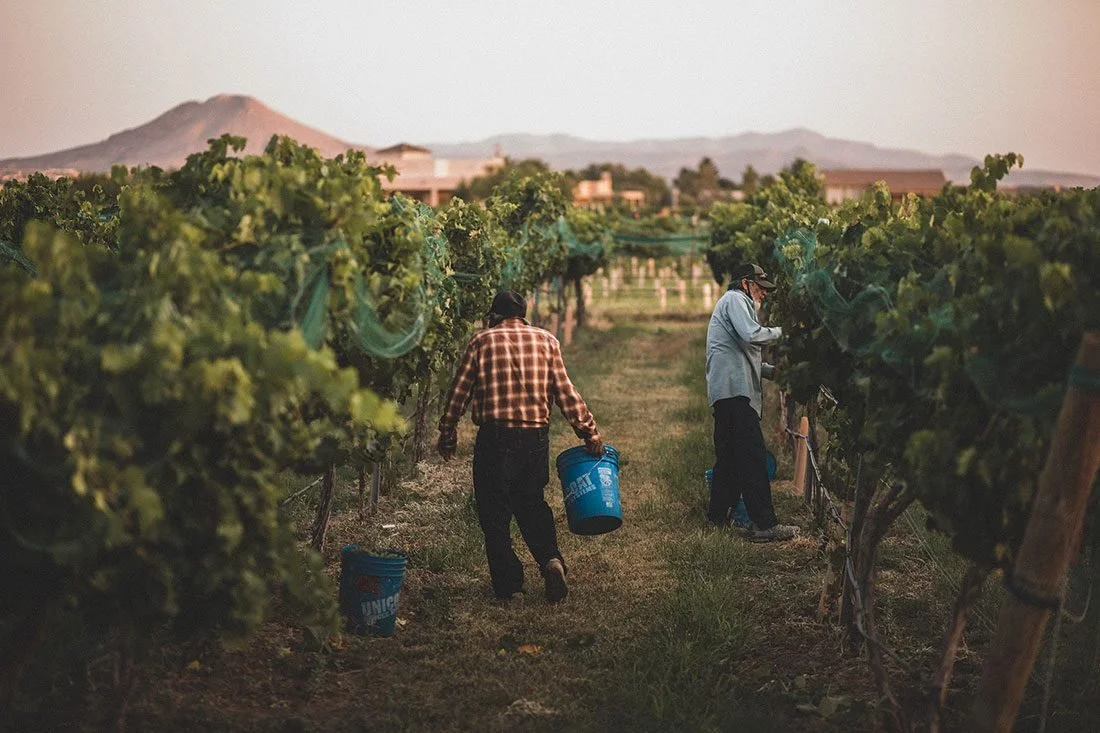
Rio Grande Winery.
Mesilla Valley is not what most people picture when they think about wine.
Sitting along the Rio Grande in southern New Mexico, just outside El Paso, it is a high desert region defined by heat, elevation, and limited water. The landscape feels exposed and dry, and at first glance it does not look like a place where wine would naturally thrive.
But wine has been part of this place for a long time. Longer than most people realize.
Spanish missionaries were planting vines along the Rio Grande in the 1600s, making New Mexico one of the oldest wine-producing regions in North America. California gets the historical credit in most conversations, but the roots here run deeper. That context matters when you are standing in a vineyard outside Las Cruces trying to make sense of what you are tasting.
I wrote about Mesilla Valley in an earlier post as the place where wine started to make sense for me. That still holds. There is something about the clarity of the environment here that makes the connection between place and wine easier to see than almost anywhere else I have been. The conditions are not subtle. The heat is real, the elevation is real, the water scarcity is real, and the wines reflect all of it directly.
The growing conditions are defined by contrast. Warm days push ripeness while cooler nights pull some of that back, helping to retain acidity that the daytime heat would otherwise strip away. The elevation, sitting around 3,800 to 4,000 feet, moderates what would otherwise be an unforgiving climate. Rainfall is minimal, which keeps disease pressure low but makes irrigation not just helpful but essential. Every decision in the vineyard here carries more weight than it might somewhere more forgiving.
Grape selection reflects that reality. Producers are not planting based on tradition or what sells in a tasting room. They are planting what can actually handle the conditions. That leads to more experimentation than you find in established regions, and more honesty about what the place is asking for. Tempranillo, Syrah, Viognier, and Cabernet Franc all show up here, often outperforming varieties you might expect to dominate. Malbec is a personal favorite from this area.
Quick Facts
Located along the Rio Grande in southern New Mexico, near Las Cruces and just north of El Paso.
Elevation typically ranges from 3,800 to 4,000 feet. Hot days with significantly cooler nights. Irrigation is essential due to limited annual rainfall.
One of the oldest wine-producing areas in North America, with roots going back to Spanish missionaries in the 1600s.
Designated as an AVA in 1985. The first wine region in Texas, even though most is within New Mexico.
Notable Wineries
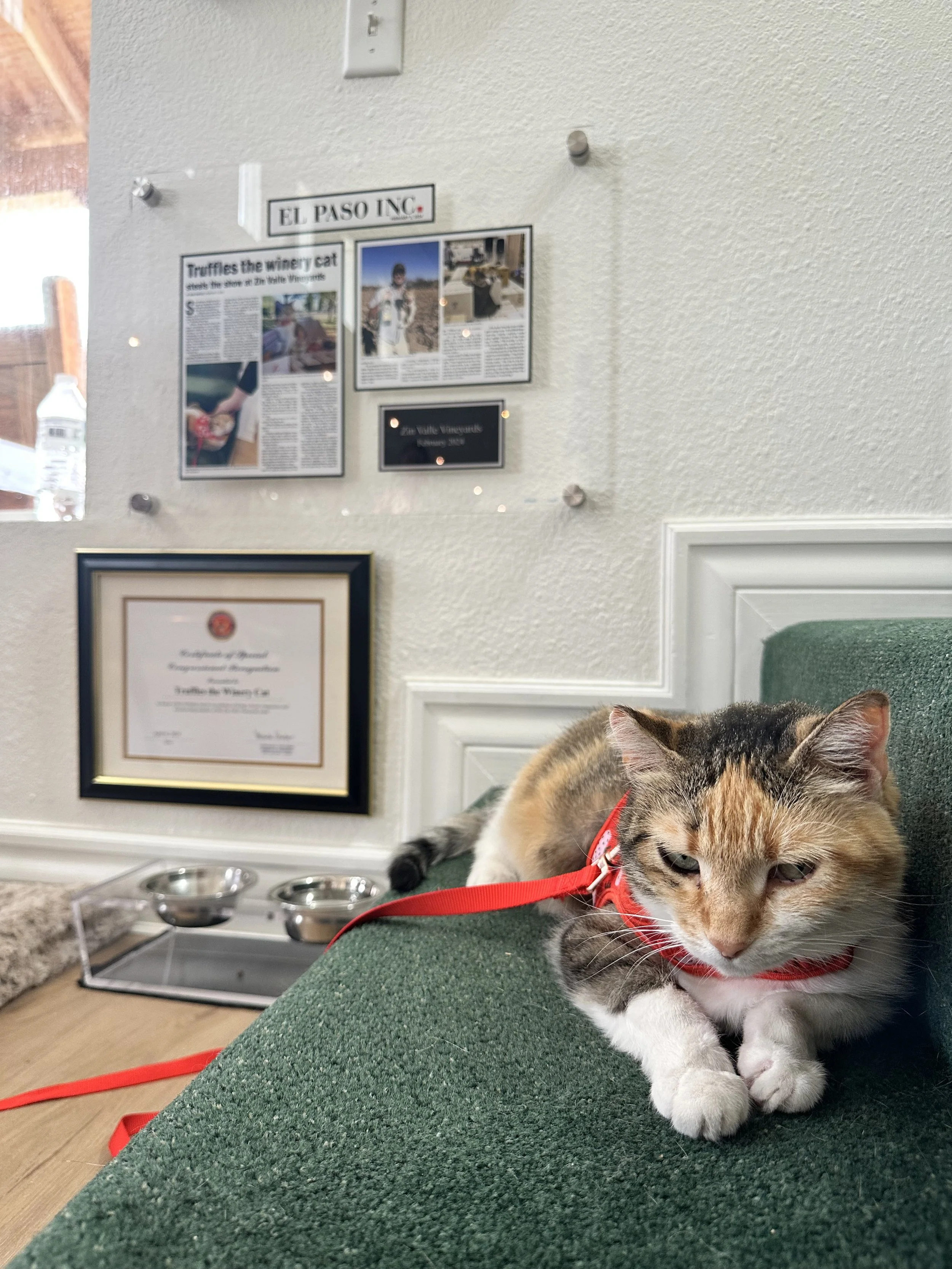
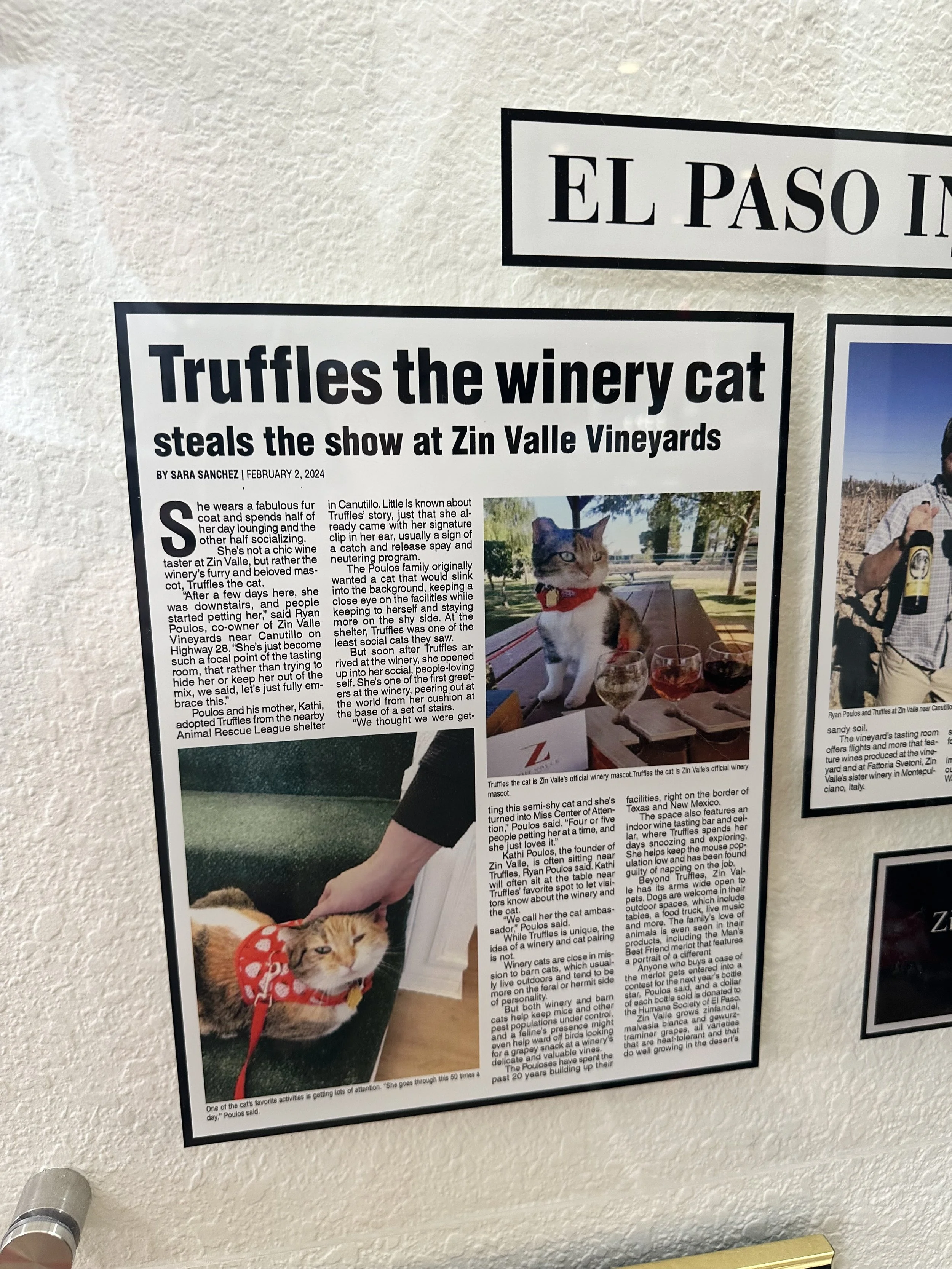
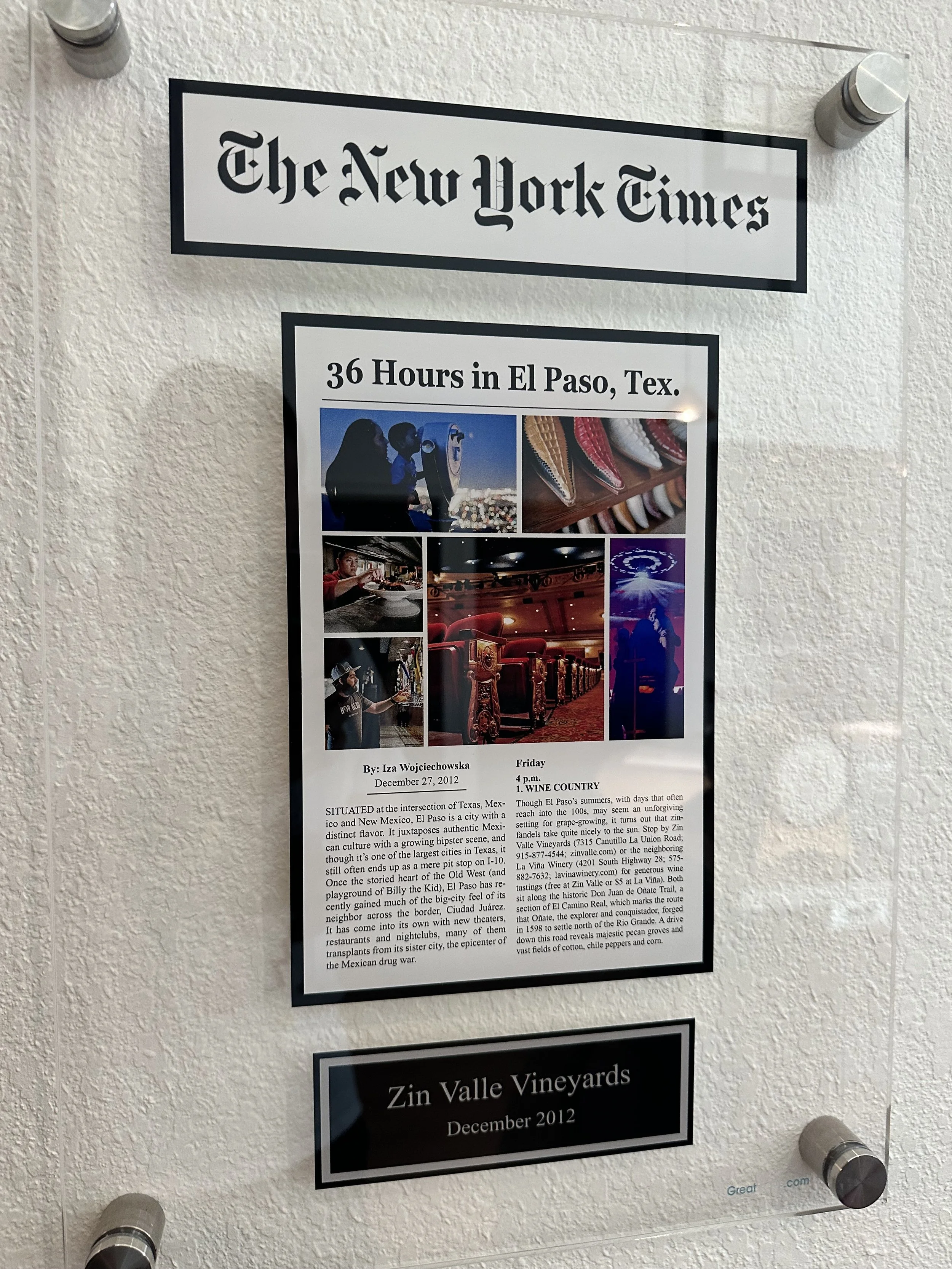
La Viña Winery sits at the southern end of the valley and has been part of the region's modern story since the 1970s. It is one of the oldest continuously operating wineries in New Mexico and a useful starting point for understanding what the region has been building toward.
Zin Valle Vineyards takes a more experimental approach, leaning into varieties suited to the heat and producing wines that feel genuinely connected to where they came from. Worth visiting if you want to see what thoughtful adaptation to a difficult climate looks like in the glass. Visit is not complete without saying hello to Truffles!
Rio Grande Winery focuses on estate fruit and keeps things straightforward, which in a region like this is a statement of confidence in the place itself.
There are more worth exploring than this list suggests. The valley is small enough that a weekend can cover significant ground, and the producers here tend to be approachable in a way that larger, more established regions often are not. I have spent considerable time working through what the region has to offer and am still finding things worth paying attention to.
Mesilla Valley may not have the name recognition of Napa or the Willamette Valley, but it offers something those places can make harder to find. The connection between environment and outcome is right on the surface. The challenges are visible, the decisions are legible, and the wines reflect the place they came from without apology.
For anyone interested in understanding how place shapes wine, it is worth the drive or a weekend escape from El Paso.
