
The Rhone Rangers Came to Texas
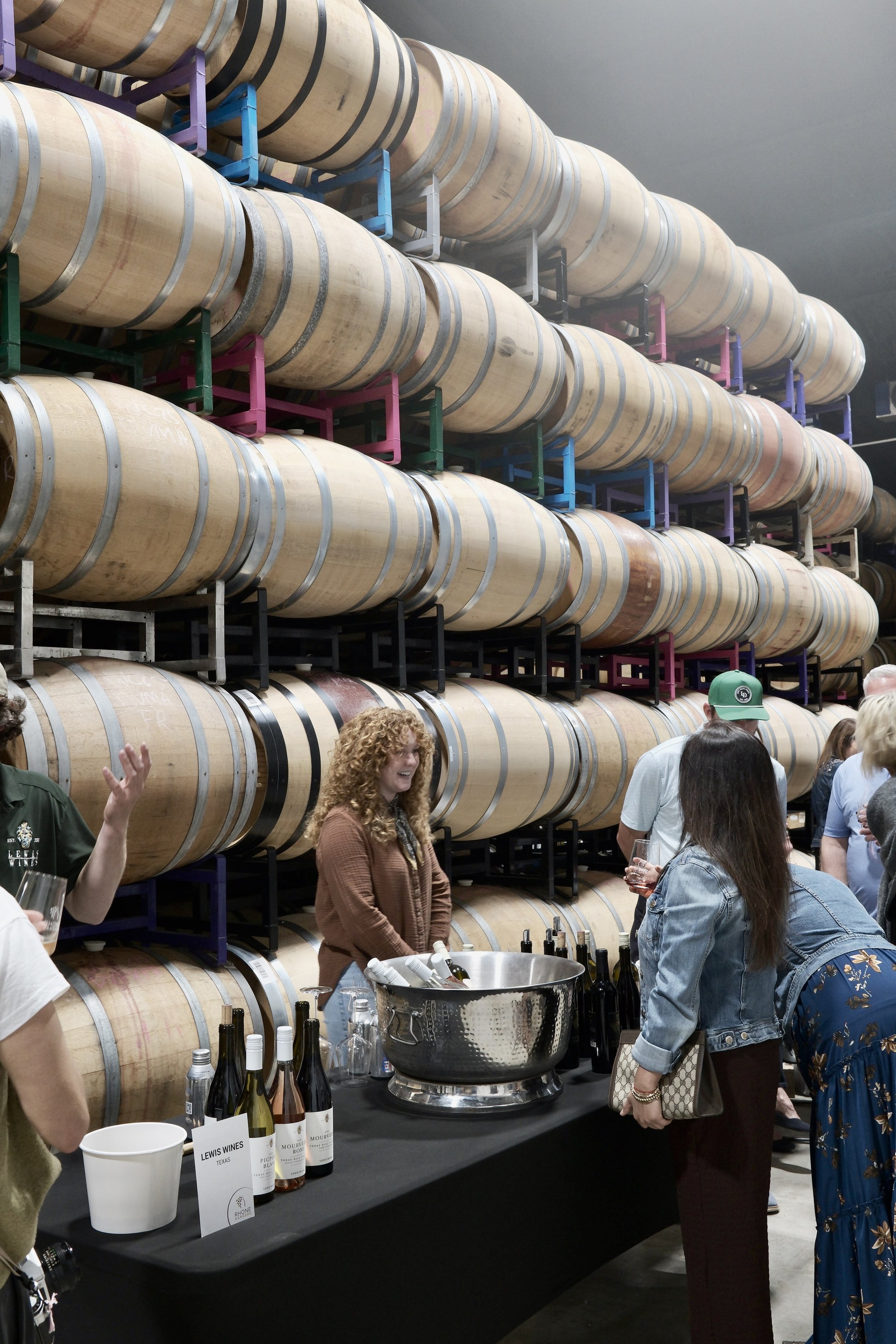
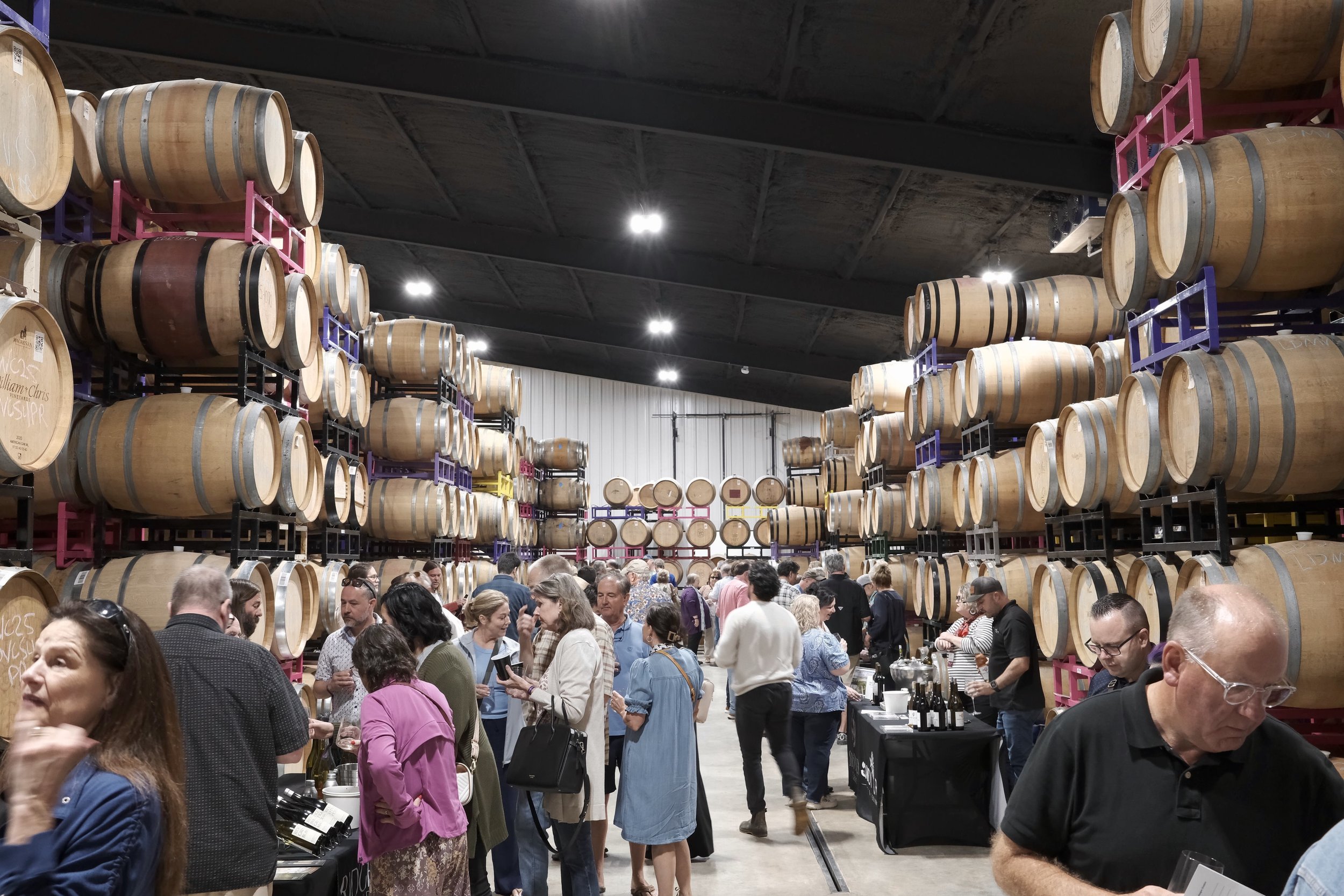
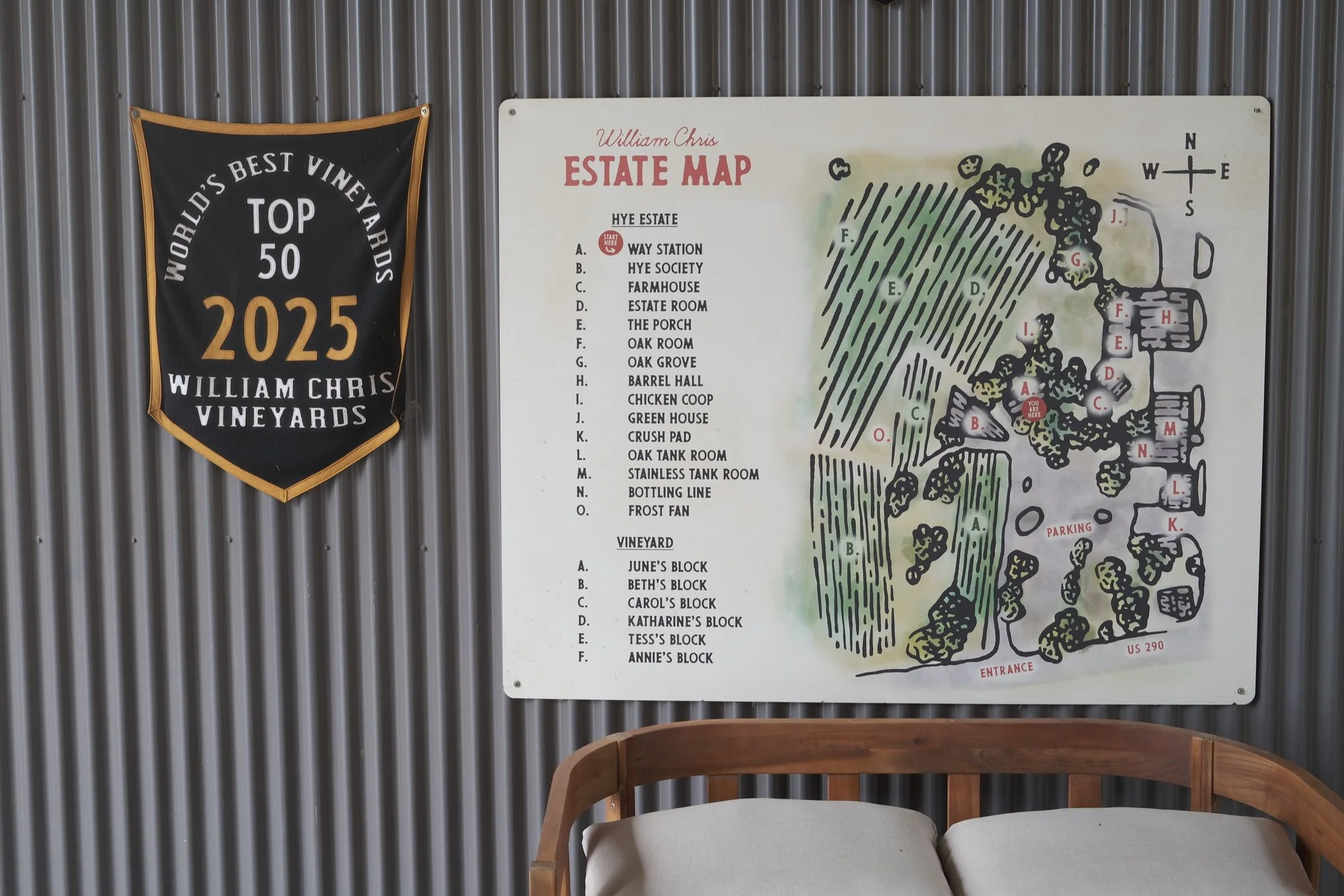
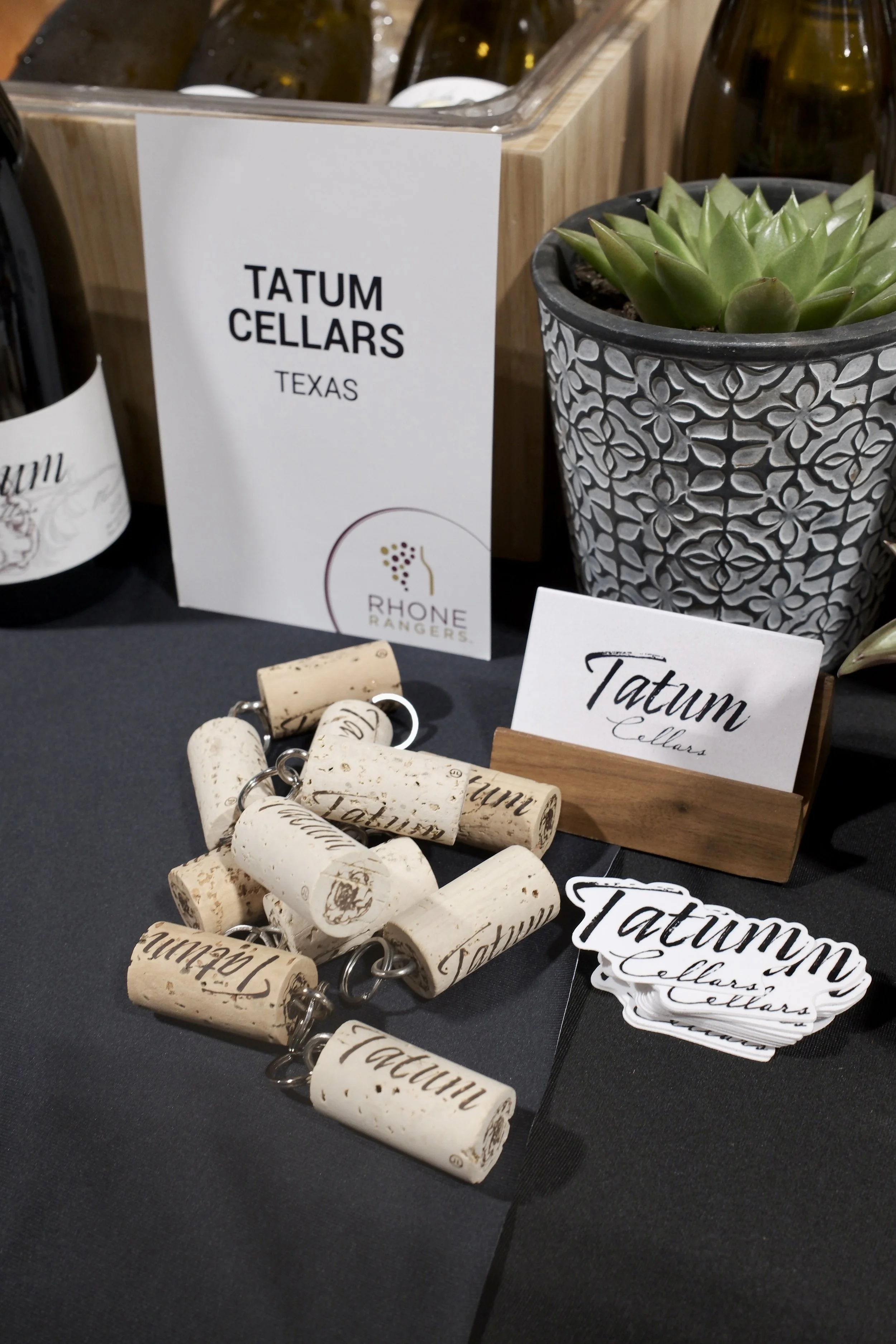
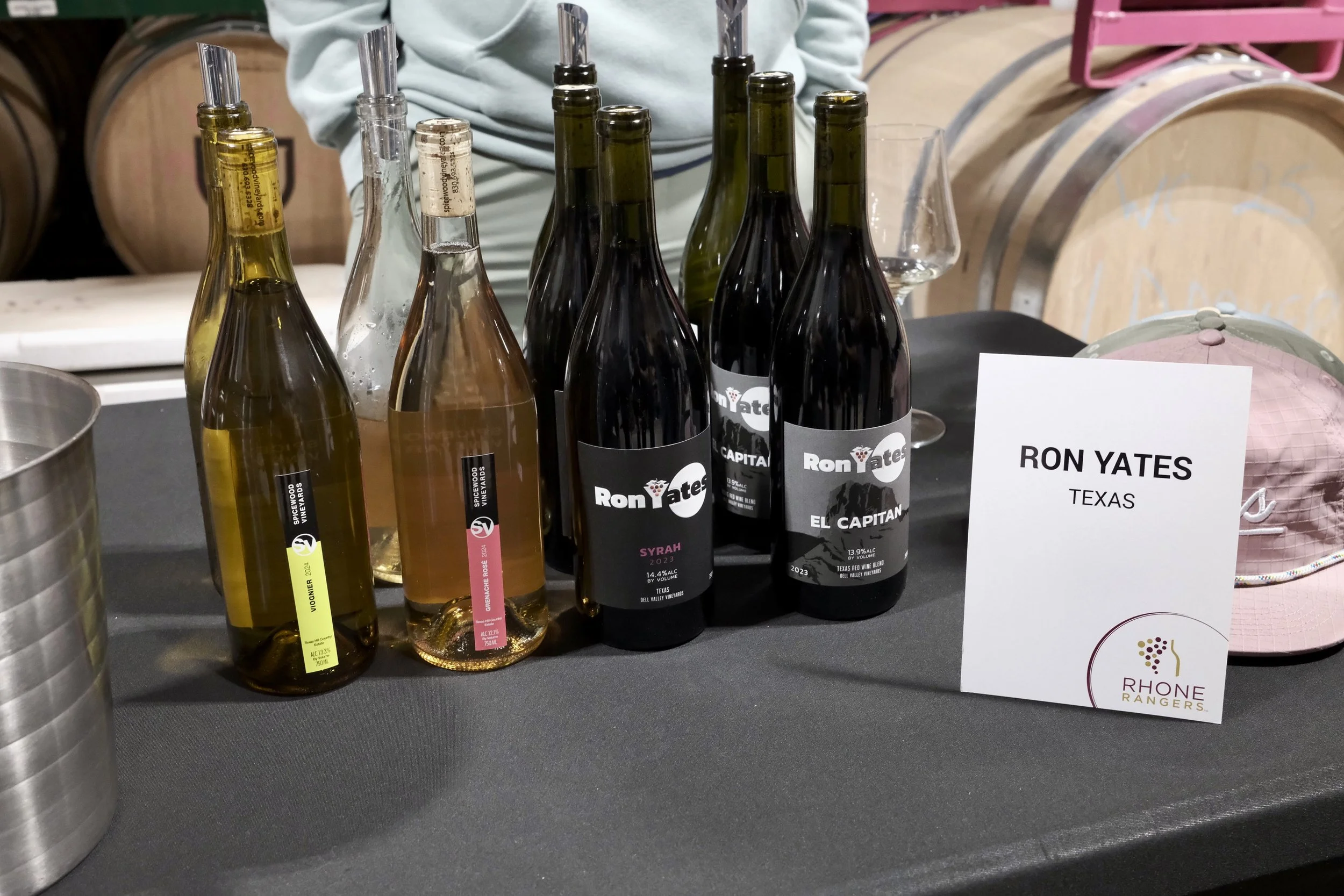
The 2026 Rhone Rangers tasting at William Chris Vineyards in Hye brought over thirty wineries from Texas, California, Oregon, and Colorado together for an afternoon of exactly the style of wine I love most. Grenache, Syrah, Mourvèdre, Viognier, Roussanne, Counoise, Picpoul -- the grapes of France's Rhone Valley, now being grown and bottled by some of the best producers in America. I had barely cleared the entrance before I was already at the Tablas Creek table.
What the Rhone Rangers are
The Rhone Rangers are a 501(c)(6) nonprofit membership organization founded to educate the public on Rhone varietal wines grown in America and to promote their production and enjoyment. To carry the Rhone Rangers designation, a wine must contain at least 75 percent of the 22 traditional Rhone grape varieties (see the bottom of this article for all 22). The mission is straightforward: take the grapes that have defined southern France for centuries and make the case that they belong in American wine culture, too.
The movement traces much of its early momentum to producers like Randall Grahm of Bonny Doon Vineyard, who was featured on the cover of Wine Spectator in April 1989 in a blue polyester cowboy outfit under the headline "California's Rhone Ranger." The name was coined by the magazine and it stuck. What started as a loose coalition of California producers meeting informally to share winemaking information has grown into a national organization representing over 100 wineries across the U.S.
Texas is increasingly central to that story.
Why Texas belongs in this conversation
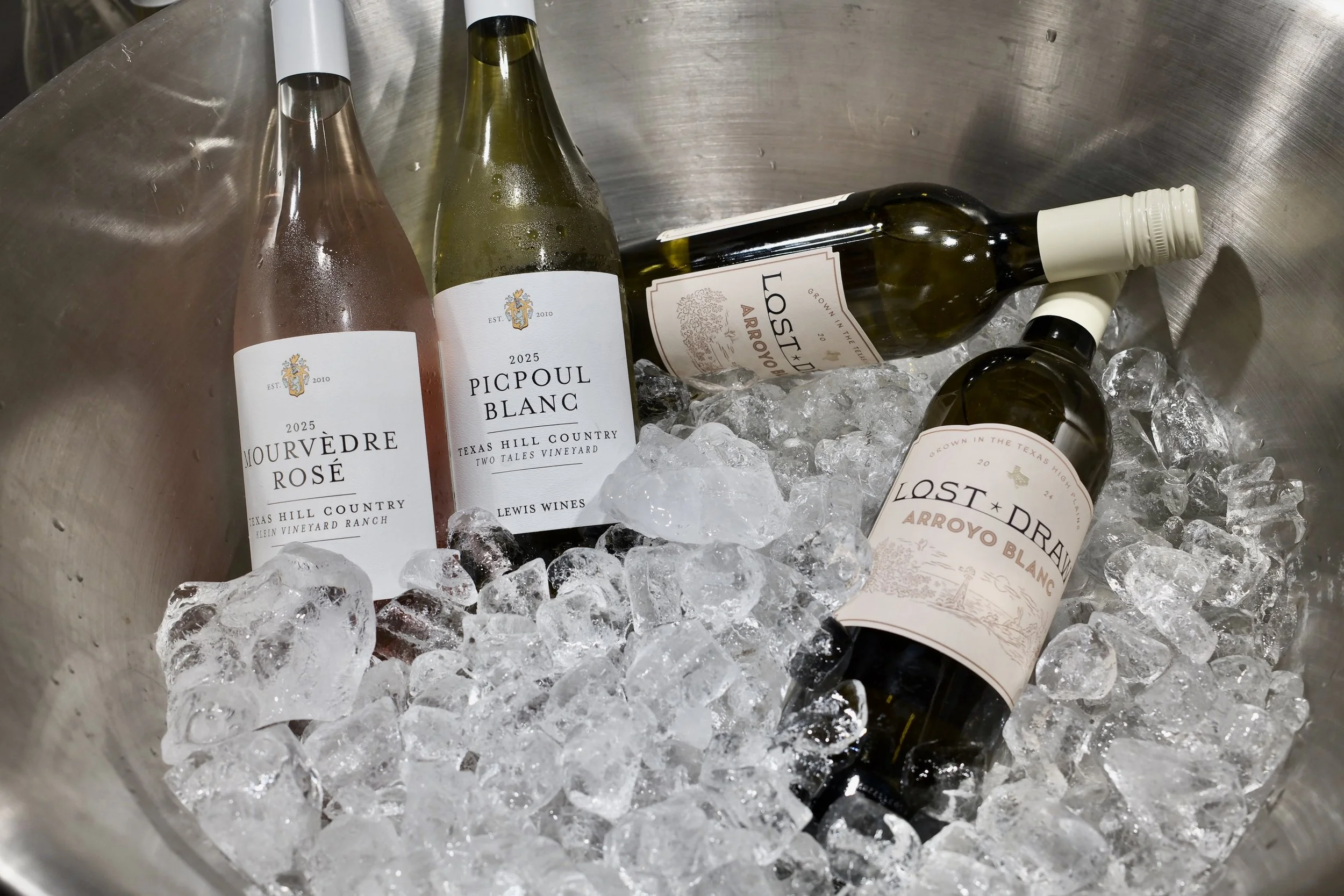
The Texas Hill Country's continental hot climate and the Texas High Plains' high elevation and dramatic diurnal temperature swings are well suited to Rhone varieties. Grenache, Mourvedre, Syrah, Viognier, and Picpoul all find something here that they cannot find in cooler, conventional wine regions. The results are not imitations of French originals. They are something distinct, and the best Texas producers in this space know it.
At this tasting the Texas wineries were collectively the stars of the afternoon, and many of them were clustered within a few miles of each other around Hye and Fredericksburg. Spending an afternoon talking to the people behind those bottles made me want to go back and spend a week doing nothing but visiting their cellars.
The wineries worth talking about
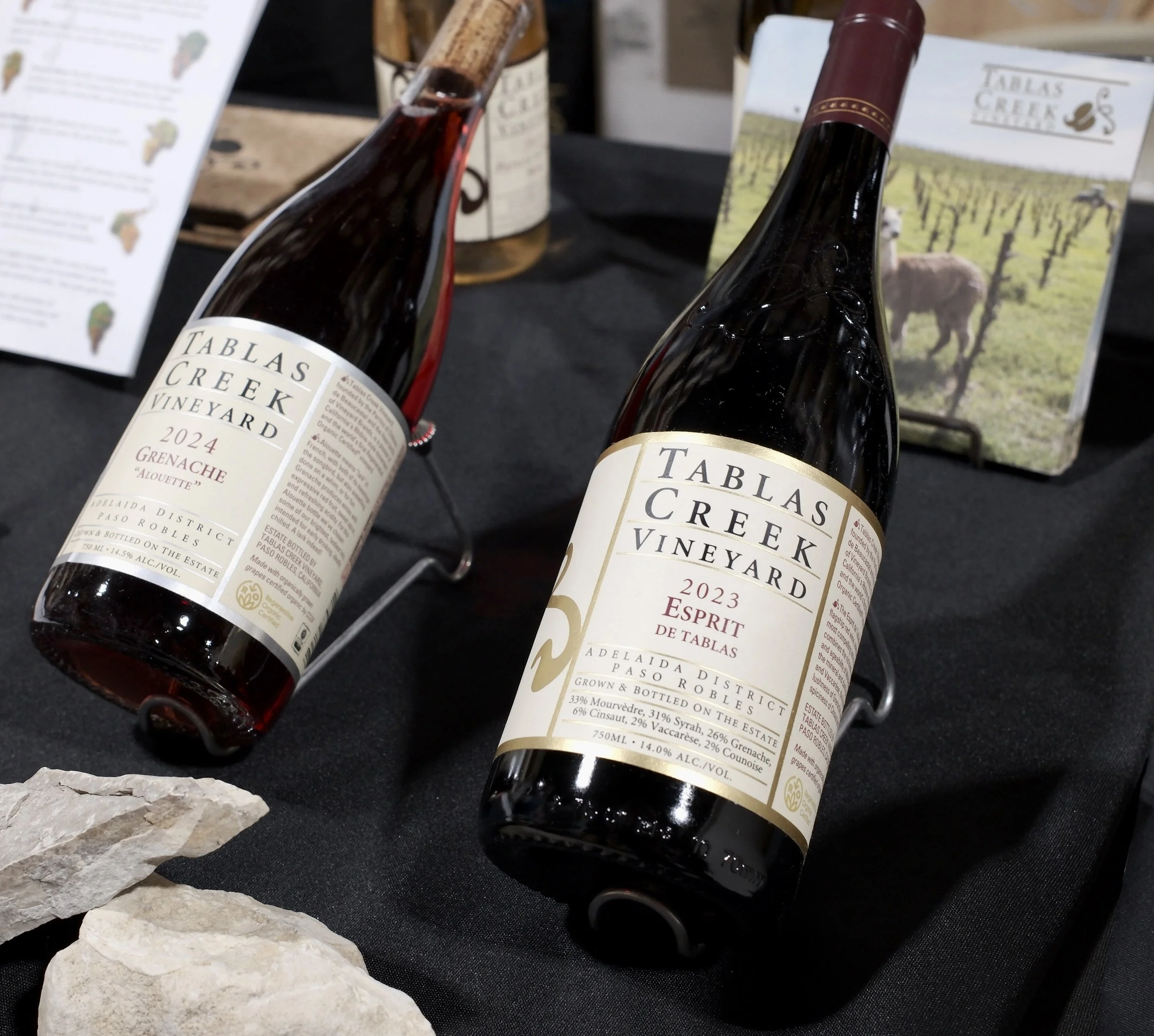
My first stop wasTablas Creek Vineyard from Paso Robles, California, and that was entirely intentional. Tablas Creek is the founding story of the American Rhone movement. In 1989 the Perrin family, proprietors of Château de Beaucastel in Châteauneuf-du-Pape, partnered with American importer Robert Haas to find land in California that mirrored the limestone soils and Mediterranean climate of the southern Rhone. They landed in the Adelaida District of Paso Robles, planted vine cuttings imported directly from Château de Beaucastel, and then made those cuttings available to producers across the country. If you have tasted a Grenache from an American producer, there is a big chance the vine it came from traces back to Tablas Creek.
I want to briefly acknowledge the elephant in the room for anyone who has watched Drops of God. Yes, Chateauneuf-du-Pape gets a moment in that show. Yes, Château de Beaucastel is one of the most storied estates in the appellation. And yes, there is something quietly funny about standing at the Tablas Creek table in the Texas Hill Country, tasting wine made from cuttings of those same vines. The romance of wine geography has a long reach.
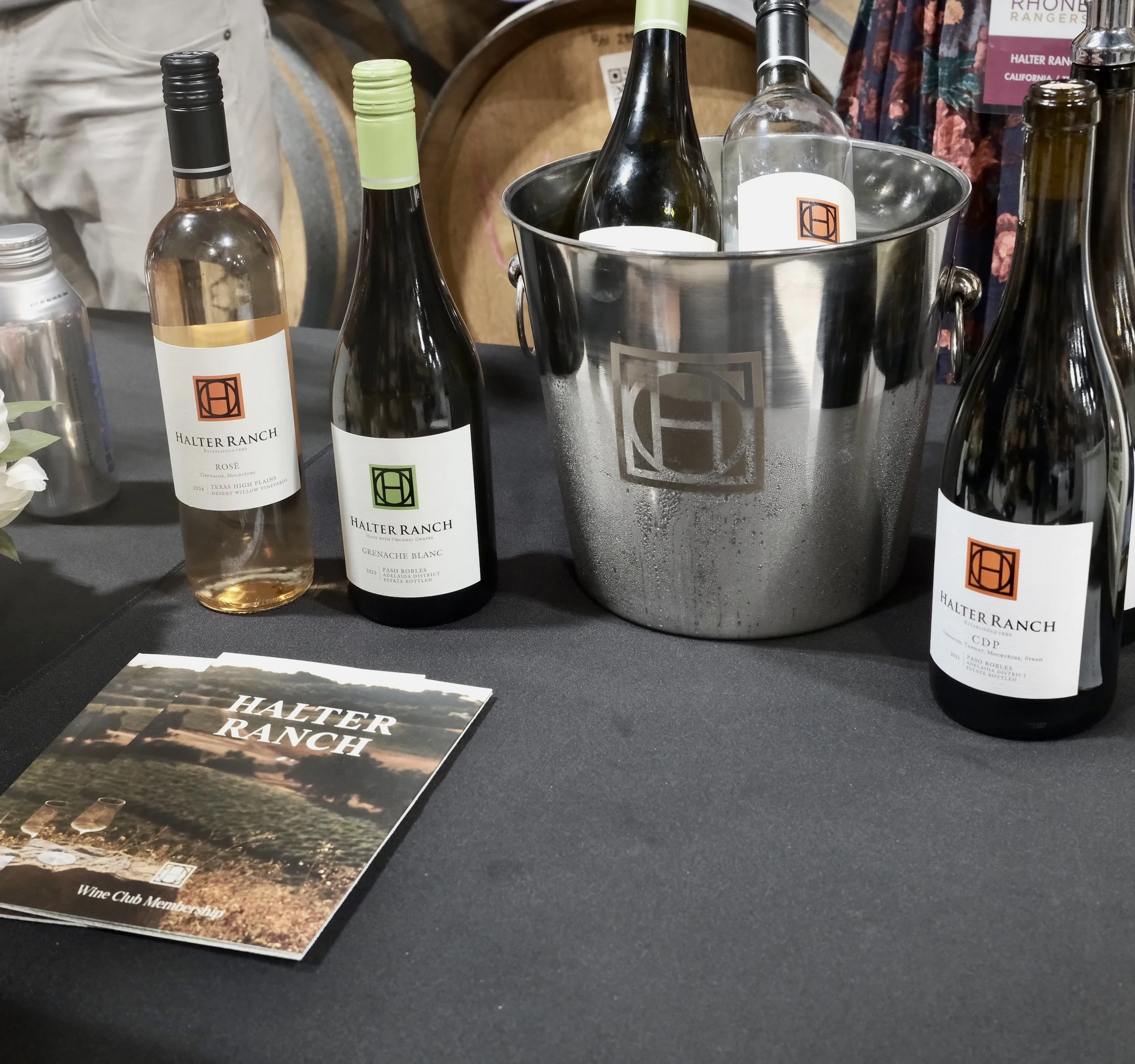
Halter Ranch, which operates across both Texas and California, brought one of the most show-stopping bottles of the afternoon. Their 2021 Côtes de Paso is not a strictly traditional Rhone blend, and that is exactly what makes it interesting. The wine includes 16 percent Tannat, a grape more associated with Southwest France than the Rhone Valley, and the decision to incorporate it was clearly intentional. Tannat adds structure and grip in a way that gave the blend a backbone that more conventional Rhone blends often lack.
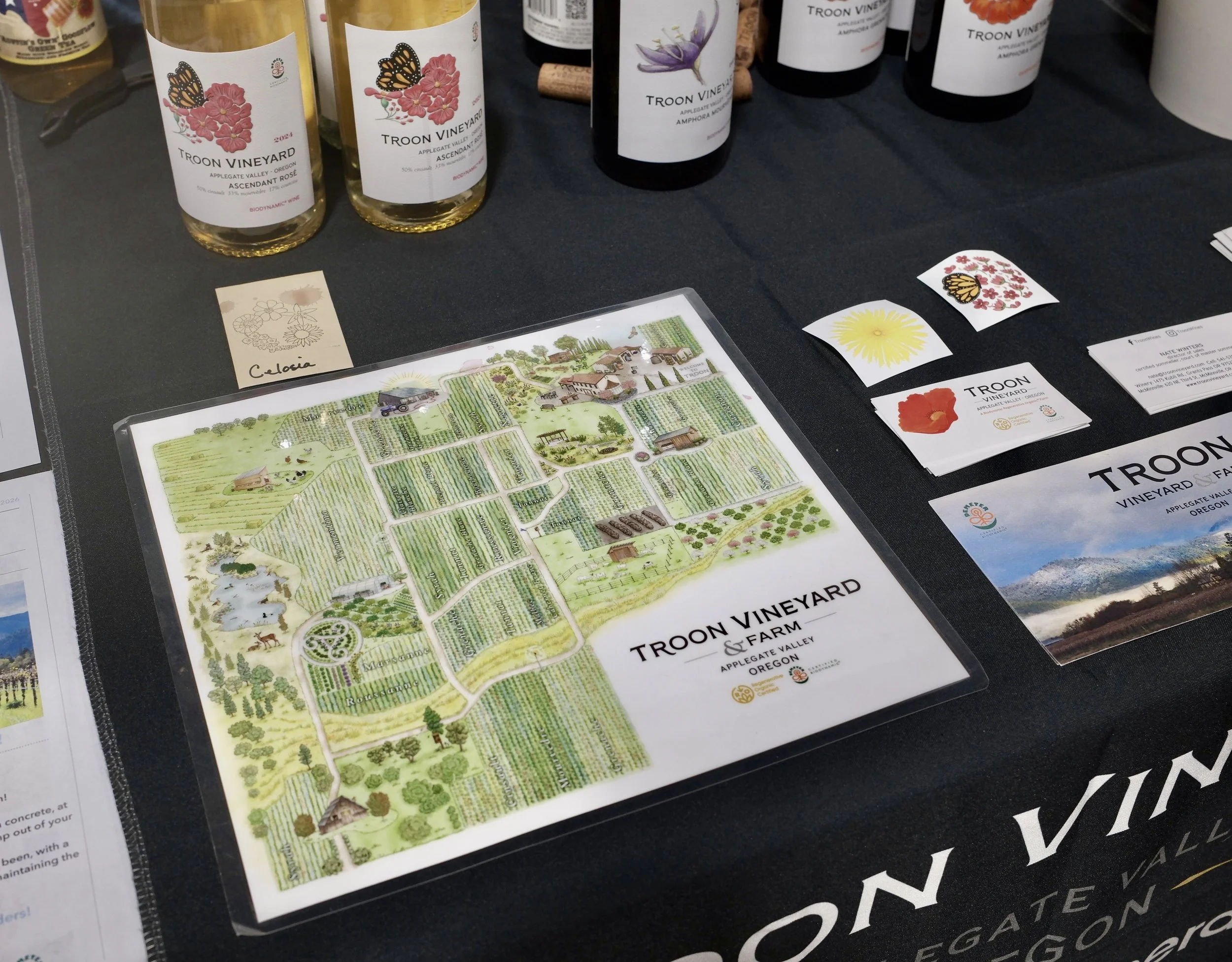
Troon Vineyard from Oregon was one of the most visually compelling tables at the entire event. But maybe that is because I’m a sucker for a good map or diagram. They brought materials explaining their commitment to regenerative farming: soil health, biodiversity, water use reduction, and animal welfare. Tablas Creek became the first regenerative organic certified winery in the world in 2020, and Troon is carrying that philosophy into the Pacific Northwest. The wines matched the ethos. Precise and alive in a way that feels like the farming shows up in the glass.
Zaca Mesa Winery from California's Santa Barbara County brought a Grenache rosé that has already earned a permanent spot in my summer plans. It is the kind of rosé that makes you understand why Grenache became the dominant variety for the style in southern France. Bright, structured, and completely unbothered by the heat. Wine of my summer!
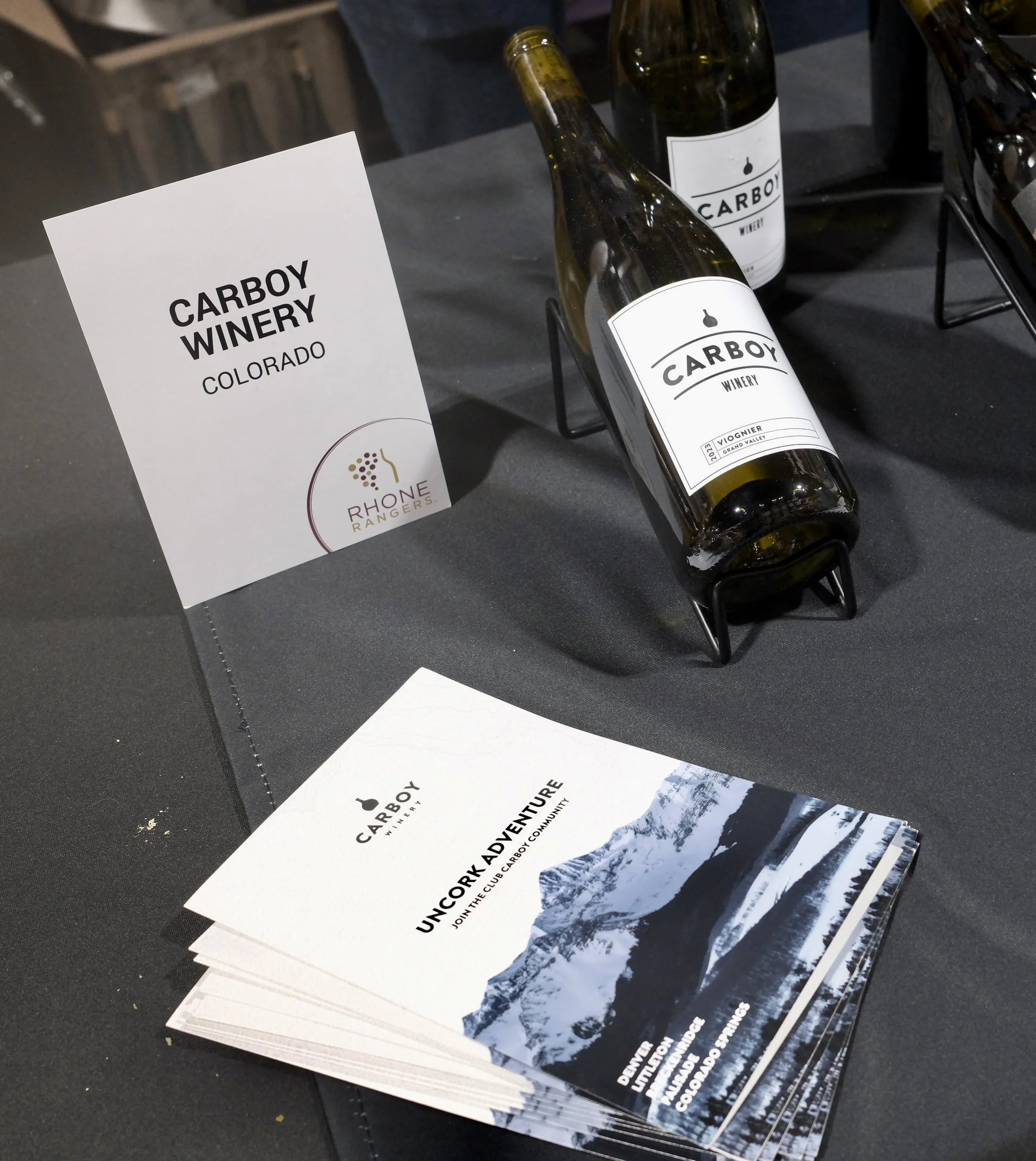
Carboy Winery from Colorado was a newer addition to the Rhone Rangers and made a strong impression precisely because Colorado is not the first place most people associate with this style of wine. Their Viognier was wonderfully aromatic, exactly the kind of bottle that makes you reconsider what you think you know about a wine state. Good on them for showing up and showing out in a Colorado wine industry that is increasingly focused on sparkling and fruit wines.
Hawk's Shadow Winery was one of the Texas highlights and a compelling case for becoming a wine club member. Their 2025 Folle is 100 percent Picpoul aged for five months in Russian oak, and the balance they achieved between that oak influence and the grape's natural acidity and freshness was genuinely impressive. It is a members-only wine. I left the conversation actively considering signing up.
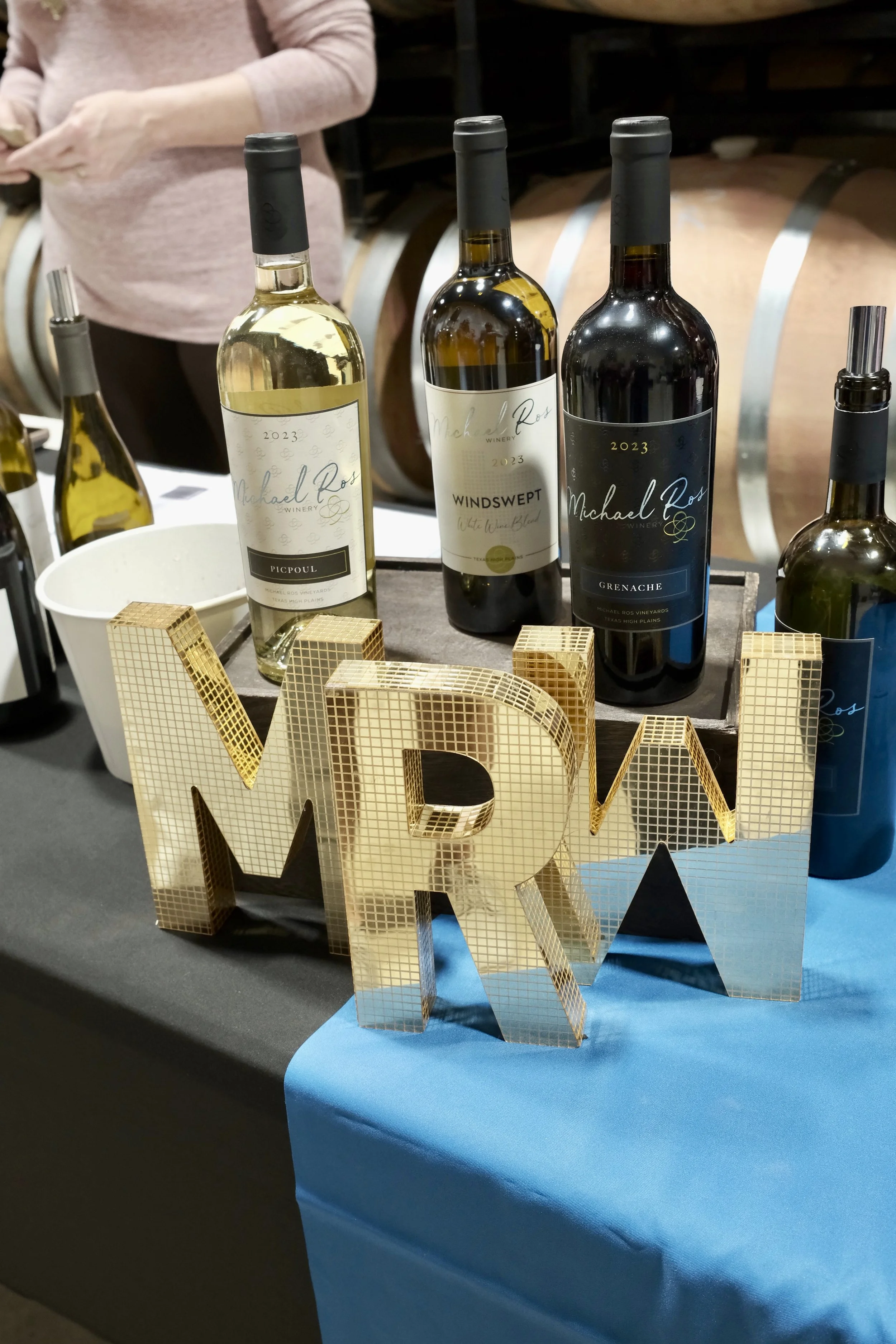
Michael Ros Winery, located just outside Fredericksburg, stood out for their Grenache in a way that made clear this is a producer worth watching closely. They are a recent opening making an impact well above their age. The Hill Country has no shortage of wineries but the ones doing something this intentional with Rhone varieties at this quality level are still in the minority. Michael Ros found their way into that group quickly.
The conversation I enjoyed most was with Larry Shaffer of Tercero Wines, who also happens to be the president of the Rhone Rangers. His 2023 Counoise was one of the more interesting bottles I tasted all afternoon, a grape that rarely gets to stand alone and shows something different when it does. But what stuck with me was the conversation that followed. Larry has been doing this long enough to have strong opinions about palate and what drives people toward certain wines. We talked about bitterness and sweetness and how differently people perceive both. He asked how I take my coffee. Black, I told him. He nodded like that explained something. He was right. By the end of the conversation, he had mapped my palate more accurately than most formal tastings ever have, and it started with a single question.
What to take away from all of this
Rhone varieties are not obscure or intimidating. They are some of the most food-friendly, climate-adaptable, and genuinely delicious grapes being grown anywhere in the world right now, and American producers, especially in Texas, are doing things with them that deserve serious attention.
If you have never explored this corner of the wine world, the Rhone Rangers are a good place to start. Their tastings bring together producers from across the country in a format that is approachable without being dumbed down. And if you find yourself in the Texas Hill Country any time soon, several of the wineries from this afternoon are within a short drive of each other. The afternoon I spent with them only made me want to spend more time learning about what they are building out there on Highway 290.
Fun Facts
Viognier nearly disappeared entirely. By the 1960s fewer than 30 acres of Viognier remained planted in France. The entire global supply of one of the world's most aromatic white grapes fit inside a few small hillside vineyards in the northern Rhone. The American Rhone movement, and producers like Tablas Creek bringing Viognier cuttings from Château de Beaucastel, played a direct role in pulling the variety back from the edge.
Picpoul means "lip stinger" in Occitan. The name is a reference to the grape's naturally high acidity, which was historically valued for its ability to cut through rich seafood dishes along the southern French coast. Hawk's Shadow's decision to age it in Russian oak is a deliberate counterpoint to that sharpness, and it works.
Counoise is one of the 13 approved varieties in Chateauneuf-du-Pape but is rarely bottled on its own anywhere in the world. It typically shows up as a minor component in blends, valued for freshness and color. Larry Shafer's decision to bottle it as a varietal at Tercero is an unusual move that reveals what the grape can do when it gets the full spotlight.
Tannat is the national grape of Uruguay. Originally from the Madiran region of Southwest France, Tannat found an unlikely second home in South America where it became the country's signature variety. Halter Ranch's use of it in a Rhone blend is not traditional, but blending across regional grape traditions is exactly the kind of thinking the American wine movement was built on.
Further Reading
Rhone Rangers: the organization's mission, member wineries, and upcoming events across the country
Tablas Creek Vineyard: Our History: the full story of the Château de Beaucastel partnership and how American Rhone winemaking got its roots
William Chris Vineyards: the host of this year's Texas tasting and one of the Hill Country's most respected producers. I am watching them closely as they are set to launch a new sparkling wine venture very soon.
The Rhone Grape Varieties
Bourboulenc: (Burr-buh-lanc) light bodied, delicate floral, citrus, peach, melon, earth
Camarese: (Cam-are-ess) firm, tannins, delicate aromatics, pepper, spice
Carignane Noir: (Care-ig-non No-our) tannic, solid acidity, good color, cherry, raspberry, pepper
Cinsault Noir: (Sahn-so No-our) elegant, soft & lightly aromatic, strawberry, raspberry, smoke, earth
Clairette Blanc: (Claret Blan) big bodied, floral, aromatic, honeysuckle, tropical flowers, tropical fruits
Clairette Rose: (Clare-et Rose) light aromatics, fruit notes, soft strawberry, cherry, rose petal
Counoise Noir: (Coon-wahz No-our) lively acidity, spice, richness, raspberry, cherry, cranberry
Grenache Blanc: (Gra-nash blan) big bodied, soft, delicate peach, melon, pear
Grenache Gris: (Gra-Nash Gree) full-bodied, light in color, delicate strawberry, cherry, rose petal
Grenache Noir: (Gra-Nash No-our) big bodied, supple, & rich strawberry, raspberry, blackberry, black pepper
Marsanne: (Mar-san) broad palate, soft & rich, peach, nectarine, stone fruits, tuberose, sweet nuts
Mourvèdre: (More-ved) tannic, deeply colored, aromatic, black currant, dark cherries, leather, smoke, earth
Muscardin: (Mus-car-dan) floral, aromatic, firmly structured, rose petal, barnyard, earth
Muscat a Petits Grains: (Mus-cat ah Pet-eet Grahn) aromatic, floral, musk, honey, honeysuckle, lily, stone fruit
Picpoul Blanc: (Peek-pool Blan) floral, soft, aromatic, pear, earth, lily, daisy, wildflowers
Picpoul Noir: (Peek-pool No-our) floral, elegant, aromatic, rose, violet, dark cherry
Roussanne: (Roo-sahn) firmly structured, powerful, very rich, apricot, honey, almond, nutmeg, honeysuckle, iris
Syrah/Shiraz: (C-rah)/(She-raz) highly colored, firmly structured and aromatic, plum, raspberry, blueberry, blackcurrant, violet, roasted meats, smoke, chocolate, pepper, anise
Terret Noir: (Tare-it No-our) delicate, perfumed, bright acidity, rose petal, lavender, dark berries, spice
Ugni Blanc: (Ewn-yee Blan) delicate fruit, good acidity, pear, honey-dew melon, earth
Vaccarese: (Vac-car-ess) aromatic, firmly tannic, floral, pepper, spice, earth, smoke
Viognier: (Vee-ohn-yea) big bodied, very aromatic, complex apricot, musk, peaches, grapefruit, lychee, papaya, mango, tropical flowers
